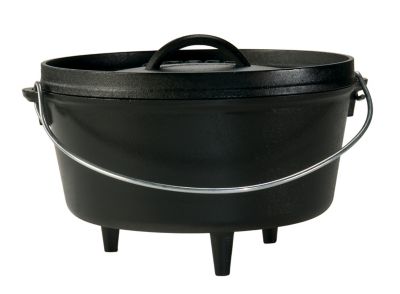
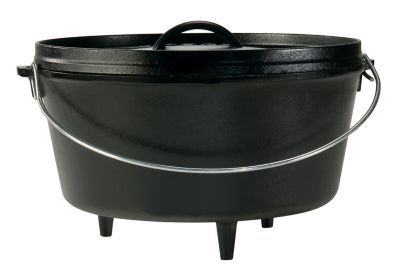
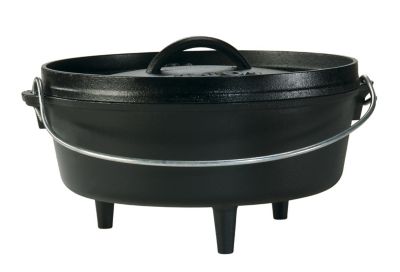
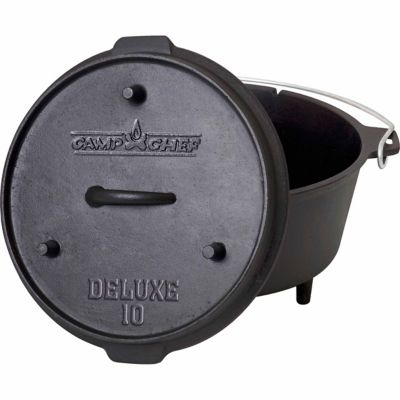
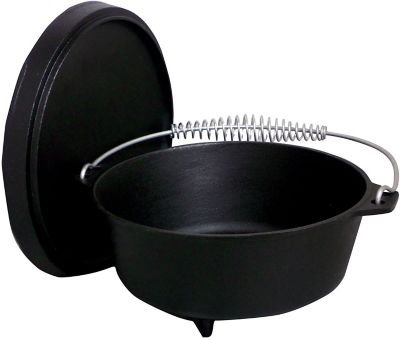
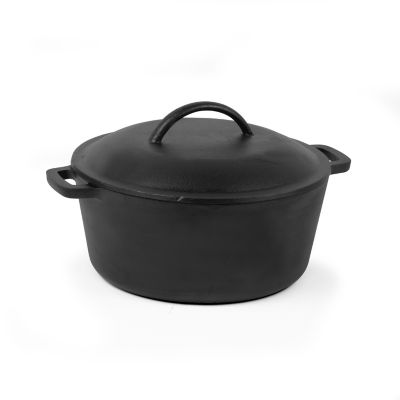
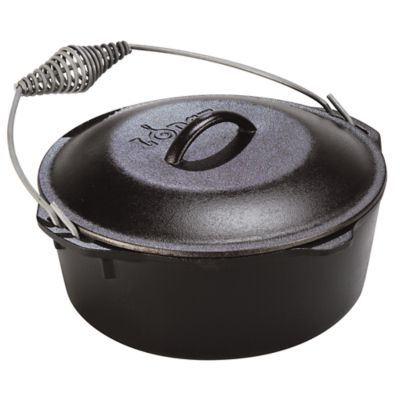
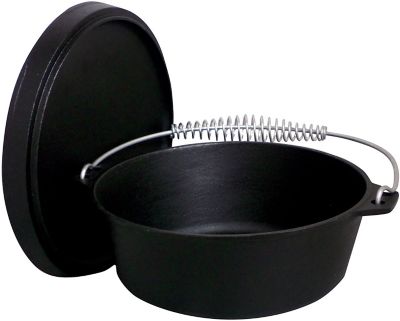
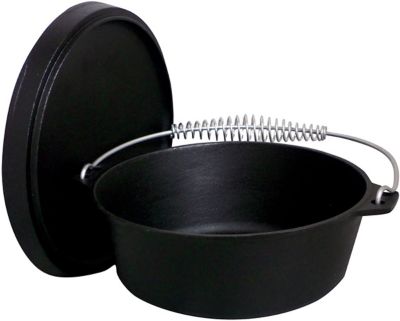
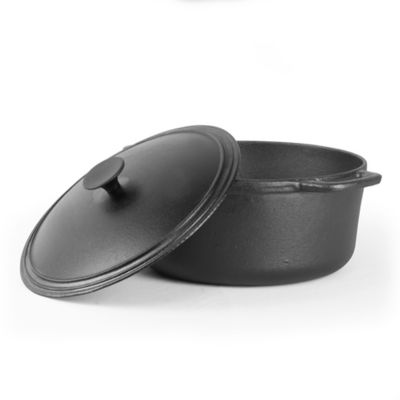
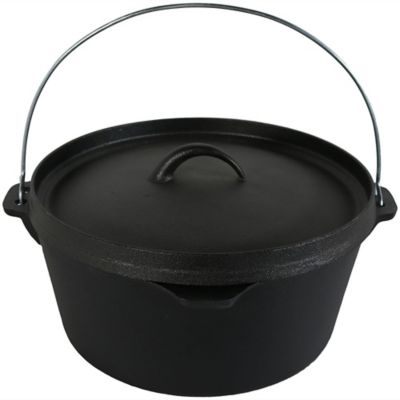
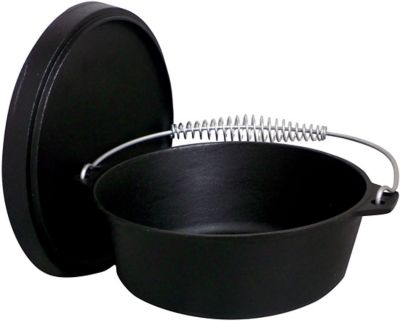
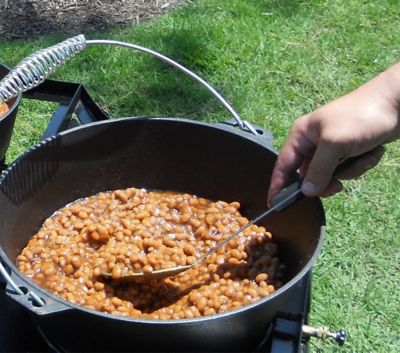
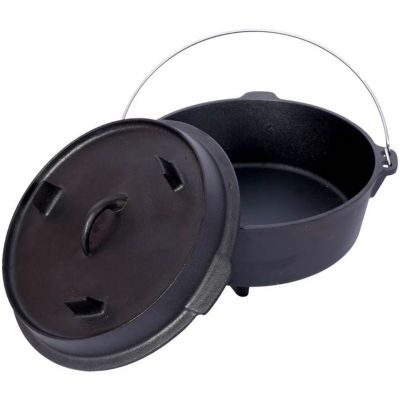
A cast iron camp Dutch oven with built-in legs and a flanged, coal-holding lid makes a practical Christmas gift for someone who enjoys cooking outdoors. That combination lets the pot stand above a bed of coals while the raised rim helps keep additional coals on the lid, supplying heat from below and above. It’s a setup suited to everything from a slow pot of beef stew to biscuits with browned tops. Unlike a flat-bottom kitchen Dutch oven, a camp-style pot is built around the needs of a fire ring or another suitable outdoor cooking area. The legs provide clearance beneath the cooking surface, while a sturdy bail handle makes the pot easier to lift with the proper tools. A close-fitting lid helps hold in moisture for beans, braised meat, and other dishes that benefit from steady cooking. For shoppers comparing outdoor cooking gifts,
Campfire Dutch Ovens bring those fire-ready features together in cookware that can become part of family camping trips, hunting camp suppers, and meals around a backyard fire pit. Capacity matters just as much as construction. A smaller pot suits a couple making supper after a day on the trail, while a larger one makes more sense for a family meal or a gathering where everybody brings a chair. Diameter and depth affect what fits inside, too. A shallower pot gives bread and biscuits room to spread across the bottom, while a deeper shape leaves more space for a roast, vegetables, and broth. The right size also needs to fit the recipient’s cooking setup and lifting comfort. Cast iron gets heavy before the food goes in, and a full pot takes a steady grip and a clear place to land. For a gift that will travel between the truck, campsite, and storage shelf, the overall dimensions and filled weight deserve as much attention as the number of servings.
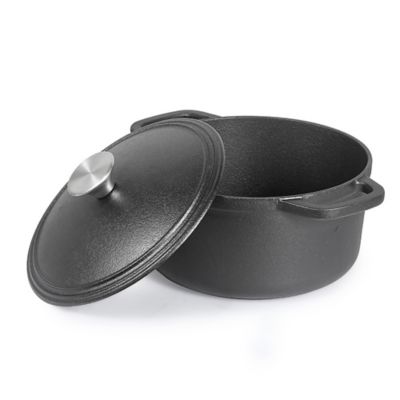
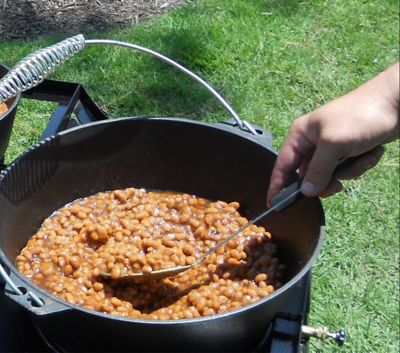
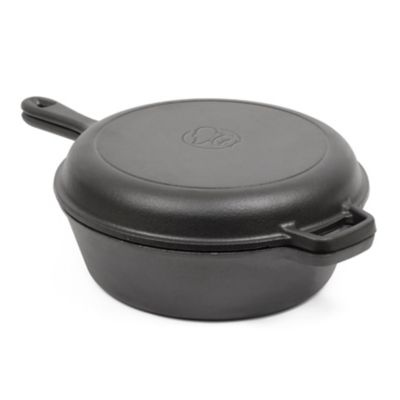
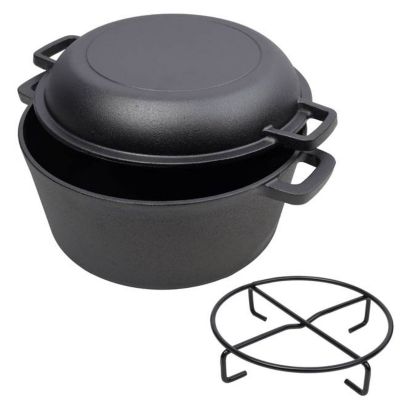
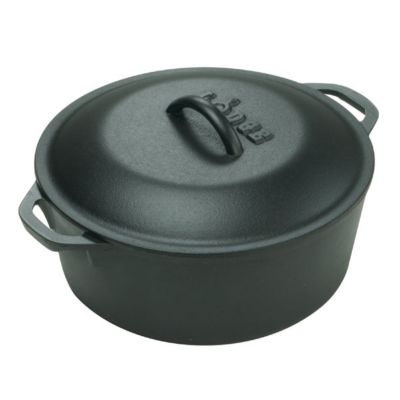
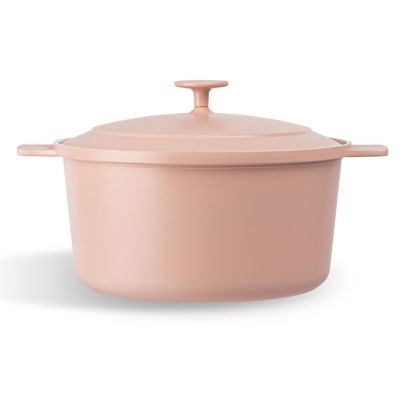
The appeal of Dutch ovens for Christmas outdoor cooking gifts comes from how much cooking one covered pot can handle. Chili can simmer while the rest of camp settles in, a pot roast can cook with potatoes and carrots, and a fruit cobbler can finish supper without a separate baking oven. Bare cast iron holds heat well once it warms through, helping a substantial meal keep cooking steadily as the coal bed changes. It still needs thoughtful heat placement; a hard blast of fire beneath the center can scorch food before the rest of the pot catches up. Coals generally offer more control than tall flames, and a flanged lid gives top heat a secure place to sit. A level, fire-safe surface is important, especially when a pot has short legs and a hot, heavy lid. Cooking should stay in an open-air location with suitable clearance, never inside a tent, garage, or other enclosed space. Material and finish also shape the match between the cookware and its intended job. Seasoned bare cast iron is a common choice for coal cooking, while enameled Dutch ovens need closer attention to the maker’s heat-source limits. An enamel finish does not automatically mean a pot belongs over an open fire, and knobs, handles, and other parts may have separate temperature restrictions. Flat-bottom models may work on compatible outdoor stoves or suitable supports, but they do not provide the same built-in coal clearance as a legged camp oven. Lid shape deserves a look as well: a rim designed to contain coals serves a different purpose from a domed kitchen lid. Those details help distinguish a gift meant for actual camp cooking from a pot better suited to the kitchen. The strongest match is cookware that fits the way the recipient already cooks, whether that means tending charcoal at a campsite or preparing a shared meal beside an established fire ring.
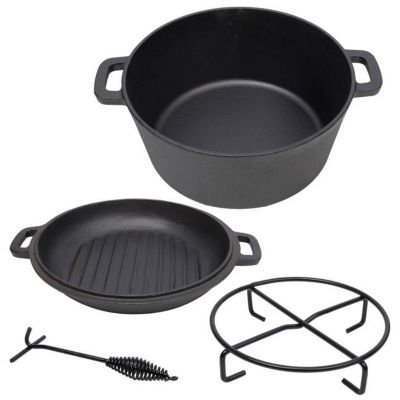
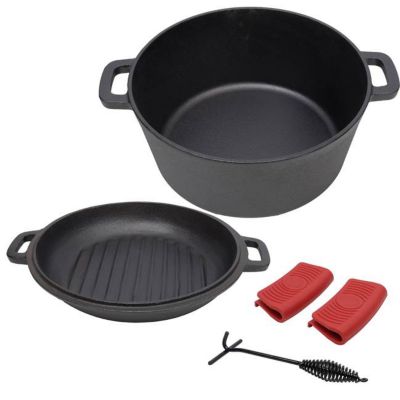
A Dutch oven makes a thoughtful Christmas present for the family cook who likes taking supper outside, the camper building a cooking setup, or the friend who always volunteers to feed the whole group. Someone new to cast iron may appreciate a manageable pot that is easy to move, while an experienced camp cook may have a clear preference for depth, lid shape, and capacity. Handling details make a difference during real meals: a bail handle needs enough clearance for a gloved grip, and a lid handle needs to work with the appropriate lifting tool. Heat-resistant gloves, a proper lid lifter, and a stable trivet can make the cooking setup easier to manage, though hot iron still calls for care and a clear workspace. A place to set the lid without putting its underside in dirt helps keep camp grit out of supper. Care is another part of choosing a gift that suits its recipient. Seasoned cast iron benefits from prompt cleaning, thorough drying, and a light coat of cooking oil before storage. Mild dish soap is generally fine when needed, but long soaking, dishwasher cycles, and putting the pot away damp can lead to rust. Abrupt temperature changes can damage cast iron, so a hot pot should cool before washing rather than going straight into cold water. Enameled pieces have their own care requirements, including protection from chips and attention to utensil recommendations. A dry storage spot matters whether the cookware stays at home or rides along in a camp box; trapped moisture can undo careful cleaning. With sensible handling and regular care, a Dutch oven can earn its place through years of shared meals. As a Christmas outdoor cooking gift, its appeal is easy to picture: a lid lifted from bubbling stew, biscuits passed around the fire, and enough supper for the folks who stayed to visit.