Memorable cooking gifts bring something useful to the kitchen while showing a little thought about the person doing the cooking. A good match might support the meals someone already loves to make, give a favorite technique a fresh twist, or make everyday prep less of a chore. For the cook who feeds a table full of family, capacity and comfortable handling can matter more than fancy features. For someone who enjoys working bread dough, testing a sauce, or tending food on the grill, gifts that suit that hands-on approach can feel personal without needing a name or message added. Cooking gifts cover several broad categories, including cookware, bakeware, preparation tools, serving pieces, and equipment for outdoor cooking. Each serves a different part of the meal, from getting ingredients ready to bringing supper to the table. The most fitting choice depends on where the recipient cooks, what they enjoy making, and how much space they have to work with. A compact kitchen calls for pieces that store neatly and earn their place through regular use. A busy family kitchen may benefit from equipment that handles larger portions, cleans up without much fuss, and moves comfortably between prep and serving. Gifts for a beginning cook often feel more useful when their purpose is easy to understand, while an experienced cook may appreciate thoughtful details such as balanced weight, a steady grip, or a shape suited to a favorite task. There is also a difference between a gift meant for daily meals and one brought out when company comes over. Everyday cooking puts the emphasis on straightforward operation and easy care; entertaining may place more weight on serving capacity and presentation. Neither needs to be complicated to feel special. A cooking gift earns its place when the recipient reaches for it naturally, whether that means putting together breakfast before chores, packing food for a family potluck, or making a familiar supper that everyone looks forward to.
Materials play a big part in how cooking equipment feels, performs, and holds up over time. Stainless steel is common in kitchen equipment because it resists corrosion and works well for many prep and cooking tasks, though construction and thickness affect weight and heating performance. Cast iron holds heat well once it comes up to temperature, making it suited to cooking that benefits from steady heat, but its weight deserves a little consideration. Bare cast iron also needs care that protects its seasoning, including prompt drying after washing and attention to the maker’s care directions. Enameled surfaces have different cleaning requirements, and sudden temperature changes can damage some finishes. Wood brings a comfortable feel to food preparation and serving, but prolonged soaking and dishwasher cycles can cause swelling or cracking. Food-contact wood care should follow the manufacturer’s recommendations rather than treating every finish the same way. Silicone can offer flexibility and a comfortable grip, while its heat limits depend on the particular material and construction. Ceramic and glass can work well for baking or serving when designed for those jobs, but not every piece belongs in an oven, on a burner, or over direct heat. Those distinctions matter when a gift is meant to move from one cooking setting to another. Stove compatibility, oven-safe limits, and care instructions are practical details worth considering alongside appearance. Handles should feel secure, with enough room for a comfortable grasp, and the overall weight should suit the person lifting or carrying the equipment. Cleaning matters, too: smooth surfaces and accessible corners can make a difference after a sauce has simmered down or dough has dried along an edge. Equipment with coatings may call for gentler cleaning and compatible utensils, while separate parts can require extra attention during washing and storage. These are not just technical details. They shape whether a gift fits easily into a cook’s routine or needs more upkeep than that person wants to take on.
Fit goes beyond size alone. Cooking gifts need to suit the recipient’s habits, available storage, and the equipment already in the kitchen. Cookware dimensions can affect whether it sits properly on a burner, fits inside an oven, or leaves room for other dishes cooking at the same time. Baking equipment works best when its size matches the recipes someone returns to, rather than requiring them to adjust a familiar batch every time. Outdoor cooking equipment brings its own considerations, including reach, grip, and compatibility with the cooking surface. Tools meant for food preparation should be suitable for food contact, and equipment intended for heat needs clear temperature and handling limits. Someone with limited hand strength may value lighter weight and easy-to-grasp handles, while a cook working with generous portions may favor more capacity and stable handling. Storage is another everyday concern, especially where counter space doubles as a place to roll dough, unload groceries, and sort the day’s mail. Pieces that nest, hang securely, or tuck into existing storage can fit that kind of working kitchen better than equipment that needs a permanent spot on the counter. Housewarmings, birthdays, weddings, and retirement celebrations all offer reasons to give something that supports cooking and sharing meals. A gift for someone setting up a first home may help establish a routine, while a gift for a longtime family cook can acknowledge years of feeding the crowd. For a gathering centered on a holiday meal,
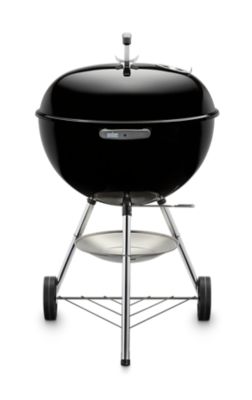
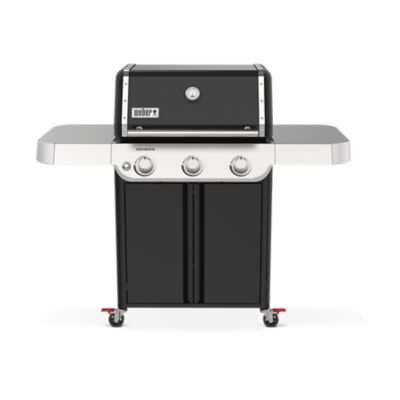
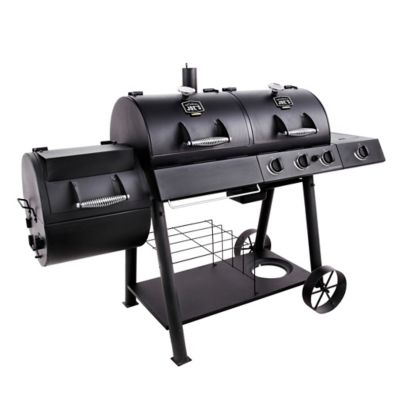
Thanksgiving Cooking And Grilling Gifts connects that same practical spirit with preparing food and bringing people together. The personal touch comes from recognizing what the recipient enjoys: the quiet work of kneading dough, the careful timing of several dishes, or the pleasure of serving a meal straight from the grill. Cooking gifts feel thoughtful when their materials, handling, and purpose line up with those moments, giving the recipient something that belongs in the kitchen and has a clear job to do.