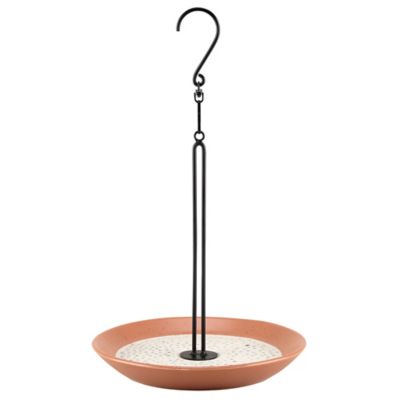
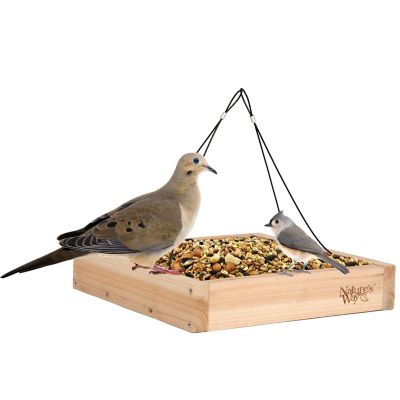
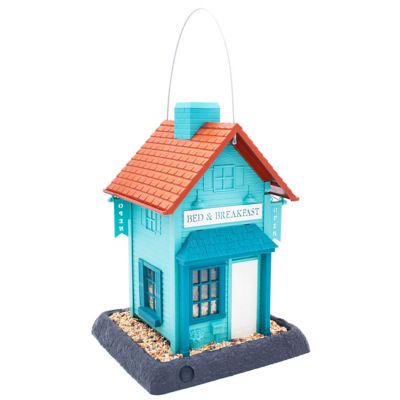
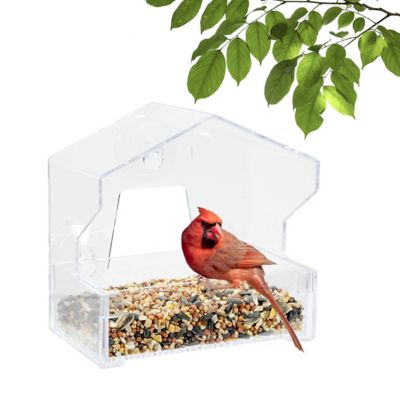
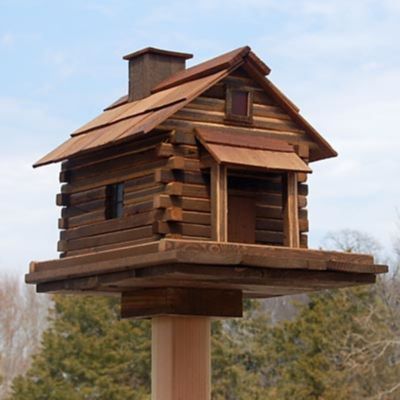
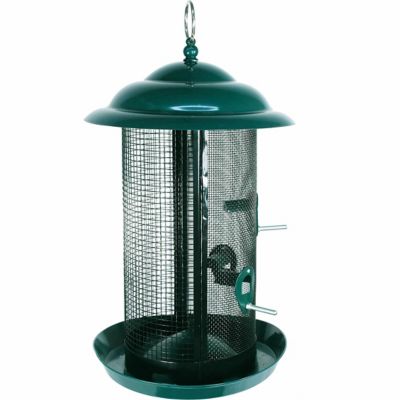
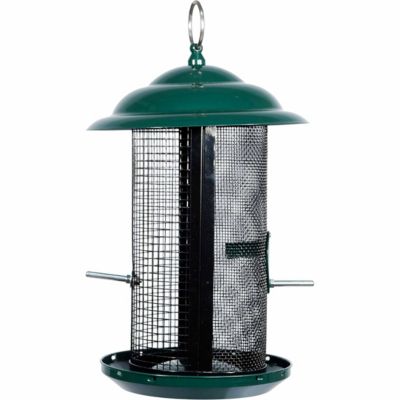
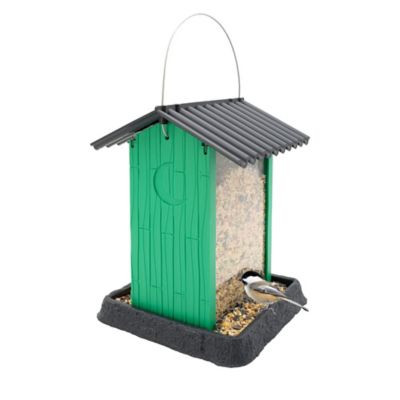
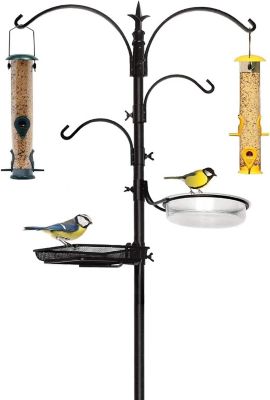
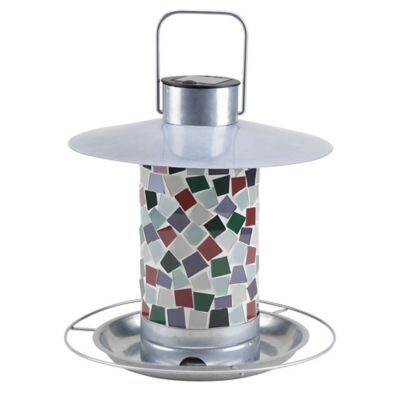
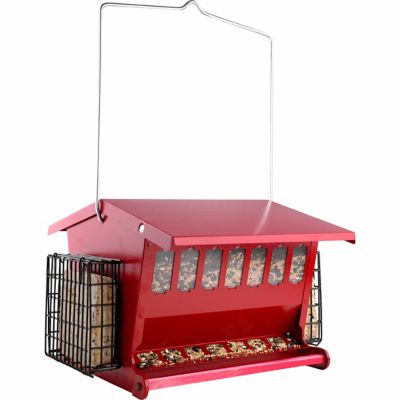
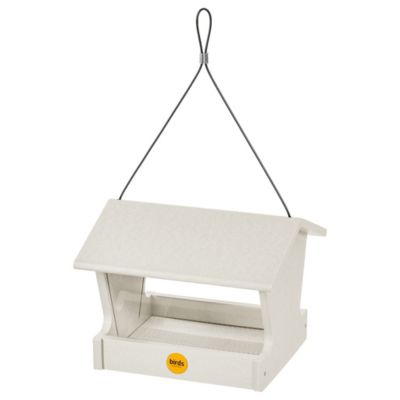
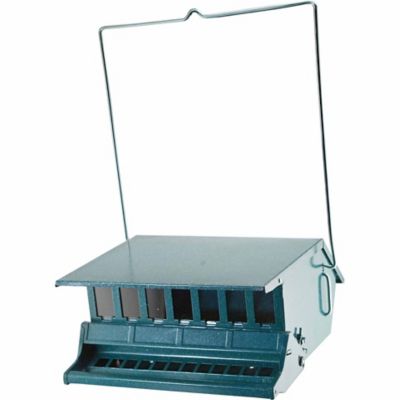
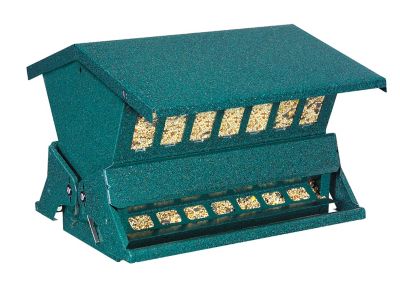
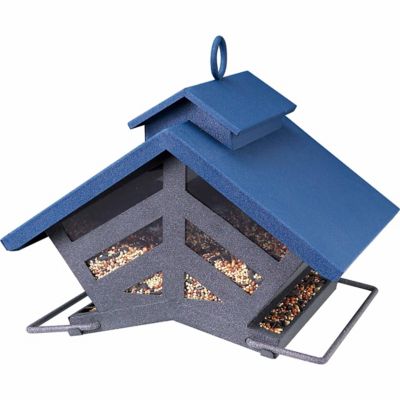
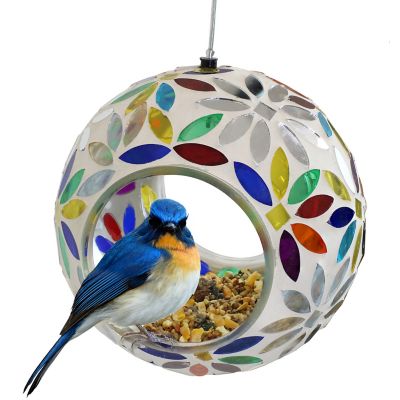
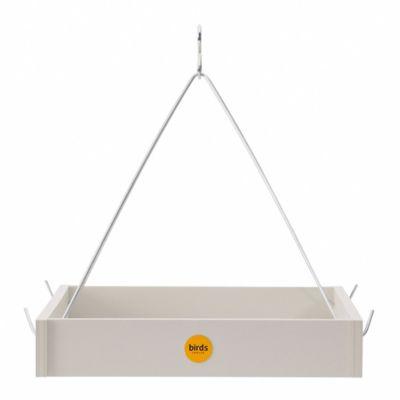
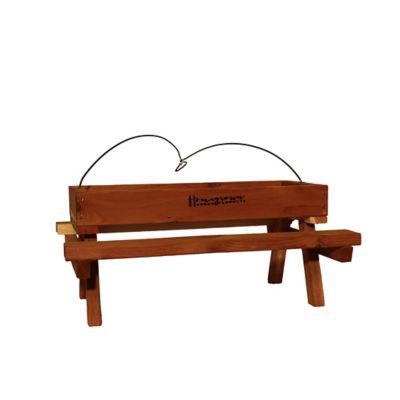
Cardinal bird feeders give these familiar backyard birds a roomy, steady place to land, crack a seed and linger awhile. Platform feeders, tray feeders and hopper feeders with broad feeding ledges are especially well suited to cardinals because they let the birds stand comfortably while eating. Unlike smaller songbirds that readily cling to narrow openings, cardinals generally favor a flat surface or a substantial perch with room for their bodies and long tails. An open tray offers easy access from several directions, while a hopper holds seed above a feeding shelf and releases it as birds eat. A roofed platform combines an open landing area with some shelter from rain and snow, though wind can still carry moisture underneath. Across these styles, usable feeding space matters more than the feeder’s overall size: a large seed container with tiny pegs may be less inviting than a smaller feeder with a broad, unobstructed ledge. Black oil sunflower seed is a strong choice for attracting cardinals, thanks to its relatively thin shell and energy-rich kernel. Safflower seed and sunflower hearts are other suitable options, with hearts leaving fewer shells beneath the feeder. Seed choice and feeder design work together. Openings need to let the selected seed move freely, and trays need enough depth to hold food without collecting standing water. A mesh feeder may suit cardinals when it includes a comfortable tray or perch rather than requiring them to cling to the sides. Color alone does not make a feeder attractive to cardinals; access, food and a calm setting count for more than a red finish. For a yard along a woodlot, a farmhouse garden or a small patch beside the porch, the right feeder creates a feeding spot that is easy for birds to approach and easy to watch from a comfortable distance. It may also draw chickadees, finches and other seed-eating birds, so a cardinal-friendly feeder is not necessarily a cardinal-only feeder.
Materials and construction help determine how cardinal bird feeders fit into everyday life outdoors. Metal feeders offer strength at hanging points and feeding edges, while protective finishes help limit corrosion from repeated exposure to moisture. Smooth edges, firmly attached trays and hardware that stays secure are worth attention wherever birds perch. Wood feeders bring a natural look to a fence-line feeding station, though their surfaces can absorb moisture and may need more attention to cleaning and upkeep. Recycled plastic lumber resists moisture absorption, while molded plastic containers make seed levels easy to see without opening the lid. Resistance to sunlight and cracking varies by material and construction, especially where warm afternoons give way to freezing nights. Drainage holes or mesh tray bottoms allow water to escape, and an overhanging roof helps keep seed out of direct rainfall. No outdoor feeder keeps every storm out, so easy access to the feeding tray is as important as weather protection. Removable trays, wide fill openings and lids that close securely make a difference when topping off seed before chores or emptying a feeder after a wet spell. Capacity deserves a practical look, too. A larger hopper can serve a busy feeding station with fewer refills, but a smaller container may make more sense where only a few birds visit and seed would otherwise sit for long stretches. Hanging feeders need a branch, bracket or hook that can support the feeder’s full weight, including seed. Pole-mounted feeders need compatible mounting hardware and a stable base, particularly in open yards where wind can set a hanging tray swinging. Broad trays can catch gusts, making balance and attachment points important. Squirrel-resistant features can help limit access, but weight-sensitive mechanisms need to accommodate cardinals, and tight cages may keep them out. A well-positioned baffle offers another layer of protection without narrowing the birds’ landing space. For a look at feeder styles beyond cardinal-friendly designs, the
Best Bird Feeder page offers more context for a backyard feeding setup.
The setting around a cardinal feeder matters nearly as much as the feeder itself. Cardinals often approach from shrubs, small trees or the edge of thicker cover, so a feeding station near a sheltered part of the yard can feel more inviting than one standing far out in the open. At the same time, clear space immediately around the feeder helps birds spot trouble and keeps low vegetation from becoming a hiding place for outdoor cats. Keeping cats indoors is one of the best ways to protect visiting birds. A spot that is easy to reach without crossing a muddy ditch or working around farm equipment makes refilling and cleaning less of a chore. Window placement also deserves care: feeders very close to glass, within about three feet, can reduce the speed of a potential collision, while exterior bird-visible window treatments add protection. Cardinals often visit early and late in the day, making a feeder within sight of a kitchen or porch a pleasant part of the daily routine. Throughout much of their range, northern cardinals stay nearby year-round, so a feeding station can remain active as leaves fall and cooler weather settles in. Regular care helps keep that spot safer for birds. Seed should stay dry and free of mold, and wet clumps or accumulated droppings call for prompt attention. Feeders with parts that separate easily simplify washing, disinfection, thorough rinsing and complete drying according to the maker’s directions. Clearing fallen seed and shells from the ground also helps keep the feeding area tidy and discourages unwanted visitors. For birdwatchers, gardeners or family members who enjoy watching wildlife between chores, a cardinal feeder can make a thoughtful gift without requiring a sprawling yard. A manageable fill height, an easy-opening lid and a clear view of the feeding tray are especially helpful for anyone who prefers less lifting and reaching. Paired with suitable seed and a sensible location, a feeder with generous landing room brings the bright flash of a male cardinal or the softer coloring of a female into an everyday backyard scene.