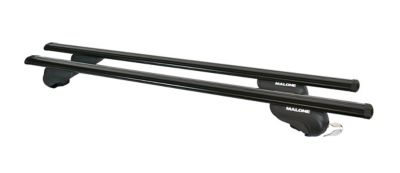
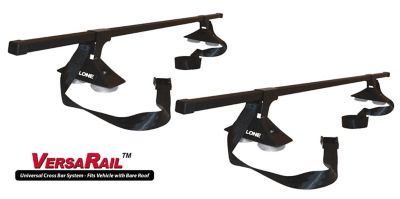
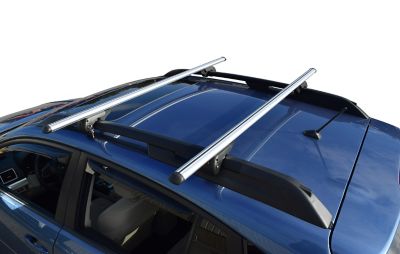
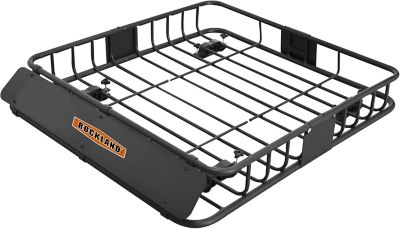
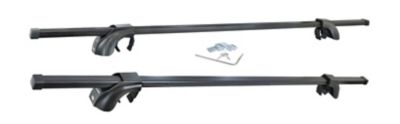
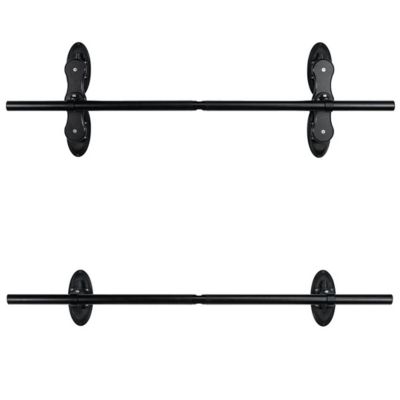
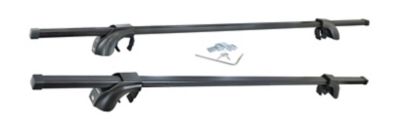
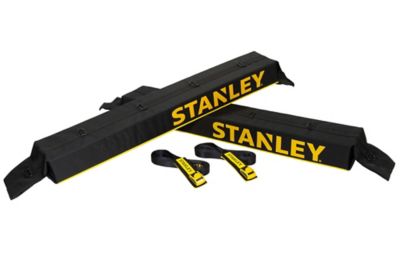
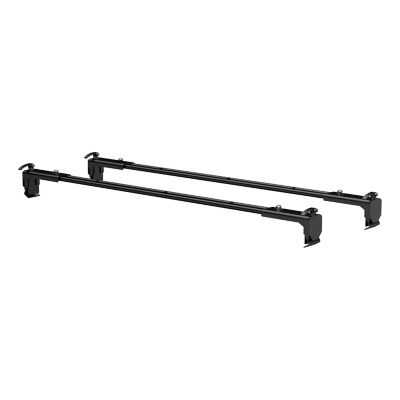
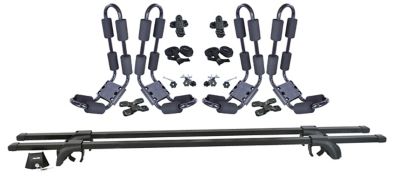
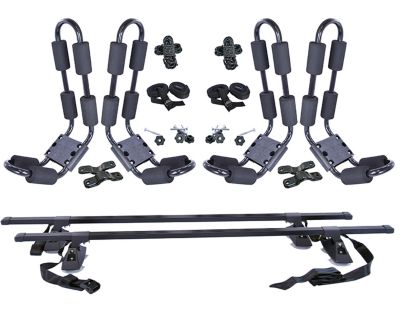
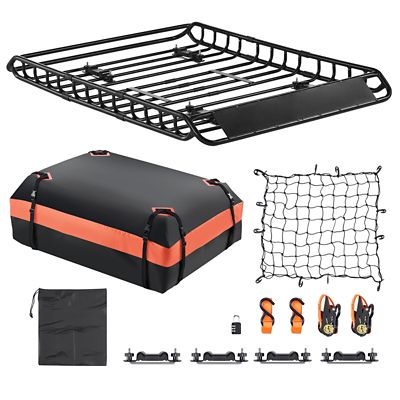
Car rooftop racks are vehicle-mounted support systems that carry gear above the passenger compartment, leaving more room inside for people, pets, and everyday cargo. A roof rack setup generally includes crossbars that run across the vehicle, feet or towers that support those bars, and the mounting hardware required for the roof. Cargo baskets, enclosed carriers, bicycle mounts, and kayak cradles attach to compatible crossbars rather than directly to the roof panel. The right fit depends on the vehicle’s year, make, model, body style, and roof configuration—not just its overall size. Raised side rails have a gap beneath them, while flush rails sit close against the roof. Fixed-point roofs have designated mounting locations, and bare roofs require a system specifically approved for attachment to that vehicle. Roof tracks are another mounting arrangement, with hardware that connects within the track. Many clamp-on racks attach to compatible raised rails without drilling, but that does not make every rail-mounted rack suitable for every car. Rail shape, spacing, and mounting requirements still matter. A fit listing should match the actual vehicle, including any differences between body styles or factory roof packages. For a household juggling school bags, fishing tackle, and luggage, that extra carrying space can make the cabin a lot less crowded. For someone heading to a trail or boat launch, it provides a place for gear that simply will not fit behind the back seat. Crossbar material and shape also affect the setup. Aluminum generally keeps rack weight lower, while steel provides strength and often has a protective coating to help resist corrosion. Rounded or streamlined bar profiles can help reduce driving noise compared with some square profiles, though noise also depends on the vehicle, accessories, and load. Bar length matters, too: it must match the approved vehicle fit while providing enough usable space for the intended carrier. Factory-installed crossbars may already provide a mounting base, but their load limits, dimensions, and compatibility with attachments still need checking.
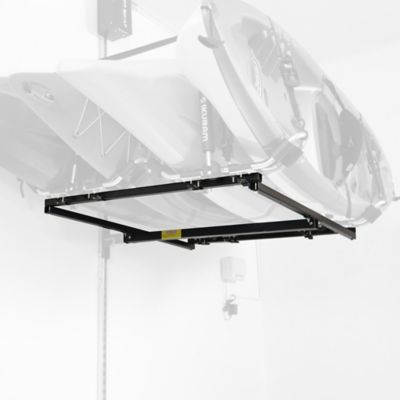
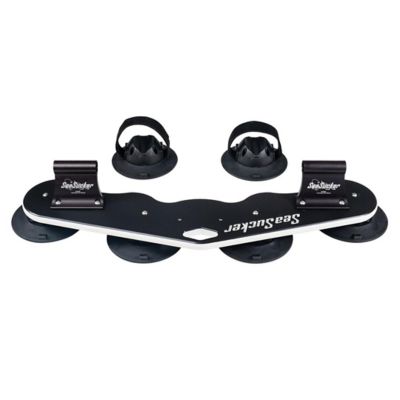
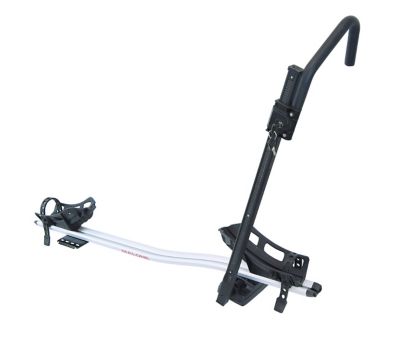
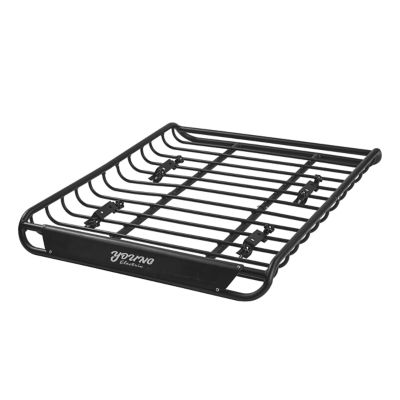
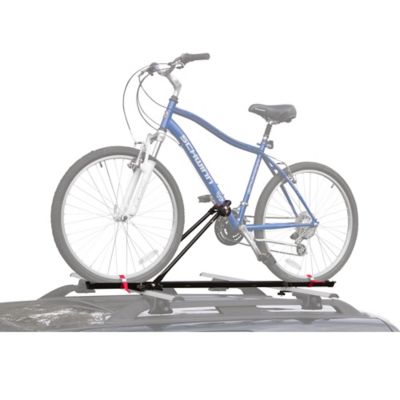
The best car roof rack configuration depends as much on the load as on the car beneath it. A cargo basket gives duffel bags and other properly secured gear an open platform, while an enclosed roof carrier keeps luggage together in a covered compartment. Long equipment, bicycles, and boats need attachments designed for their shape and transport requirements. A kayak cradle supports the hull differently from a bicycle tray, and neither replaces the straps or other restraints specified by its manufacturer. Crossbar spacing—the distance between the front and rear bars—must fall within the approved range for both the rack and the attachment. That detail matters when a long carrier stretches over a short roof or when two attachments share the same bars. Bicycle mounts also differ in how they hold the bike, with some securing a wheel and others requiring removal of the front wheel. Bike weight, tire width, wheel size, frame design, and axle compatibility can all affect fit. Families comparing roof-mounted bicycle transport with other carrying arrangements can also explore
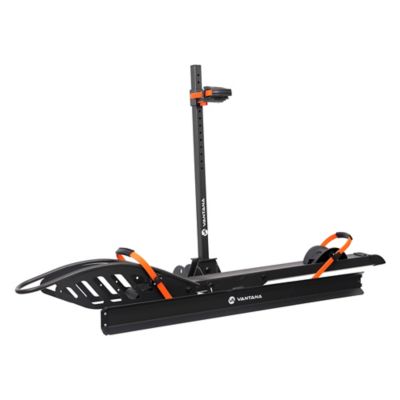
SUV Bike Racks. Weight limits deserve just as much attention as dimensions. The vehicle’s roof rating, the rack’s rating, and the carrier’s rating all apply, and the lowest applicable limit governs the setup. The weight of the bars, mounting components, and attachments counts toward the vehicle’s roof allowance, along with the cargo. A roof’s parked-load rating should not be mistaken for its rating while driving. Keeping heavier belongings inside the vehicle when practical helps avoid putting unnecessary weight overhead. Loads need balanced placement and secure attachment according to the rack and carrier instructions; an open basket alone does not hold a bag in place. Boats may require bow and stern lines in addition to straps at the crossbars. Loose strap ends need securing, too, so they do not whip against paint or glass. For long drives to a campsite or regular trips to the trailhead, those details make the difference between extra carrying space and a setup that needs constant attention.
Everyday convenience comes down to how a rooftop rack fits into the way the vehicle actually gets around. A low car can make overhead loading easier, while a taller vehicle may require more reach to lift a bicycle or place luggage in a carrier. The combined height of the vehicle, rack, attachment, and load matters at garage doors, parking structures, covered entrances, and low branches along a driveway. Writing down that total height gives the driver a useful reference before pulling into a tight opening. Sunroof operation, hatch clearance, antenna placement, and access to carrier locks also deserve a look before settling on a configuration. Some attachments extend far enough rearward to interfere with an open hatch, while certain mounting arrangements can affect sunroof movement. A loaded roof can change vehicle handling and increase air resistance, so staying within the vehicle and rack manufacturers’ operating limits matters on the highway as well as on a gravel lane. Care is straightforward but worth keeping up with. Dirt and grit around mounting pads can mark the vehicle’s finish, and buildup in tracks or attachment points can make hardware harder to operate. Cleaning methods should follow the rack’s instructions, with attention to protective finishes, rubber pads, and moving parts. Fasteners need tightening to the specified torque, not simply as hard as possible. Periodic checks can catch loose hardware, worn straps, damaged padding, or corrosion before another trip. After installation or a change in the load, any follow-up checks should follow the manufacturer’s schedule. Removable components are easier to keep together when their hardware and vehicle-fit parts have a designated storage spot. Car rooftop racks can be a practical gift for a camper, cyclist, paddler, or family that travels with plenty of gear, but the vehicle details and intended load need to be known first. The most useful setup is one that fits the car, supports the right attachments, and makes packing for the next outing less of a squeeze.