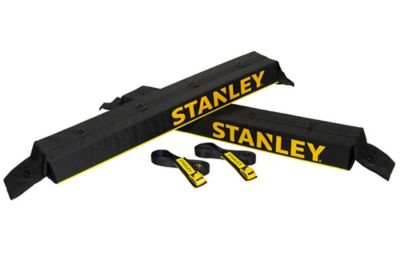
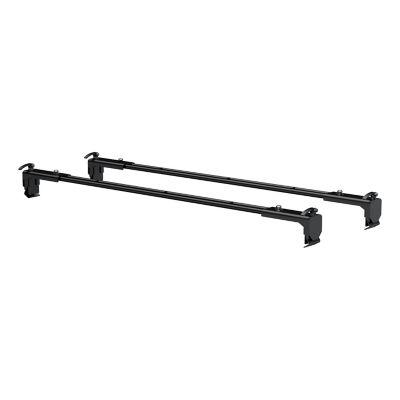
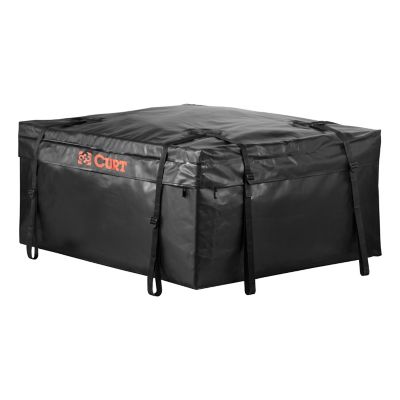
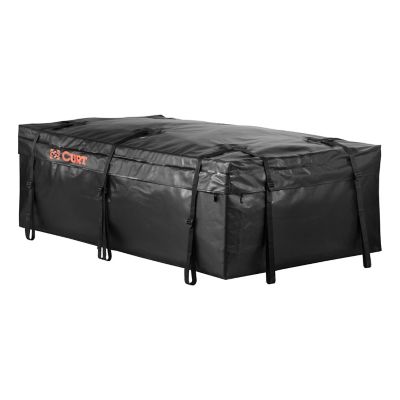
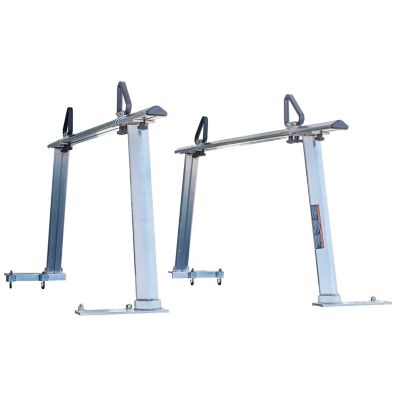
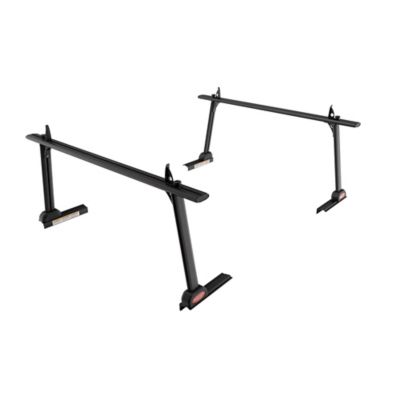
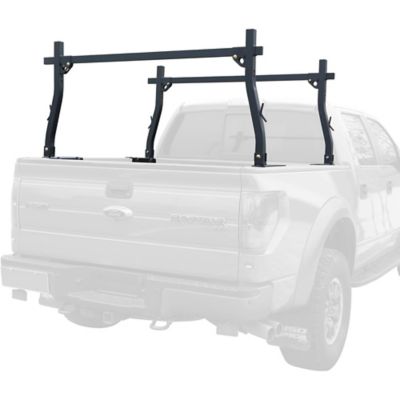
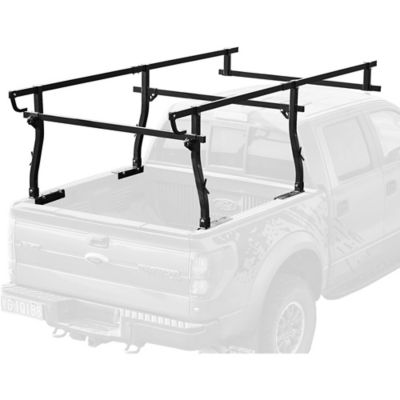
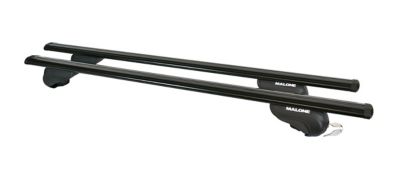
Roof rack accessories help turn the top of a vehicle into useful hauling space, whether you’re headed down a gravel road to a favorite trail, loading up for a weekend at the lake, or making room for feed, tools and camping gear inside the cab. The right setup can carry bikes, kayaks, canoes, paddleboards, skis, snowboards, luggage, coolers and bulky outdoor equipment while leaving more room for passengers and everyday supplies. Start by checking your vehicle’s roof rating, the weight limit of the crossbars and the fit of the rack system already installed. Some accessories attach to factory rails, while others need crossbars with a certain spread, shape or channel. Pay attention to the loaded weight, not just the weight of the accessory itself, and remember that a vehicle may have different limits when it is moving than when it is parked. A good fit should feel solid without forcing hardware into place. Before heading out, open and close doors and the liftgate carefully, check that clamps and bolts are seated evenly, and make sure the load will not block lights, mirrors, license plates or the driver’s view. Bike mounts may use a fork mount or an upright frame clamp, so consider the bike’s frame style, wheel size and whether you want to remove a wheel for a lower profile. Water-sports carriers often use padded cradles or angled supports to hold a kayak, canoe or paddleboard close to the crossbars and reduce shifting on the drive. Cargo baskets offer an open, easy-to-load platform for coolers, totes, camping bins and other rugged gear, while enclosed cargo carriers help protect luggage and supplies from road spray and changing weather. Cargo nets, weather-resistant bags and fitted covers can add another layer of protection when the route gets dusty or the sky turns gray.
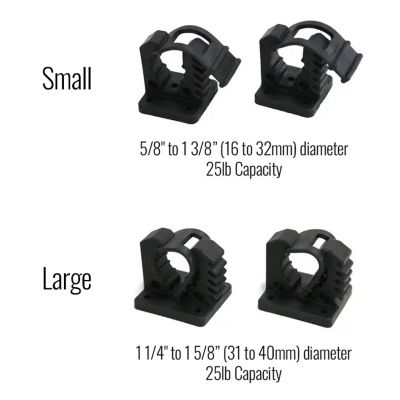
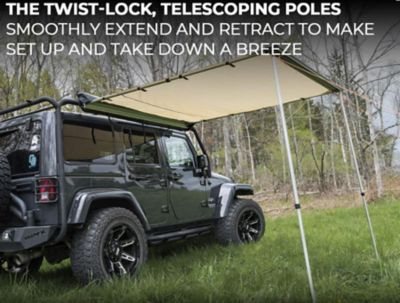
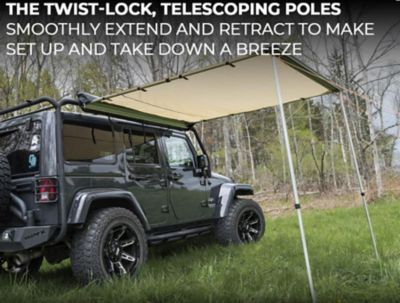
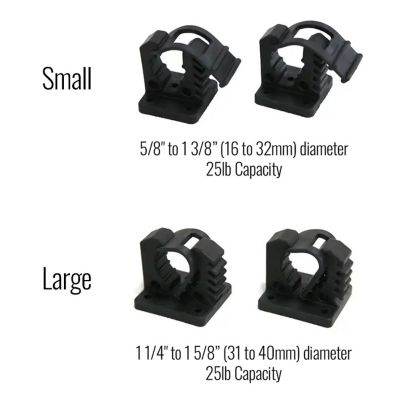
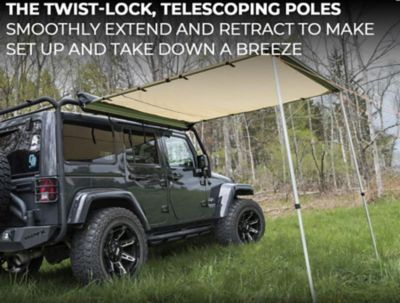
For secure hauling, roof rack accessories should work together as a system rather than as separate pieces tossed into the cart. Tie-down straps with cam buckles or ratchets can hold equipment firmly, but they need to be routed around strong mounting points and tightened without crushing delicate frames, hulls or cases. Rubber-coated hooks and protective sleeves help guard painted surfaces, and load stops can keep boxes, lumber or other cargo from sliding sideways along the crossbars. A wind fairing may help reduce highway noise and turbulence, especially when an empty rack whistles on the way home, but it should be sized for the bar width and installed so it does not rub against the roof. For off-road travel, specialized mounts can keep traction boards, a shovel or a high-lift jack secured where they are reachable without filling the cargo area. Brackets for an awning, water container or fuel container can make a vehicle more useful at a remote campsite, worksite or trailhead, though these heavier items call for especially careful attention to mounting strength, clearance and total roof capacity. Keep sharp edges covered, use straps rated for the load and give every buckle a firm tug before pulling onto the highway. It’s also smart to stop after a short distance and inspect the setup, then check it again whenever the road gets rough or the weather changes. Wind, vibration and a long stretch of washboard road can loosen hardware that looked fine in the driveway. When the gear comes off, rinse away mud and road salt, let straps dry fully and store small brackets and fasteners together so they’re ready for the next trip. If your vehicle does double duty for hauling and home projects, organizing bins, hooks and tie-down supplies in the garage can make loading days easier; browse
Garage Accessories for additional ways to keep that equipment close at hand.
Roof rack accessories can be useful for a wide range of drivers, from families who need extra luggage space during a long road trip to hunters, anglers, campers, cyclists and tradespeople who carry oversized gear that does not belong in the passenger area. They also make practical gifts for someone who recently bought a vehicle, joined a cycling group, started kayaking or spends cooler-weather weekends at the slopes and trails. A basic set of quality straps and anchors is a thoughtful choice for a new outdoor adventurer, while a bike carrier, water-sports mount or cargo basket suits someone who already knows how they like to travel. For a household with several drivers, universal-style accessories may offer flexibility, but compatibility still matters; compare the carrier’s mounting method with the crossbar dimensions and read the vehicle and accessory instructions before buying. Think about how often the gear will be used, where it will be stored between trips and how easy it is to load at shoulder height. A low-profile carrier may be convenient for daily use, while a larger basket may be better for bulky camp totes and muddy equipment. Remember that adding height changes the vehicle’s clearance, especially at barn doors, carports, parking decks and drive-through lanes. Marking the total height inside the vehicle can help prevent an expensive mistake. With the proper fit, dependable tie-downs and a few minutes of inspection before each trip, a roof rack setup can carry the awkward, dirty or extra-large gear that makes time outdoors more enjoyable. From warm-weather lake days through the cooler months of hunting, camping and winter recreation, choosing accessories around the vehicle, the load and the road ahead helps keep every mile safer and more comfortable.