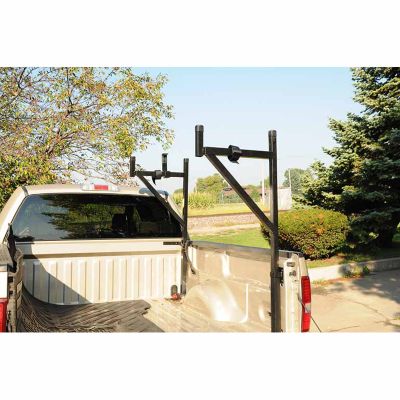
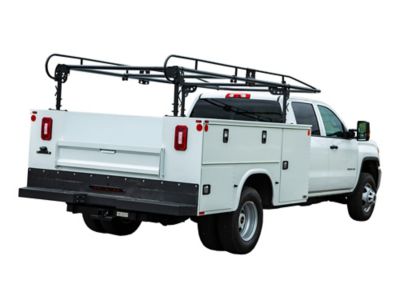
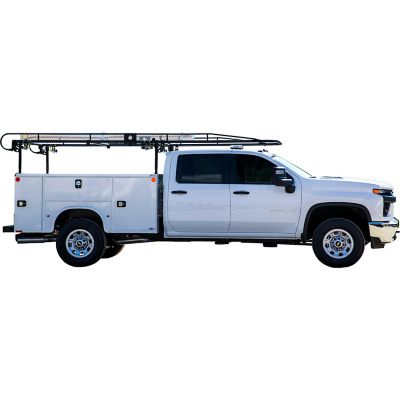
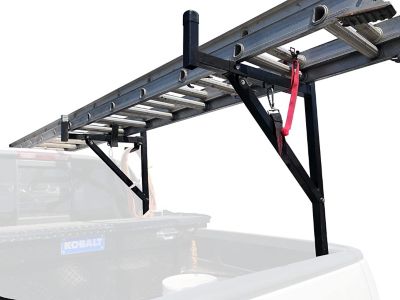
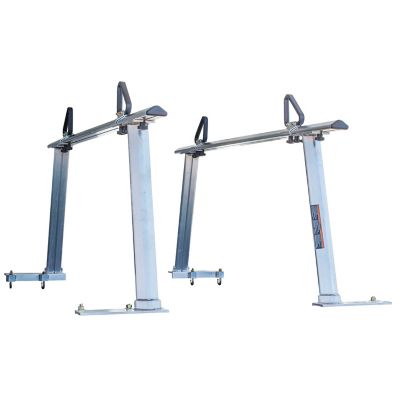
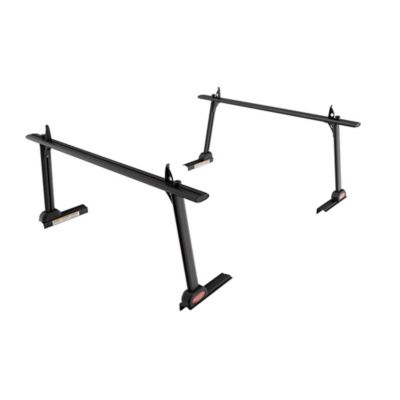
Black ladder racks add an overhead carrying space for ladders and other long loads, leaving more of the truck bed open for tools, supplies, and the gear that needs to stay within reach. They’re a practical fit for contractors moving between jobs, property owners hauling repair materials, and farm crews who need one pickup to handle several kinds of work. A ladder carried above the bed can leave room below for a toolbox, feed bags, or fencing supplies, provided everything stays within the truck’s load limits and has proper restraint. The black finish gives the rack a straightforward look that pairs with many bed rails, bumpers, and toolboxes, but construction matters more than color alone. Common material choices include steel and aluminum. Steel racks generally weigh more, with strength depending on the tubing, joints, mounting points, and overall design. Aluminum can reduce the weight added to the truck and won’t develop iron rust, though its finish, hardware, and connections still need attention. Options such as
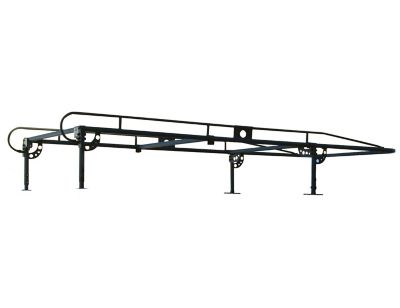
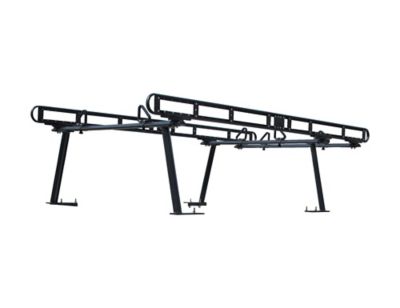
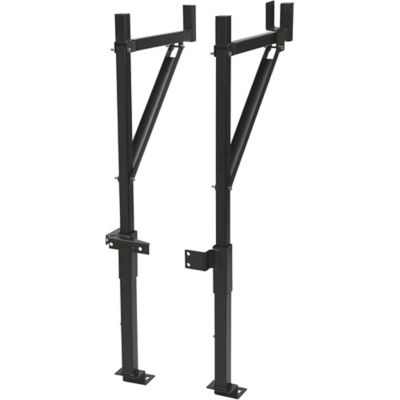
Aluminum Truck Racks offer another direction for shoppers balancing rack weight with carrying needs. Black powder-coated finishes can help protect the underlying metal, but coating coverage and resistance to scratches vary. Exposed edges, welds, and attachment points deserve a close look because those areas take contact from cargo and hardware. Rack layouts also differ. Separate front and rear uprights provide support at two points along the bed, while connected overhead designs may include side rails or additional crossbars. Some configurations extend over the cab, while others stay within the bed area. Removable crossbars can make room for taller cargo when the rack design allows it. For a crew hauling extension ladders all day, loading access and crossbar spacing may matter most. For a pickup that handles both chores and everyday driving, clearance, added weight, and access to the bed can carry just as much importance.
Fit involves more than matching a rack to a truck’s name. Bed length, bed-rail shape, mounting locations, and cab clearance all affect how a black truck ladder rack sits and what it can carry. A rack described as adjustable still has a defined width range, and a broad fit description does not mean it fits every pickup. Short beds and long beds can call for different support spacing, especially when a ladder reaches well beyond the rear crossbar. Enough clearance above the cab helps keep cargo from contacting the roof, but that clearance needs to account for the load itself rather than just the empty rack. Mounting styles may include clamps, stake-pocket attachments, or bolt-through connections, depending on the rack and vehicle. Clamp-on designs can avoid drilling in some applications, while other installations require permanent mounting holes and the specified reinforcing hardware. Neither approach replaces the need for a sound attachment surface and a vehicle-compatible setup. Bed liners, rail caps, and existing accessories can change that fit. A toolbox mounted across the front of the bed may compete with an upright, and a tonneau cover may need its own clearance along the rails. Compatibility depends on the exact combination, not simply whether the rack and cover both fit the truck separately. Tailgate operation, access to tie-down points, and room to reach tools also make a difference once the truck gets to work. On a farm pickup, a rack that carries a ladder well but blocks access to fencing tools can make a quick repair more awkward than it needs to be. Overall height matters, too. The rack and its load can affect entry into garages, equipment sheds, and covered work areas. Upright shape, crossbar width, and any over-cab section should suit those everyday spaces as well as the cargo.
Load ratings deserve the same attention as fit. A black ladder rack’s stated capacity applies under the conditions set by its manufacturer, which may distinguish between evenly distributed loads, concentrated loads, and travel over rough ground. Capacity may refer to the complete assembly rather than each crossbar, so the rating needs to match the way the rack will actually carry material. The truck has limits of its own: rack weight, cargo, passengers, tools, and other equipment all count toward applicable vehicle ratings. A high rack rating does not increase the pickup’s payload allowance. Long loads also need support in the right places. An extension ladder, a bundle of conduit, and several boards place different demands on crossbar spacing and restraint, even when their total weights are similar. Purpose-built stops, tie-down locations, and compatible padding can help manage contact and movement, but their suitability depends on the rack’s design. Cargo needs restraint against sliding, lifting, and shifting, with securement following the rack and load manufacturers’ directions. Rear overhang may also require flags or lights under state rules. For regular work, details such as accessible fasteners, replaceable hardware, and clear mounting instructions can make upkeep easier. Dirt trapped around brackets and abrasion beneath shifting cargo can wear through a black coating, leaving bare metal exposed. Cleaning away road grime and debris, checking for loose connections, and addressing finish damage with the recommended treatment help keep the assembly ready for the next load. Bent uprights, cracked welds, or damaged mounting surfaces call for attention before more cargo goes overhead. A rack that comes off between hauling jobs also needs storage that protects its finish and keeps matching hardware together. Whether the day involves a fence repair down the lane or a ladder headed to a job across town, the right setup comes down to suitable construction, a confirmed truck fit, proper load support, and room to keep working around the bed.