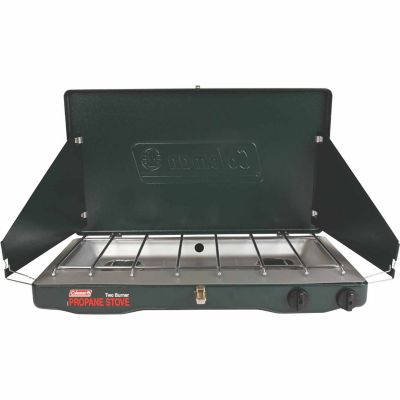
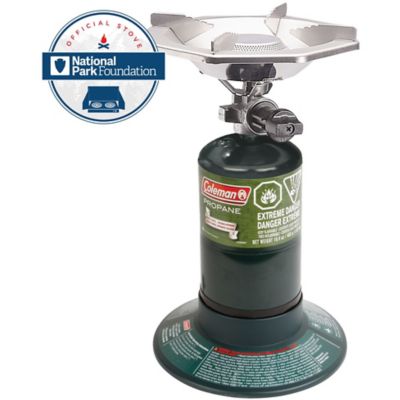
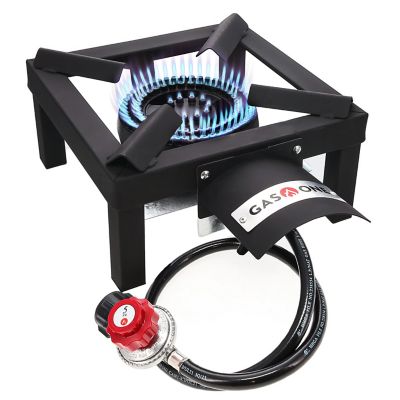
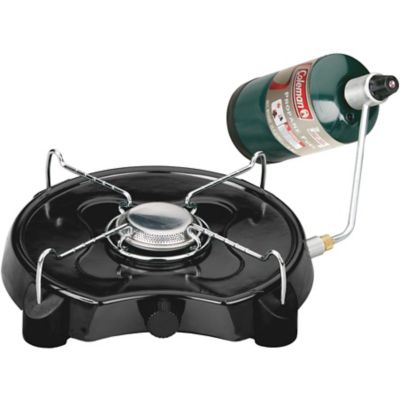
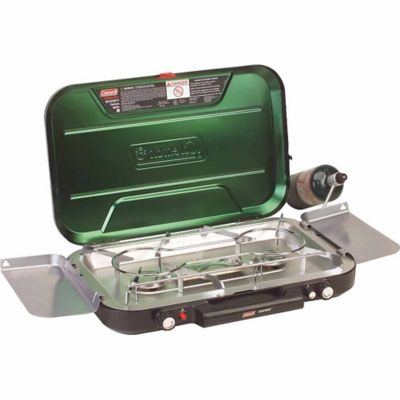
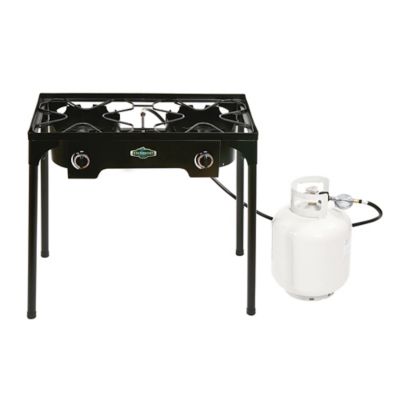
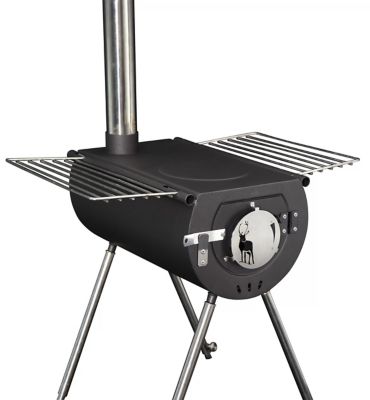
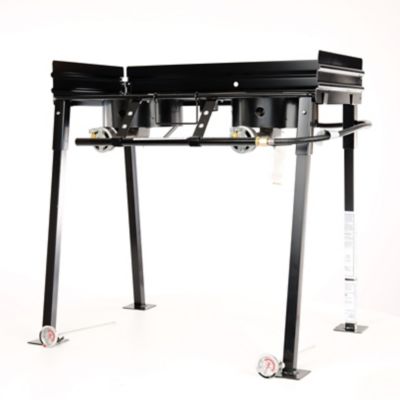
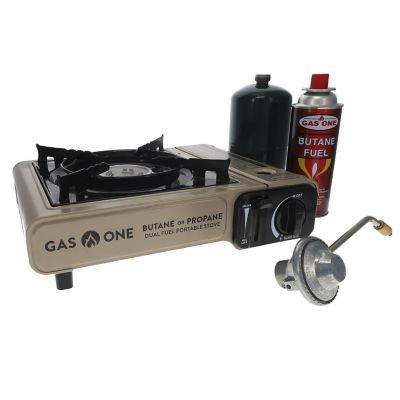
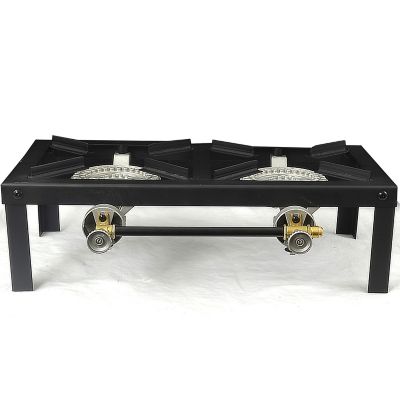
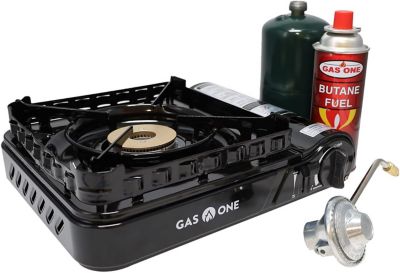
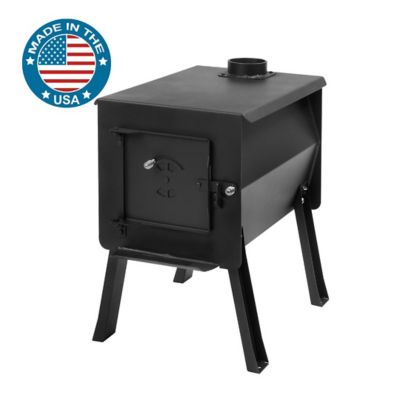
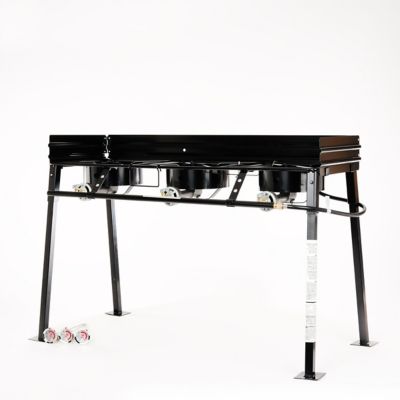
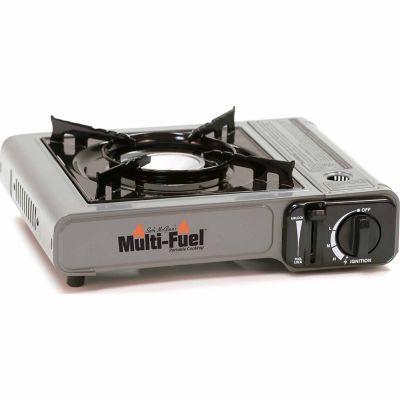
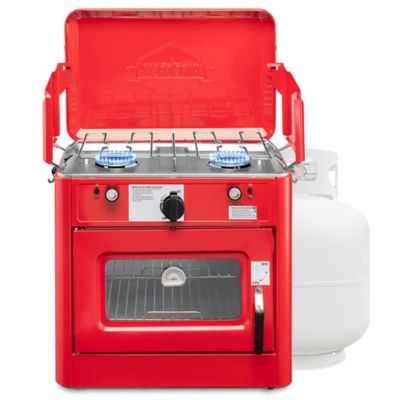
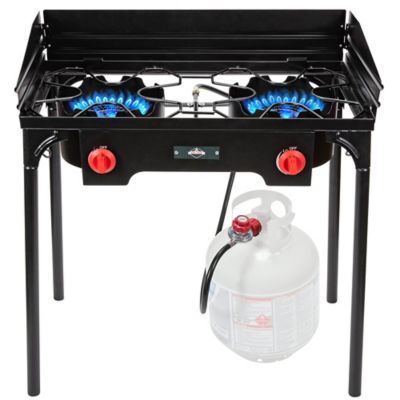
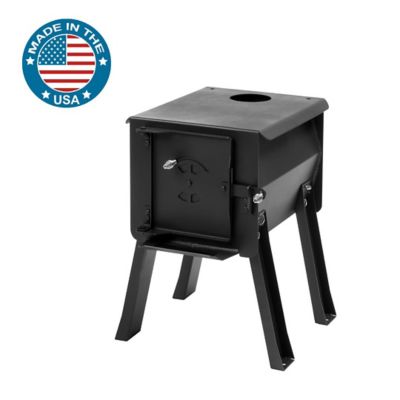
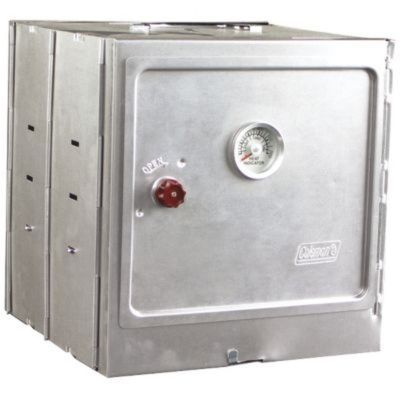
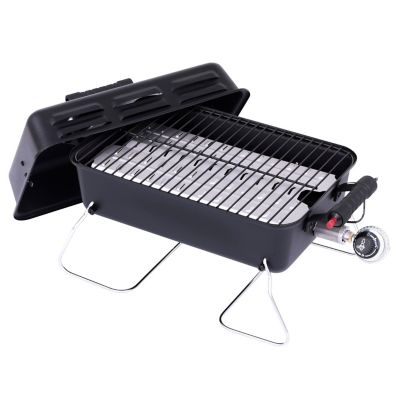
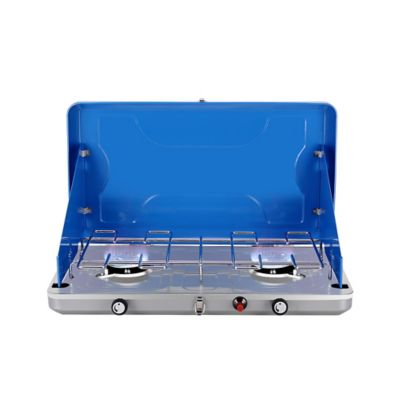
Camp stoves are portable cooking appliances built for outdoor meals, with burners that bring controlled heat to a campsite, tailgate, or other open-air setup. They give you a place to boil water, fry eggs, simmer beans, or put supper on the table without building a cooking fire. For a family staying near the truck, a tabletop stove can turn a suitable outdoor cooking surface into a handy meal station. A freestanding stove brings its own support, which helps when picnic tables are scarce or already covered with plates and supplies. Smaller single-burner designs suit simple meals and lighter packing, while two-burner and multi-burner layouts make room for more than one part of supper. Picture a pot of rice on one side and a skillet of sausage and peppers on the other, with separate controls to keep both moving at the right pace. The right fit depends on the meals, the number of people eating, and how far the stove has to travel from the vehicle. A stove that feels manageable at the tailgate can feel a lot different halfway down a trail. Packed dimensions matter just as much as cooking space when the truck bed also holds tackle boxes, chairs, and a cooler. Folding legs, carrying handles, removable components, and lids that latch shut can make loading and unloading less of a chore. For a smaller camp kitchen,
compact stoves offer a starting point for comparing space-saving formats. Overall footprint does not tell the whole story, though: the usable cooking area and spacing between burners determine whether your everyday skillet and coffee pot can sit together without crowding. Pot supports should match the cookware’s base, and any stated cookware size or weight limits deserve attention. Keeping the load within those limits helps the stove sit steady while a full pot comes to a boil.
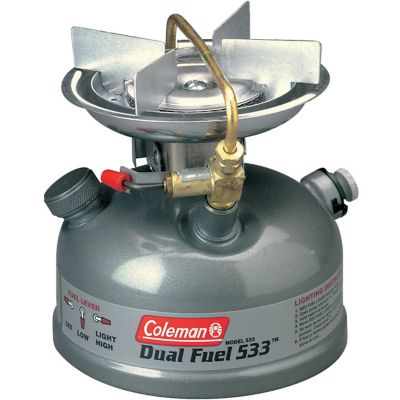
Fuel type shapes how a camp stove fits into the rest of your equipment. Propane camp stoves may connect to small cylinders or larger refillable tanks, depending on the design and the manufacturer-approved hose and regulator arrangement. Butane tabletop stoves often take cartridges that fit into a dedicated compartment, while many backpacking stoves run on threaded canisters containing an isobutane and propane blend. Those connections are not interchangeable just because the containers look similar. Dual-fuel stoves support more than one specified fuel, but the correct fittings and operating setup still depend on the individual stove. Fuel compatibility is worth settling before packing, especially when several people bring equipment to the same camp. A shared cooking station is simpler when everyone knows which fuel belongs with which appliance. Burner performance matters beyond the fuel connection, too. A higher BTU rating generally points to greater heating power, which can help with a large pot of water, but that number alone does not describe everyday cooking performance. Low-flame adjustment matters for oatmeal, gravy, and sauces that need steady heat rather than a hard boil. Separate burner controls let a skillet keep sizzling while another pot simmers, and generous control knobs can be easier to handle without reaching close to hot cookware. Push-button ignition adds convenience, although its operation and any backup lighting method should follow the stove’s instructions. Fuel consumption also belongs in the packing plan: running several burners at full output generally takes more fuel than heating a small kettle on one burner. The number of meals, cooking time, and size of the group all affect how much fuel a trip calls for. Side panels and lids may help define the cooking area, but they do not replace the required clearances around the appliance. Accessories such as griddles or oversized pans should only go on stoves approved for them, since cookware that spreads too far beyond a burner can direct heat toward controls or fuel components.
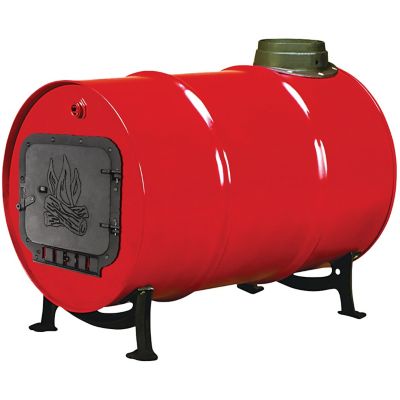
Construction makes a difference when a camp stove gets hauled between the shed, truck, and campsite. Steel bodies provide a solid housing, stainless steel cooking areas can simplify wiping up spills, and aluminum components can help keep carrying weight down. Cast-iron supports add heft and may need extra attention to prevent rust, while coated surfaces call for cleaning methods that protect their finish. Sturdy hinges, secure latches, firmly attached legs, and pot supports that stay seated all contribute to a setup that handles repeated trips. A level, stable, noncombustible surface is essential, whether the stove has its own legs or rests on a table approved for that purpose. Fuel-burning camp stoves belong outdoors, never inside a house, tent, camper, vehicle, or garage. Carbon monoxide can build up in enclosed spaces even with a door or window open, so a stove kept for meals during a power outage still needs a proper outdoor cooking location. Clear space around hot burners also keeps dish towels, packaging, and other combustible materials out of harm’s way. Children and pets need room away from the cooking station, especially when pot handles extend beyond the stove’s edge. After the meal, letting the stove cool completely makes cleanup and packing safer. Food splatter and grease should come off according to the care instructions, with removable grates cleaned separately when the design allows. Burner openings need to stay clear, and fuel connections deserve a check for damage before the next outing. Disconnecting and storing fuel as directed, then putting the clean, dry stove in a protected spot, helps keep it ready for another trip. For campers, anglers, hunters, and families who enjoy meals outdoors, a camp stove can also make a practical gift. Matching its size, fuel system, and cooking capacity to the recipient’s usual outings matters more than choosing the biggest cooking surface. A simple kettle-and-skillet setup has different needs from a camp kitchen feeding a whole crew.