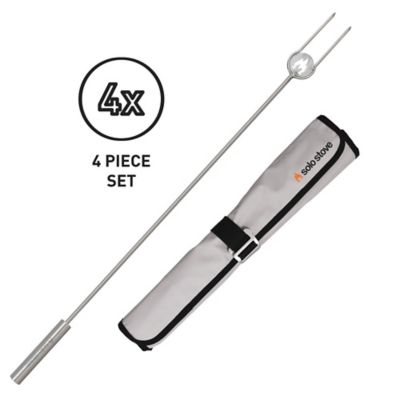
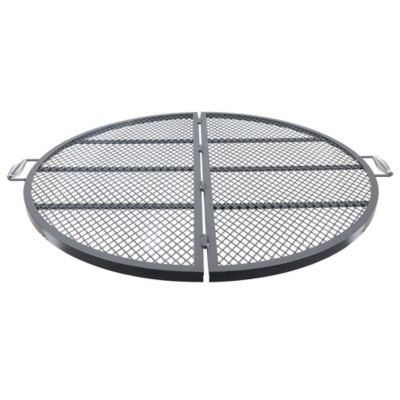
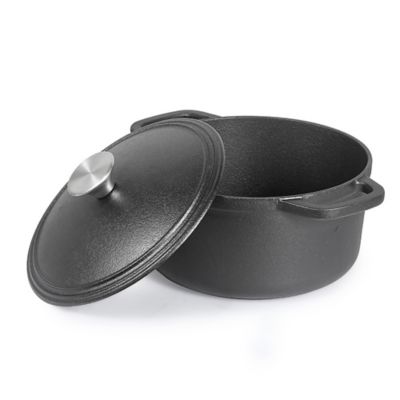
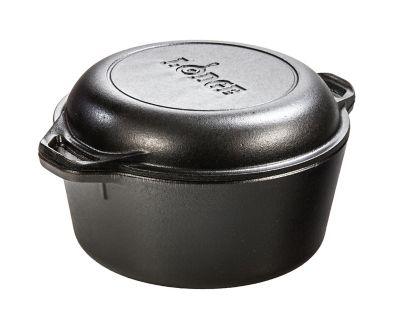
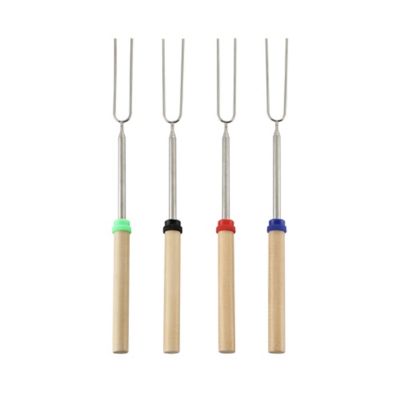
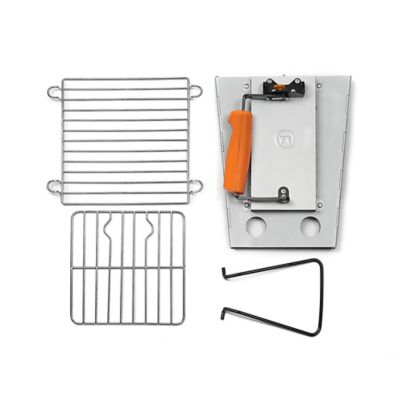
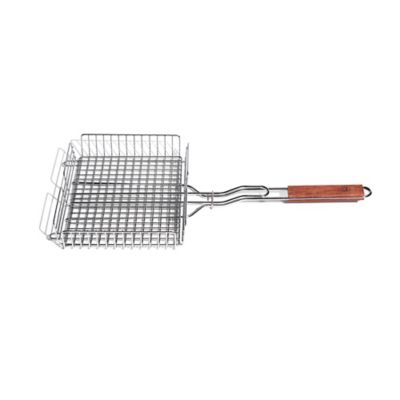
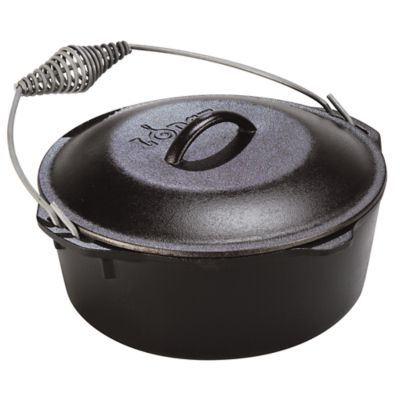
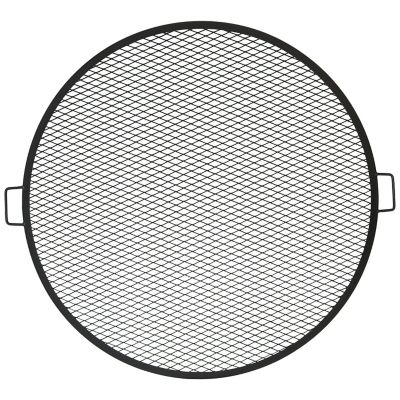
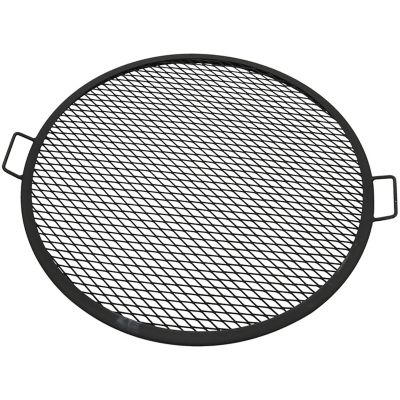
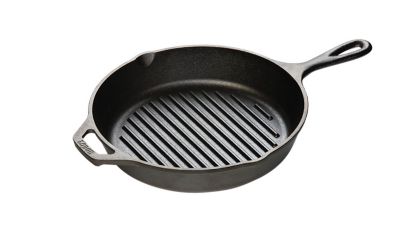
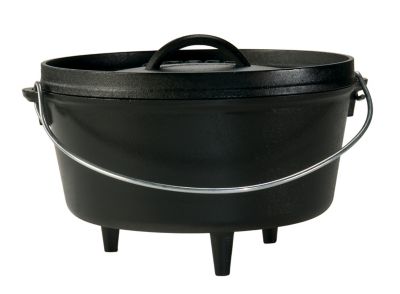
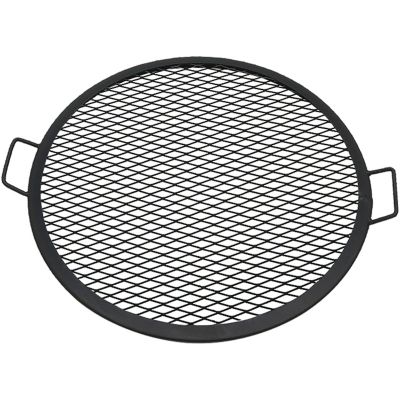
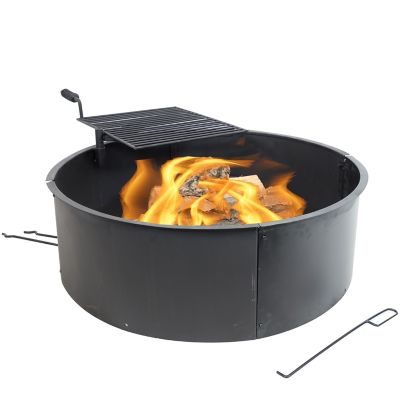
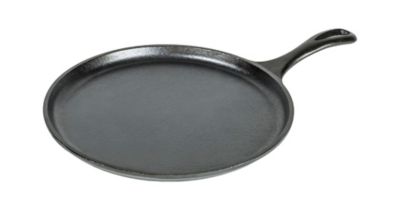
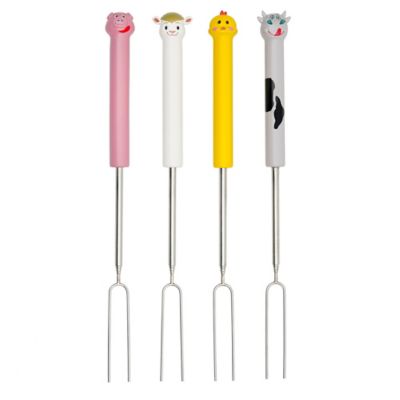
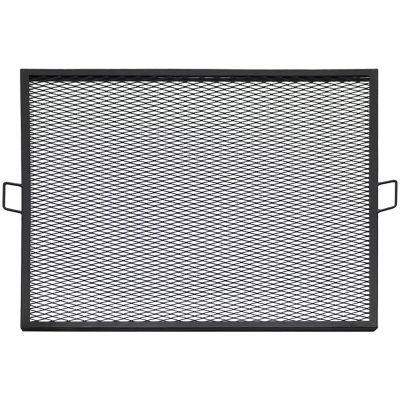
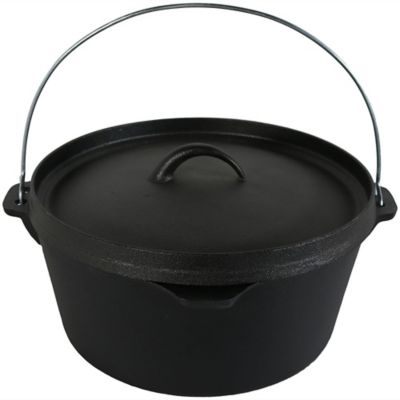
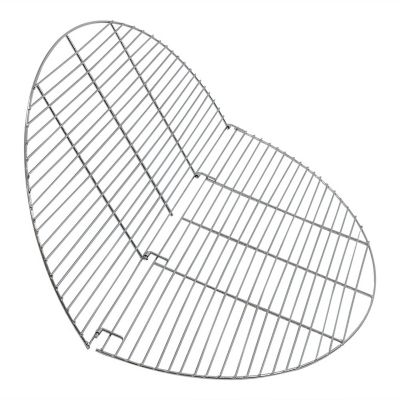
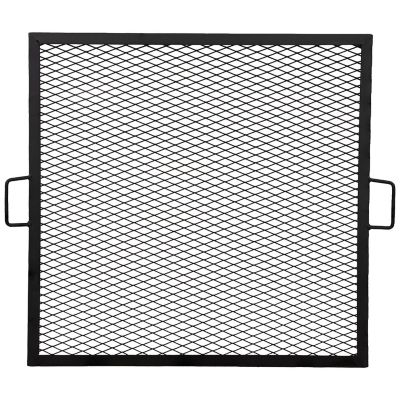
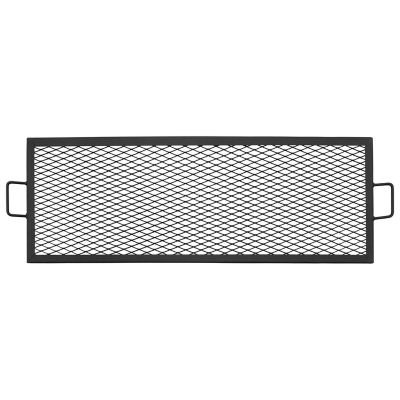
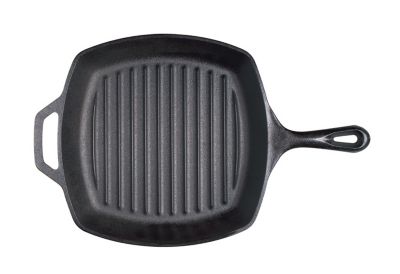
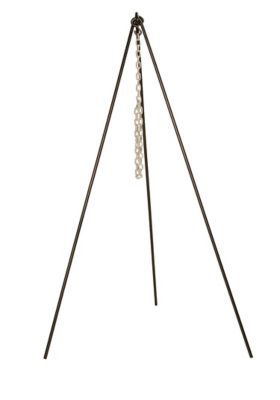
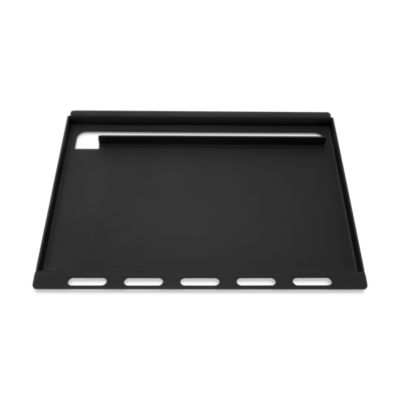
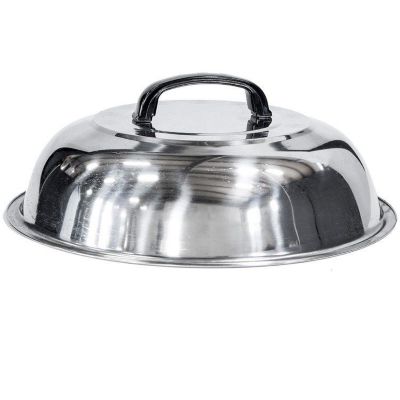
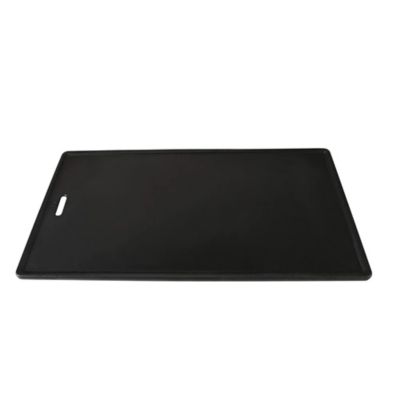
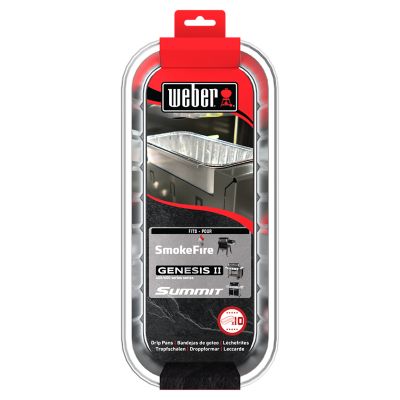
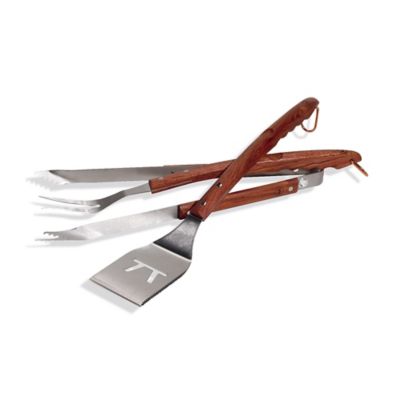
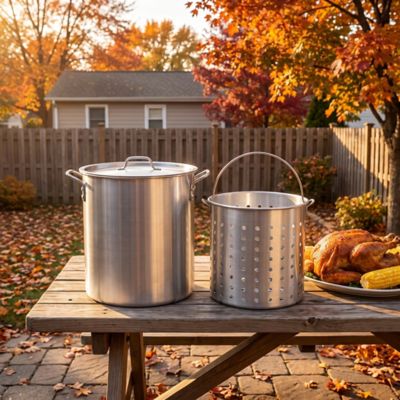
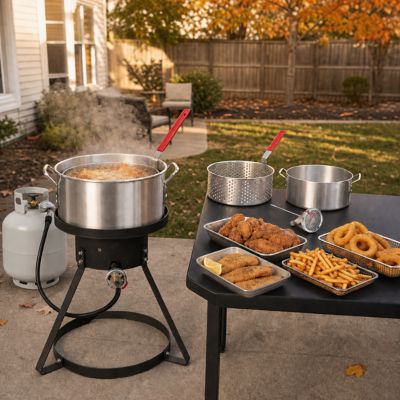
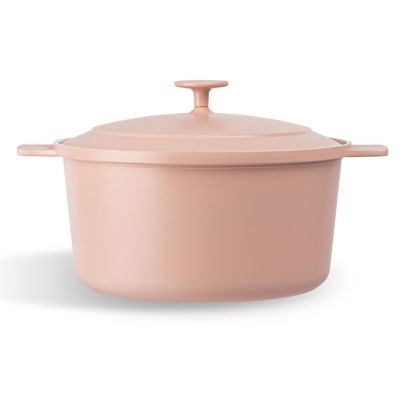
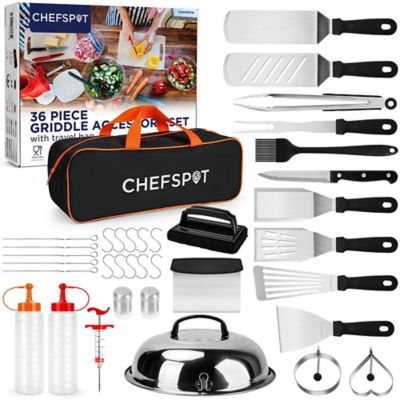
Campfire cooking accessories include cooking grates, cast iron cookware, long-handled utensils, and heat-resistant gloves for preparing meals over an open fire. Together, they give outdoor cooks a place to support food, manage cookware, and serve supper without crowding the fire ring. The right setup depends on whether the plan calls for breakfast beside a campsite, a pot of beans at the hunting camp, or burgers after a day of fishing. Cast iron holds heat well, making it a good match for searing, frying, and slow simmering, though its weight matters when gear has to travel farther than the truck tailgate. Stainless steel offers a different balance of weight, cleanup, and resistance to rust, while steel grates provide a straightforward cooking surface above the coals. Material alone does not tell the whole story: cookware, coatings, handles, and supports all need to be rated for the intended heat source. A pan meant for a camp stove is not automatically suited to sitting over a wood fire. Size and fit deserve just as much attention as material. A grate should span its supports securely, with enough cooking room for the cookware it will hold. Legs, folding joints, and hanging hardware need to support the full weight of a filled pot, not just an empty one. For a couple sharing coffee and breakfast, a compact setup can keep packing simple. Feeding a whole campsite calls for more cooking surface, larger vessels, and room to move one dish away from stronger heat while another finishes. Flat bottoms suit stable grates, while cookware with legs or hanging handles may need a different arrangement. Those details matter when supper includes several dishes instead of one pot. Accessories that work well together help keep the meal manageable, whether the menu is biscuits and sausage or a skillet full of fresh-caught fish.
Cooking over a fire puts special demands on the tools within reach. Long-handled tongs, turners, and serving spoons provide working distance from the heat, but length needs to come with enough control to turn food or lift a lid without an awkward reach. A comfortable grip matters when hands are occupied and the nearest clean place to set something down is several steps away. Handle attachments, hinge movement, and the weight of a tool can make a noticeable difference during a full meal. Heat-resistant gloves add protection when handling hot cookware, but their stated heat limits and contact-time limits still matter; they are not a substitute for keeping hands out of flames. Lid lifters and lifting hooks can help with cookware designed for them, especially when a heavy lid carries hot coals. A steady, heat-safe resting spot for lids and utensils keeps those pieces out of the dirt and away from passing feet. Adjustable cooking supports offer another practical advantage by changing the distance between food and the fire, provided their adjustment points remain secure under load. For families, keeping the cooking area separate from chairs, games, and the path through camp helps give the person tending supper room to work. Food preparation accessories have a place here, too. Separate surfaces and utensils for raw meat and ready-to-eat food help limit cross-contamination, while a food thermometer checks doneness without relying on browned edges or a smoky smell. Food-safe containers with secure lids help organize ingredients before cooking and leftovers afterward, with perishable food kept at safe storage temperatures. Campfire cooking still depends on an appropriate fire location and permission to burn, including any local restrictions. Accessories support the meal, but they do not take the place of a stable setup, clear space around the fire, or close attention while food is cooking.
Care and storage are part of choosing campfire cooking accessories, especially for gear that spends time riding in a truck bed or tucked into a camp box. Cast iron generally calls for thorough drying and attention to its seasoning, following the maker’s care directions. Stainless steel and other cooking surfaces have their own cleaning requirements, and not every finish belongs in a dishwasher or tolerates abrasive scrubbing. Soot on the outside of cookware can transfer to clothing, food containers, and the rest of a packed kit, so separate storage bags or cases can help contain the mess once everything is completely cool. Folding accessories save space, while removable parts can make packing easier if the pieces stay together. A compact kit is most helpful when its handles, supports, and utensils fit inside the storage space actually going to camp. For walk-in campsites, every extra pound matters; for vehicle camping or meals near the barn, a heavier cooking setup may be a fair trade for added capacity and steady heat. Surfaces that are easy to reach for cleaning, joints that can be checked before each trip, and replacement care supplies all deserve consideration alongside cooking performance. These accessories also make practical gifts for people who already enjoy time outdoors, from the family cook who handles breakfast at camp to the friend who always volunteers to tend the beans. A gift works best when it fits the recipient’s existing cookware, packing habits, and usual group size rather than adding another piece that needs its own storage solution. For a broader look at meal prep, cookware, and serving needs around camp,
Camping Cooking Essentials brings related considerations together. The most practical campfire cooking setup is not necessarily the biggest. It is a collection of compatible tools that suits the meals, the cook, and the space, leaving more attention for a well-browned breakfast, a shared supper, and the folks gathered around it.