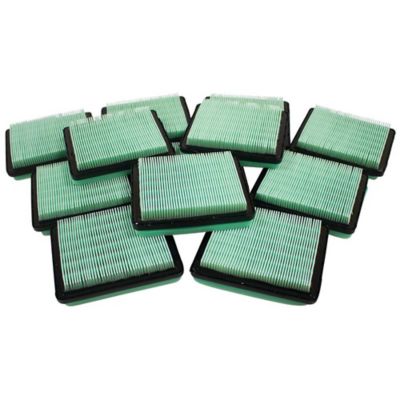
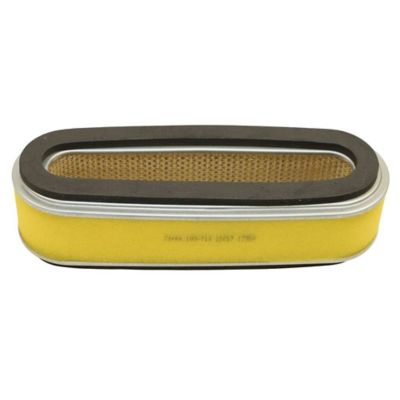
Replacement filters for wet/dry shop vacuums, cordless hand vacuums and small engines serve different jobs, so the right match starts with the machine rather than the filter’s appearance. For a shop vacuum, the main considerations are the model, the filter’s dimensions, its mounting arrangement and the material being collected. A pleated cartridge provides plenty of surface area within a compact space, with folds that capture debris as air passes through the media. General-purpose media may suit ordinary shop debris, while finer filtration calls for a filter rated for the particles involved and approved for the machine. Sawdust around a workbench, grit on a garage floor and dust inside a truck cab put different demands on cleanup equipment, so a familiar-looking cartridge is not enough to establish a match. Similar outside measurements can hide differences in the center opening, sealing edge or retaining hardware. Some filters attach with a threaded fastener, while others rely on a push-on connection, latch or clamp. Tank capacity can help narrow the search, but it does not replace the model information or the manufacturer’s compatibility listing. A snug seal matters because gaps can let debris bypass the media instead of moving through it. End caps, gaskets and supporting cages all play a part in keeping the filter seated during cleanup. For folks maintaining a garage, barn workshop or equipment shed, that fit is just as important as the type of debris the media can capture. Clear compatibility information helps separate a suitable replacement from a close visual match, especially when several machines share the same storage shelf. Having the equipment model number and original filter reference on hand takes some of the guesswork out of choosing a replacement without relying on shape or color alone.
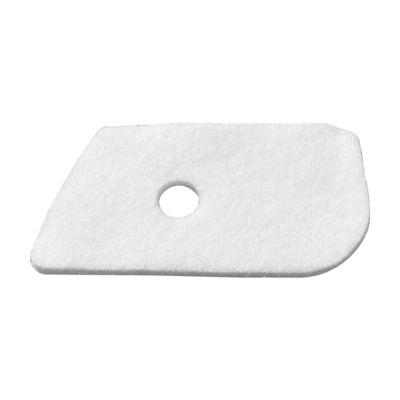
Filter materials also determine which cleanup jobs a vacuum can handle and how its filter should be maintained. Paper cartridges are generally intended for dry pickup unless the manufacturer states otherwise, while certain synthetic filters allow washing according to their care directions. Foam sleeves appear in some wet-pickup configurations, but the required setup varies by vacuum. A machine that handles both liquids and dry debris may call for a different filter arrangement for each task; a washable cartridge is not automatically suitable for collecting liquids. Those distinctions matter when the same shop vacuum moves from wood shavings beneath a bench to a spill on a concrete floor. Compact hand vacuums have their own filter shapes and seals, often within a smaller dust cup where accumulated debris can restrict airflow quickly. Some designs combine a screen or prefilter with finer media, allowing larger particles to collect before they reach the inner filter. Fine-particle and HEPA-rated filters deserve a close look at the stated application, since a filter rating alone does not make the entire vacuum a certified HEPA system. Hazardous dust requires equipment and collection methods rated for the material, not simply a finer replacement cartridge. For ordinary cleanup, the care instructions determine whether a filter can be rinsed, gently brushed or only replaced. Washable media needs to dry completely before going back into service, and a fixed drying time may not suit every filter or setting. Tears, separated end caps, misshapen seals and media that stays clogged after permitted cleaning are signs that replacement may be needed. Tapping, stiff brushing or compressed air can damage some media, even when the filter still looks intact afterward. Keeping a suitable spare on the shelf can make cleanup less of a stop-and-start chore while a washable filter dries, particularly for folks who regularly tidy a workbench, utility room or vehicle interior.
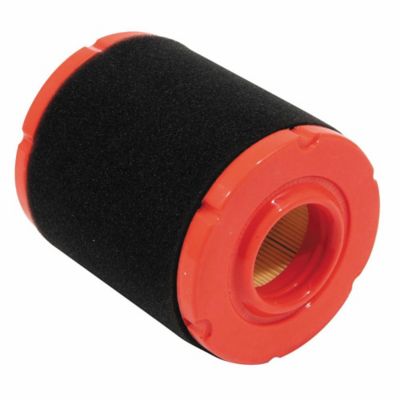
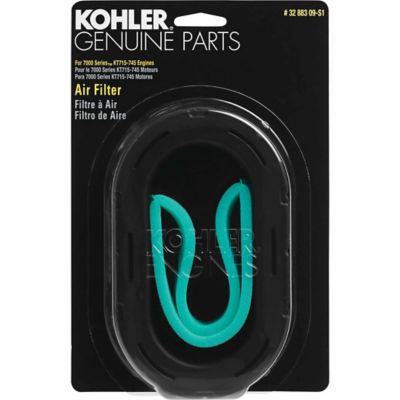
Small-engine air filters have a different role: helping keep airborne dirt out of the engine’s intake while allowing the airflow its design requires. Mowers and other outdoor power equipment may have pleated paper elements, foam elements or a paper filter paired with a foam precleaner. The engine model and filter housing are key to compatibility because equipment with a similar appearance can have different engines or intake assemblies. Length, width, height, gasket placement and the shape of the sealing surface all matter. A filter that sits loosely or prevents the cover from closing properly is not a suitable substitute, even if it nearly matches the old element. Paper media generally calls for replacement rather than washing, while some foam elements have cleaning and oiling requirements specified by the engine manufacturer. Those requirements should not be carried over from one filter style to another; adding oil to a dry paper element can restrict airflow. Around a gravel drive, a dusty equipment shed or a patch of bare ground, an engine filter may collect dirt faster than it would in a cleaner setting. Inspection and replacement intervals therefore depend on the equipment manual and operating conditions rather than one schedule for every machine. For property owners, grounds crews and anyone keeping several pieces of equipment running, matching each filter to its engine helps keep routine maintenance straightforward. A sound housing, a clean sealing surface and a correctly seated element work together to protect the intake path. That same attention to fit carries over to household filtration, although engine, vacuum and home systems each require their own designated filter types. For filtration needs elsewhere around the house,
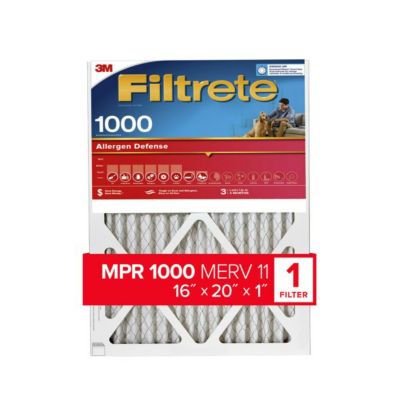
Home Filters offers a separate place to explore those applications. Whether the job involves shop cleanup or equipment upkeep, the best starting points remain the machine’s identification, the filter’s intended purpose and the care directions for its particular media. Those details matter more than a similar shape on the shelf.