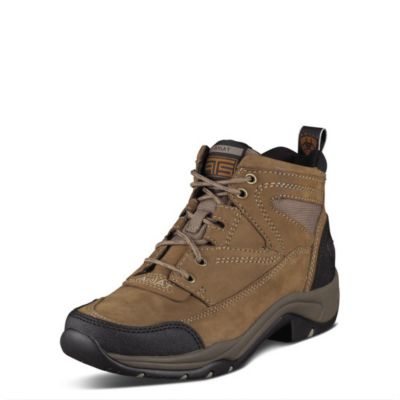
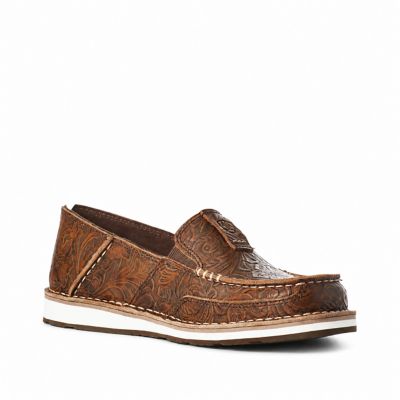
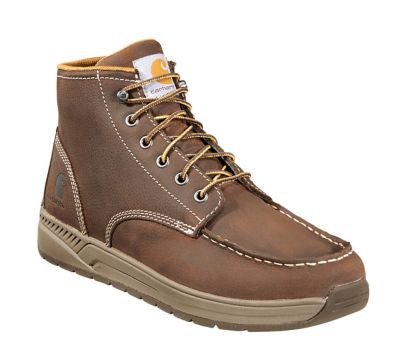
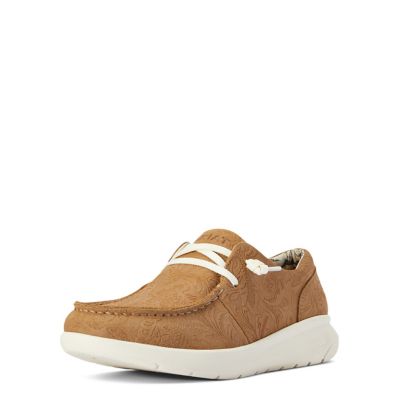
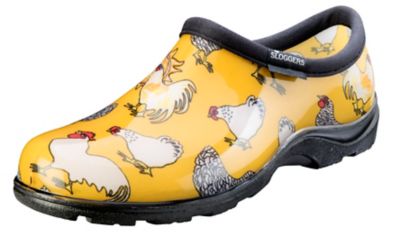
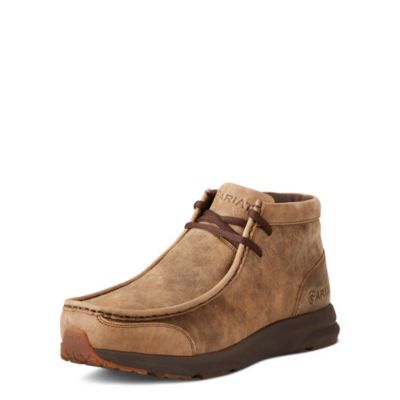
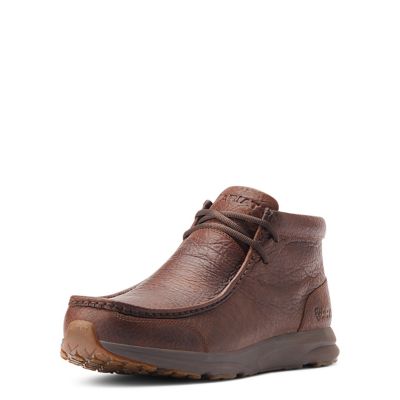
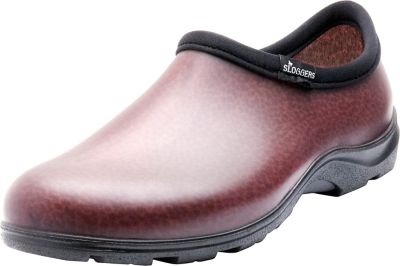
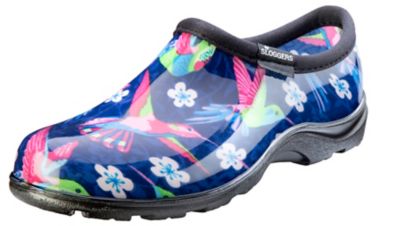
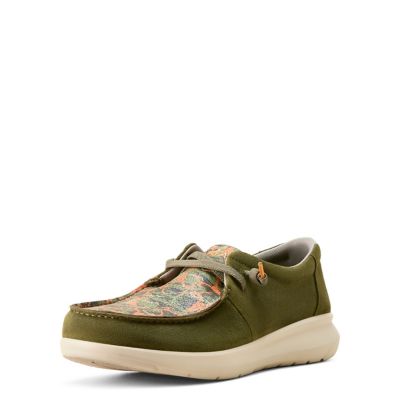
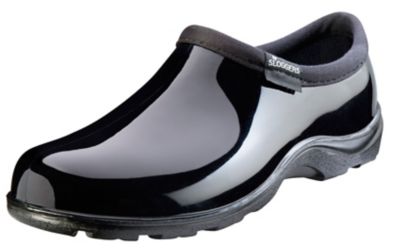
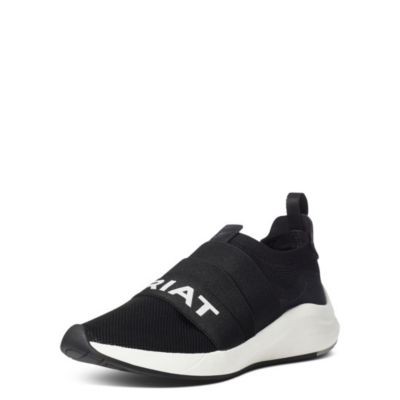
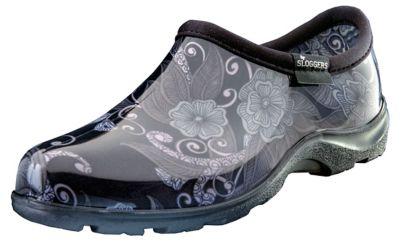
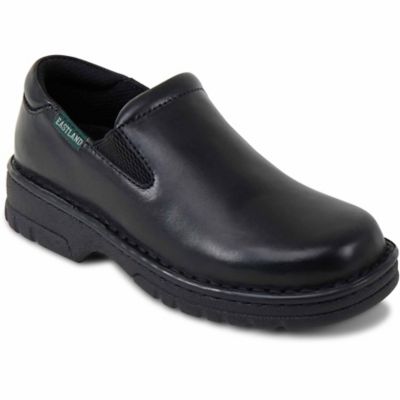
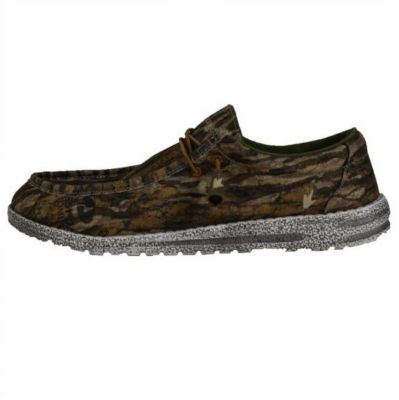
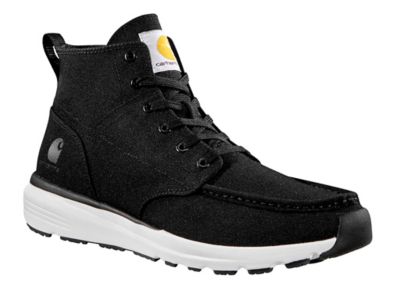
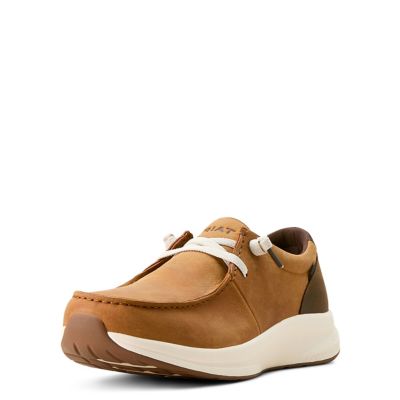
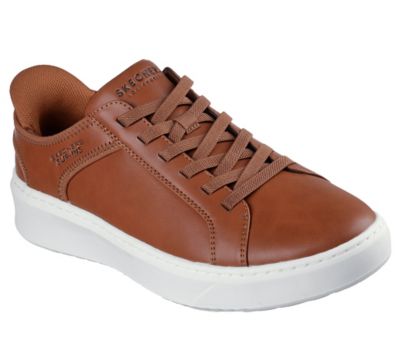
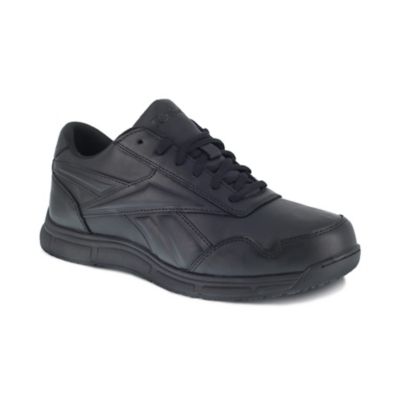
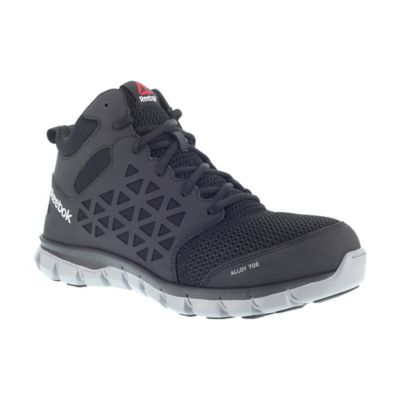
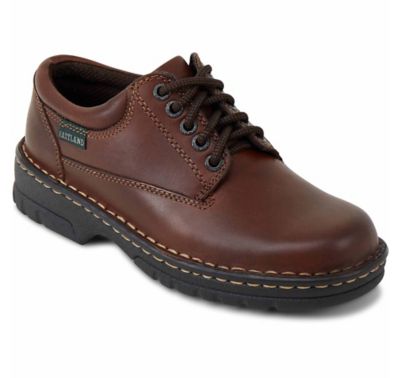
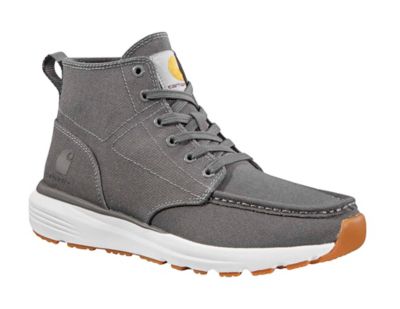
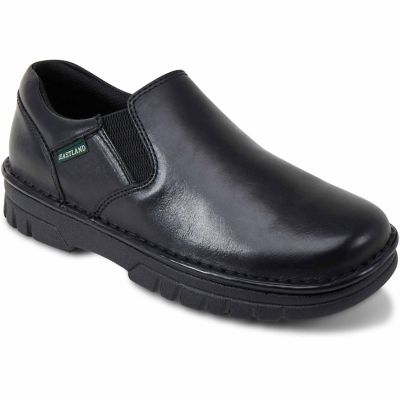
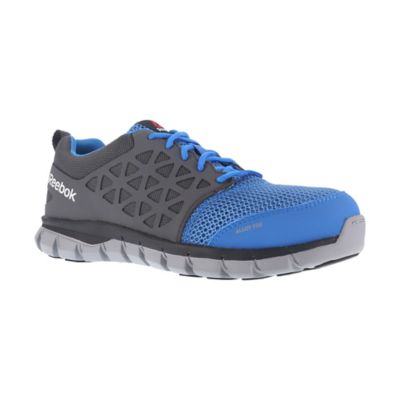
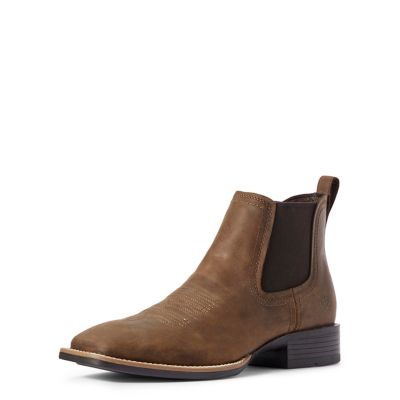
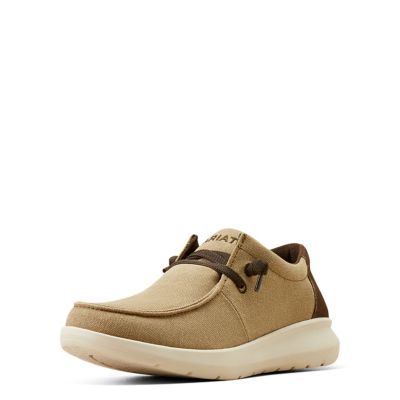
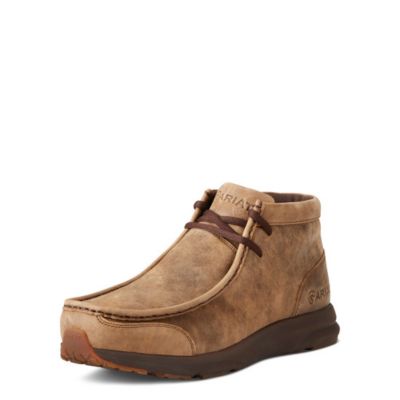
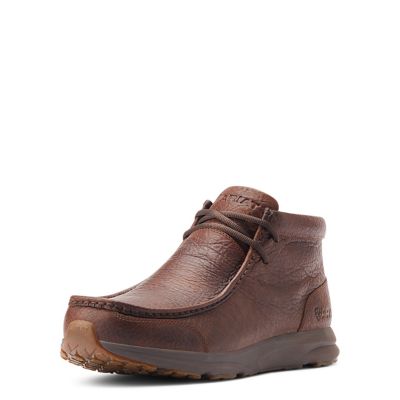
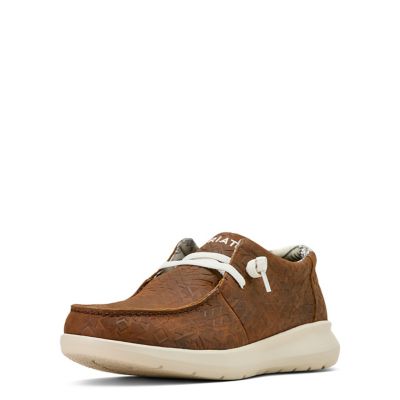
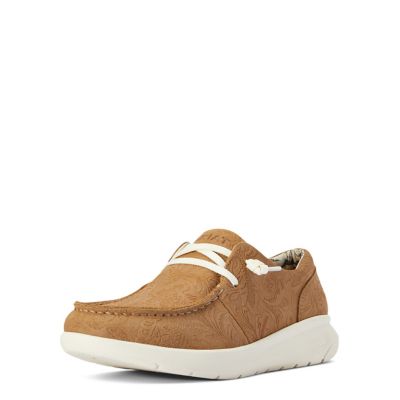
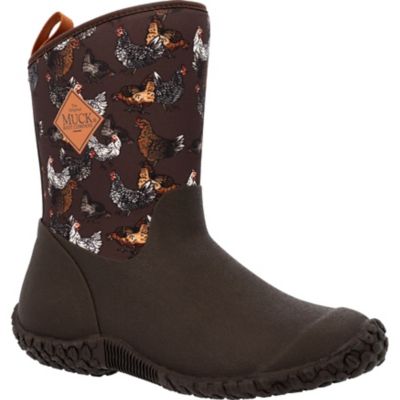
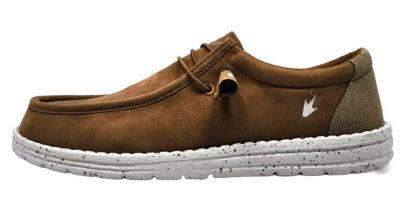
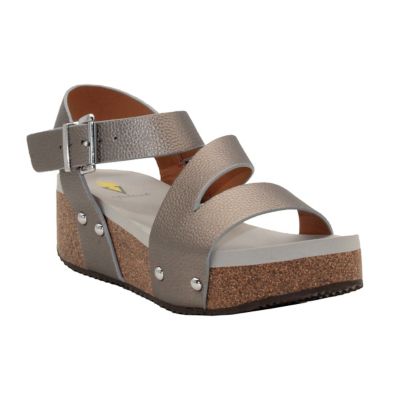
Comfortable shoes for spring bring together breathable materials, a secure fit, and cushioning that suits the way you spend the day. For walking around town, heading to a school ballgame, or getting a few light chores done before lunch, comfort comes from more than a soft first step. A shoe needs enough room through the toes, a heel that stays put, and a sole that feels steady on the surfaces underfoot. Mesh walking shoes let air move around the foot and tend to feel light, making them a practical match for dry days and stretches of pavement. Knit uppers offer some give across the top of the foot, though their flexibility varies with the weave and lining. Canvas has an easygoing look that pairs with jeans or casual pants, while leather brings more structure and can soften with regular wear. Suede has a soft finish but takes more attention around puddles and muddy ground. Breathability and weather protection are different things: an airy fabric upper may dry readily without keeping water out, and a waterproof construction may feel warmer than an unlined shoe. Comfortable spring footwear can also include flats, slip-ons, and sandals for lighter outings. Flats with a cushioned footbed and a secure topline offer a less sporty look without requiring a heel, while adjustable sandals give feet more airflow as the weather warms. Open backs and loose straps can mean extra effort to keep a shoe in place, so easy on-and-off access does not always translate to comfort over a long walk. The best match depends on the day ahead, whether that means standing beside the bleachers, walking a gravel lane to the mailbox, or spending an afternoon on your feet at a community gathering. Shoes that feel right for a short trip into town may not provide enough support for hours on concrete, and an open sandal belongs in a different setting than footwear for chores around equipment or livestock.
Fit matters just as much as the material, especially when comfortable walking shoes need to carry you from one stop to the next. Feet can swell over the course of a day, so a comfortable fit leaves room for that change without allowing the foot to slide around. A little space ahead of the longest toe helps prevent crowding when walking downhill, while adequate width lets the forefoot spread naturally with each step. Wide widths and deeper toe boxes can make a difference for feet that feel squeezed in a standard shape; simply moving up a length can leave too much movement at the heel. Socks also change the feel of a shoe. A pair that fits well with thin socks may become snug with a thicker pair during cooler mornings. Lace-up closures let the fit change across the instep, and adjustable straps can help hold the foot securely without pressing into one spot. Slip-on shoes offer convenience for a quick trip outside or a drive into town, but the heel should not lift excessively with every step. Underfoot, cushioning softens the feel of repeated contact with hard ground, while a shaped footbed offers a different kind of support by following the contours of the foot. The thickest or softest sole is not automatically the most comfortable; some folks prefer a firmer, steadier feel for long periods of standing. Removable insoles can provide space for a separate insert, as long as the shoe still has enough depth and holds the heel properly afterward. For someone who wears a prescribed orthotic, the fit needs to accommodate that insert rather than stack it on top of another footbed. Seams, lining edges, and collar padding deserve attention, too. A rough spot that seems minor indoors can become bothersome halfway through an outing. Leather may relax with wear, but shoes should not need a painful break-in period to make their length or width tolerable.
Outsoles and construction help determine where spring shoes feel at home and how well they hold up to everyday wear. A flexible forefoot allows the shoe to bend with the foot during walking, while a stable base helps keep each step from feeling wobbly. Rubber outsoles often provide a practical balance of grip and resistance to abrasion, though traction depends on the tread, the compound, and the ground beneath it. Shallow tread may suit sidewalks and indoor floors, while a more pronounced pattern can be helpful on loose paths. No sole makes wet grass, slick porch boards, or muddy slopes risk-free. For damp ground, taller coverage, or outings that call for something beyond a low-cut shoe,
Boots For Spring offers a related footwear category to consider. Casual shoes are not a substitute for footwear with the protective features a particular job requires, including safety toes or other workplace requirements. For ordinary wear, reinforced areas around the toe and heel can help with repeated scuffs, and sound stitching helps keep the upper together through regular bending. Care makes a difference in how shoes look and feel over time. Loose dirt is easier to brush away before it works into fabric or seams, and a damp cloth can handle many small marks when the material allows it. Cleaning directions vary, so machine washing is not a safe assumption for every fabric shoe. Leather generally benefits from a suitable cleaner and conditioner, while suede needs tools and treatments intended for its surface. Wet footwear should air-dry away from a heater or other direct heat that can affect adhesives and stiffen materials. Giving shoes time to dry between outings also helps manage moisture inside. Comfortable shoes can make a thoughtful gift for someone who enjoys daily walks, casual get-togethers, or time out in the yard, especially when their size, width, and preferred style are known. The most welcome pair is one that fits their routine: easy to wear, suited to the ground they cover, and comfortable well beyond the walk to the truck.