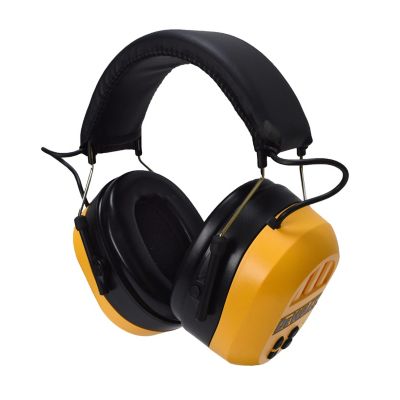
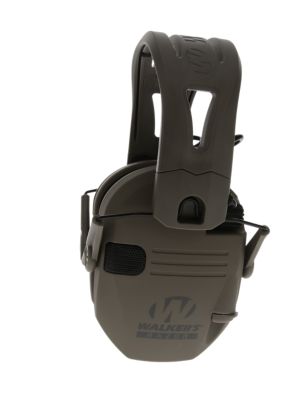
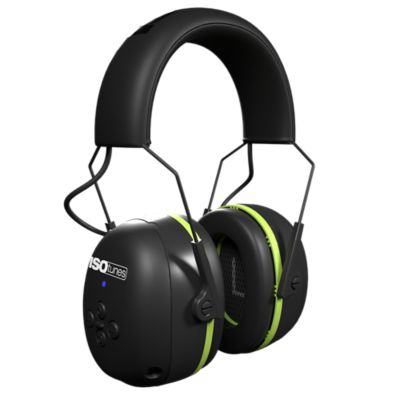
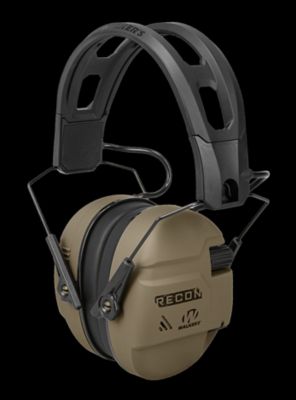
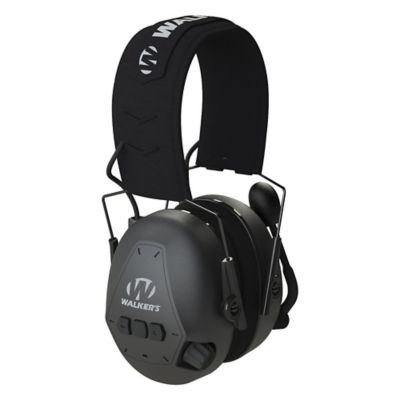
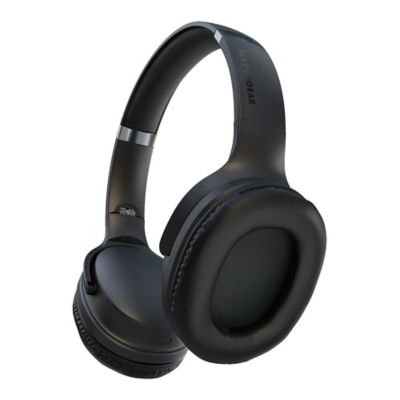
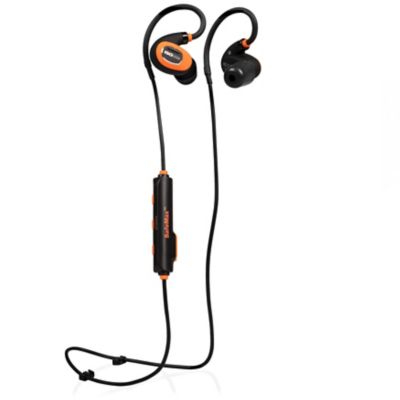
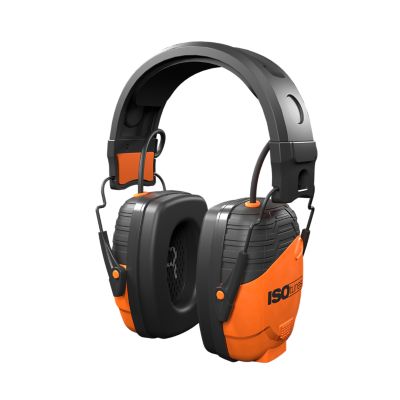
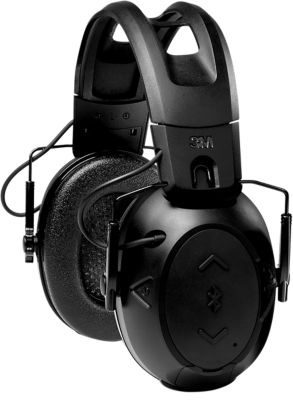
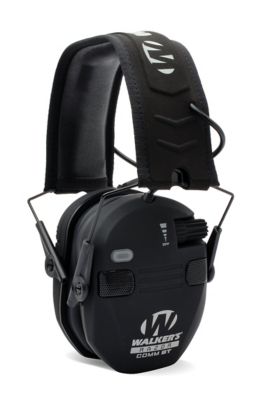
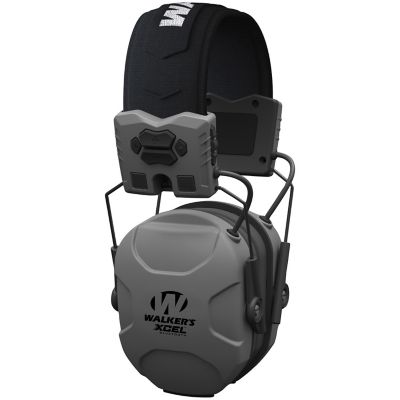
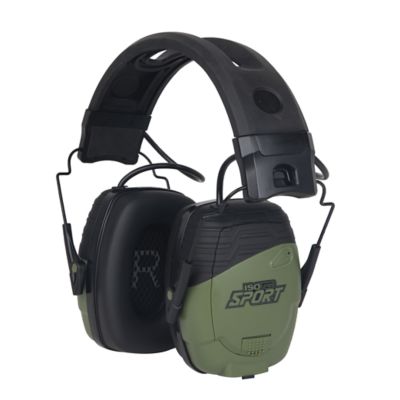
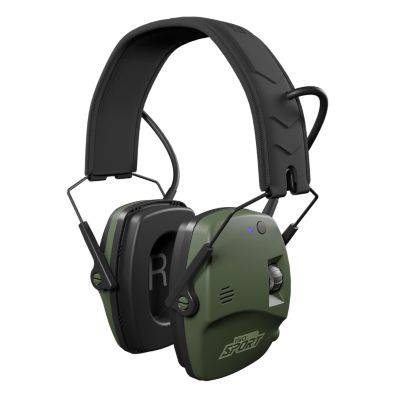
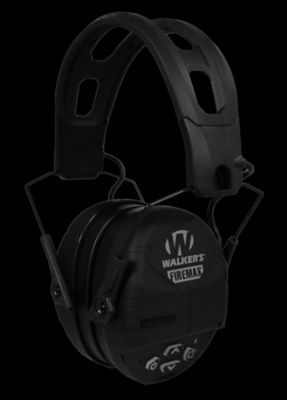
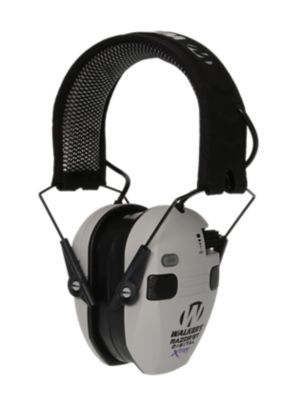
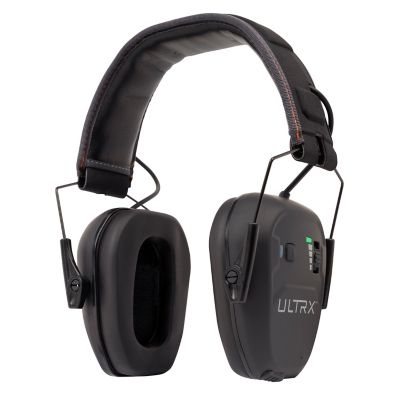
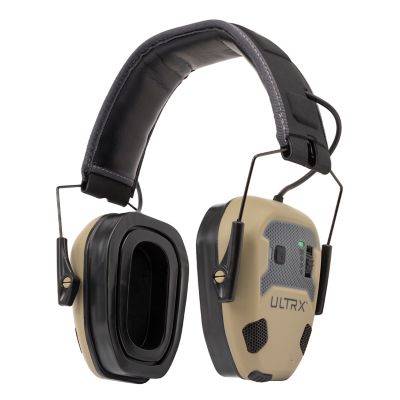
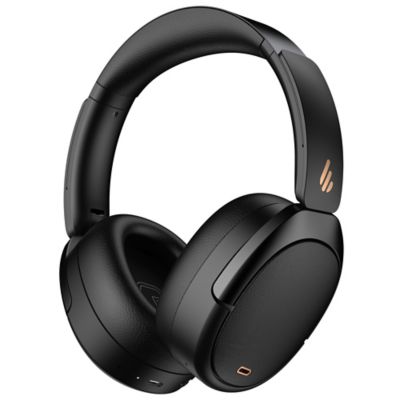
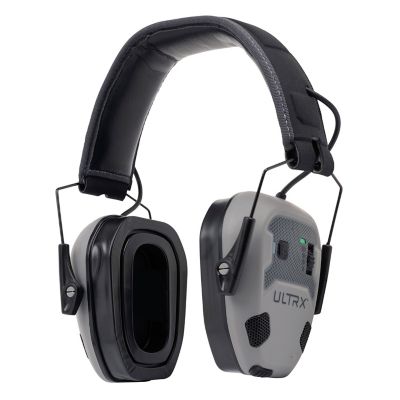
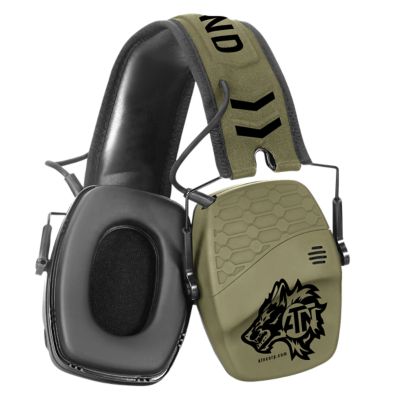
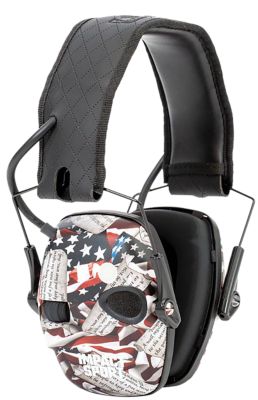
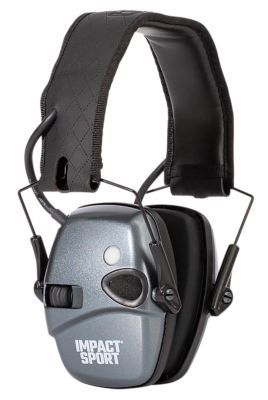
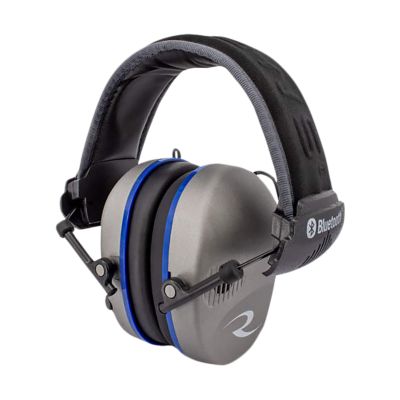
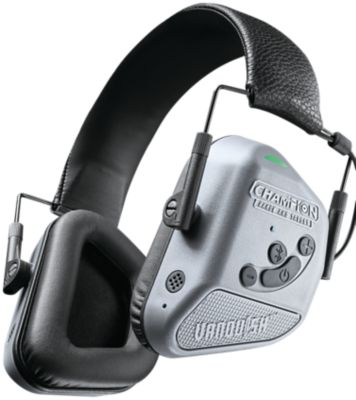
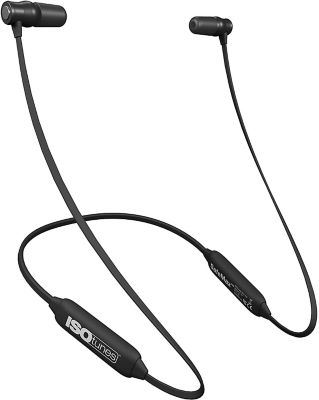
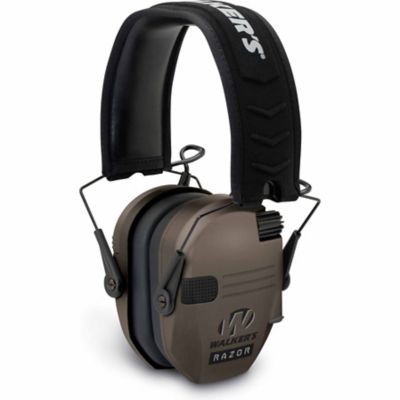
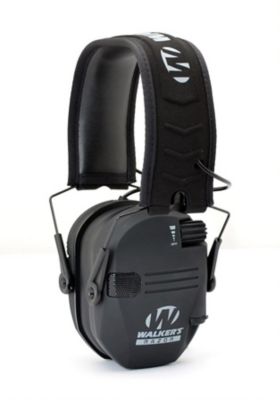
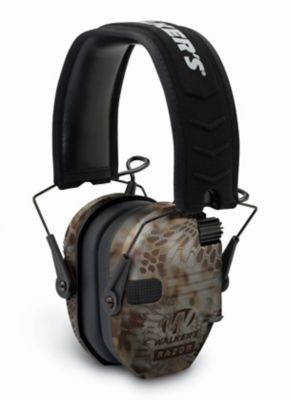
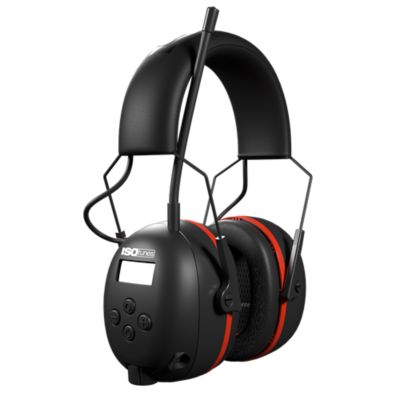
Bluetooth noise-canceling earmuffs combine hearing protection with wireless audio, letting you listen to music, podcasts, or other audio while tackling noisy chores. The hearing protection generally comes from insulated ear cups and cushions that form a seal around each ear, while Bluetooth connects the earmuffs to a compatible phone or other device. That combination can be handy around a riding mower, in a woodworking shop, or beside equipment that keeps up a steady racket. Some models also support phone calls or electronic listening features, but those functions vary and are separate from the earmuffs’ noise-blocking performance. The distinction between passive noise reduction and active noise cancellation matters here. Passive protection physically reduces sound reaching the ears; active noise cancellation electronically counters certain sounds and, by itself, does not establish that a headset provides protection against hazardous noise. For hearing protection earmuffs, the Noise Reduction Rating, or NRR, is an important specification. It appears in decibels and reflects performance under laboratory test conditions. Ratings in roughly the 22–30 dB range are common in this category, although each model has its own rating. A larger number indicates greater reduction under those test conditions, not a promise that the same amount can simply be subtracted from every real-world noise level. Fit, the type of sound, and how consistently the earmuffs stay in place all affect protection. A mower running for several hours presents a different exposure pattern from a few short cuts with a saw, and sharp impulse sounds require protection appropriate to that application. Bluetooth capability alone does not make earmuffs suitable for shooting or every industrial task. Bluetooth features are only one part of
Hearing Protection for Workers; the protection rating, fit, and workplace requirements still come first. Where noise is especially intense, a workplace hearing conservation program or qualified safety professional may call for earplugs together with earmuffs.
Comfort matters when the job lasts longer than a quick pass down the driveway. Bluetooth hearing protection earmuffs typically have rigid outer cups, sound-absorbing material inside, cushioned ear seals, and an adjustable headband. Headbands may incorporate metal or molded components, with padding to spread pressure across the top of the head. Foam-filled and gel-filled cushions offer different feels, but either type needs to make full contact around the ears. A soft cushion can feel good without providing the right seal if it sits on a hat edge, a thick glasses temple, or a strand of hair. Folks who wear safety glasses should pay particular attention to how the glasses and ear cups fit together, since even a small gap can reduce protection. Cup depth also matters: ears should sit inside the openings rather than fold against the inner surface. Headband adjustment, cup shape, and overall weight affect whether the earmuffs stay settled while bending over a workbench or looking down at a mower deck. Helmet-mounted styles need compatibility with the specific hard hat and attachment system, rather than an assumption that any pair will fit. Controls deserve a look, too. Clearly separated buttons can be easier to operate with work gloves, and a simple layout helps keep attention on the task instead of a phone screen. Built-in microphones may support calls, but machinery can still interfere with speech, so call performance depends on the surroundings as well as the headset. Some electronic earmuffs pass through or amplify quieter nearby sounds while limiting louder input. That feature is different from ordinary Bluetooth playback and does not guarantee that every warning, vehicle, or spoken instruction will come through. Around moving equipment, awareness and established worksite signals remain essential. Streamed audio adds to the sound reaching the ears, so a volume-limiting feature is worth considering, though it does not make every listening level or exposure duration safe. Keeping playback low and pausing for communication helps keep entertainment from taking over the job.
Battery setup and everyday care make a difference in how Bluetooth earmuffs fit into a routine. Rechargeable designs can suit someone who keeps a charging spot near the workbench, while models that accept replaceable batteries offer another approach for longer stretches away from an outlet. Stated battery life depends on the model and operating conditions, including playback volume, calls, and electronic listening functions. A low-battery alert, accessible charging port, and clear power indicator can help prevent a dead headset halfway through a task. Bluetooth range also varies with obstacles and the connected device; a phone left inside a metal-sided building may not maintain the same connection as one carried nearby. For equipment work, any charging cord or optional audio cable belongs out of the path of belts, blades, and other moving parts. Long-term wear is another consideration. Earmuffs that spend time on a tractor seat, shop shelf, or truck floor can collect grit on the cushions and take knocks to the cups and headband. Resistance to dust or splashes should come from the stated product specifications, not from a rugged appearance. Regularly wiping the ear seals with a manufacturer-approved cleaning method, checking for cracks, and inspecting the headband help keep the fit in good shape. Electronics generally need protection from soaking, and cleaning instructions may differ between the cushions and the outer cups. Replacement cushions or hygiene kits, when supported by the design, can help maintain a snug seal as contact surfaces wear. Storage in a clean case or designated spot keeps sharp tools and loose hardware away from the ear cups. For someone who spends plenty of time mowing acreage, sanding boards, or working around equipment, Bluetooth earmuffs can make a practical gift with a clear purpose. The best match comes down to the recipient’s tasks, head fit, other safety gear, and preferred battery arrangement—not just the audio features. Properly selected hearing protection brings the focus back to getting the work done while taking care of the ears that need to hear tomorrow’s chores, too.