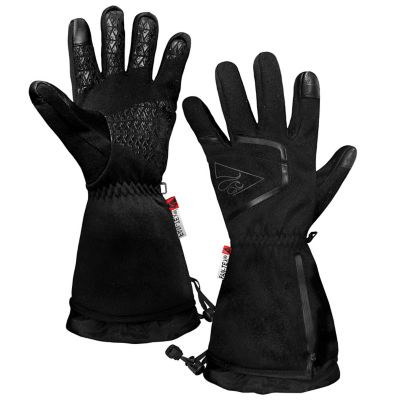
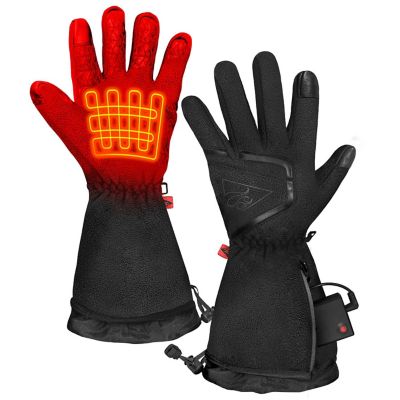
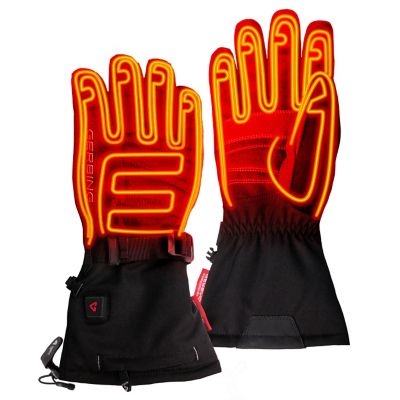
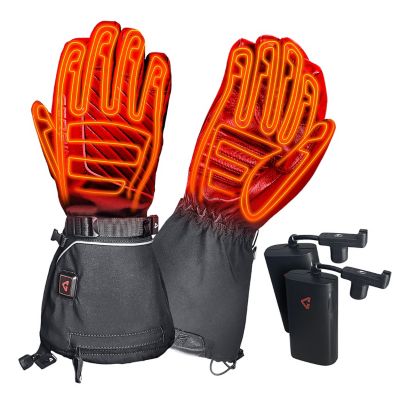
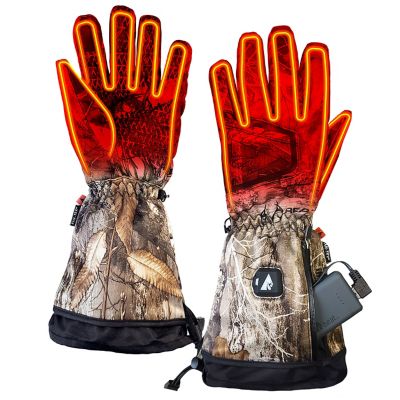
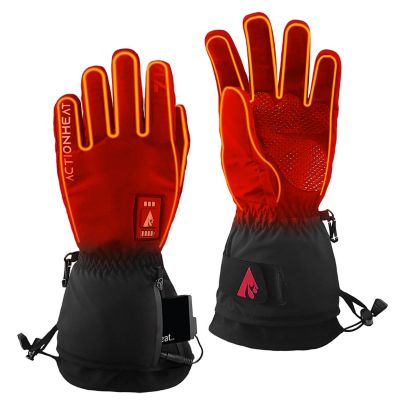
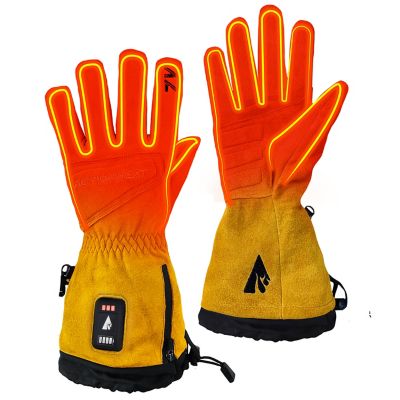
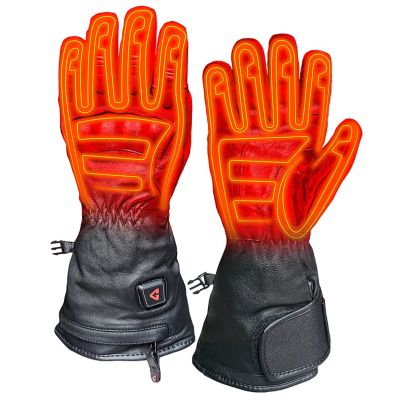
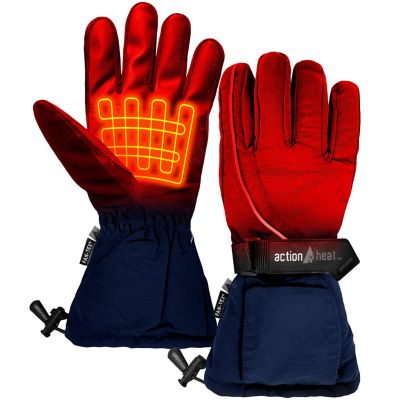
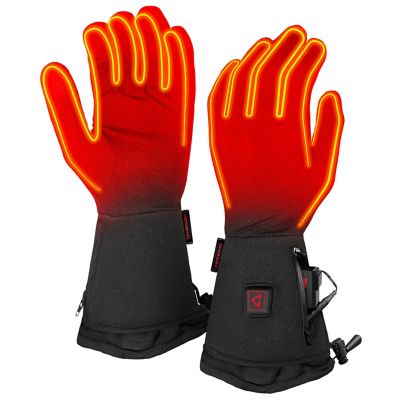
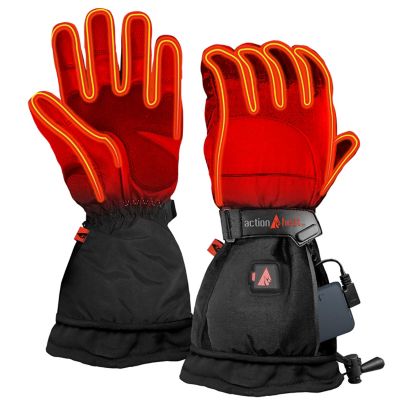
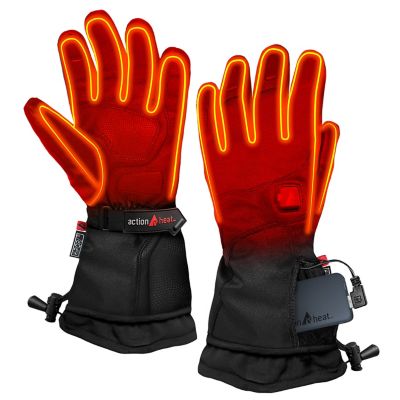
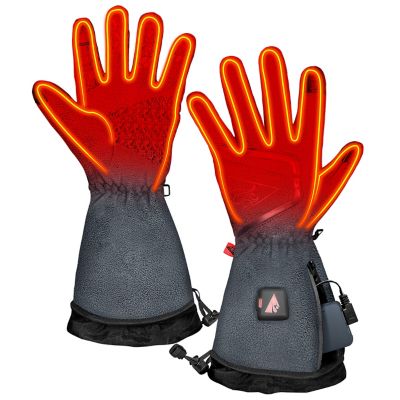
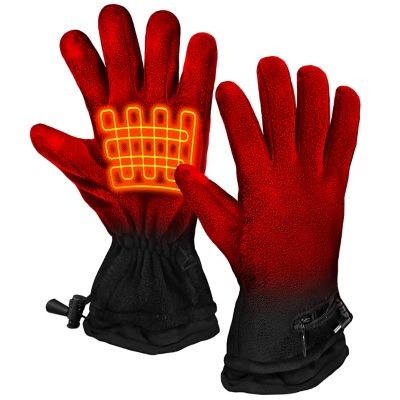
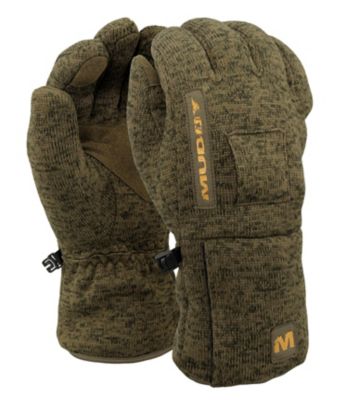
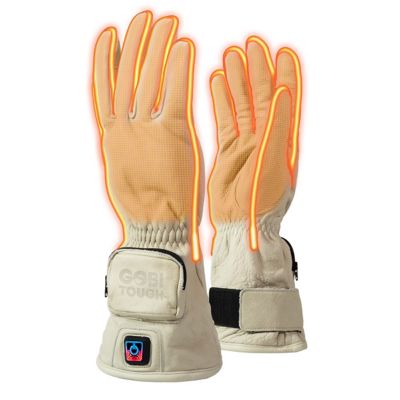
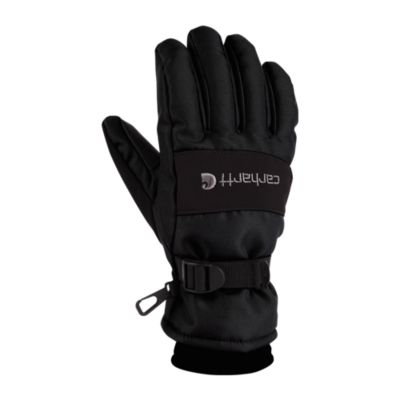
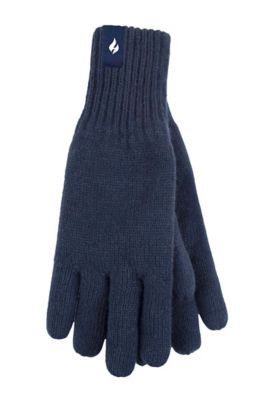
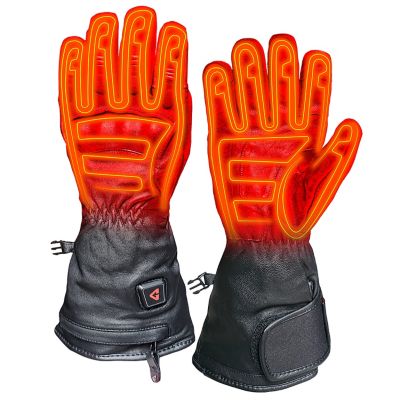
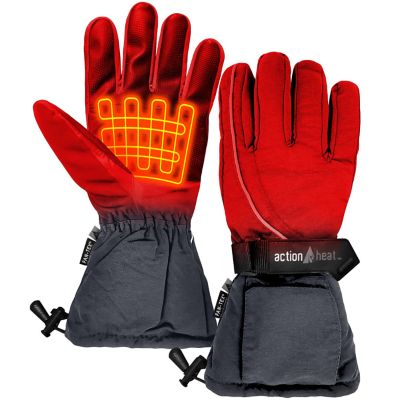
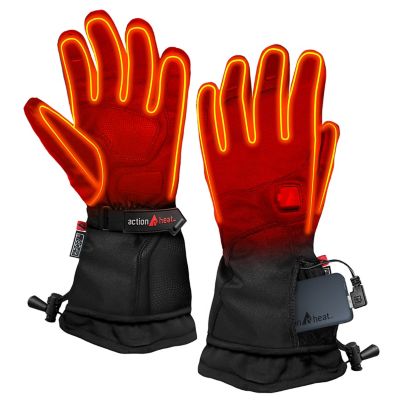
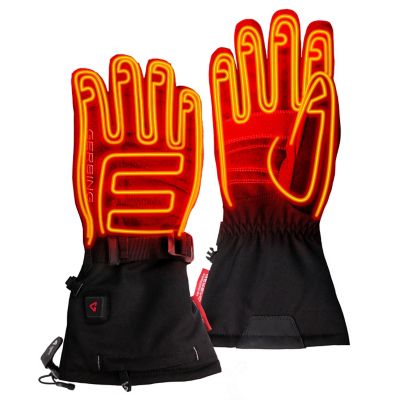
Men’s heated gloves provide active warmth for shoveling snow, skiing, riding a motorcycle and working outdoors in the cold. In battery-powered gloves, rechargeable batteries supply power to heating elements built into the glove. Depending on the design, those elements may warm the backs of the hands, the fingers or both. That’s the main difference between heated gloves and regular insulated gloves: Insulation helps hold in warmth, while the heating elements add it. A lower setting may be plenty while clearing a driveway, when the work itself gets the blood moving. A higher setting may feel better while sitting on a ski lift or standing at the end of the lane waiting for the school bus. Higher heat generally draws down the battery faster, and cold conditions can affect how long a charge lasts. For jobs that take most of the morning, like plowing in an open cab or checking water troughs down a long fence line, run time at the setting that feels comfortable matters more than the longest run time listed. Controls that are easy to feel through the opposite glove are handy when there’s no good place to set a glove down. A battery pocket that sits clear of the wrist bend also makes a difference when it’s time to turn a steering wheel or work a stiff gate latch. Heated work gloves make sense for chores that alternate between moving and standing still, like carrying feed out to the barn and then waiting while a water tank fills. For winter riding, look for heated motorcycle gloves designed for riding, with abrasion protection and enough freedom to work the throttle, brake and clutch. For skiing, a cuff that keeps snow out and a palm that grips a pole are just as important as where the glove puts out heat.
The shell, lining and palm all play a part in how a glove feels by the end of a job. Leather palms can give a firm hold on a shovel handle or a length of rope, and reinforcement where the thumb meets the palm can help a work glove stand up to repeated gripping. A flexible synthetic shell can make it easier to bend the fingers, while a soft lining helps hold warmth when the heat is switched off. For wet snow, look for a waterproof design rather than assuming a water-resistant shell will keep hands dry through a long stretch of shoveling. The cuff matters here, too. A longer cuff that cinches over a coat sleeve can help keep snow out when reaching into a drift, while a shorter one may sit more comfortably under a work jacket when there’s a lot of bending at the wrist. The selection of
Heated Winter Gloves covers options for different cold-weather routines, from short trips out to the woodpile to hours on a trail. To find a fit that works, check the sizing chart for palm circumference and hand length, then think about how the glove feels with the hand closed, not just flat. The fingers should have room to bend without the tips pressing against the ends, but extra length can fold over when pinching a zipper pull or clipping a leash. A glove that’s tight across the knuckles can squeeze the insulation and make a shovel handle harder to grip. Someone who spends more time handling small latches than pushing a snowblower may prefer a thinner glove with a flexible palm. For someone who spends long stretches sitting in the cold, there’s often more room to favor insulation over finger movement. Neither choice is much help if the cuff and coat sleeve leave a gap where cold air can get in.
How heated gloves are cared for between outings can make a difference in how well they hold up. Follow the care label and battery directions for the pair, especially before washing or drying. On gloves with removable batteries, disconnect and take them out before cleaning as directed, and don’t soak the gloves unless the instructions specifically allow it. After a morning of clearing slush or hauling wet firewood, wipe away grit and let the gloves dry fully before putting them away or reconnecting power. Setting them on a woodstove or over a heater can damage materials and electrical parts, even if it seems like the quickest way to dry the lining. Charge the batteries with the charger specified for the gloves, and follow the maker’s directions for battery storage when the gloves will sit for a while. It’s worth checking the palms, seams and battery pocket closures after a stretch of hard work. A glove with a damaged battery, connector or wire should stay out of service until the affected part can be dealt with according to the maker’s instructions. Men’s heated gloves can make a practical gift for the neighbor who clears more than his own driveway, the early riser who feeds livestock before daylight or the skier who likes to stay out for one more run. A size from a pair the recipient already wears can be a starting point, though measurements are a better bet when gloves are sized differently. Think about what he reaches for on the way out the door: a snow shovel, a set of reins, a pair of ski poles or the keys to the plow. The best fit for that routine is a pair that keeps his hands warm without making him pull a glove off every time he needs to get something done.