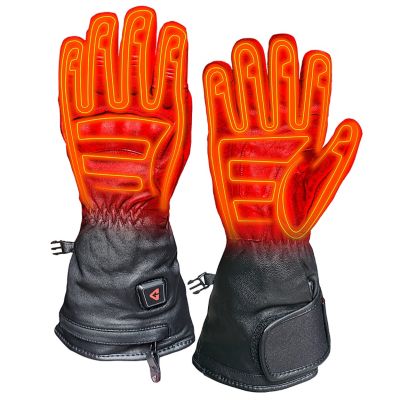
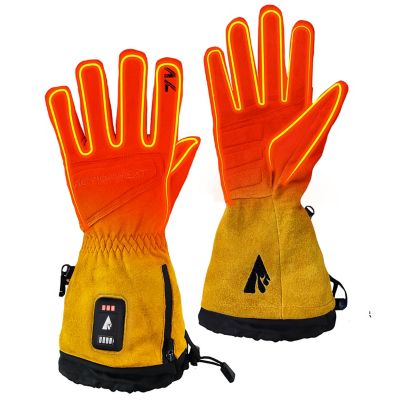
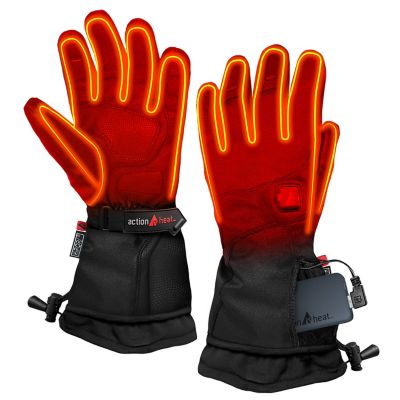
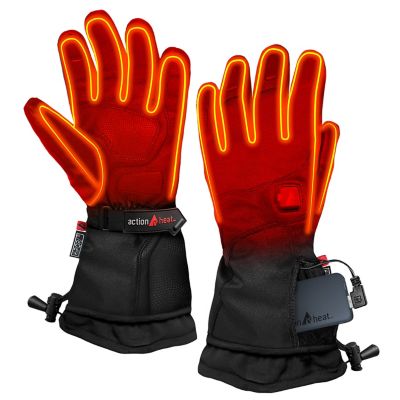
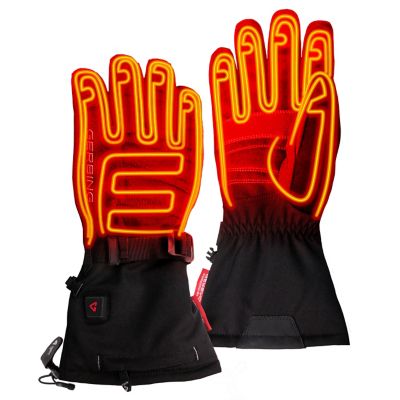
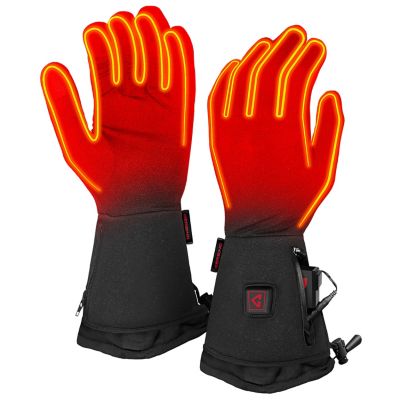
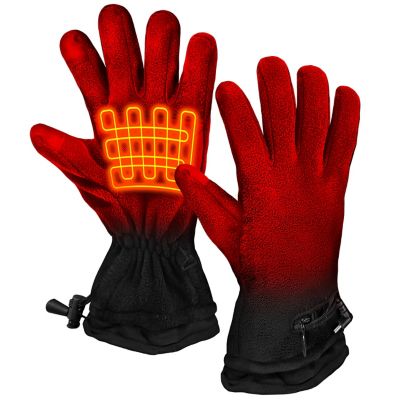
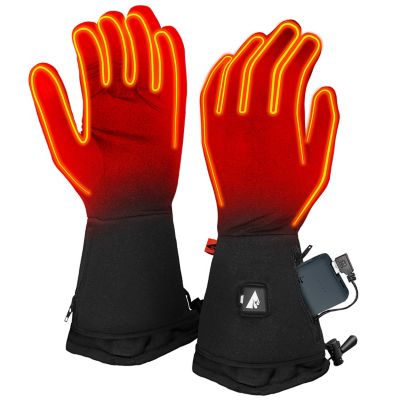
Heated leather gloves bring together the dependable feel of leather and the added comfort of built-in electric warmth, making them useful when cold air, wind, and long hours outdoors leave ordinary gloves feeling a little short on protection. The leather outer helps guard hands against everyday wear, brush, light scrapes, and the rough edges that come with chores around a farm, ranch, workshop, or jobsite. Inside, insulated linings and heating elements help warm the fingers and back of the hand, where the chill tends to settle first. Depending on the design, heat is supplied by rechargeable batteries tucked into the cuffs or by a wired connection to a vehicle or other 12-volt power source. Most battery-powered heated leather gloves offer several heat settings, commonly low, medium, and high, so you can start with more warmth while getting a cold engine running, then turn the setting down once your hands have warmed up. Indicator lights often show the selected level, though it is worth checking how easy those controls are to use while wearing the gloves. A large, easy-to-find button is handy when you are standing beside a gate in the wind or sitting on a tractor before sunrise. Battery life varies by the temperature setting, outside conditions, and battery age. Many gloves provide roughly two to three hours on a high setting and several more hours on low, but the actual run time can change from one pair to another. Look for removable batteries that can be charged indoors, and consider whether the package includes the charger, cables, or adapters needed for your setup. If you spend full days away from an outlet, a spare charged battery can help keep the warmth going through chores, barn checks, outdoor work, or a long ride.
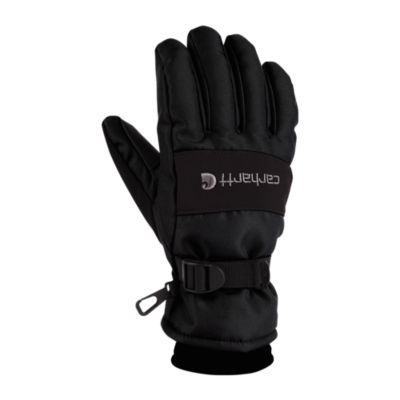
When comparing heated leather gloves, start with the work or activity that will fill most of their time. A pair for feeding animals and handling equipment may need a durable palm, reinforced stress points, and enough flexibility to open latches, carry buckets, or work a tool. For riding or driving, a longer gauntlet cuff can help keep wind and cold from slipping in at the wrist, while a pre-curved fit and secure wrist closure can make it easier to hold a handlebar or steering wheel. Leather backed by a water-resistant finish can help with damp grass, light rain, snow flurries, and wet equipment, but water resistance is not the same as being fully waterproof. Check the construction for a waterproof or windproof membrane if you expect regular exposure to wet weather. Insulation also matters. Fleece, synthetic insulation, and other soft linings can add warmth without making the glove feel stiff, while a bulky interior may make it harder to pick up small items or use fasteners. Pay close attention to sizing, since a glove that is too tight can limit movement and leave little room for warm air around the fingers, while one that is too loose may let heat escape and make detailed work awkward. Measure according to the maker’s sizing instructions, and remember that leather may soften and shape to your hand with use but generally will not stretch enough to correct a poor initial fit. Features such as touchscreen-compatible fingertips can be helpful when checking a phone, changing a playlist, or using a work app without exposing your hands to the cold. Still, touchscreen performance can vary, especially with thicker insulation or damp fingers, so dexterity and warmth should remain the main priorities. Also consider how the heating elements are distributed. Warmth that reaches the fingers is especially helpful for people who deal with cold hands, while heat across the back of the hand can add comfort when wind cuts through the top of the glove. A snug wrist strap, extended cuff, and flexible palm can make a noticeable difference during a long stretch outside.
Heated leather gloves are a practical choice for people who work outdoors, ride motorcycles or ATVs, drive equipment, inspect property, walk dogs, clear snow, hunt, fish, or spend time at cold-weather sporting events. They can also make a thoughtful gift for someone who is always the first one out to check the stock tanks, repair a fence, open the gates, or get the truck warmed up. They are especially useful for folks who enjoy being outside but do not want cold fingers to cut a task short. For a broader look at electric hand-warming options, shoppers can also browse
Thermal Heated Gloves and compare different glove styles, insulation levels, and power arrangements. Before putting a heated pair to work, read the care instructions and charge the batteries fully. Many leather gloves should be wiped clean rather than soaked, and they should be allowed to air-dry naturally if they pick up moisture. Avoid placing them directly on a heater, woodstove, or other high-heat surface, since excessive heat can dry or damage leather and may affect the battery components. Store the batteries according to the manufacturer’s directions, preferably in a cool, dry place, and inspect the wiring, connectors, and heating controls from time to time. Heated gloves should fit comfortably without pinching the fingers or pressing hard against the battery pocket. Used properly, they can take the sting out of cold morning chores, make a windy ride more comfortable, and help hands stay ready for the work that needs doing during the cooler months.