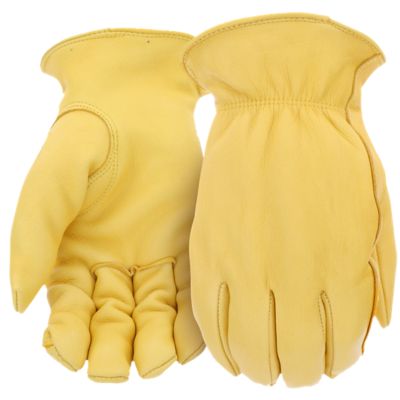
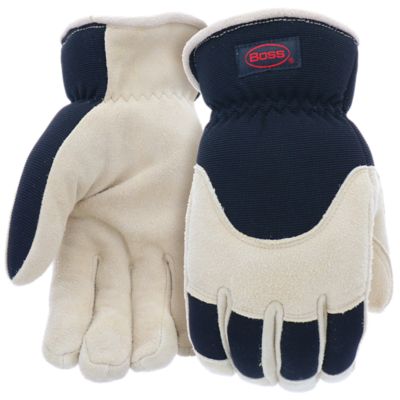
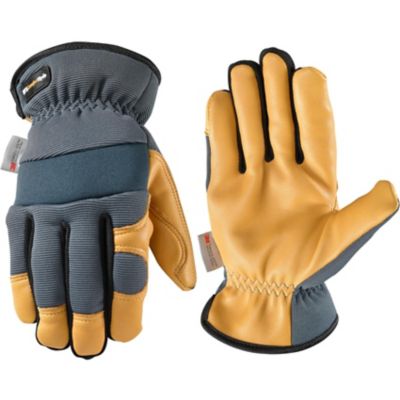
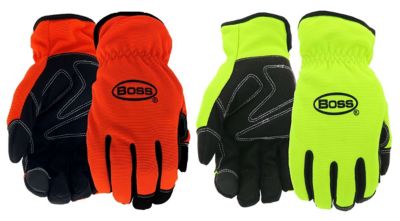
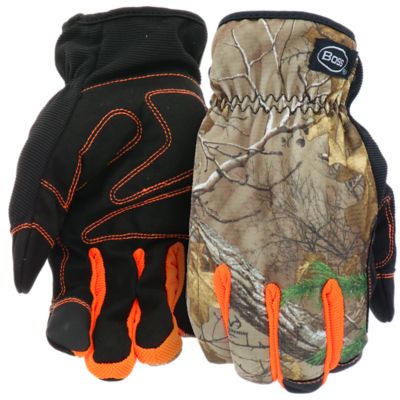
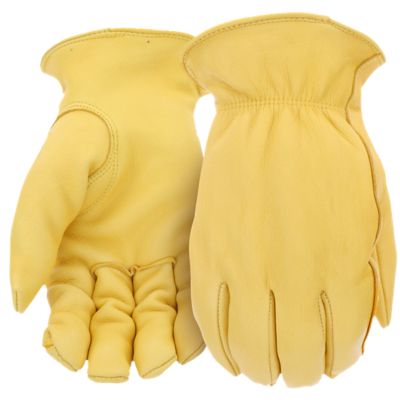
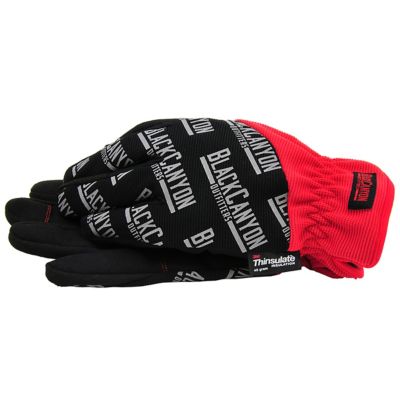
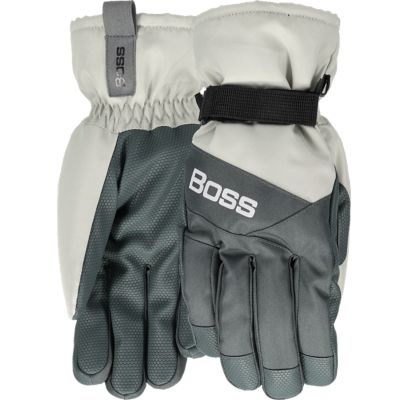
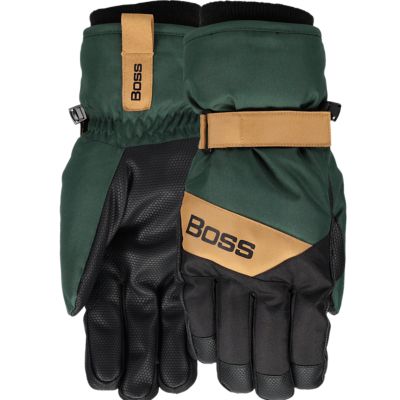
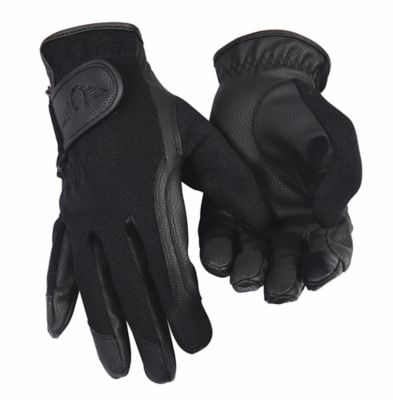
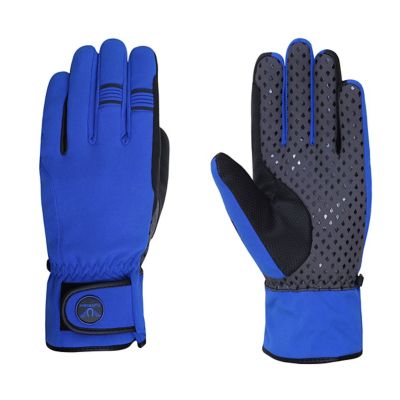
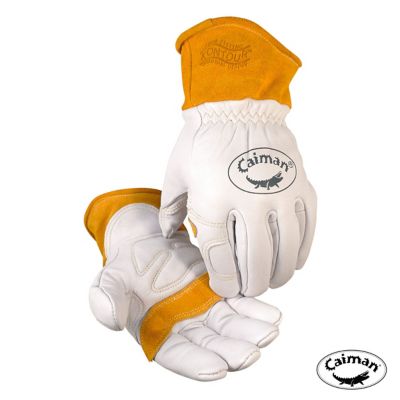
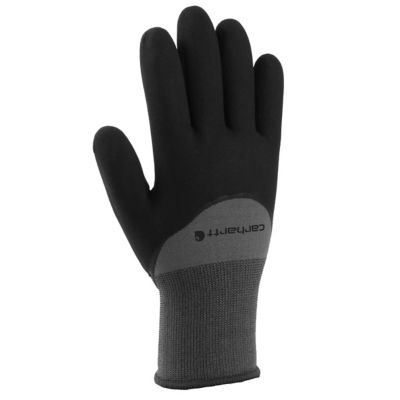
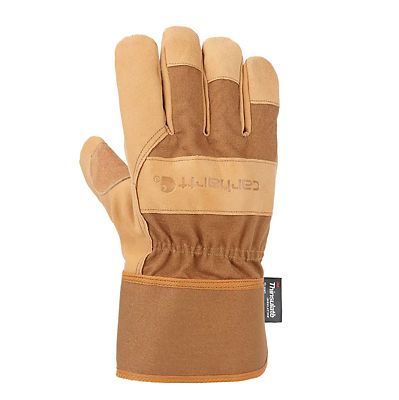
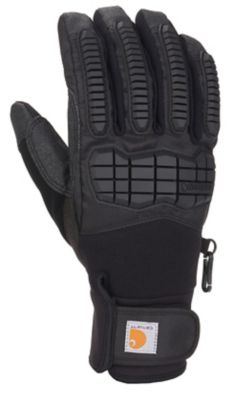
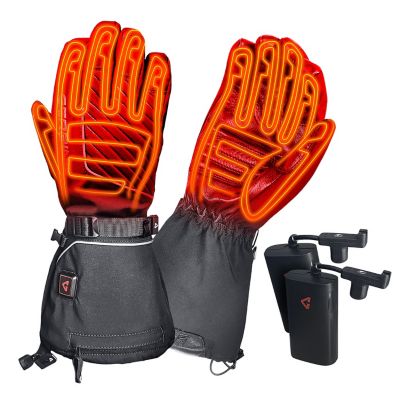
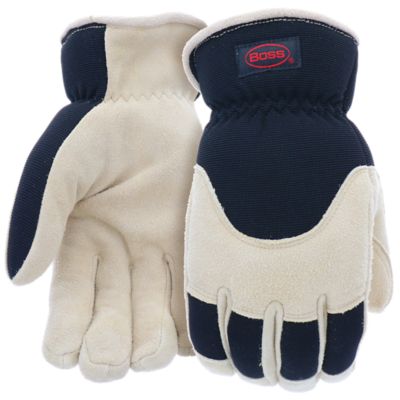
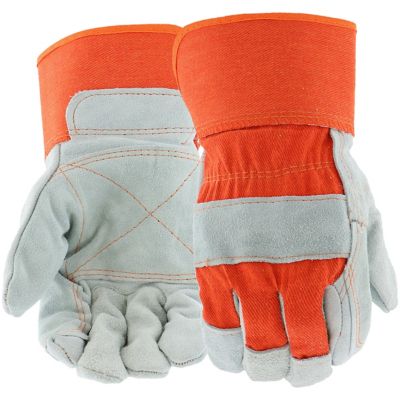
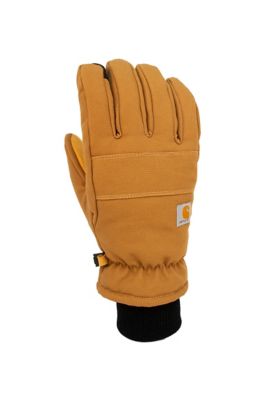
When the air turns crisp and the first frost settles over the driveway, a good pair of insulated gloves can make outdoor work far more comfortable. 3M Thinsulate gloves are designed to hold body heat with fine synthetic fibers that trap warmth without requiring a thick, stiff layer. That balance makes them a practical choice for people who spend time feeding animals before sunrise, checking fences, clearing leaves, walking the property, commuting, or heading out for winter recreation. The insulation level can vary by glove, so shoppers may see lighter options for cool fall days as well as heavier styles meant for colder conditions. A thinner lining may be a better fit for driving, handling tools, opening gates, or reaching into pockets, while a warmer lining can help when your hands stay exposed to cold wind for long stretches. Keep in mind that insulation is only one part of the glove. The outer material also affects comfort, grip, water resistance, and how well the glove moves with your hands. Leather can offer a substantial feel and a natural grip for ranch chores, while knit, fleece, nylon, or other fabric shells may feel lighter and more flexible for everyday wear. Some gloves include a soft lining for easier on-and-off comfort, and others add a water-shedding outer layer to help with damp grass, light snow, or a wet steering wheel. For anyone working around woodpiles, machinery, tools, or livestock, look for a snug fit at the fingers and a secure wrist closure that helps keep cold air and debris from slipping inside. A glove should leave enough room to move without bunching at the fingertips; too much space can make it harder to hold a handle, while a tight fit may limit circulation and leave hands feeling colder. If you need a slimmer layer for changing weather, take a look at
Thin Insulated Gloves for another place to compare options.
Think about the jobs and conditions your gloves will face before choosing a pair. Someone checking a mailbox or walking the dog may value easy movement, a soft lining, and a palm that works well with a phone or steering wheel. A person loading feed, repairing a gate, stacking firewood, or running equipment may place more importance on grip, a reinforced palm, and a close-fitting cuff. For snow play, sledding, or trips to the stands, warmth and water resistance can matter more than a rugged work feel. A touchscreen-friendly fingertip can be handy when directions, messages, or a weather report are only a tap away, though it should not replace a proper fit and warm lining. Pay attention to sizing charts, since glove sizes can differ by maker and style; measure around the widest part of the hand and compare that measurement with the listed range. If you plan to wear a thin liner underneath, allow a little extra room without letting the glove slide around. Color and appearance may matter when gloves are going to a friend, family member, farmhand, or outdoor worker as a present, but function should lead the decision. Insulated gloves make thoughtful gifts for someone moving into a new home, spending long hours outdoors, commuting on cold mornings, or preparing for the cooler months. They are also useful to keep in a truck, coat pocket, tack room, or mudroom so a spare pair is close when temperatures drop unexpectedly. Let wet gloves dry fully between outings, keep them away from direct high heat, and follow the care instructions for the shell and lining. With the right fit, insulation level, grip, and weather protection, these gloves can help keep hands warm and ready for the steady list of chores that comes with changing seasons—from opening a frosty gate at daybreak to hauling supplies beneath a gray winter sky.