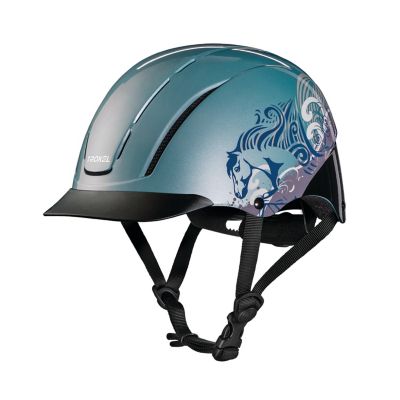
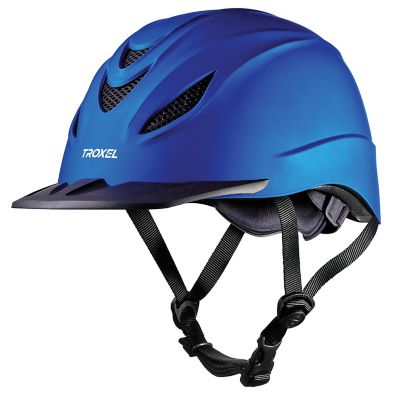
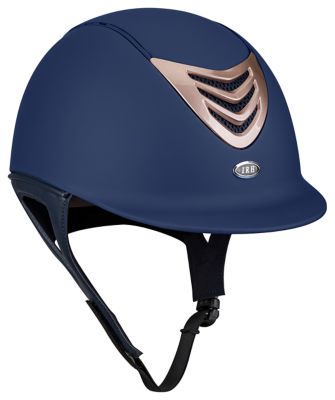
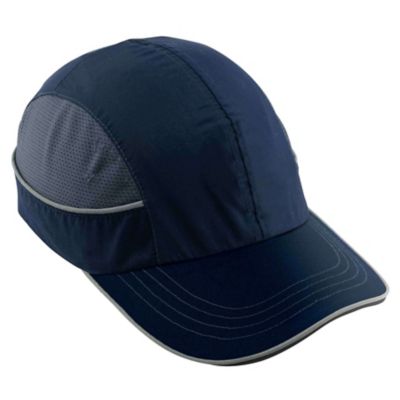
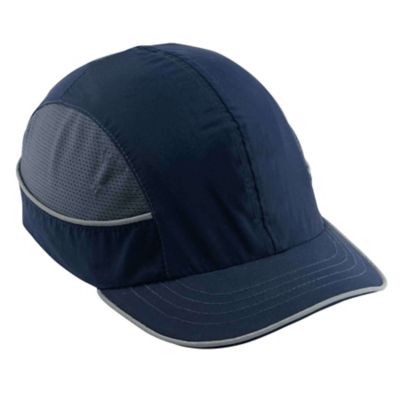
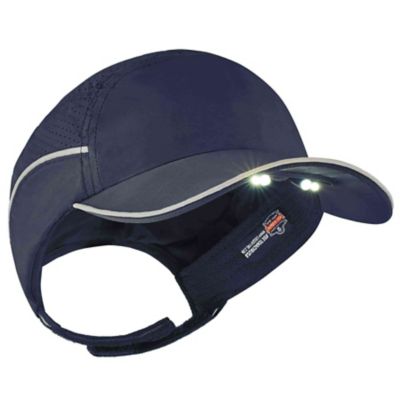
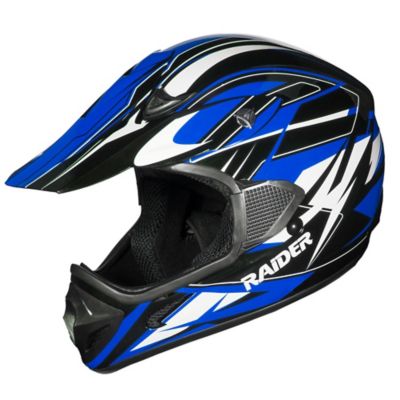
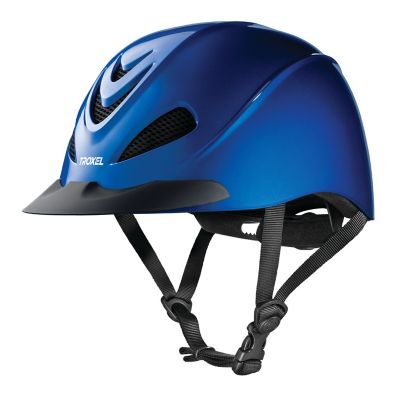
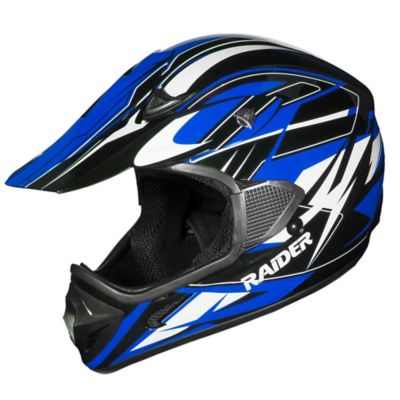
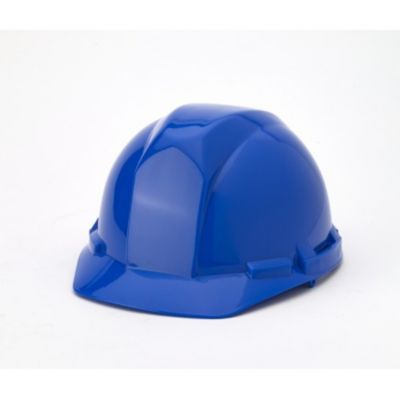
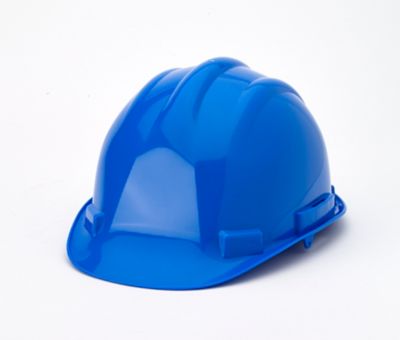
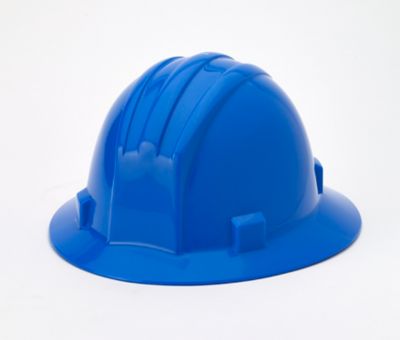
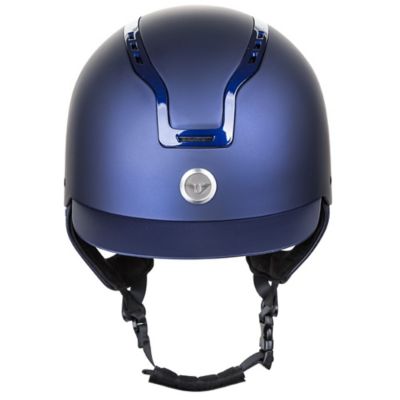
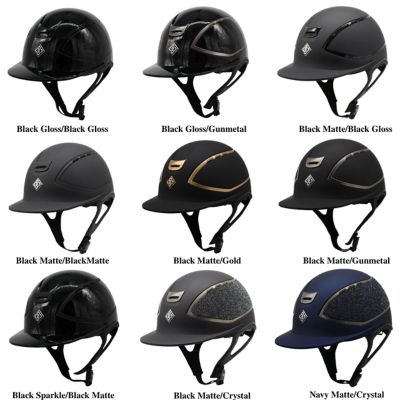
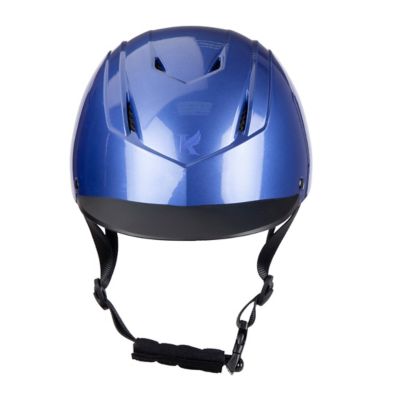
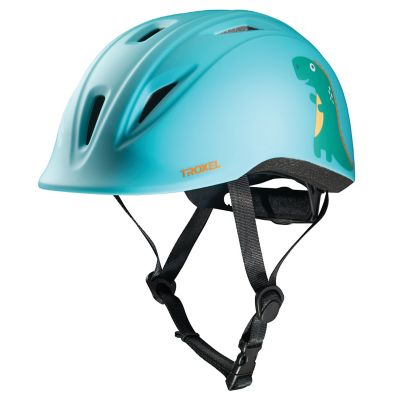
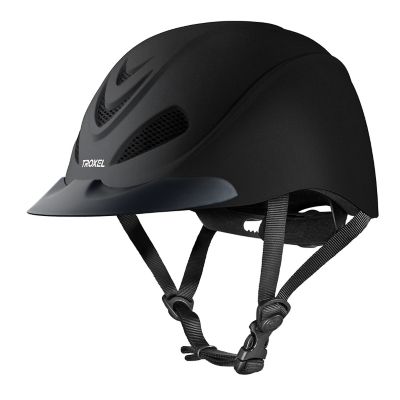
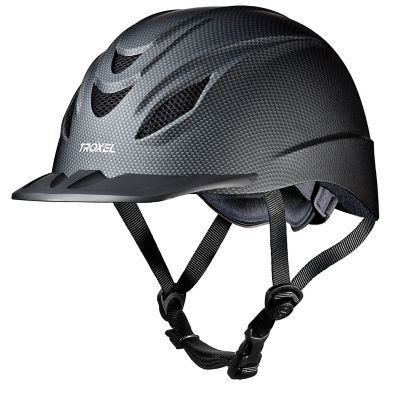
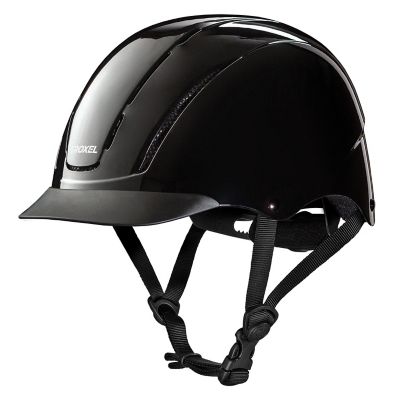
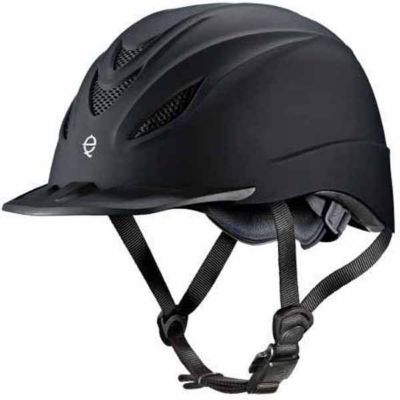
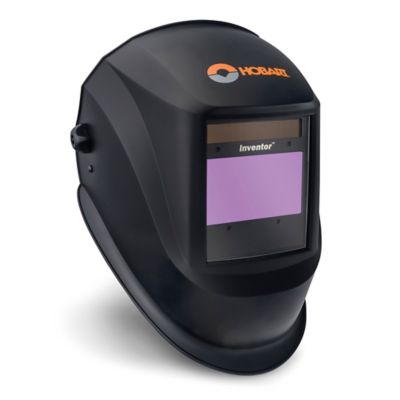
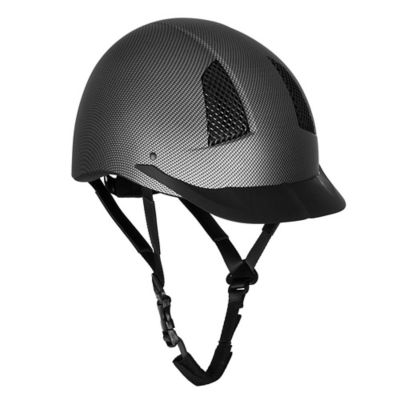
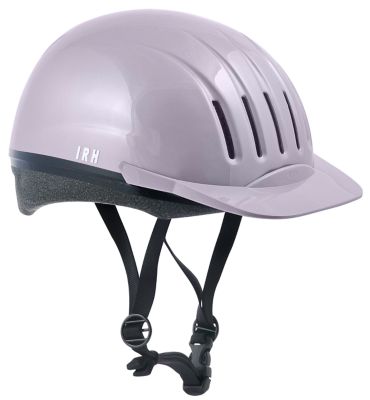
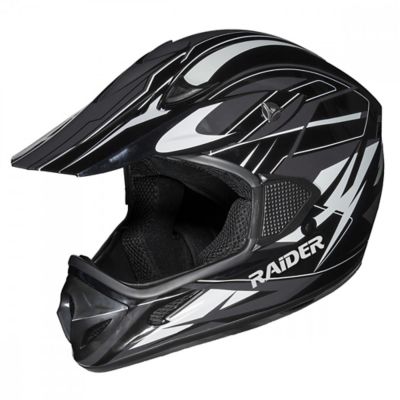
Blue helmets can mean different things depending on the setting. In international news and public service discussions, “Blue Helmets” commonly refers to the military, police, and civilian personnel who serve in United Nations peacekeeping operations. Their bright blue helmets or berets, often marked with the UN emblem, help identify them as neutral personnel working under an international mandate. Peacekeepers may protect civilians, monitor ceasefires, support the delivery of aid, and help communities move toward more stable local government after conflict. The first United Nations peacekeeping mission began in 1948 to observe the armistice in the Middle East, and missions have since operated in many regions, including parts of Africa and the Middle East. Personnel come from countries around the world, with troops, police officers, and civilian specialists contributing to each mission. Their rules of engagement are limited, with force generally reserved for self-defense and defense of the mandate. That meaning matters when shopping for blue helmets because a product page may bring together blue-colored head protection for farm work, riding, recreation, training, or outdoor tasks rather than official United Nations equipment. A bright blue finish can make a helmet easier to spot around a barn, arena, work area, trailhead, or busy event, while also giving a group a coordinated appearance. For anyone comparing options, start with the activity and the type of protection required. A helmet intended for equestrian riding may have different coverage, ventilation, retention, and certification requirements than one made for cycling, construction, climbing, or another job. Check the product description for the recommended activity, safety standards, size range, adjustment system, and care instructions before placing an order. The right fit should feel secure without creating painful pressure, and the chin strap should sit comfortably beneath the jaw while keeping the helmet in place when the wearer bends, turns, or moves at a steady pace.
A blue helmet may be a practical addition for a rider heading out before sunrise, a worker preparing for a long day around equipment, or a young participant getting ready for lessons and outdoor activities. It can also make a thoughtful gift for someone joining an equestrian program, taking up trail riding, helping around a farm, or learning a new sport, though the wearer should always be part of the sizing decision. Head shape and fit vary from person to person, so borrowing a helmet or choosing a size without checking measurements can leave too much movement or uncomfortable pressure. Measure according to the maker’s directions, compare the result with the listed size range, and look for adjustment features that help create a snug, balanced fit. Inspect the shell, liner, vents, straps, buckle, and hardware when the helmet arrives, and follow the care guidance for cleaning and storage. Keep it away from excessive heat, harsh chemicals, and places where it may be crushed beneath tools or feed bags. A helmet that has taken a hard impact should be replaced even when the outside appears fine, since internal protection may no longer perform as intended. For equestrian shoppers, the activity and riding discipline can guide the decision just as much as color; those looking through additional riding options can visit
Equestrian Helmets to compare helmets intended for time in the saddle. During the cooler months, consider how a hat, hood, or winter liner may affect the fit, and make sure extra layers do not push the helmet upward or interfere with the strap. Riders and workers who spend time outdoors may also appreciate ventilation for warmer stretches, a low-profile shape beneath ear protection, or a finish that is easy to wipe clean after dust, mud, and ordinary farm chores. Whether the blue color is chosen for visibility, team coordination, personal style, or a connection to the familiar image of United Nations peacekeepers, the main priorities remain the same: match the helmet to the activity, confirm the fit, follow the safety guidance, and store it where it will be ready for the next ride, shift, lesson, or day outside.