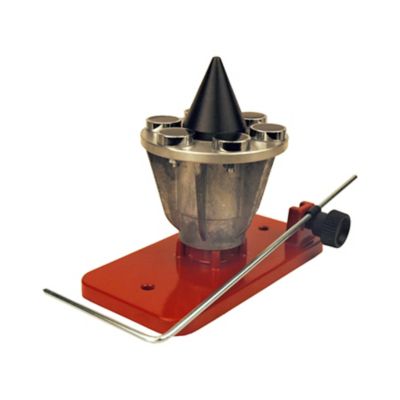
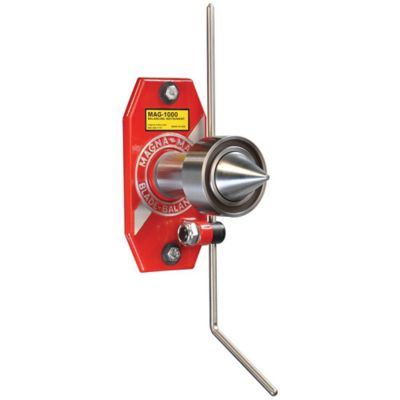
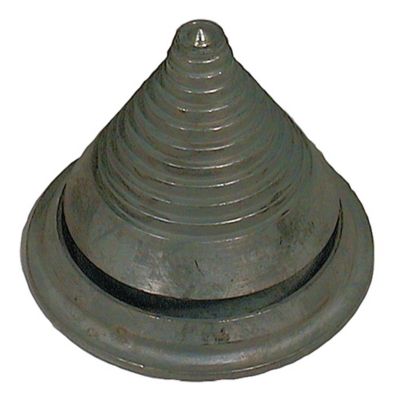
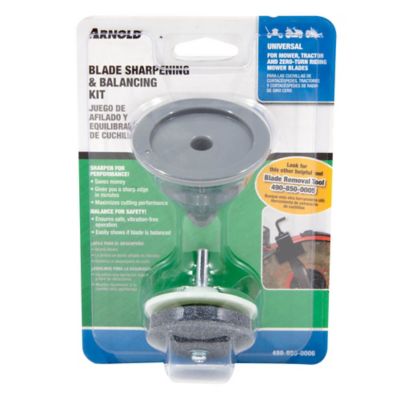
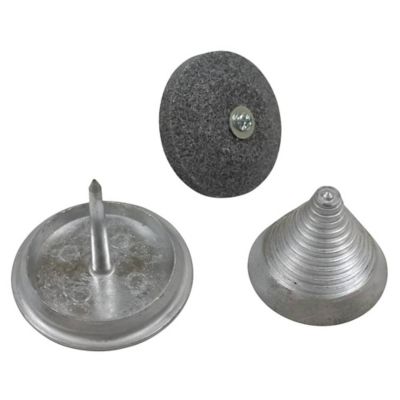
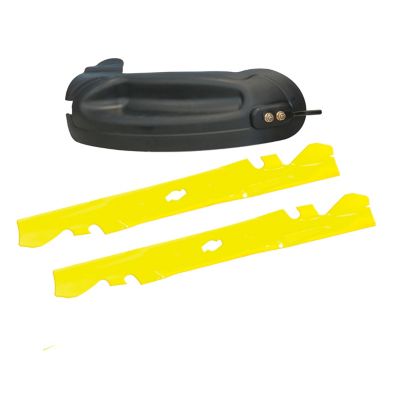
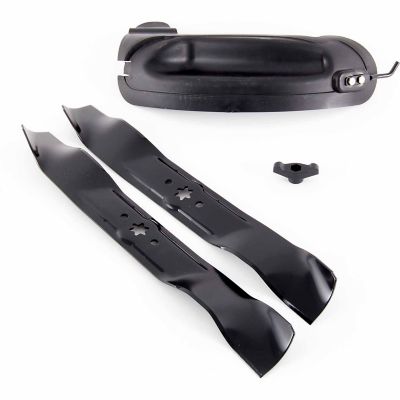
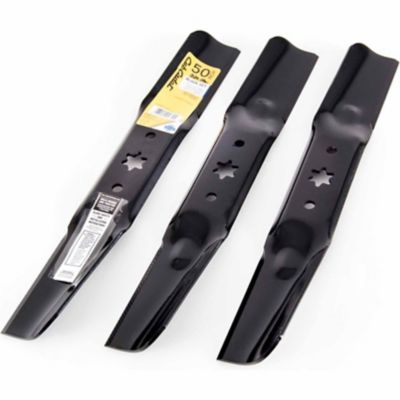
Blade balancers are tools for checking the static balance of lawn mower blades after sharpening or other blade maintenance. They show whether one end of a removed blade is heavier than the other, helping reveal a weight difference before the blade goes back on the mower. An out-of-balance blade can create vibration as it spins, putting extra stress on spindle bearings, deck hardware and, on direct-drive mower designs, the engine crankshaft. A balancer does not sharpen the cutting edge or repair damage; its job is to make uneven weight easier to spot. That makes it a useful addition to the workbench for homeowners who maintain their own mowers, folks caring for acreage, grounds crews and small-engine repair shops. Sharpening can remove more metal from one end than the other, even when both cutting edges look much the same. Packed-on grass, soil and other buildup can also affect a balance check, which is why the condition of the blade matters alongside the tool itself. Bench-top cone balancers provide a simple resting point beneath the mounting hole, allowing the heavier end of a compatible blade to dip downward. Bearing-supported and magnetic styles offer other ways to support a blade while allowing it to move freely enough to reveal an imbalance. The right style depends on the blades being maintained, the available workspace and how often blade work comes through the shop. Someone looking after a single walk-behind mower may have different needs than a property owner maintaining several machines with multiple blades apiece. Either way, blade balance is one part of mower care, not a cure for every shake or rattle. A blade can pass a static balance check and still have a bend, an incorrect cutting profile or another problem that calls for closer inspection.
Fit matters more than a balancer’s size might suggest. Lawn mower blades vary in overall length, weight, center-hole diameter and mounting-hole shape, and those differences affect how they sit on a checking tool. A cone or stepped support needs to locate the blade securely at its mounting center without letting it rest against a shoulder, bench surface or nearby obstruction. Star-shaped, bow-tie and other mounting openings deserve particular attention because a tool that accepts a round hole may not center every other shape properly. Compatibility information should cover the blade designs and weight range the balancer is intended to handle, along with any required adapters. Longer blades also need room to move without touching the workbench, wall or tools hanging nearby. A compact base can save space, while a shop-mounted design may suit a dedicated blade-maintenance area where the checking assembly can remain properly positioned. Materials affect handling and care as well. Molded plastic bodies are generally light and easy to tuck into a tool cabinet, while metal bodies may offer more weight at the base or a different feel at the support point. Neither material alone tells the whole story: a sound pivot, a stable footing and surfaces free of damage all matter to a clear reading. Bearing-supported mechanisms have their own care requirements, and magnetic designs depend on compatibility with the blade material and the maker’s mounting arrangement. Grinding dust, sticky residue and small metal particles can interfere with moving parts or the surfaces where a blade rests. Storage away from loose grinding debris helps protect those contact points between jobs. A balancer that gets knocked onto a concrete floor may need inspection before another check, especially if the tip, shaft or base takes the hit. For a busy mower shed, easy cleanup and protected storage can matter just as much as a compact footprint.
The most useful blade balancer is one that fits naturally into the blade work already happening at the bench. After a mower has spent hours trimming fence lines or cutting around outbuildings, its blades may carry a mix of grass residue, worn edges and small nicks from stray debris. Those conditions do not all call for the same response, and a balance reading adds information rather than replacing judgment about the blade’s condition. A blade with cracks, serious thinning, a distorted mounting hole or a bend belongs in a different conversation than one that simply needs routine edge maintenance. Manufacturer limits on wear, sharpening and material removal still apply, even when a blade sits level on a balancer. With a multi-blade deck, each blade needs its own assessment; checking several together does not establish the balance of each one. The cutting profile matters, too, since the lift portions and overall blade shape contribute to the mower’s intended operation. Removing metal just to make a damaged blade appear balanced can leave other problems unresolved. For someone who maintains equipment at home, a blade balancer can help make the difference between judging by eye and seeing how a blade actually rests around its mounting center. For a repair shop, it provides a repeatable checkpoint alongside inspection and sharpening. It can also make a practical gift for a mower owner who already has sharpening equipment and enjoys keeping machines in working order, provided the tool matches the recipient’s blades and workspace. There is no need for an elaborate shop to appreciate a clear balance check, but there does need to be enough room to handle a sharp, removed blade safely and follow the mower manufacturer’s service precautions. When comparing lawn mower blade balancers, the important details come back to compatible mounting holes, supported blade weight, clearance, stable placement and straightforward care. For upkeep beyond the mower shed,
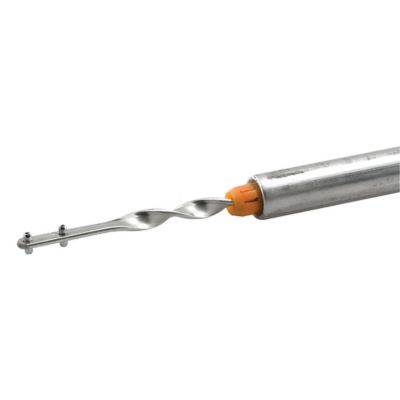
Spiral Tilt Window Balances serve a different purpose, supporting compatible window sashes as they move up and down. Matching each kind of balance hardware to its intended job keeps the focus on proper fit and function.