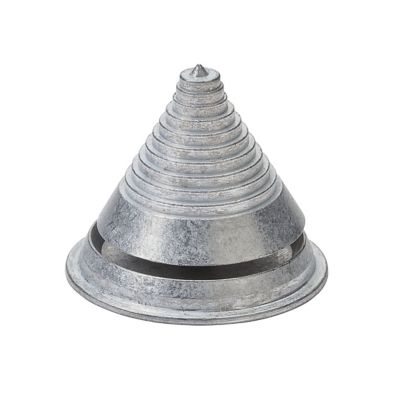
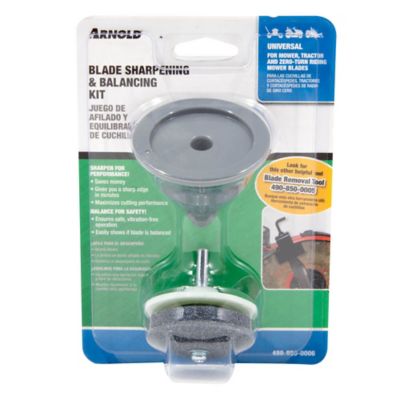
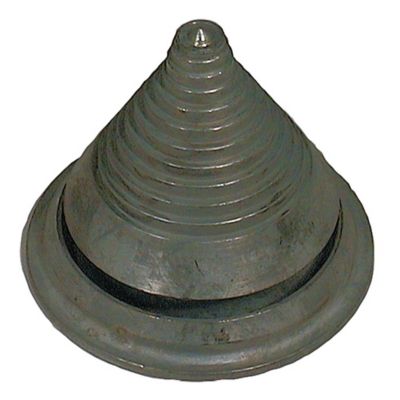
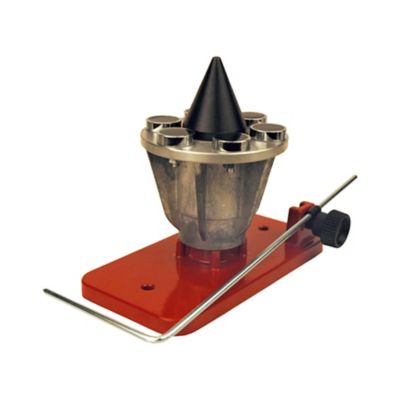
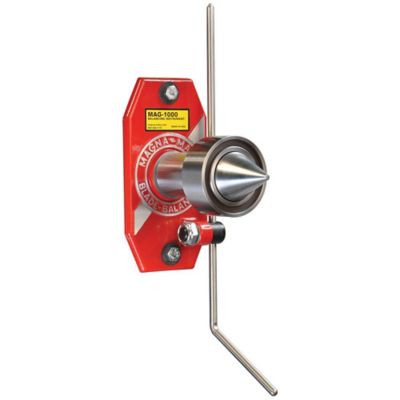
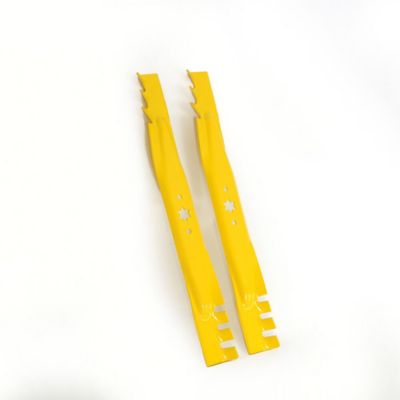
A lawn mower blade balancer is a handy shop tool for anyone who sharpens, replaces, or services mower blades at home. After a blade is sharpened, even a small difference in weight from one side to the other can make the blade spin unevenly. That imbalance may show up as a noticeable shake in the mower deck, extra noise, uneven cutting, or a rough vibration through the steering wheel and handles. Over time, that strain can contribute to premature wear on spindle bearings, the PTO clutch, mounting hardware, and other rotating parts. A balancer gives you a simple way to check the blade before putting it back on the mower, helping you catch a problem while the blade is still on the workbench. Most lawn mower blade balancers use a cone, pyramid, or magnetic support to hold the blade at its center hole and show which side is heavier. Cone-style balancers are compact and easy to store in a garage cabinet, while magnetic models can attach securely to a metal surface and are convenient for repeated maintenance. Pyramid-style designs offer a straightforward setup for occasional sharpening and blade checks. When comparing a lawn mower blade balancer, look for a sturdy base that will not rock on the bench, a center point or support sized for the blade holes you work with, and clear, smooth movement that makes a slight imbalance easy to spot. A durable metal construction may be worthwhile for a busy property owner, small engine repair area, or landscaping crew, while a basic model can suit a homeowner who services a mower a few times each season. Keep in mind that a balancer checks weight distribution; it does not replace safe blade removal, sharpening, inspection, or proper installation. A blade that is bent, cracked, deeply gouged, or badly worn should be replaced rather than corrected by removing excessive material. Before servicing, shut off the mower, disconnect the spark plug wire on gas models or remove the battery on electric equipment, and follow the mower manufacturer’s instructions for securing the blade. Wear work gloves when handling sharp edges, and use a wrench that fits the blade bolt properly to avoid rounding the fastener.
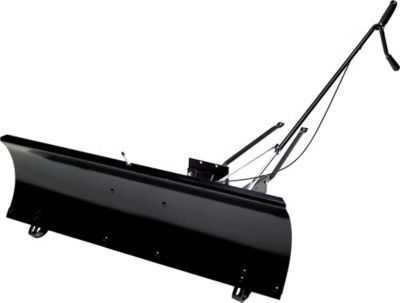
Using a lawn mower blade balancer is generally simple once the blade is clean and ready for inspection. Brush away packed grass, dirt, and rust so debris does not affect the reading, then place the blade’s center hole over the balancer’s support. Let the blade settle without touching the cutting edges. If one end consistently drops, that side is heavier. Remove only a small amount of material from the heavier side, usually by making controlled passes along the sharpened edge, then check the blade again. Patience matters here; taking off too much metal can shorten the blade’s useful life or make it difficult to correct the balance. A properly balanced blade should remain level when placed on the balancer, with neither end repeatedly falling lower than the other. It is also smart to inspect the center hole, sail area, and cutting edge each time, since balance is only one part of good mower maintenance. These tools are useful for homeowners with riding mowers, walk-behind mowers, zero-turn equipment, and other rotary cutting machines, as well as landowners who keep several machines working through long stretches of grass-cutting weather. They can also make a practical gift for a parent, neighbor, farm hand, or do-it-yourselfer who enjoys keeping equipment in good shape and prefers to handle routine upkeep in the shed. A compact balancer pairs well with a sharpening file, blade removal tool, or replacement hardware, though the correct accessories depend on the mower and blade style. As mowing winds down and the weather turns cooler, many property owners use the quieter stretch to clean equipment, inspect belts, grease fittings, sharpen blades, and organize the tool bench before storage. If winter chores include clearing walks or driveways, related equipment such as a
Snow Blade For Lawn Mower may also be part of seasonal preparation. Choose a balancer that matches the size and frequency of your maintenance work, store it where it will stay clean and level, and keep the blade manufacturer’s specifications close by. With the right setup, checking balance becomes a quick part of regular mower care and can help the machine run smoother when it is time to cut again.