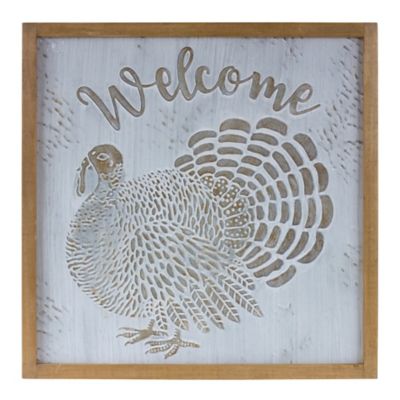
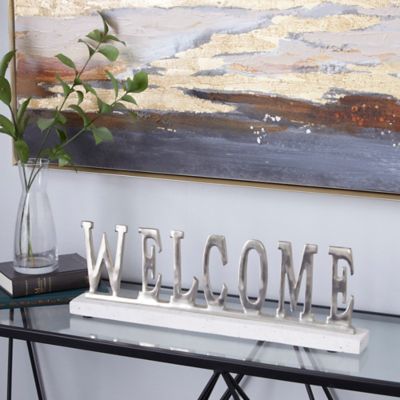
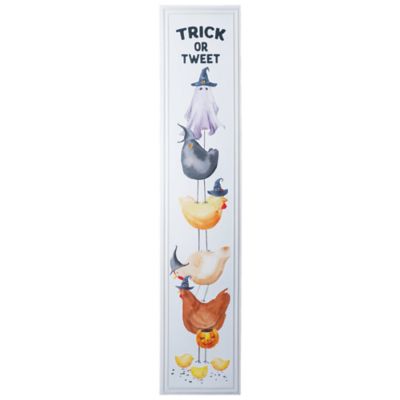
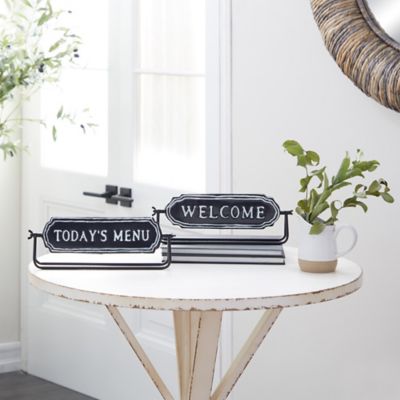
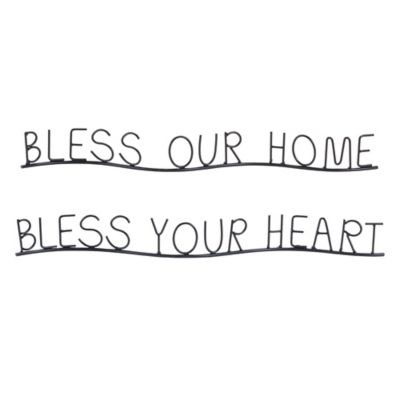
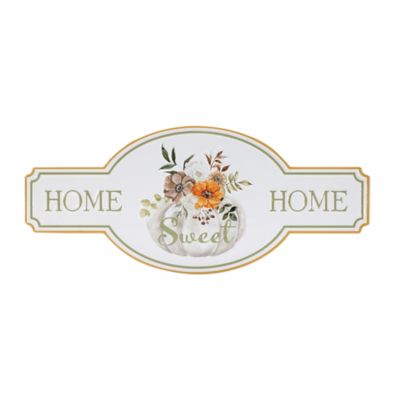
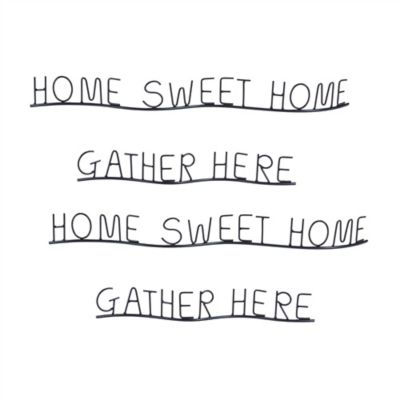
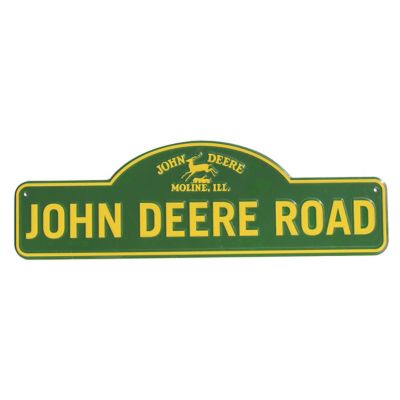
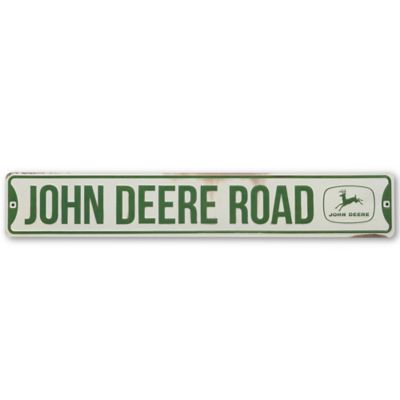
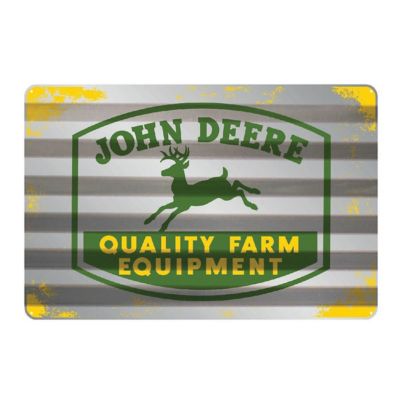
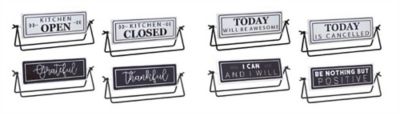
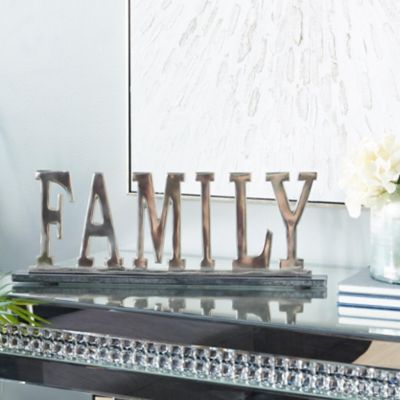
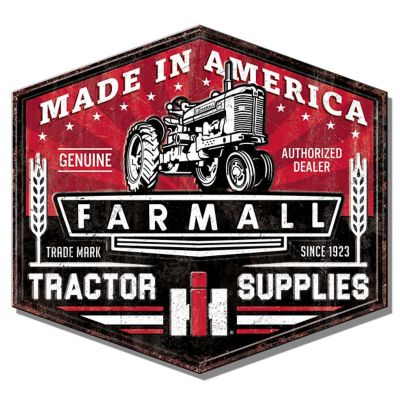
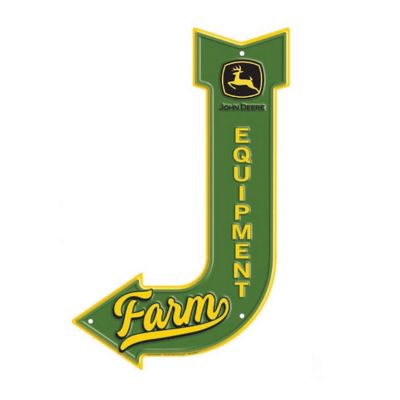
Metal welcome signs bring a friendly greeting to a front porch, farmhouse entry, mudroom or shop doorway without taking up floor space. The category includes simple word cutouts, framed plaques, open scrollwork and silhouettes inspired by farm life, animals and the outdoors. Some designs let the wall show through the lettering, while others place the greeting against a solid backing for stronger contrast. That difference matters on a busy brick wall or a door with deep panels, where an open design can be harder to read. Steel, aluminum and cast iron each bring a different feel to the finished sign. Steel works well for crisp lettering and detailed cutouts, with enough firmness to hold a defined shape. Aluminum is generally lighter than steel at the same thickness and does not develop iron rust, though its finish and mounting points still need proper care. Cast iron often has a substantial feel and textured surface, making weight an important consideration before hanging. For steel signs, a lower gauge number generally means thicker metal, but thickness alone does not tell the whole story. The shape, finish, attachment points and placement all affect how well a sign holds up. Powder coating forms a protective layer over metal, while galvanizing adds a zinc layer to steel to help limit corrosion. Neither makes every sign suitable for every location, so the stated indoor or outdoor rating deserves a close look. A rustic appearance is a style choice, not proof of protection against moisture. Painted finishes can bring a bold pop of color to a plain wall, while black, bronze-toned and bare-metal looks pair easily with wood, stone and painted siding. A straight block-letter greeting has a different character from a flowing script, and the best fit is often the one that feels at home with the doorway, fence or room around it.
Size and placement make a big difference in how a metal welcome sign reads once it is hanging. Overall width and height are useful starting points, but letter height and the amount of open space around the design matter, too. A wide script sign may stretch across a wall while still having slender letters that disappear from the end of a walkway. Bolder lettering can be easier to spot from farther away, while finer scrollwork invites a closer look beside the door. Measuring the intended spot helps keep a sign from crowding a porch light, doorbell, house number or trim board. A paper outline taped in place gives a practical sense of scale before any holes go into the wall. On a working farm or a busy home entry, leave room for doors to swing, gates to latch and folks to carry feed sacks, groceries or tools through without brushing against projecting edges. A sign on a gate also needs clearance through the gate’s full movement, not just when it is closed. Mounting details vary: some signs have holes through the face, some have rear loops or brackets, and others hang from a chain. Those attachment styles are not interchangeable, and a piece intended for a flat wall may not sit properly on a narrow post. When planning the mounting setup, consider
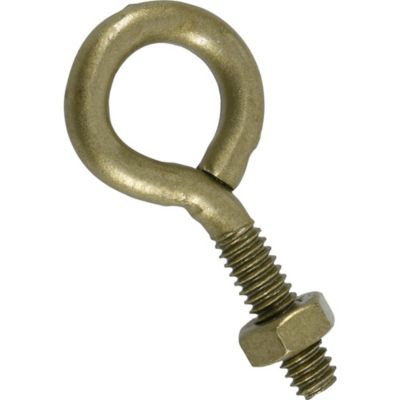
Metal Hardware alongside the sign itself, paying attention to fastener material, head size and the mounting surface. Solid wood, masonry, hollow walls and siding each call for a suitable attachment method. The sign’s weight should stay within the limits of the full mounting assembly, including anchors and brackets. Stand-off mounts can create a little separation from the wall, but they also change the leverage on the fasteners. For leased homes or surfaces that should not be drilled, confirm that any alternative hanging method is rated for both the sign and the location rather than assuming a light-looking cutout weighs very little.
Care for metal welcome signs starts with knowing what sits beneath the finish and following the maker’s cleaning directions. For many coated surfaces, a soft cloth with mild soap and water is enough to lift everyday dust and grime; abrasive pads and harsh cleaners can scratch or dull the coating. Drying the surface after cleaning helps keep moisture from lingering around seams, mounting holes and layered details. Chips along cut edges deserve attention because exposed steel can begin to rust even when most of the face still looks sound. Any touch-up coating should match the metal and original finish, and an intentionally rusted appearance should not be confused with a protective coating. Rust-colored runoff can mark pale siding, stone or concrete, so placement matters for pieces with an exposed or aged-metal finish. Hanging points also deserve an occasional check, especially on a gate or door that moves often. Loose screws, bent loops and rubbing chains are easier to address before the sign shifts or scratches the surface behind it. Indoors, a metal welcome sign can give an entry bench, kitchen doorway or gathering room a clear focal point, with smooth edges and secure hanging especially important where children can reach. As a gift, it suits a housewarming, wedding or anniversary when the design reflects the recipient’s home and interests. Farm-animal shapes may feel right for a livestock family, while simple lettering can fit a wider range of homes. Size, mounting requirements and the recipient’s comfort with drilling are worth considering before giving a larger piece. The most fitting sign does more than fill an empty patch of wall: it gives visitors a clear, warm greeting and settles naturally into the place where family, friends and neighbors come through the door.