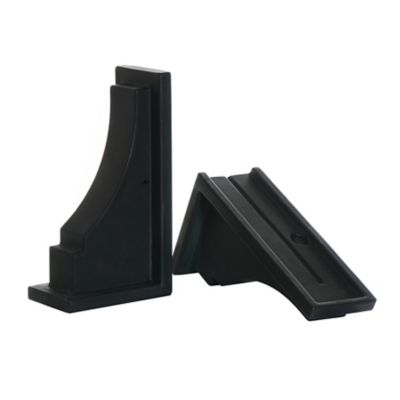
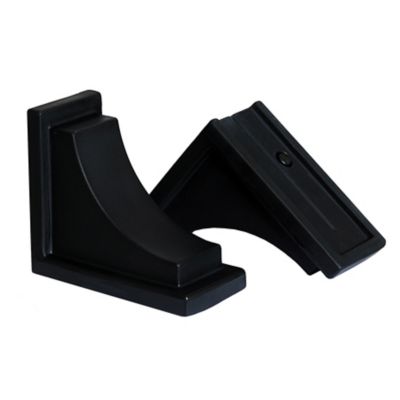
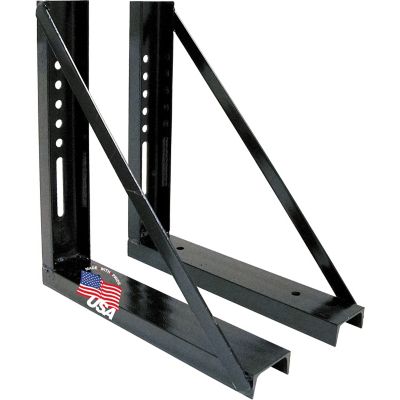
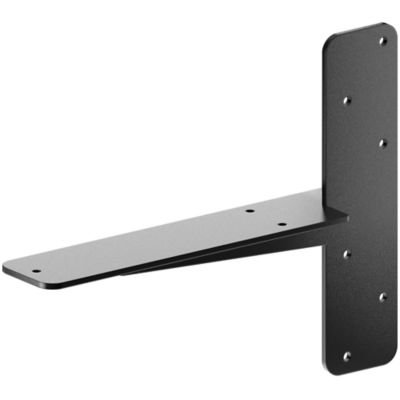
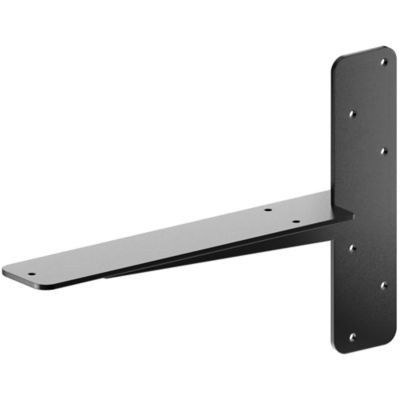
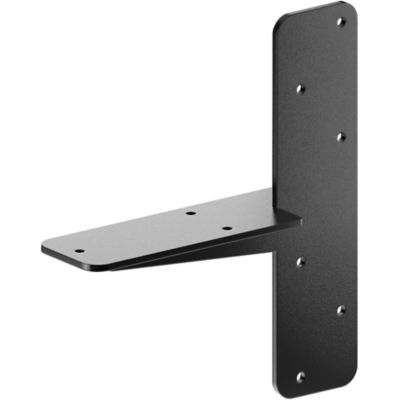
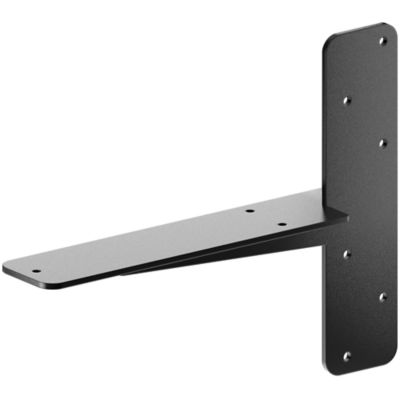
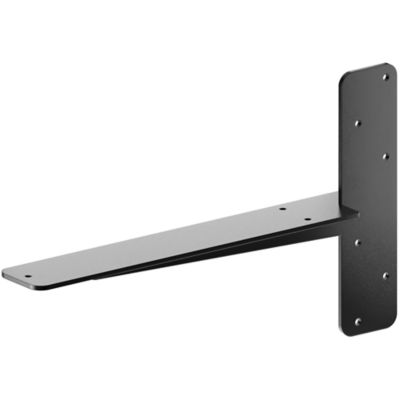
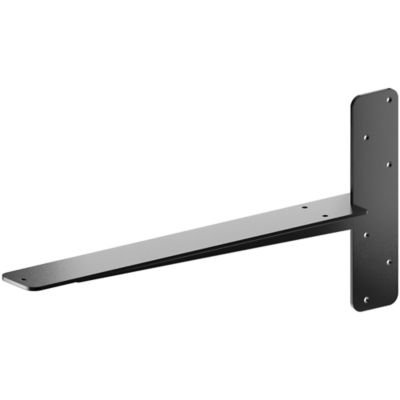
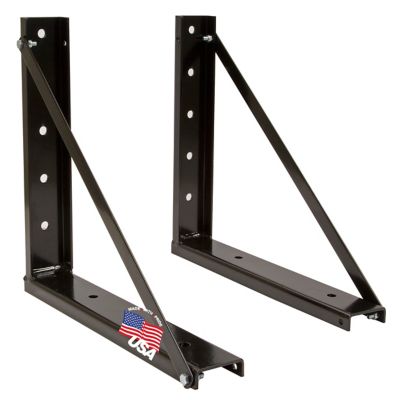
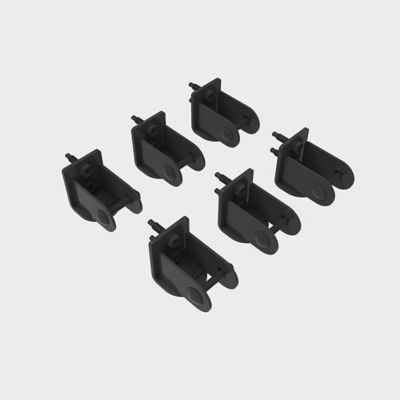
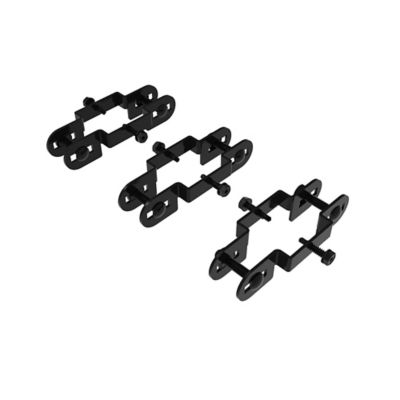
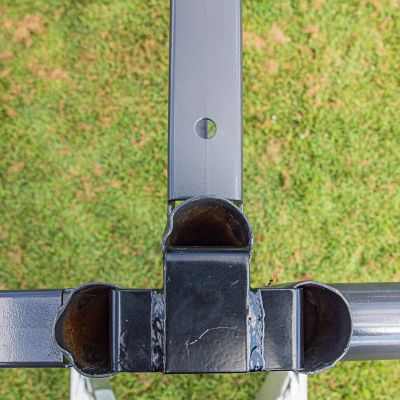
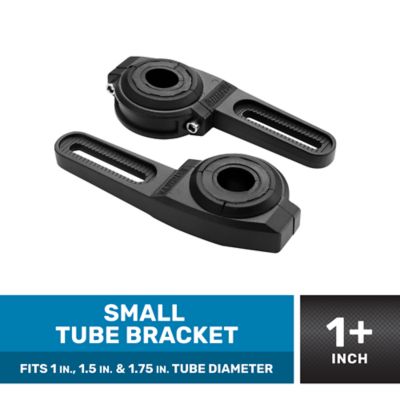
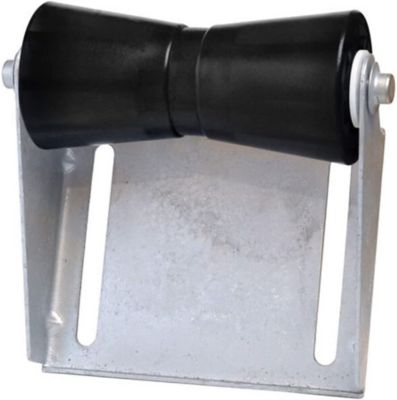
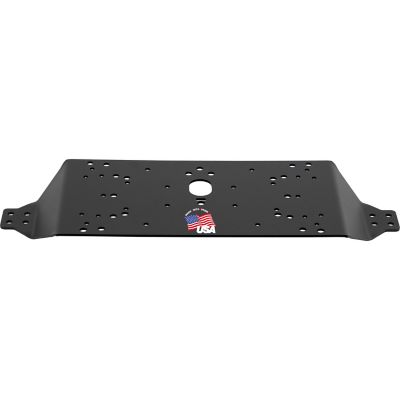
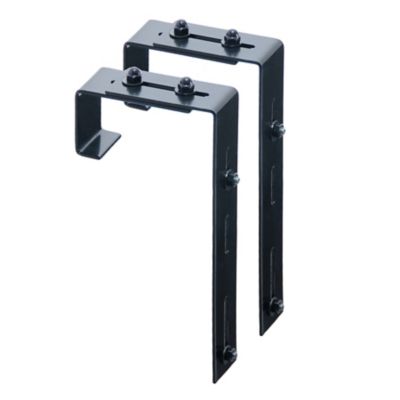
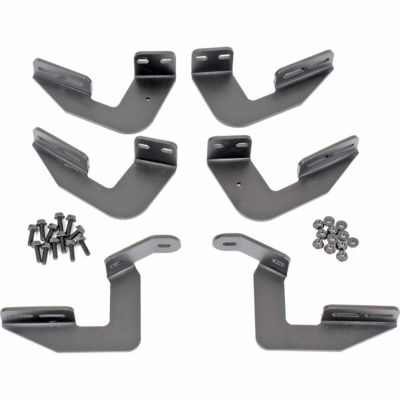
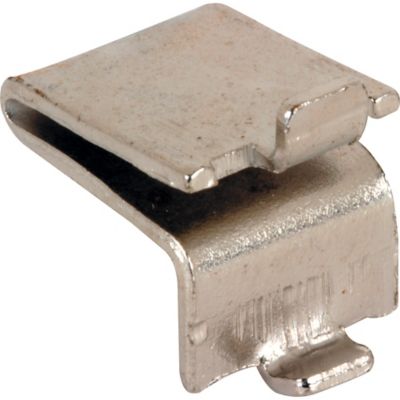
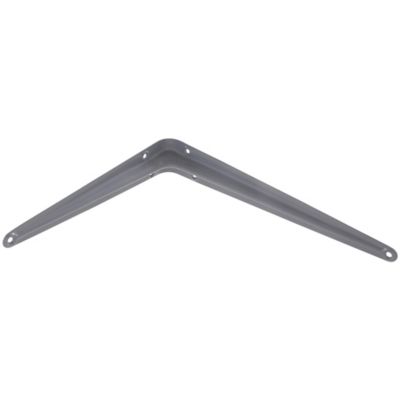
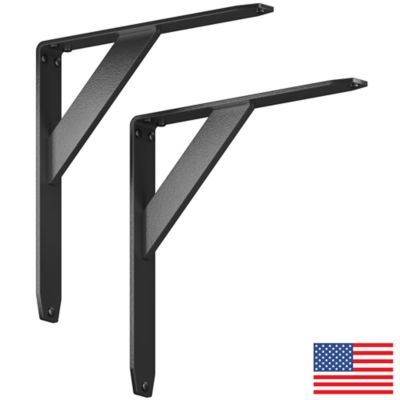
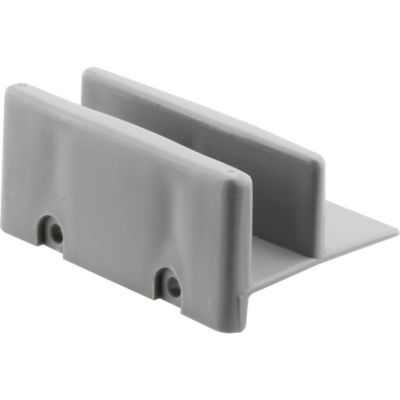
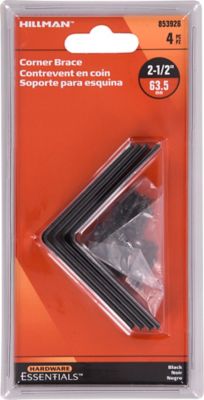
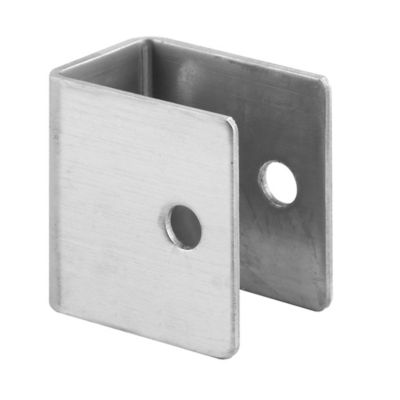
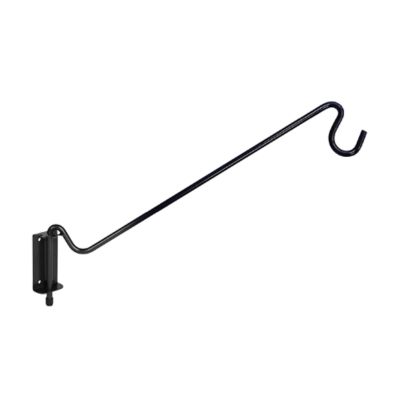
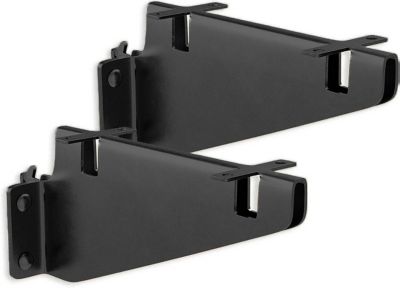
Black brackets are supports and connectors with a black finish, made for jobs such as holding shelves, reinforcing corners, joining framing, or securing parts of a work area. Their shape, dimensions, material, and mounting design determine what they can support; the color alone does not indicate strength or suitability for a particular job. An L-shaped bracket provides support at a right angle, while a flat joining plate connects pieces along the same plane. Shelf brackets may have an open profile, a curved arm, or a diagonal brace beneath the horizontal support. Each shape takes up a different amount of space and handles loads according to its design. Around a farmhouse, garage, barn, or workshop, black brackets can bring a consistent look to open shelving without drawing attention away from the wood or the things sitting on it. Against a light wall, the hardware stands out with a clear outline. Alongside dark shelving or black metal framing, it can blend into the background. Matte, satin, and glossier finishes also give the same basic shape a different appearance, especially where the hardware remains in plain view. Some designs leave room beneath a shelf for tall containers, while others have braces that occupy more of that space. Concealed shelf supports serve a different purpose, hiding much of the mounting hardware inside or behind a compatible shelf. Those designs depend on the shelf’s construction and mounting requirements, not just its appearance. For a utility room lined with cleaning supplies or a shop shelf holding everyday tools, practical details such as bracket projection, mounting-hole placement, and access around the support matter as much as the finish. A bracket that looks right still needs to match the surface, the shelf, and the load. Black is the finishing touch; the connection itself does the work. That distinction helps separate hardware chosen mainly for its appearance from hardware intended to carry weight or reinforce a joint.
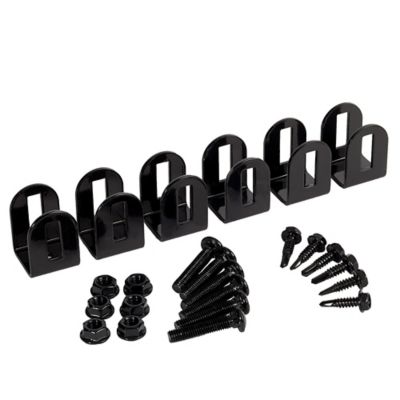
Fit starts with more than the outside measurements. For shelf supports, the horizontal arm needs to suit the shelf depth, and any permitted overhang should follow the manufacturer’s directions. A long shelf may need additional supports to limit bending between brackets, even when its total weight seems modest. Shelf thickness, material, span, and how the contents are arranged all affect the finished setup. A row of small hand tools spread along a shelf creates a different loading pattern than one heavy toolbox sitting near the front edge. The weight of the shelf itself counts, too. Published load ratings deserve close attention because they may apply to one bracket, a pair, or a complete assembly installed under stated conditions. Bracket ratings cannot simply be added together to establish the capacity of an entire shelf. Wall construction, fastener type, fastener spacing, and the strength of the shelf can limit the assembly before the metal support reaches its rated capacity. Solid wood framing, masonry, and hollow walls call for different mounting hardware, and attaching through wallboard is not the same as fastening into framing behind it. Hole size and shape also affect which fasteners fit properly; a screw head needs to seat as intended rather than pull through or sit awkwardly against the metal. For corner and framing connections, the angle, plate thickness, hole pattern, and approved fasteners help determine whether the bracket suits the connection. A shelf support is not automatically a substitute for a framing connector, even if both have a similar right-angle shape. Structural work calls for hardware specified for that application and installation that meets applicable requirements. For a broader look at related support and connection styles,
Metal Brackets covers the wider category beyond a single finish. Keeping the intended job in focus makes it easier to compare dimensions and mounting designs without getting sidetracked by appearance alone. It also helps prevent a neatly finished installation from depending on a connection that was never meant to carry that load.
Material and finish play a big part in how black brackets hold up over time. Steel is common in support hardware, but its performance depends on the alloy, thickness, shape, and construction of the bracket. Aluminum generally weighs less than steel, though matching dimensions do not mean the two materials have the same load capacity. Welds, bends, and reinforcing ribs can all influence strength, so metal thickness is only one part of the comparison. A black surface may come from powder coating, paint, or another treatment, and those finishes do not all provide the same resistance to scratches or corrosion. A coating can help protect the metal beneath it, but it does not make every bracket suitable for exterior installation or damp locations. Suitability for those settings should come from the manufacturer’s stated application. The same care applies around treated lumber, where the bracket and fasteners need to be compatible with the wood treatment. For day-to-day upkeep, gentle cleaning generally protects the finish better than abrasive pads or harsh chemicals. A soft cloth can lift ordinary dust, while cleaning methods for grease or stubborn residue should follow the finish manufacturer’s recommendations. Drying the surface after cleaning helps keep moisture from lingering around screw heads, seams, and joints. Scratches, exposed metal, loosening fasteners, or a shelf beginning to sag are worth attention before more weight goes onto the assembly. In a busy shop, a shelf may gradually collect heavier gear than it held when first mounted, so the original load assumptions still matter. Black brackets work well where practical storage needs to look tidy, from a mudroom shelf holding daily essentials to open storage beside a workbench. Matching the bracket style to the space leaves room for the things that belong there, while sound mounting and sensible loading keep the support doing its job. The best fit brings together the right shape, suitable materials, a compatible finish, and a connection built for its intended use.