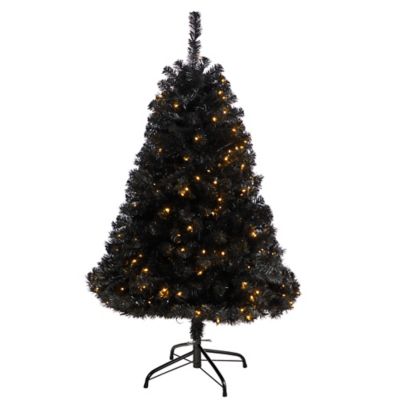
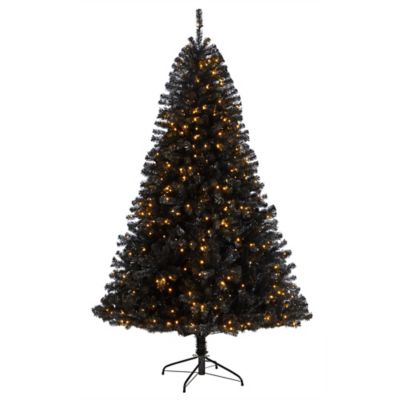
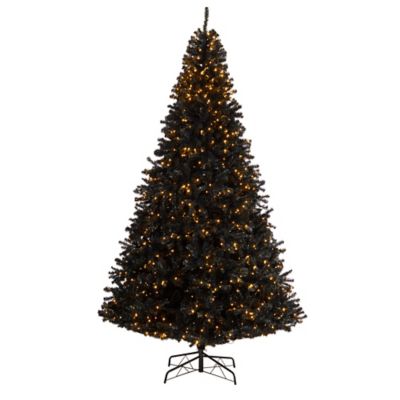
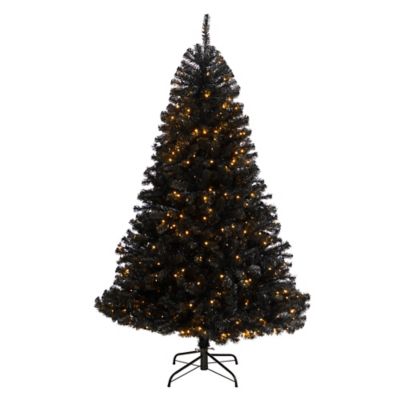
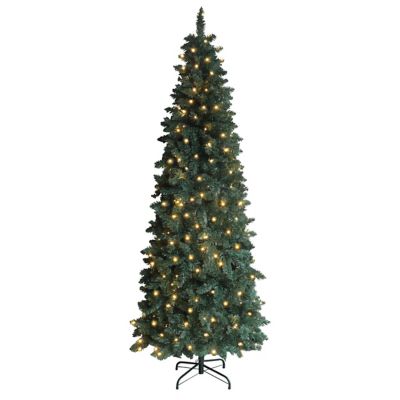
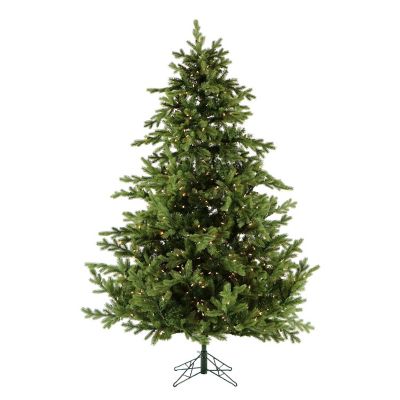
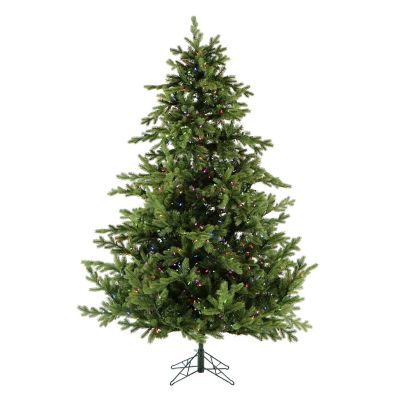
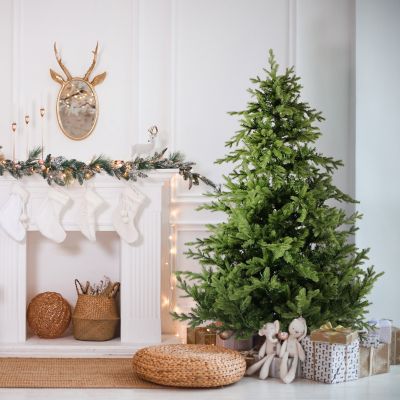
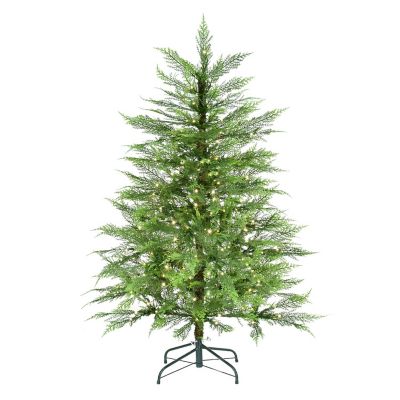
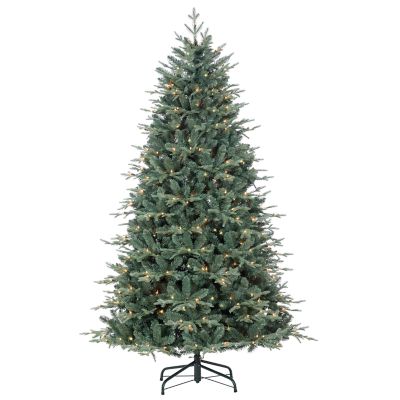
Black artificial Christmas trees give holiday ornaments and lights a dark backdrop, creating a look that can feel modern, gothic, or right at home in a farmhouse living room. Unlike a traditional green tree, a black tree puts the focus on contrast: white snowflakes, red glass balls, silver stars, and warm white lights stand out clearly against the branches. The same color can carry a display from Halloween into Christmas, with a change from pumpkins and purple lights to ribbon, bells, and family keepsakes. Materials make a difference in how that display looks up close. PVC needles generally have a flatter profile, while molded polyethylene branch tips can add more defined needle shapes and texture. Some artificial trees combine materials to balance fullness and branch detail. Black tinsel trees have a shinier surface that catches light, while matte black foliage gives ornaments a quieter background. Pampas-style branches create a softer, feathery outline rather than the familiar evergreen shape. A full silhouette leaves plenty of room for a layered holiday display, while open branch spacing gives larger ornaments room to hang without resting against neighboring tips. Branch strength matters as much as appearance when the ornament box holds metal bells, thick glass pieces, or keepsakes collected over the years. Heavier pieces sit more securely closer to the trunk, where the branches have more support. Black foliage also works with a wide range of room finishes, from white painted walls and galvanized metal to knotty pine and dark wood furniture. A few cream-colored ornaments and a simple fabric tree skirt can keep the look relaxed, while jewel tones and metallic ribbon bring more shine. For households that enjoy changing their holiday colors, the dark branches provide a steady starting point without needing to match the green tones of a natural evergreen. There is no watering involved, and the tree can return to the same familiar corner each Christmas.
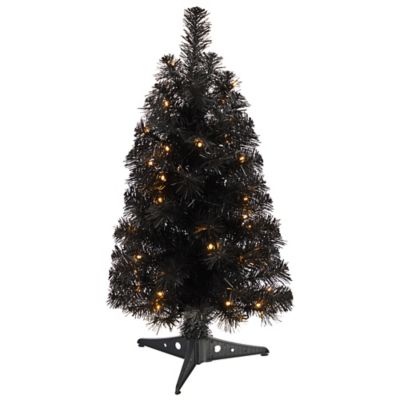
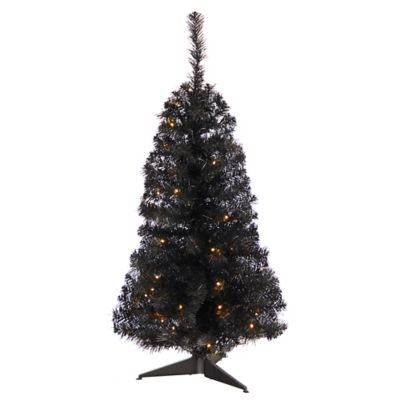
Size and shape determine whether a black artificial Christmas tree feels settled into a room or gets in the way of everyday life. Overall height needs to account for the stand and topper, especially beneath low farmhouse ceilings, exposed beams, or a hanging light fixture. Listed dimensions help clarify whether the tree will fit, but the width at the widest branches is just as important as the height. A broad, full tree can anchor a roomy living area; a slim or pencil shape leaves more walking space beside a sofa, hallway opening, or dining table. A tree around 6 to 7.5 feet tall can suit many living rooms, depending on ceiling clearance, while taller designs need room overhead as well as a wider area around the base. Tabletop sizes bring the same dark holiday look to smaller spots.
Small Artificial Trees suit sideboards, entry tables, and other indoor spaces where a floor-standing tree would crowd the room. The stand needs a level surface and enough space for its entire footprint, not just the trunk. Lighting changes the effect, too. Unlit black trees leave the choice of light color and spacing open, while pre-lit designs keep lights distributed through the branches. Warm white lights create a softer glow against black needles; cool white lights bring a sharper contrast, and multicolor strands give the tree a lively, familiar Christmas feel. LED lights generally draw less electricity and give off less heat than incandescent bulbs, though light counts, functions, and electrical requirements vary by design. Dark light cords blend into black branches more easily than pale cords. A nearby outlet also helps keep cords out of walkways, particularly in busy homes where boots, gift bags, and excited children already fill the entryway. Branch arrangement finishes the silhouette: spreading tips in several directions helps cover gaps and gives lights and ornaments space throughout the tree, rather than leaving everything along the outside edge.
Construction, care, and storage all affect how a black artificial Christmas tree holds its shape from one holiday display to the next. Hinged branches stay attached to the trunk and fold upward for packing, while other designs have separate branches that fit into marked positions. Pop-up constructions offer a different setup, often with a collapsible shape rather than individually arranged branches. Clear section markings and a well-fitting stand make assembly less of a chore, especially when a larger tree takes two adults to handle comfortably. Metal branch supports can hold their position well, but repeated sharp bending can weaken wires or loosen connections. Gentle shaping near the branch joints is easier on the tree than pulling hard at the tips. For cleaning, a soft, dry cloth or gentle dusting usually suits artificial foliage; care directions take priority when branches have tinsel, special finishes, or attached lights. Water and cleaning sprays do not belong on electrical connections, and a pre-lit tree needs to be unplugged before cleaning or checking its wiring. Indoor trees belong indoors unless their labeling specifically permits another setting. Even a covered porch can expose a tree to wind, moisture, and sun that an indoor design is not built to handle. Inside the house, a level position away from woodstoves, fireplaces, heating vents, and exits supports a safer display. Flame-resistant labeling does not make any artificial tree fireproof. After Christmas, removing ornaments and loose hooks before packing helps prevent snags and bent branches. Fully dry sections belong in a properly sized storage bag or sturdy carton, with lights and cords protected from crushing. A dry storage area away from leaks, pests, and heavy stacked boxes helps preserve the foliage and electrical parts. That bit of care makes it easier to bring the tree back out, spread the branches, and make room for another round of family ornaments.