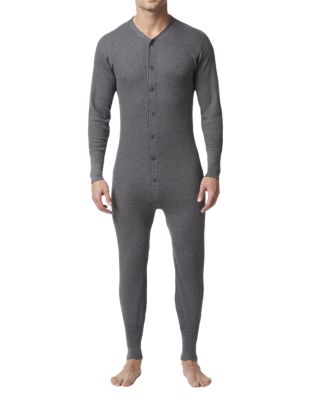
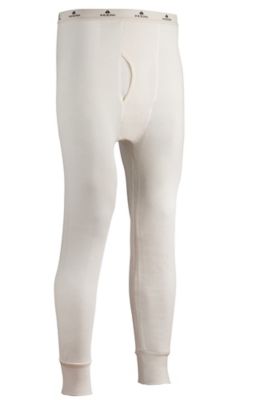
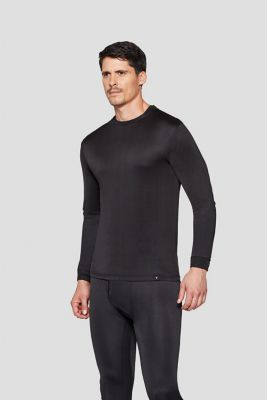
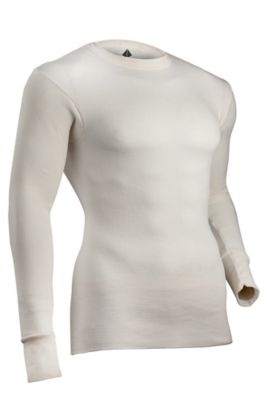
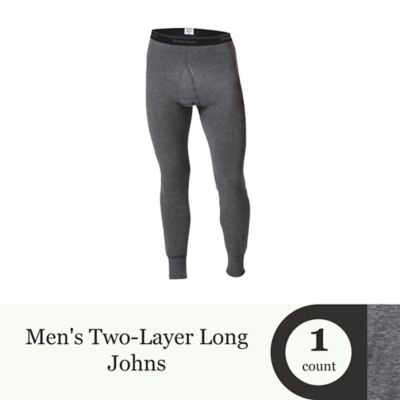
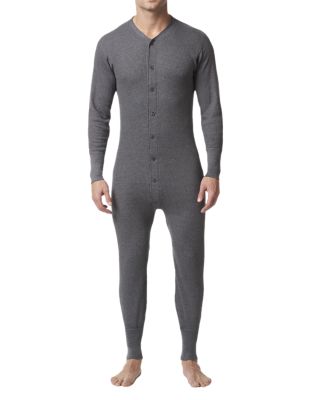
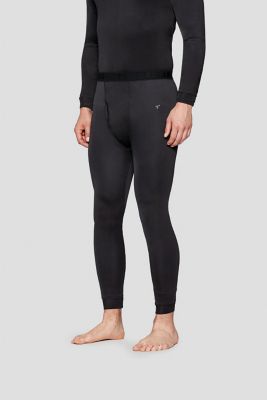
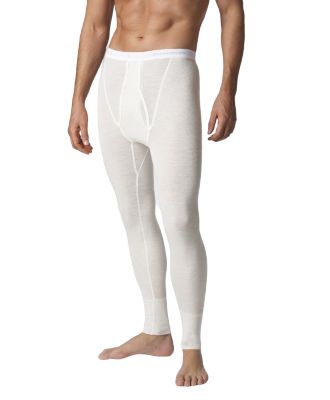
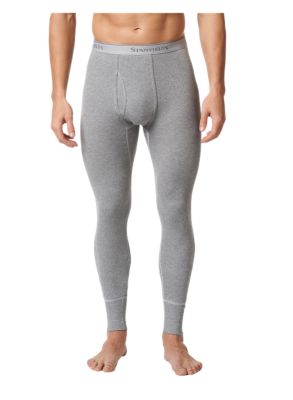
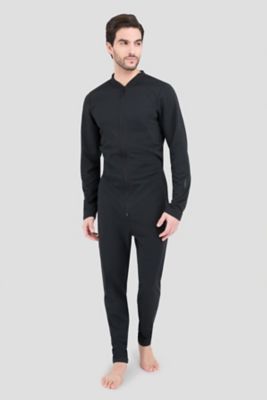
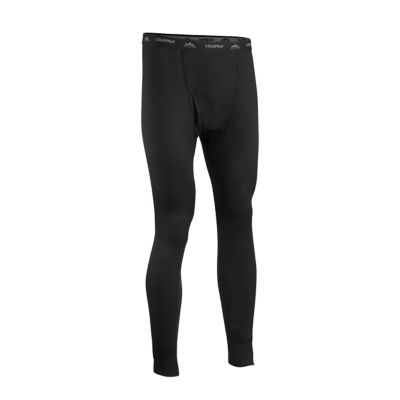
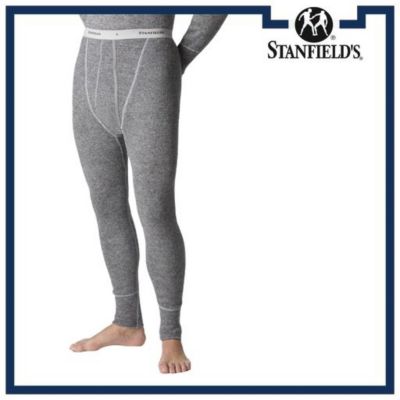
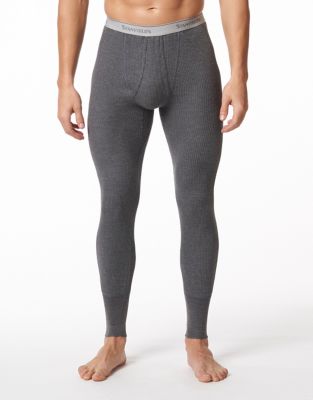
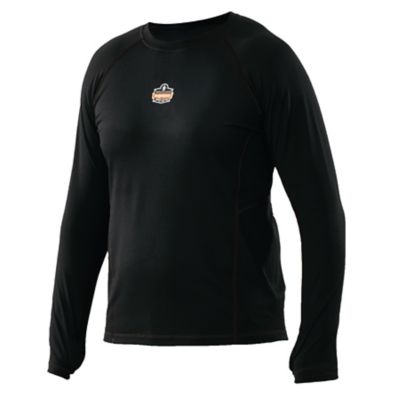
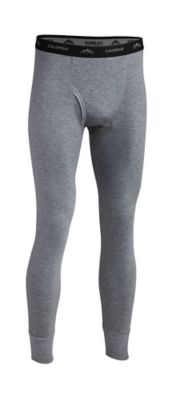
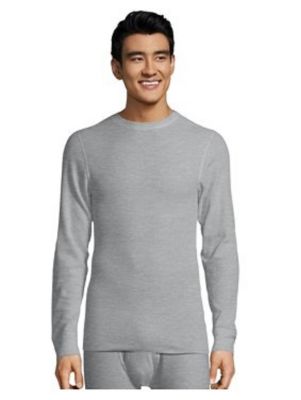
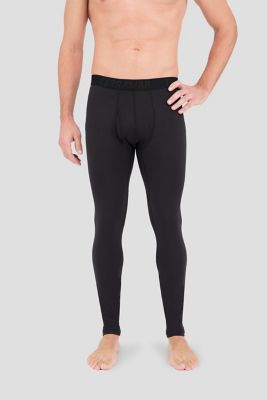
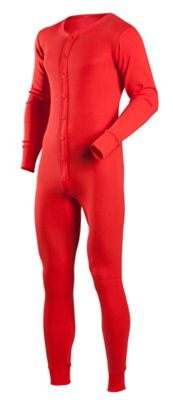
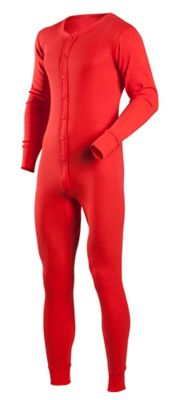
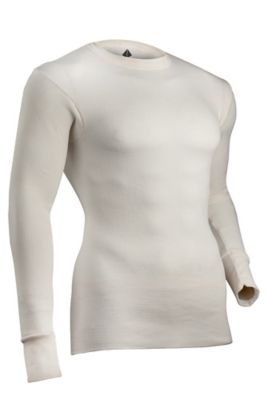
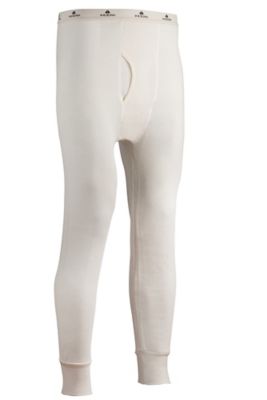
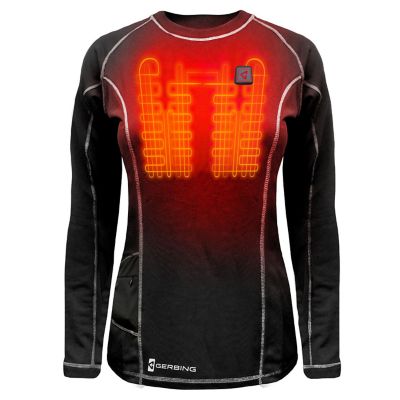
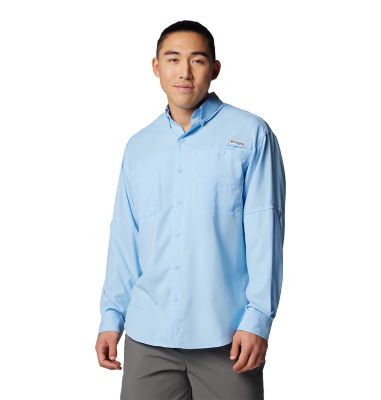
Big and tall thermal underwear adds a close-fitting layer of warmth beneath everyday work clothes, with proportions that accommodate a broader build, a longer frame, or both. Big sizing generally provides more room through the chest, waist, seat, and thighs, while tall sizing generally adds length through the body, sleeves, and legs. Those differences matter when a morning involves reaching over a gate, climbing into a tractor cab, or bending to fill feed pans. A thermal shirt needs enough body length to stay tucked, and long johns need enough rise and inseam length to cover comfortably without pulling at the knees or seat. Simply going up a size may add width without providing the length a taller person needs. Chest, waist, hip, and inseam measurements, compared with the garment’s size chart, give a better starting point than the size of a favorite pair of jeans alone. Sizing varies between manufacturers, so letter sizes do not tell the whole story. The right fit sits near the skin without squeezing, sagging, or bunching beneath pants. Shoulder seams should allow an easy reach, waistbands should lie flat, and ankle cuffs should meet socks without leaving a bare strip of skin. A little stretch can make a noticeable difference during a long day of lifting, walking, and crouching. Separate thermal tops and bottoms also let someone match a broader chest with a narrower waist or choose different lengths where needed. For taller folks, bigger builds, and anyone who has spent a cold morning tugging a shirt back into place, well-proportioned base layers take one small hassle out of getting dressed. They belong beneath chore clothes, hunting layers, and other cold-weather gear, but they can be just as welcome under loose pants for an evening in a chilly house. Their job is straightforward: help hold warmth close while leaving enough freedom to get on with the day.
Fabric and knit construction shape how big and tall thermals feel, how much warmth they provide, and how they handle sweat. Traditional waffle-knit thermal underwear has a textured surface that helps trap insulating air beneath outer clothing. Cotton-rich fabrics often feel soft against the skin and can suit low-output tasks or indoor wear, though cotton absorbs moisture and dries more slowly than many synthetic fabrics. That matters when hauling firewood gets a person sweating before the work shifts to standing at a fence line. Polyester blends generally dry faster, and fabrics designed to move moisture away from the skin can help manage that stop-and-start routine. Merino wool can help regulate moisture and resist odor, while wool blends combine those characteristics with other fibers for stretch, easier care, or added strength. A small amount of spandex can help fabric flex at the elbows, knees, and seat and return toward its original shape afterward. Brushed interiors offer a soft, fuzzy feel, while smoother knits tend to slide more easily beneath fitted shirts and work pants. Fabric weight deserves attention, too. Lightweight base layers provide warmth with less thickness and often suit active work or milder cold. Midweight thermals offer a middle ground for changing conditions, while heavyweight fabrics generally provide more insulation for lower-activity time outdoors. Those labels are relative, not a promise of comfort at a particular temperature. Wind, dampness, outer layers, activity level, and personal comfort all affect the result. Someone walking pasture fences may want a different weight than someone sitting in a deer stand or watching a game from cold bleachers. The broader
Thermal Underwear For Cold Weather category offers another way to consider base layers alongside big and tall sizing needs. Whatever the fabric, thermal underwear works as part of a clothing system rather than a replacement for a wind-blocking shell, weather protection, or an insulating coat when conditions call for them.
Everyday comfort also comes down to the parts of thermal underwear that are easy to overlook until several hours into a shift. Flat or low-profile seams can reduce rubbing beneath a waistband, across the shoulders, or where a work boot meets the lower leg. Ribbed cuffs help keep sleeves and legs in place, but they should not leave deep marks or feel restrictive. A comfortable waistband stays put without rolling when sitting in a truck or leaning over a workbench. Fly openings, neckline shapes, and sleeve lengths are practical preferences worth matching to the clothes worn on top. A crew neck gives coverage beneath a flannel shirt, while a lower neckline may stay out of sight beneath an open collar. Enough room through the seat and thighs helps thermal bottoms follow a full stride without dragging at the waist. Long-term wear depends on fabric, construction, fit, and care working together. Constant strain on tight seams can shorten a garment’s life, and excess fabric can fold and rub under outer layers. Washing according to the care label helps protect stretch, softness, and shape; high dryer heat can contribute to shrinkage or damage elastic fibers. Wool garments may call for a gentle cycle, wool-safe detergent, and air drying, depending on their construction. Some moisture-managing fabrics also carry instructions to avoid fabric softener because it can interfere with performance. Letting thermals dry fully between wears and keeping hook-and-loop fasteners away from softer knits can help prevent lingering dampness and snags. For farm chores, outdoor trades, camping trips, and quiet time on the porch during the cooler months, the most useful pair is one that feels comfortable from the first layer to the last. Big and tall thermal underwear can also make a practical gift for someone who spends plenty of time outside, especially when their measurements, preferred fabric, and usual activity are known. Enough coverage, manageable warmth, and room to move make these layers a welcome part of the cold-weather clothing rotation.