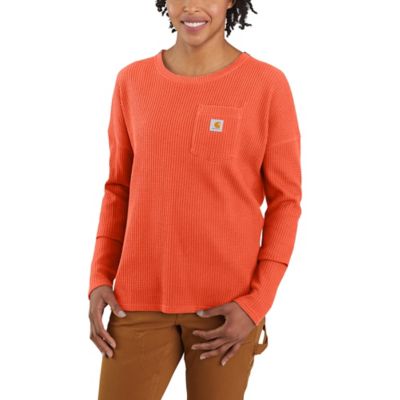
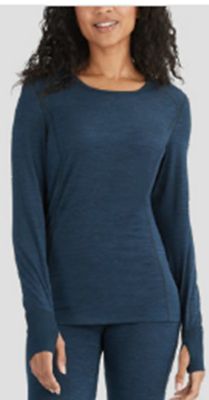
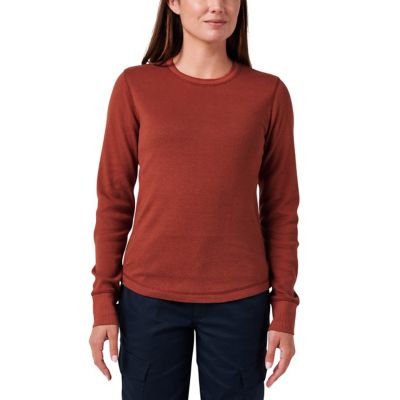
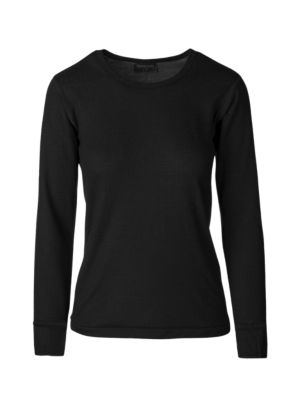
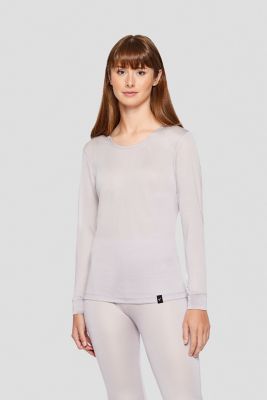
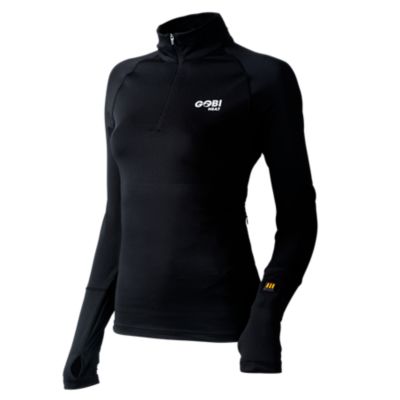
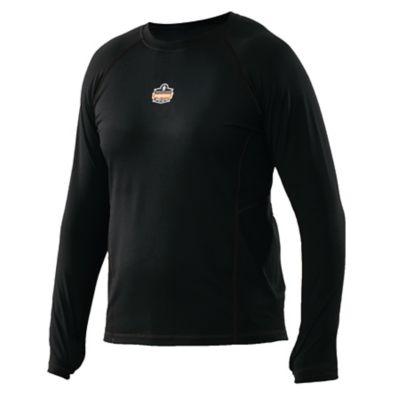
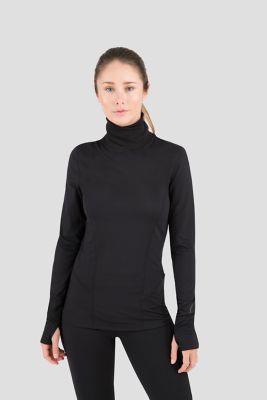
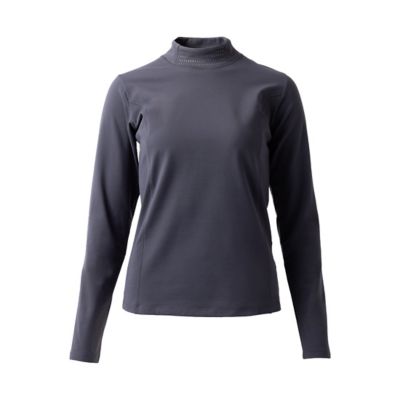
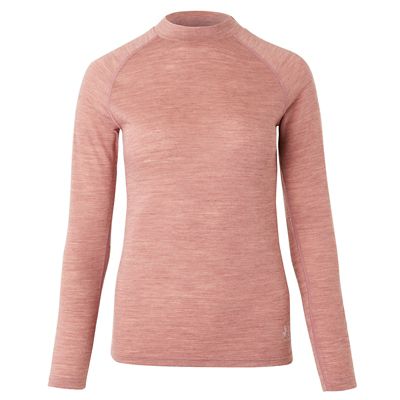
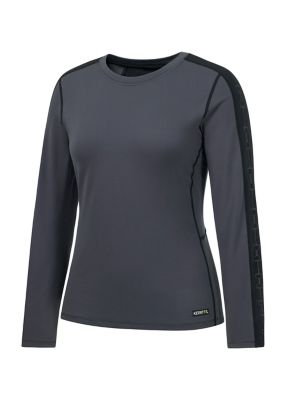
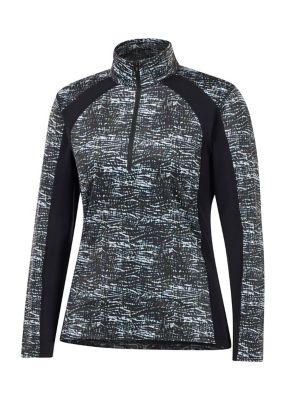
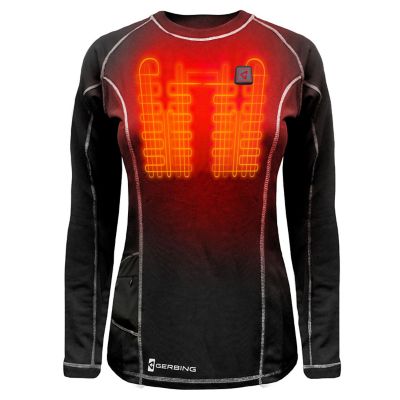
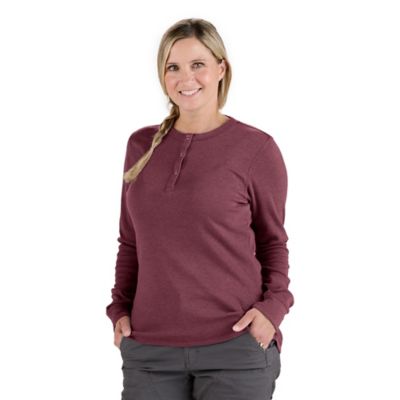
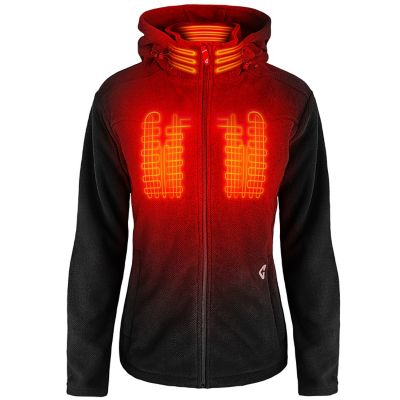
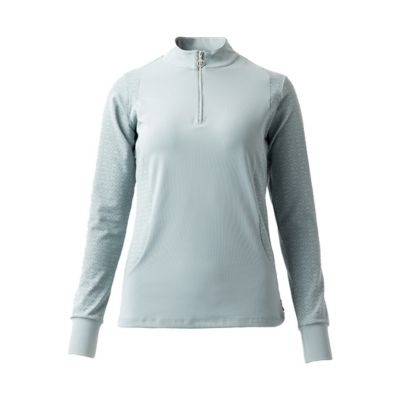
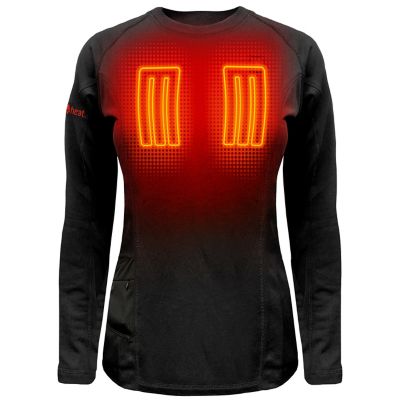
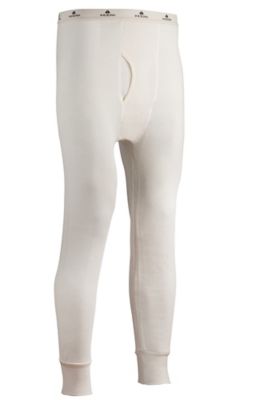
Women's thermal tops provide a warm layer close to the skin, with styles ranging from lightweight shirts for active days to thicker, fleece-lined layers for slower stretches outdoors. Their job is to help hold warmth near the body while fitting comfortably beneath other clothing. A thermal shirt can take the chill out of an early feed run, add comfort beneath a work shirt or make an evening on the couch a little cozier. The fabric makes a real difference in how that warmth feels. Cotton waffle knits have a familiar, soft feel, and their textured construction helps create small pockets of insulating air. Cotton can be comfortable for everyday wear and lighter chores, though it absorbs moisture and generally takes longer to dry than many performance fabrics. Polyester and nylon blends often appear in moisture-wicking thermal tops, where the fabric is designed to move perspiration away from the skin and help it evaporate. These blends suit activities that build up a sweat, such as stacking firewood, walking fence lines or hiking a steep trail. Merino wool offers another approach, helping manage moisture and body temperature while naturally resisting odors. Wool blends may include synthetic fibers for stretch, easier care or added strength. Brushed interiors and fleece linings create a soft surface against the skin and can add insulation without requiring several separate shirts. Fabric weight also matters: lightweight thermals fit easily beneath everyday clothing, midweight layers balance warmth with room to move, and heavier constructions suit less active stretches in colder conditions. No single fabric weight tells the whole story, since wind, exertion and the layers worn over a thermal shirt all affect comfort. A lighter base layer beneath a wind-blocking jacket may feel better during hard work than a thick shirt that leaves little room for heat to escape. Thermal tops provide insulation, but they do not take the place of an outer layer suited to wind, rain or snow.
Fit helps a women's thermal top do its job without getting in the way. A base layer generally sits close to the body, with enough room to breathe deeply, reach overhead and bend down without pulling across the shoulders or riding up at the waist. Fabric that stretches with movement is especially handy when lifting a saddle, reaching into a truck bed or carrying a full laundry basket. Close-fitting does not have to mean tight; a shirt that pinches beneath the arms or strains across the back can become a distraction long before the chores are finished. A slightly relaxed thermal can also work well as an everyday shirt, especially when it will be worn on its own indoors rather than beneath fitted clothing. Sleeve length and hem coverage deserve attention, too. Cuffs that stay near the wrist help prevent gaps between sleeves and gloves, while a longer hem offers coverage when bending to fill a water bucket. Flat seams and smooth stitching can make a difference under bib overalls, backpack straps or a fitted work shirt, where raised seams may rub with repeated movement. Crewnecks offer straightforward coverage beneath flannels and sweatshirts. Scoop necks sit lower beneath everyday tops, while mock necks and turtlenecks extend warmth farther up the neck. A zip neckline allows some adjustment when a brisk walk turns into an uphill climb. Thumbholes can help sleeves stay in place while pulling on another layer, though a plain cuff may feel simpler beneath snug gloves. The best combination depends on the day's work and the clothing around it. A thermal worn beneath barn clothes needs freedom through the shoulders and elbows; one worn beneath office clothing benefits from smooth fabric and a neckline that stays out of sight. For a day that moves between a chilly outbuilding, a heated cab and the kitchen table, breathable layers make those changes easier to manage without carrying a heavy shirt everywhere.
Everyday wear puts thermal shirts through plenty of bending, stretching and washing, so construction and care matter as much as the first soft touch. Even stitching, secure cuffs and a neckline that holds its shape help a top stay comfortable through repeated wear. Friction from workwear, straps and rough surfaces can gradually affect any knit, particularly soft brushed fabrics, so thermal layers usually fare better beneath an outer shirt during jobs around rough lumber or snag-prone equipment. Care requirements vary by fiber and finish, making the garment label the best starting point. Many synthetic blends tolerate a gentle machine wash, while wool may call for a wool-friendly detergent, cooler water and a particular drying method. Excessive dryer heat can affect stretch fibers and contribute to shrinkage, so lower heat or air drying may be the better choice when the label allows it. Fabric softener can interfere with some moisture-wicking finishes; following the care directions helps preserve the features that make a base layer comfortable. Turning shirts inside out and fastening zippers on other garments can reduce rubbing and snags in the wash. Letting a top dry fully before folding it also keeps damp fabric from sitting in a drawer or gear bag. Women's thermal tops make practical gifts for someone who spends time tending animals, hunting, camping or walking the back roads, as well as anyone who appreciates an extra layer at home. The recipient's usual activities, preferred neckline and normal clothing size offer better clues than choosing the thickest fabric alone. A smooth, lighter shirt may get more wear beneath daily clothes, while a brushed layer may suit someone who spends long stretches sitting outdoors. For more cold-weather layering options, explore
Winter Tops For Women. A thermal top earns its place through the ordinary details: sleeves that stay put, fabric that feels comfortable against the skin and enough freedom to get through the day's work.