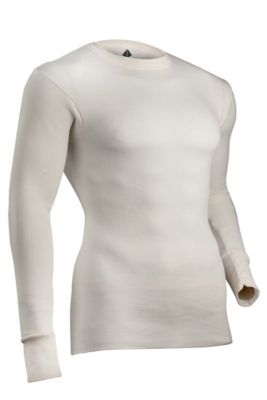
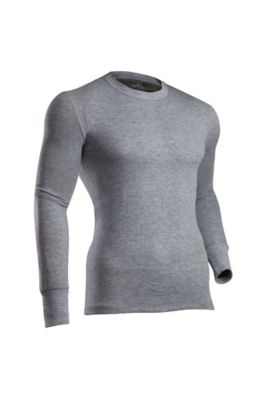
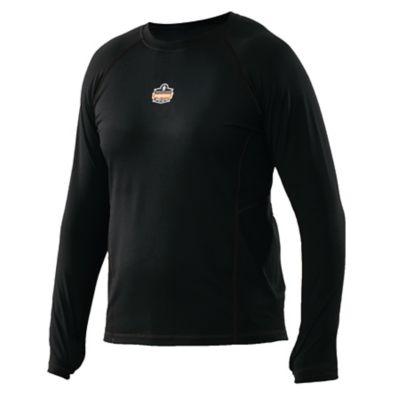
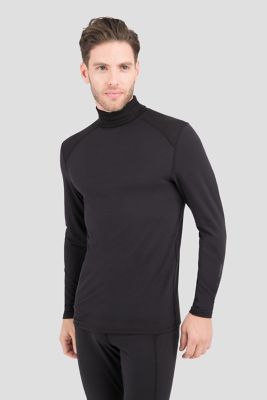
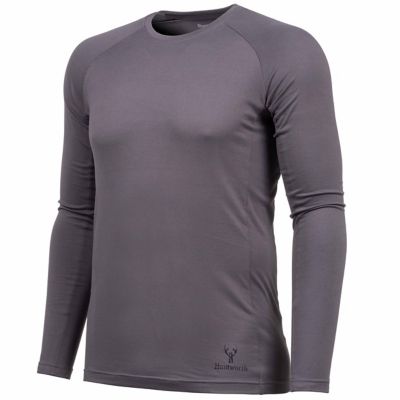
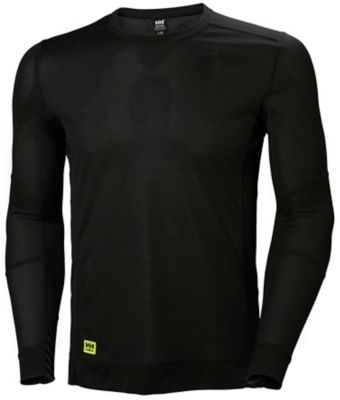
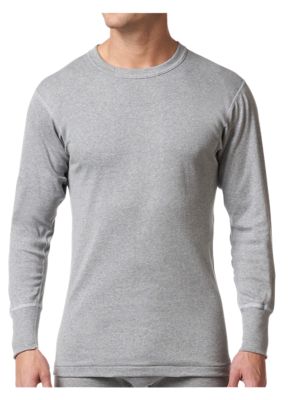
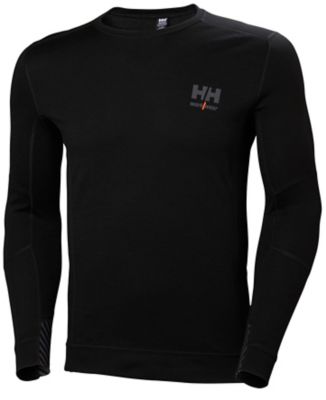
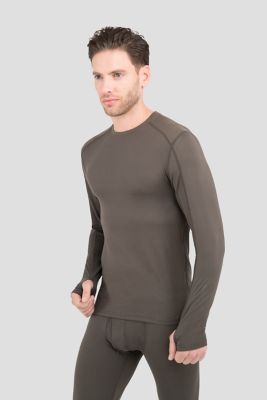
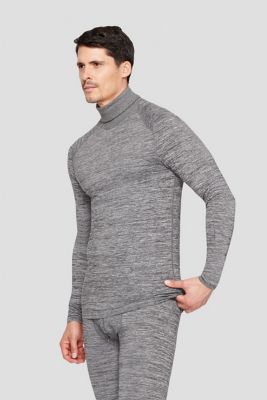
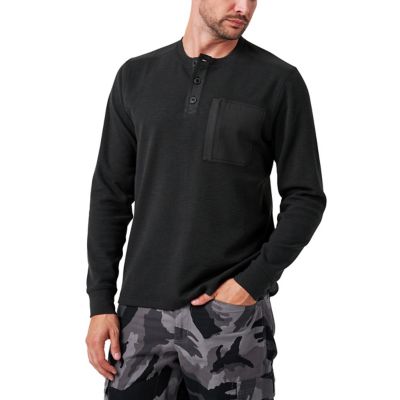
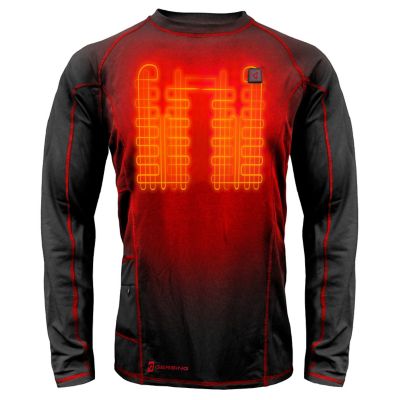
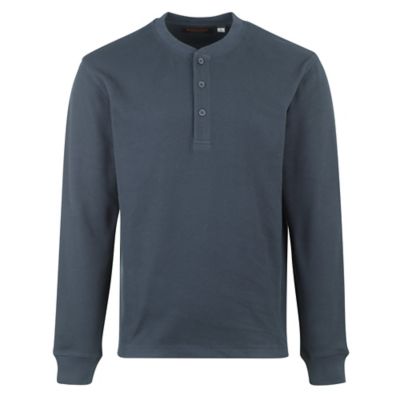
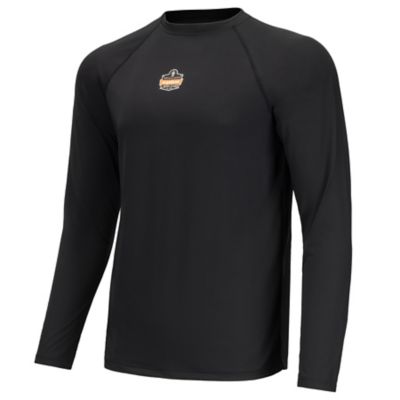
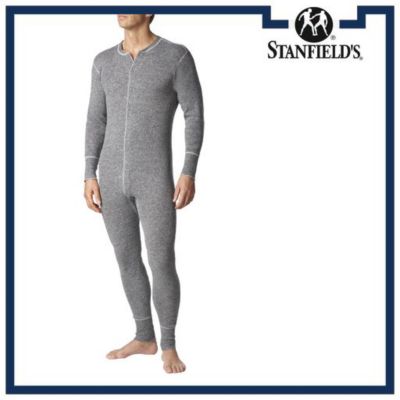
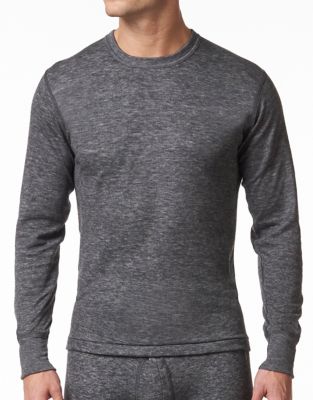
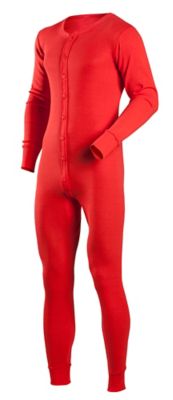
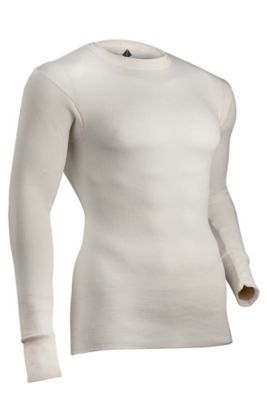
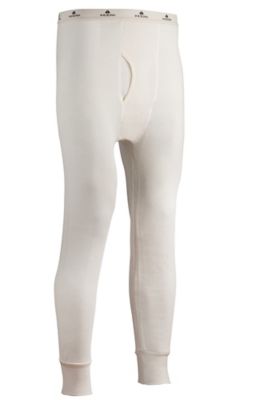
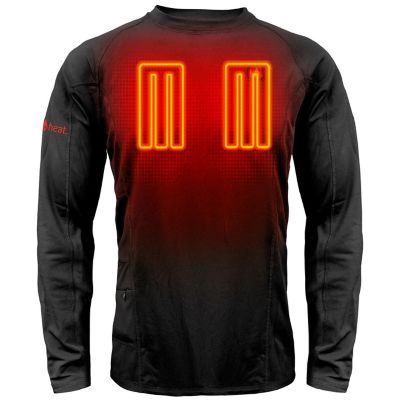
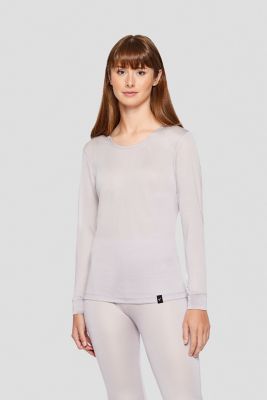
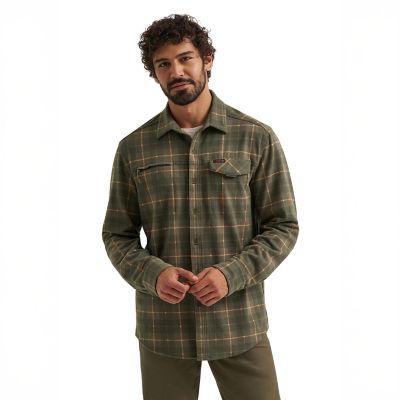
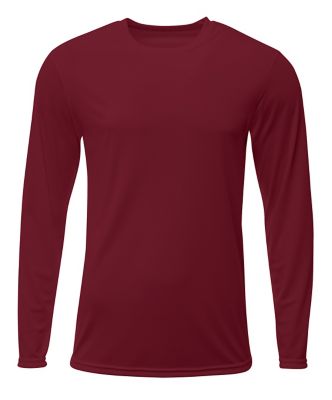
Long-sleeve thermal shirts for men provide an insulating layer that helps hold body heat close without the heft of a heavy sweatshirt. They work as base layers beneath work shirts and jackets or as casual tops when extra coverage feels right. From feeding livestock before daylight to stacking firewood or sitting along a creek bank, a thermal shirt adds warmth while leaving room to move. The fabric and knit construction make a difference in how that warmth feels. Waffle-knit fabric has a raised grid that creates small pockets of air, while smoother thermal knits can slide comfortably beneath other clothing. Cotton offers a soft, familiar feel for everyday wear and jobs that involve more standing than sweating. Polyester and other synthetic fibers often dry faster than cotton, making them practical for active chores and long stretches of walking. Blends combine different fiber characteristics, and a little stretch can help a shirt move with reaching, bending and lifting. Merino wool is another option for insulation and moisture management, with a feel that depends on the fiber and fabric construction. Cotton absorbs moisture and can stay damp longer than many synthetic fabrics, a consideration when hard work alternates with periods of rest in the cold. Fabric weight matters, too: a lighter layer can take the edge off a chilly start, while a heavier knit offers more insulation beneath roomy outerwear. Thickness alone does not tell the whole story, since fit, moisture and the clothing worn over a thermal also affect comfort. A thermal shirt provides warmth, but it does not take the place of a wind-blocking or rain-shedding outer layer. Out in an open pasture or on an exposed tractor seat, that outer protection helps keep moving air from carrying warmth away.
Fit determines how comfortably a men’s long-sleeve thermal shirt works through a full day. A close-fitting base layer sits near the body and slips beneath a flannel, sweatshirt or jacket without bunching at the elbows and waist. Close-fitting should not mean restrictive; there should still be room to reach across a truck bed, carry a feed sack or stretch toward a high shelf. A roomier thermal can feel more natural as a standalone shirt, especially for relaxing after chores or heading into town. Sleeve length deserves attention because arms often reach farther during work than they do while standing still. Cuffs that stay near the wrists help maintain coverage, and enough length through the body helps a tucked shirt stay put when bending over a fence rail or kneeling beside equipment. For taller men, extra torso and sleeve length can matter more than simply moving up a size, which may add unwanted width. Shoulder placement, underarm room and stretch all influence movement, while flat or low-profile seams can reduce rubbing beneath another layer. Ribbed cuffs help keep sleeves from sliding toward the hands, though the opening should feel comfortable rather than tight. A crew neck offers straightforward coverage beneath most work shirts, while other necklines may suit different layering preferences. Color also plays a practical part: neutral shades pair easily with jeans and work pants, and a lighter thermal may be less noticeable beneath a pale shirt. Men working around sparks, flame or other workplace hazards need clothing that meets the requirements of that setting; an ordinary thermal shirt should not be treated as protective workwear. For everyday chores, hunting camp downtime, walks along the fence line and casual wear, the right combination of cut and fabric helps a thermal feel comfortable without constant tugging or adjustment.
Care habits help long-sleeve thermal shirts keep their shape, softness and usefulness through repeated wear. The garment’s care label is the best starting point because cotton, wool, synthetic fibers and stretch blends can call for different washing and drying methods. High dryer heat can shrink some fabrics or affect stretch, while a gentler drying setting or air drying may better suit the material. Wool garments may need a wool-friendly wash cycle and detergent, and some performance fabrics carry instructions against fabric softener. Giving a damp shirt a chance to dry before dropping it into a hamper helps keep moisture from lingering between laundry days. Rough hardware, open zippers and hook-and-loop fasteners can snag softer knits in the wash, so separating those pieces can help prevent unnecessary wear. Strong stitching, well-finished seams and cuffs that recover their shape are useful details in shirts that spend time under work layers. Even a substantial thermal benefits from an outer shirt or jacket when the job involves brush, rough lumber or repeated rubbing against equipment. A rotation of
Thermal Shirts makes it easier to have a fresh layer ready after a sweaty chore or a muddy afternoon. These shirts can also make practical gifts for men who spend time outdoors, work in unheated buildings or simply like an extra layer around the house. A familiar shirt size is a helpful starting point, but the recipient’s preference for a snug base layer or a relaxed everyday fit matters just as much. Someone who walks property lines may appreciate a lighter, faster-drying fabric, while someone tending a shop or taking breaks on the porch may prefer the feel of a thicker knit. Long sleeves, comfortable cuffs and a sensible amount of warmth give this everyday layer a place alongside work pants, flannels and jackets, ready for the routines that carry on when the air turns cold.