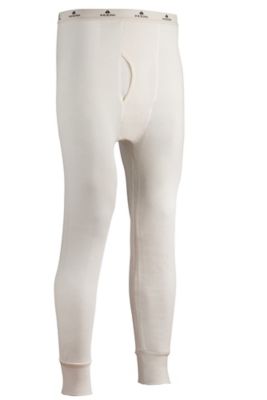
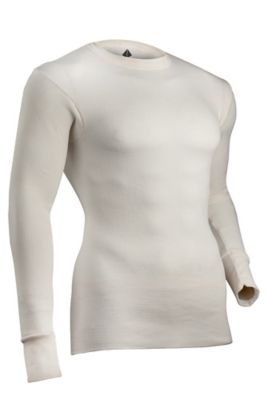
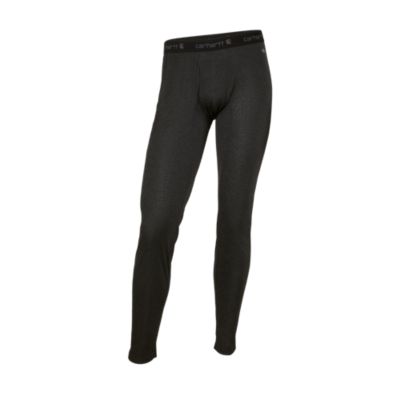
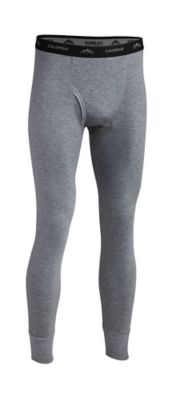
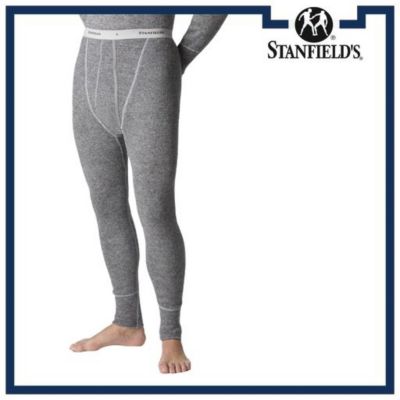
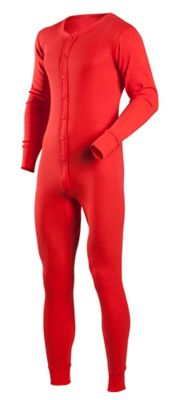
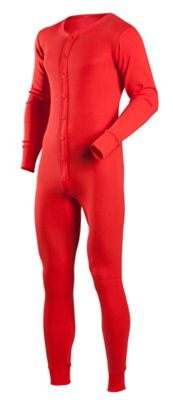
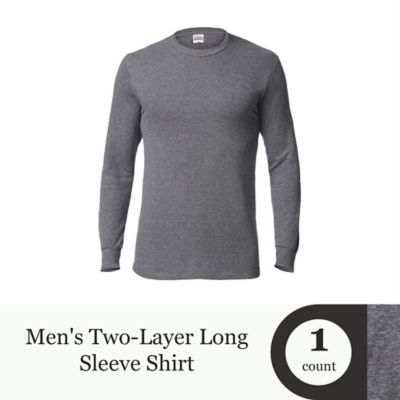
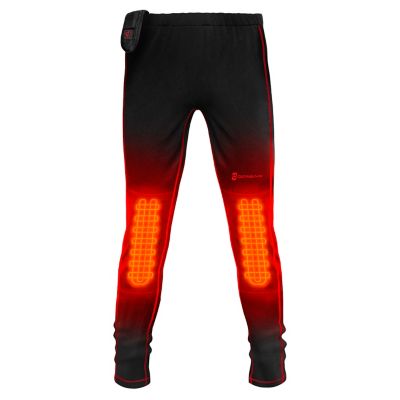
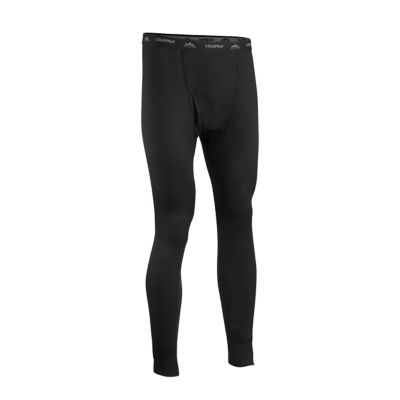
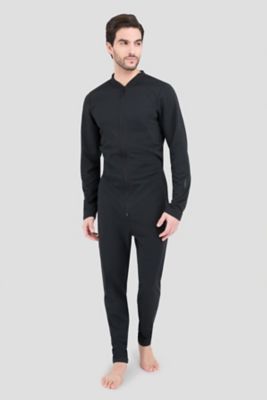
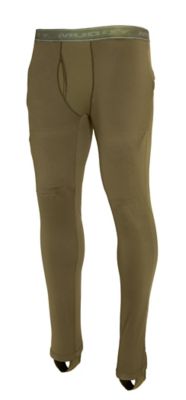
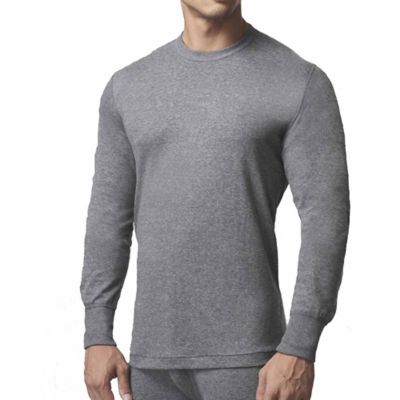
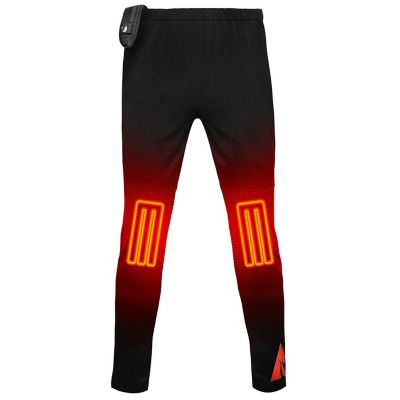
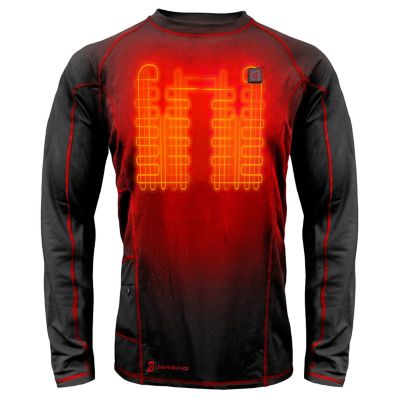
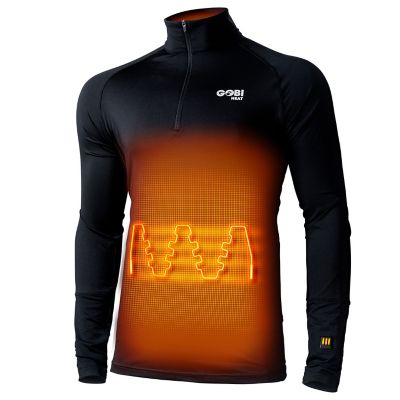
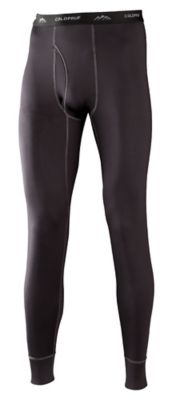
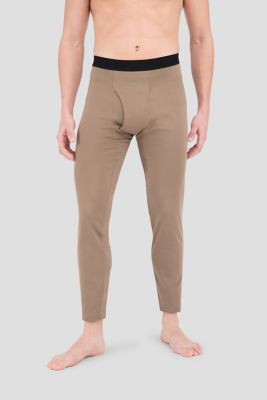
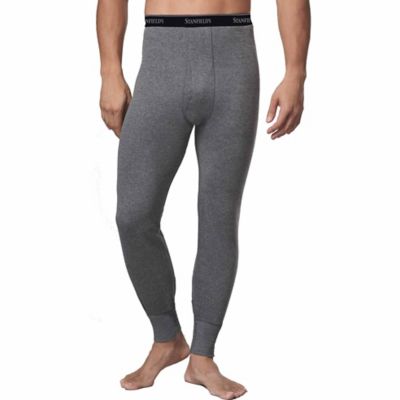
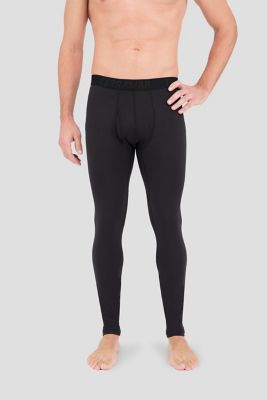
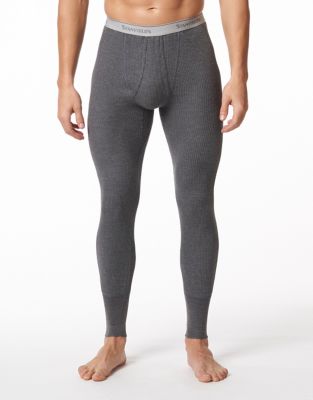
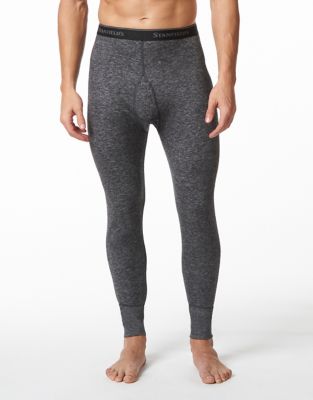
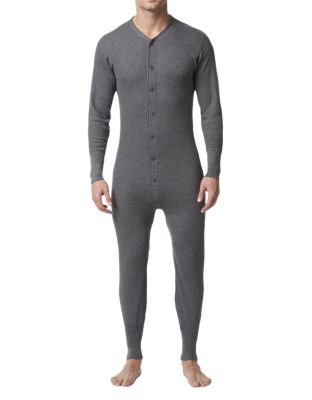
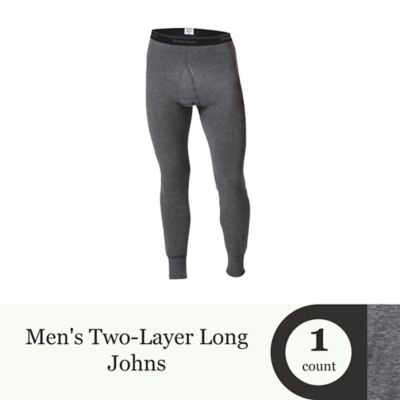
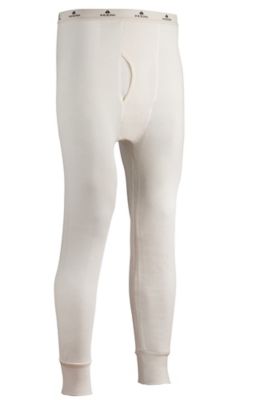
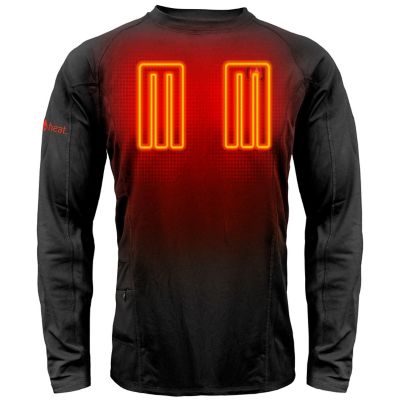
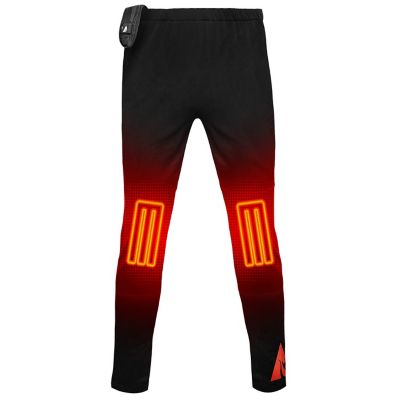
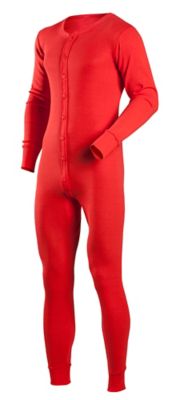
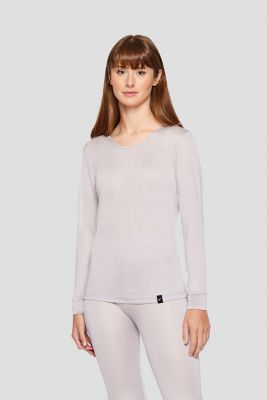
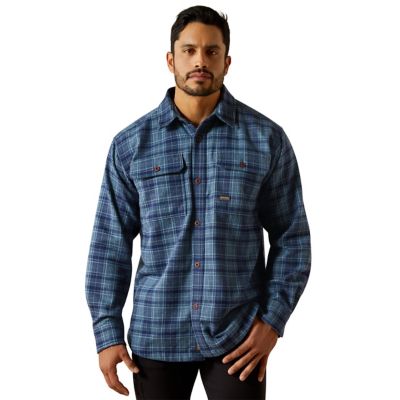
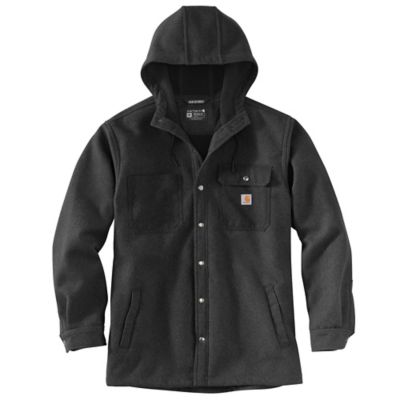
Men’s winter thermal underwear is a dependable first layer when cold air settles in and regular work clothes alone do not quite cut it. Designed to sit close to the skin, thermal tops and bottoms help hold in body heat while moving moisture away from the body, making chilly mornings more comfortable from the first chore to the last. They are useful for farm and ranch work, hunting, fishing, camping, snow removal, outdoor construction, commuting, watching a ball game from the bleachers, or simply staying warmer around the house. A thermal shirt can fit beneath a flannel, sweatshirt, work jacket, or insulated coverall, while thermal pants can slide under jeans, canvas work pants, bibs, or snow pants without adding too much bulk. For a broader look at layering options, browse
Thermal Underwear For Cold Weather. The right pair feels like a quiet bit of extra protection rather than another heavy garment to manage. When the wind cuts across an open pasture or the temperature drops before daylight, a comfortable base layer helps take the edge off and gives you more freedom to focus on the job at hand. Many men wear thermals every day during the cooler months, keeping a few sets ready for early starts, long drives, outdoor projects, and weekend adventures. They also make practical gifts for a dad, husband, brother, son, coworker, or anyone who spends time outside. A fresh set is especially handy for someone moving into a colder climate, starting an outdoor job, preparing for a hunting trip, or building up dependable cold-weather gear.
When choosing men’s thermal underwear, start with the activity, weather, and fit. Lightweight thermals work well under everyday clothing, during mild cold, or when you will be moving steadily and generating plenty of heat. Midweight layers offer a useful balance for outdoor work, travel, hunting, and general cold-weather wear. Heavyweight thermals provide more insulation for deep cold, slower-paced activities, long periods outdoors, or time spent standing still. A close fit helps the fabric work properly, but it should never feel restrictive across the shoulders, seat, thighs, or waist. Look for stretch through the body and joints so you can climb into a truck, crouch beside a fence line, reach for a tool, or split wood without tugging at the fabric. Flat seams, smooth waistbands, and tag-free designs can help prevent rubbing beneath other clothes, especially during a long shift. Check the size chart and consider how the layer will fit under your usual workwear. A base layer that is too loose may bunch beneath pants or leave cold spots, while one that is too tight can feel uncomfortable and limit movement. Thermal tops come in several cuts, including crew necks, mock necks, and long sleeves, so think about the collar and outer layers you plan to wear. A lower-profile neckline is easy under a button-down shirt, while a higher neck can offer extra coverage when the wind picks up. Thermal bottoms may have ankle cuffs, fitted legs, or a more relaxed shape, and the best choice depends on whether they will be worn beneath slim jeans, roomy work pants, or insulated bibs.
Fabric makes a difference in warmth, comfort, drying time, and care. Cotton and cotton-blend thermals are soft, familiar, and comfortable for casual wear, lounging, travel, and light outdoor use. Because cotton can hold moisture, it may not be the best choice for strenuous work or high-output activities where sweat can build up. Polyester and other synthetic materials are often lightweight, quick-drying, durable, and easy to layer, making them a strong option for active work, winter sports, hiking, and changing conditions. Spandex or other stretch fibers can improve mobility and help the garment keep its shape after repeated wear. Merino wool offers natural warmth, breathability, and odor resistance, with a comfortable feel for many people even during extended wear. Wool blends can balance insulation and softness while helping manage moisture, and they are a popular choice for hunting, travel, camping, and long days outside. Some fabrics are made for warmth with brushed or fleece-like interiors, while others use a smoother knit that slides easily under work clothes. Consider how much you move, how long you will be outside, whether you tend to run warm or cold, and how often you want to wash the garment. For someone who works hard outdoors, moisture management and quick drying may matter as much as insulation. For someone spending a quiet morning in a deer stand or a full day in the cab of a tractor, added warmth and a comfortable fit may take priority. Layering also gives you flexibility: a lightweight thermal can go under a midweight shirt, while a midweight base layer can be paired with a vest, coat, or coverall as the weather turns colder. Follow the care instructions to help preserve stretch, softness, and shape, and keep more than one set on hand so a damp or dirty layer is not a problem before the next early start.