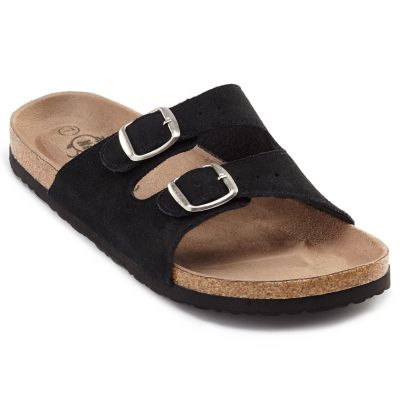
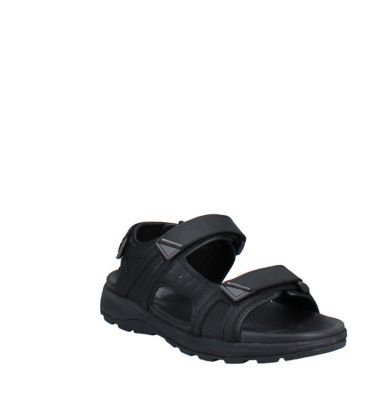
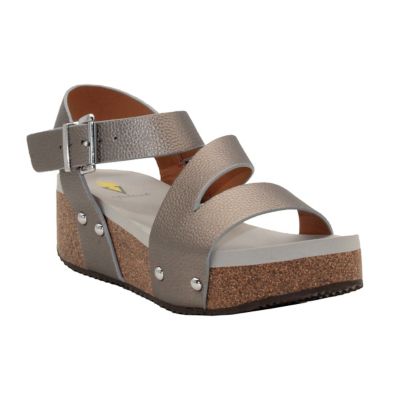
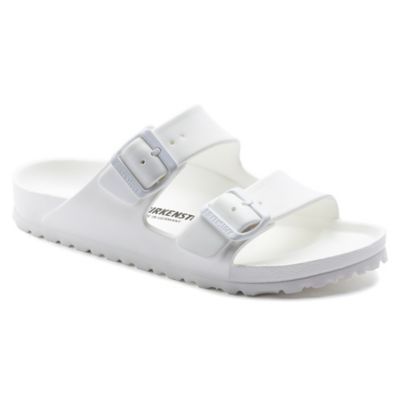
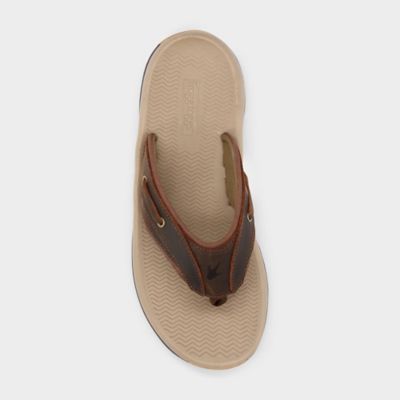
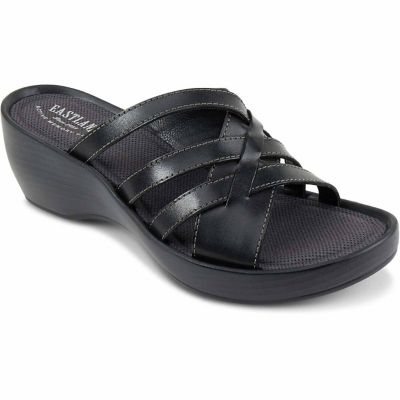
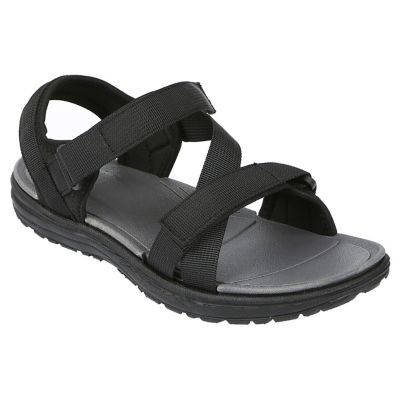
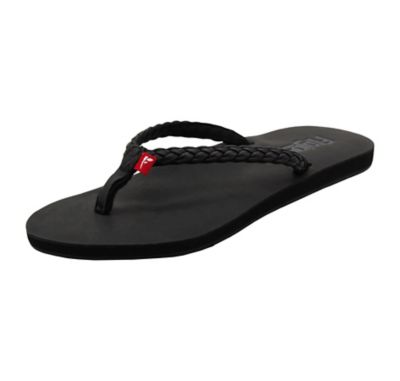
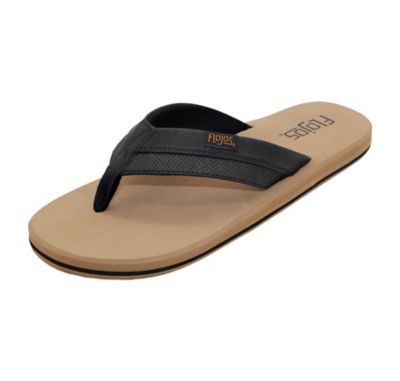
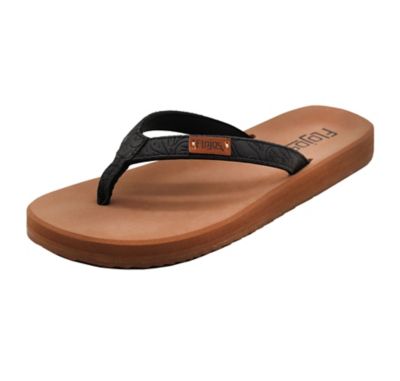
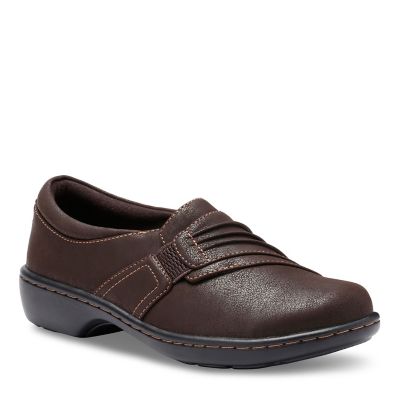
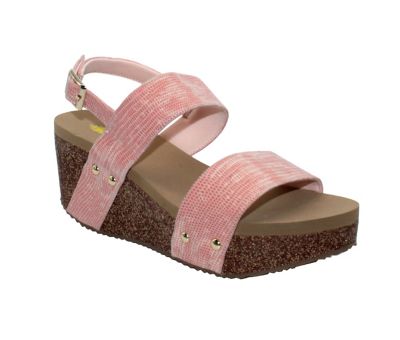
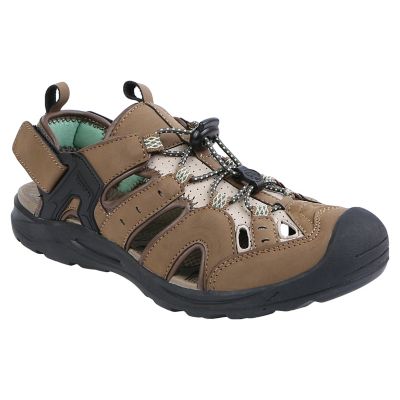
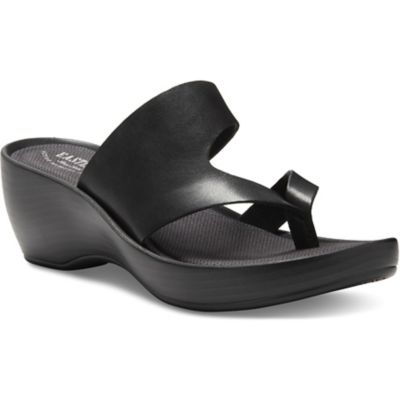
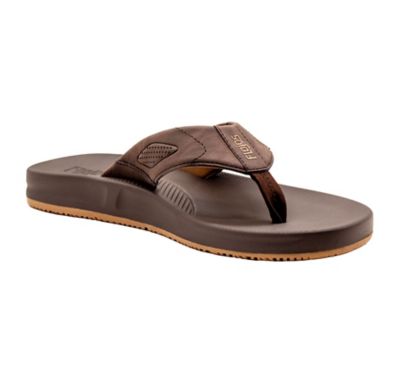
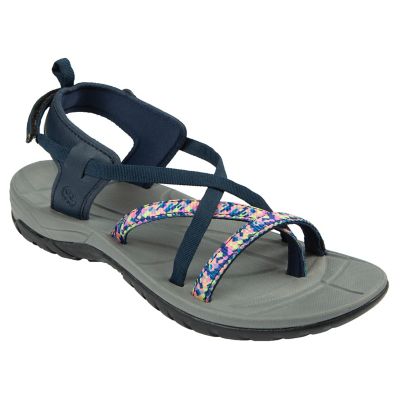
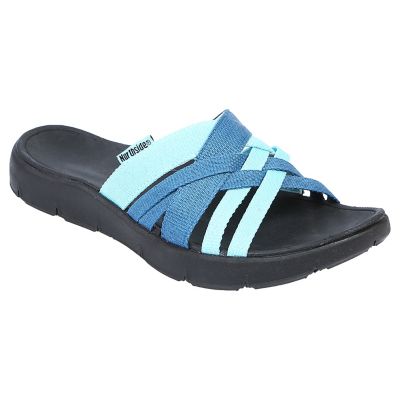
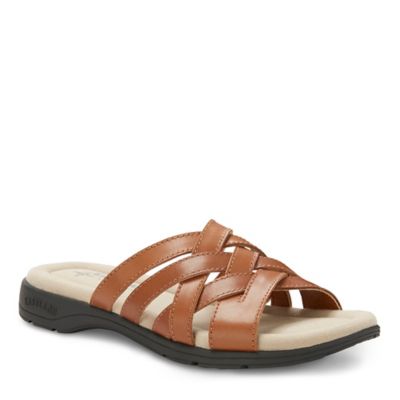
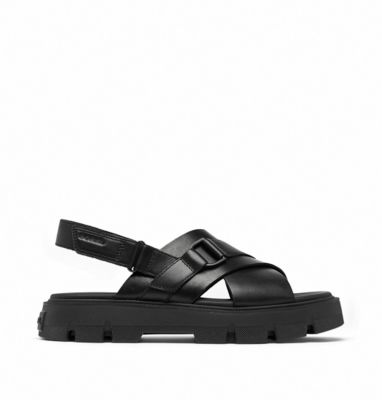
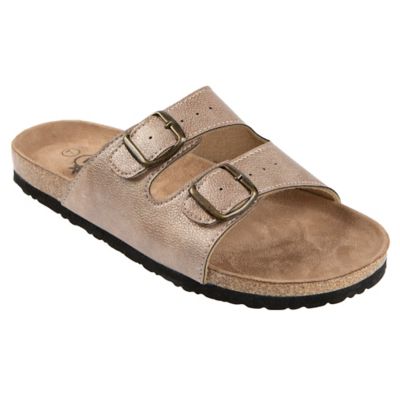
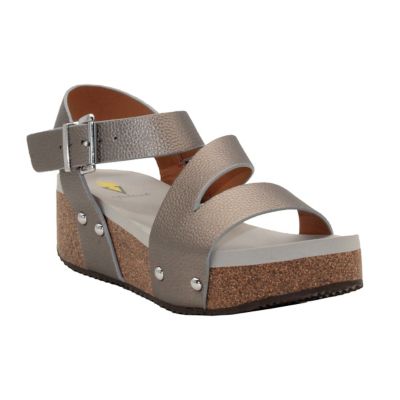
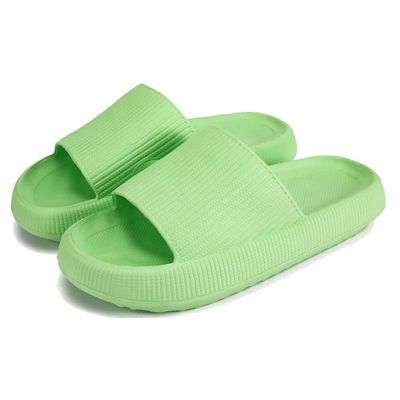
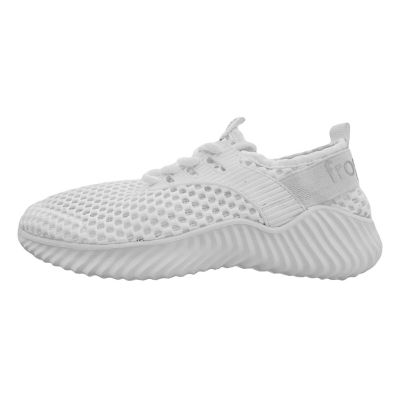
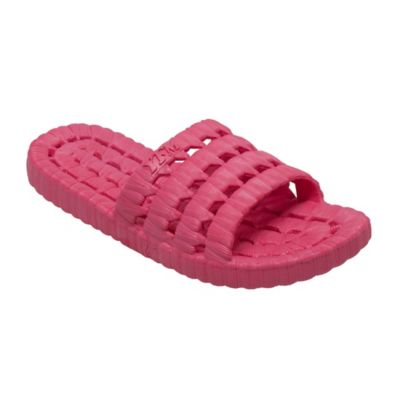
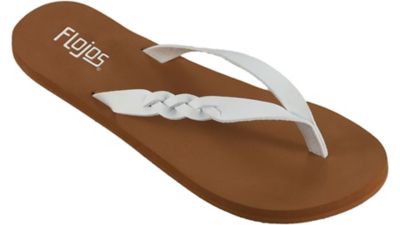
Finding the best sandals for foot support starts with matching the footbed, sole, and straps to the way you spend your day. A contoured footbed can help cradle the heel and follow the natural shape of the arch, while a deep heel cup may help keep the foot centered as you walk. Look for a midsole with springy cushioning and shock absorption if you spend hours on concrete, gravel, barn aisles, or pavement. A flexible sole can make each step feel more natural, but it should still have enough structure to keep the foot from folding or twisting too easily. Adjustable straps are another helpful feature, especially when feet swell during a long day, or when you want a closer fit for walking near the water. Some sandals have several points of adjustment across the toes, instep, and heel, which can help hold the foot steady without pinching. Pay attention to the footbed length and width, too. Your toes should have room to spread without hanging over the edge, and your heel should rest securely inside the heel cup. A sandal that feels soft at first but lets your foot slide around may lead to rubbing, blisters, or tired legs after a few hours. On the other hand, a firm, shaped footbed may feel different from a flat pair at first, so ease into longer wear with short walks around the house or yard.
People with flat feet, high arches, plantar fasciitis, sensitive feet, bunions, or sore heels often look for features that help spread pressure more evenly across the foot. Arch support should meet the arch rather than press sharply into one small spot. If your arches are high, a gently shaped footbed with enough cushioning may feel more comfortable than a very flat sole. If you have flat feet, a stable base and supportive arch area can help keep the foot from rolling inward as you move. For plantar fasciitis or heel discomfort, look for a cushioned heel, a supportive arch, and a sole that softens impact rather than sending every step straight up through the ankle and knee. People with bunions may prefer a roomy toe area and soft, flexible straps that do not cross the tender joint. Those with sensitive skin can benefit from smooth lining, padded straps, and fewer rough seams. Removable insoles may be useful when a foot-care professional has recommended a particular orthotic, but be sure the replacement insert fits without crowding the toes or lifting the heel too far. Sandals are not a substitute for medical care, and ongoing pain, numbness, swelling, or changes in the way you walk deserve attention from a podiatrist or other health professional. For everyday errands, porch work, travel, or time at the lake, support should feel steady and natural rather than stiff. For active outdoor days, consider tread that grips on damp ground, straps that stay in place, and materials that dry without leaving your feet rubbing against wet fabric.
The right pair can also make a thoughtful gift for someone who spends warm days tending a garden, walking the property, caring for animals, or keeping up with family on the go. When choosing sandals for someone else, focus on the details that are easiest to match: their usual size, preferred width, the amount of coverage they like, and whether they need a hook-and-loop closure, buckle, or slip-on design. A gift card or an easy return option can help when arch shape and fit are personal matters. For your own pair, think through the places you will wear them during the seasons ahead. On milder days, supportive sandals can be handy for a quick trip to the feed store, a walk across the pasture, or time around the campsite. During cooler weather, they may work around the house, in a mudroom, or for stepping outside when you want something quicker than a boot. If outdoor plans include creeks, boat ramps, or wet grass, choose a footbed and upper that handle moisture well, plus a tread pattern that gives you a steady step. For casual wear, cushioned sandals with adjustable straps can pair with work shorts, jeans, or everyday clothing without making your feet feel boxed in. Those shopping for more coverage and traction can also browse
Men's Outdoor Sandals for options suited to walking, water activities, and time outside. Before wearing any pair on a long outing, check for pressure points after 15 to 20 minutes, walk on the surfaces where you expect to wear them, and make small strap adjustments instead of waiting for soreness to set in. A good fit should leave your heel secure, your toes relaxed, and your steps supported from the first chore of the day through the last trip back to the porch.