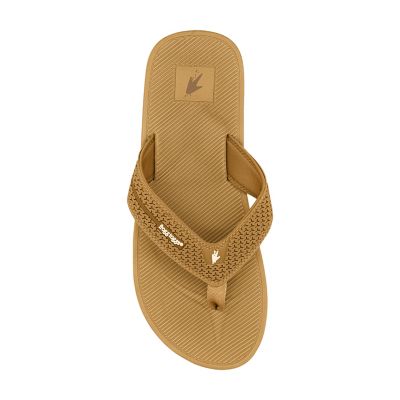
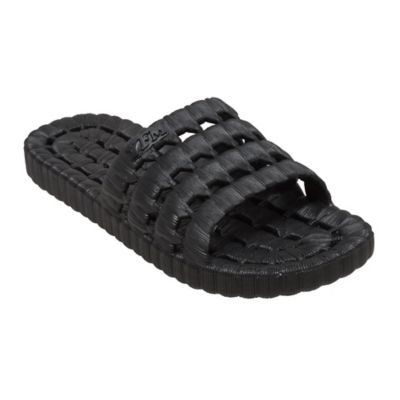
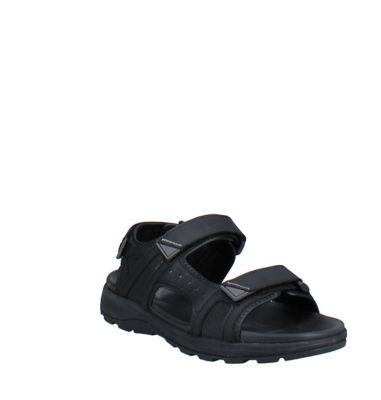
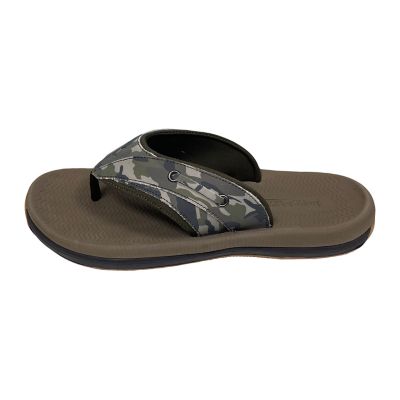
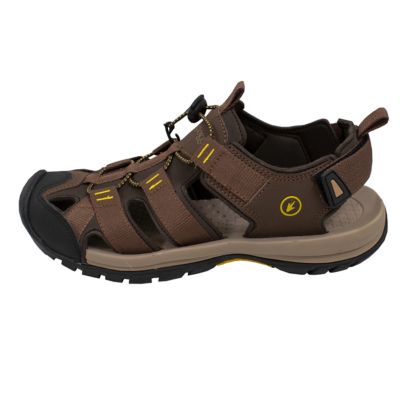
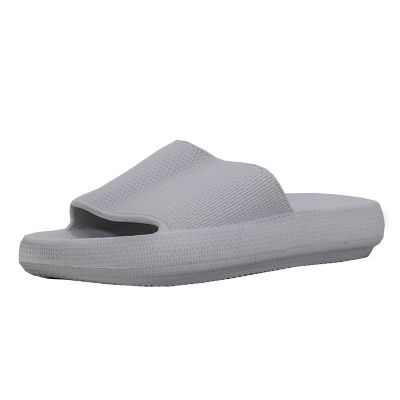
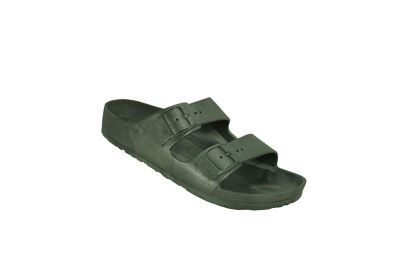
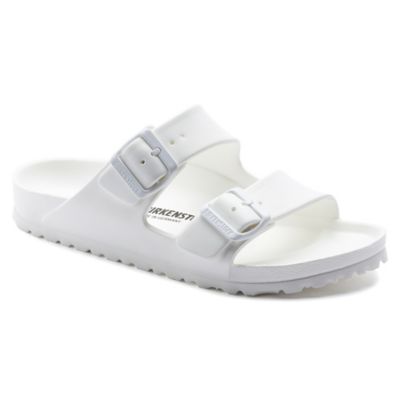
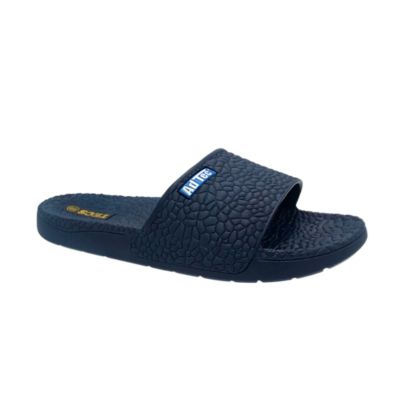
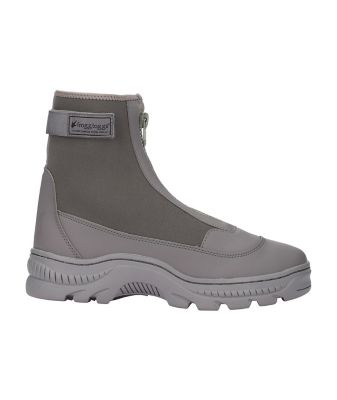
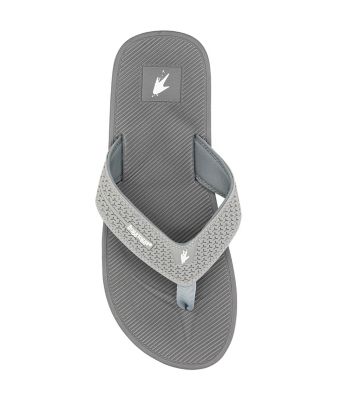
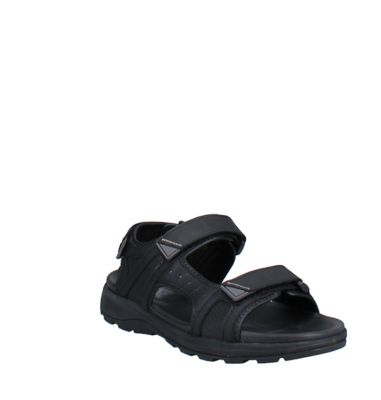
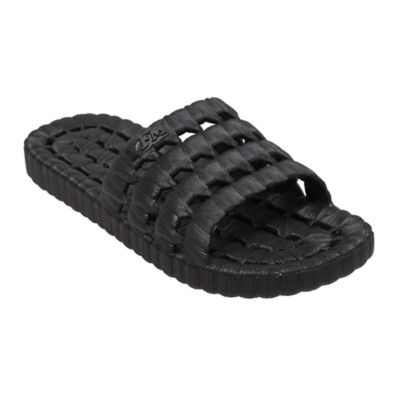
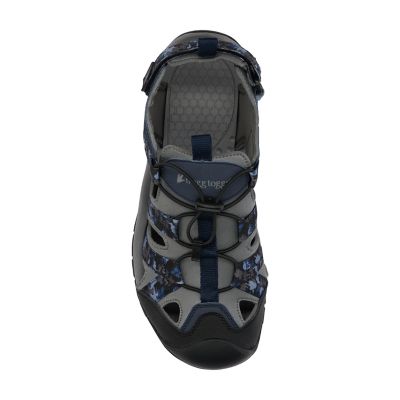
Men's outdoor sandals pair open designs with features such as grippy outsoles, adjustable straps, arch support, and protective toe coverage for outdoor recreation. They suit everything from a stroll around the campground to a walk down a gravel lane, though the right construction depends on where the day leads. Sandals intended for hiking generally put more emphasis on foot retention, underfoot support, and tread than simple slip-on styles. A heel strap helps keep the sandal connected to the foot when stepping over roots or walking uphill, while adjustable forefoot straps help limit side-to-side movement. Open-toe designs leave more room around the front of the foot and make it easier to shake out loose sand. Closed-toe sandals add a barrier against small bumps from roots and stones, but they do not offer the protection of work footwear. Outsole design matters just as much as the upper. Deeper tread can help on loose dirt, while the grip on wet surfaces depends on the rubber compound, tread pattern, and surface underfoot. No sandal makes slick rocks, algae-covered boat ramps, or loose slopes risk-free. For creekside walks and trips to the lake, water-friendly materials and drainage features deserve attention. Synthetic webbing and certain mesh uppers can release water more readily than materials that absorb and hold it, although drying time varies by construction. Leather brings a different feel, often becoming more flexible with wear, but not every leather sandal is intended for repeated soaking. Water resistance, drainage, and drying speed are separate features, so a sandal that handles an occasional splash may not be the right choice for frequent water crossings. Footbeds also differ: some have textured surfaces that help limit movement beneath damp feet, while others favor a smoother feel for everyday walking. Matching those details to the outing makes more sense than choosing by appearance alone.
A comfortable fit leaves room for natural foot movement without letting the foot slide around inside the sandal. Toes should stay comfortably within the edge of the footbed, and the heel should sit securely rather than hang over the back. Extra length is not a substitute for the right width; a sandal can be long enough yet still squeeze across the ball of the foot. Adjustable straps are especially helpful for men with a high instep, a broad forefoot, or feet that swell after several hours of walking. Multiple adjustment points let the forefoot, instep, and heel fit more independently, rather than forcing every part of the foot into the same setting. Strap placement deserves a close look, too. A seam or buckle that lands directly over a sensitive spot can become bothersome well before the walk back to camp. Soft linings and smooth strap edges can help, but the foot should feel settled without needing the straps pulled painfully tight. Underfoot comfort comes from more than thick cushioning. A shaped footbed, suitable arch contour, and stable heel area work together to support the foot, while cushioning softens contact with packed ground. An especially soft footbed may feel pleasant while standing yet offer less stability on uneven terrain. Flexibility should also match the activity: easy bends can feel natural for casual walking, while a more structured sole may better suit longer outings over mixed ground. Trying sandals on both feet and walking on a clean surface can reveal heel movement, pressure points, and toes that creep too close to the front edge. Men who wear prescribed inserts should check whether a sandal can accommodate them rather than assuming every footbed is removable. For steep trails, heavy packs, brush, machinery, livestock handling, or tasks involving sharp and falling objects, footwear with more coverage or required protective features is the better match.
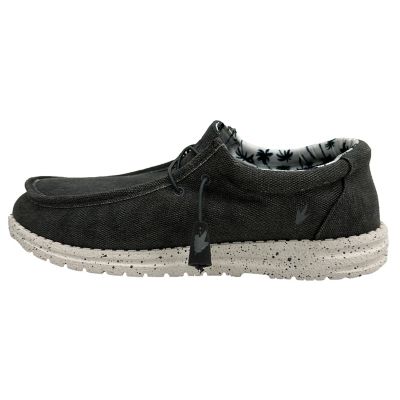
Construction and care both affect how well outdoor sandals hold up to regular wear. Reinforced strap attachments, neatly finished seams, and a secure connection between the sole and upper are worth examining, especially when a pair will see frequent walking on gravel or packed trails. Rubber outsoles and foam midsoles serve different purposes: the outsole handles ground contact, while the midsole contributes cushioning and structure. Over time, flattened cushioning, worn tread, loose straps, or separation between layers can change the way a sandal feels and grips. A pair that still looks presentable from above may need replacing once the sole wears smooth or the foot no longer stays secure. Routine cleaning helps keep grit from collecting beneath straps and against the footbed. Follow the care directions for the materials, since leather, fabric, foam, and rubber do not all tolerate the same cleaners or washing methods. For sandals approved for rinsing, clearing away sand and allowing the pair to air-dry fully before storage helps keep the footbed and straps ready for the next outing. Direct heat can affect adhesives, leather, and some foams, so a dryer, heater, or hot vehicle is not a good shortcut unless the manufacturer specifically permits that method. Loosening adjustable straps before taking sandals off also puts less strain on closures than forcing a foot through a tightly fastened opening. Beyond trail and water outings, these sandals can make practical gifts for men who enjoy camping, fishing from shore, or spending a relaxed afternoon around the lake. Knowing the recipient's usual size, width, preferred toe coverage, and everyday activities helps narrow the choice more than guessing from style alone. For errands, travel stops, and walks that call for a closed shoe,
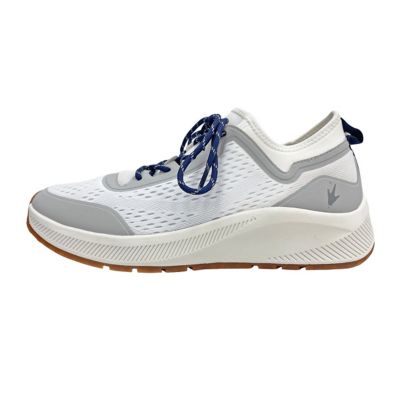
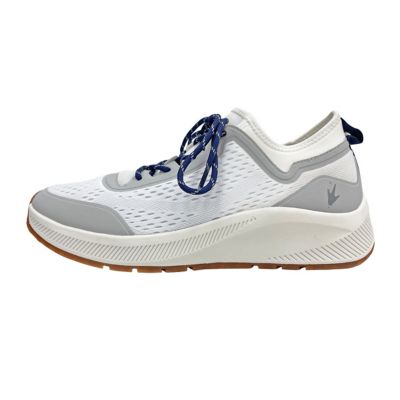
Men's Casual Outdoor Shoes offer another direction to consider. Outdoor sandals fill a different role: easygoing footwear that leaves feet less enclosed while bringing the support and grip suited to the outing. A secure fit, sensible materials, and straightforward care help make that role a useful part of an everyday footwear lineup.