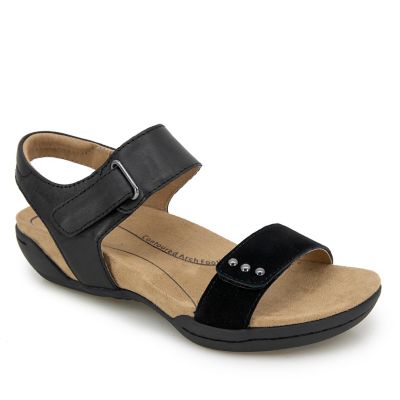
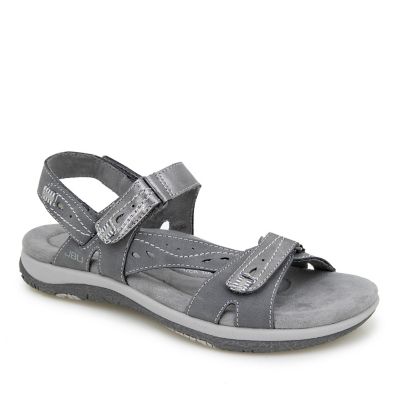
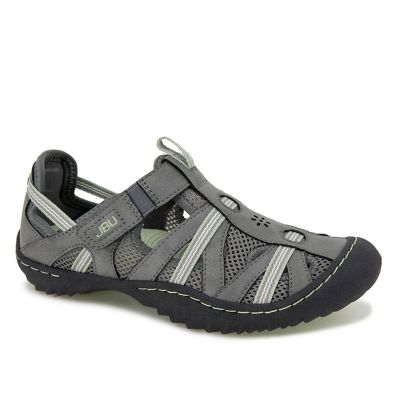
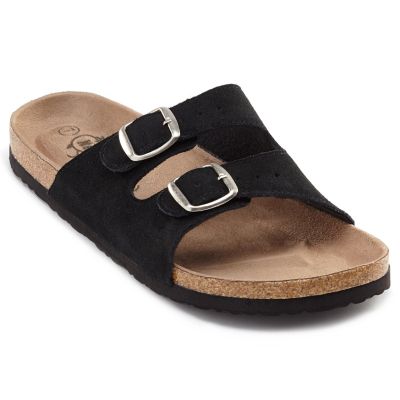
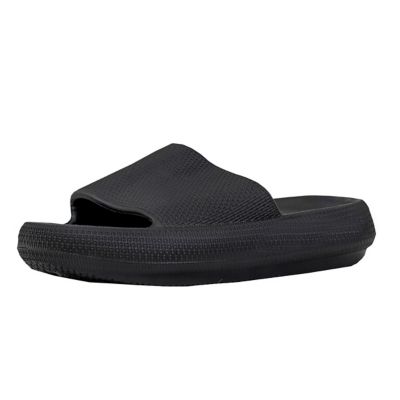
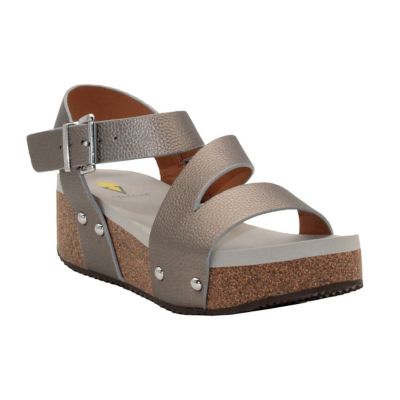
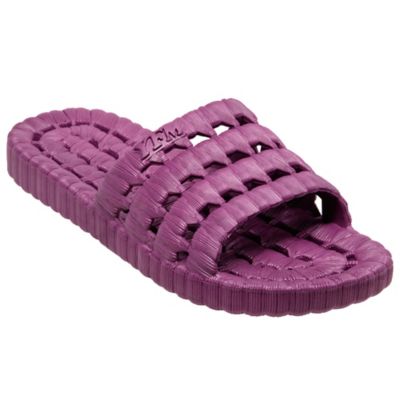
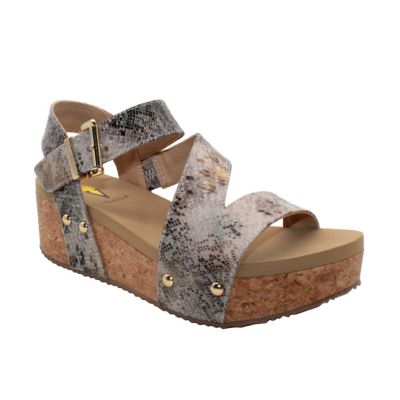
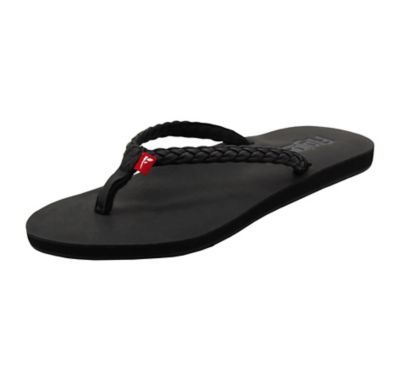
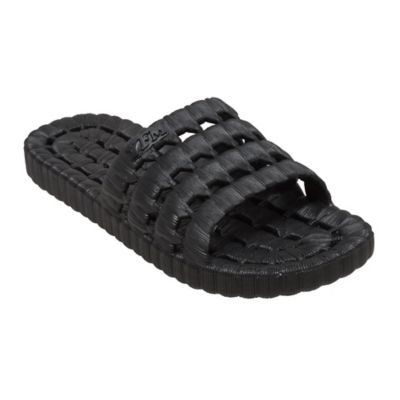
Women’s sandals for wide feet bring a little more breathing room to everyday footwear, whether the day calls for a trip into town, lunch with family, or a quiet stretch on the porch. A wider fit is about more than a loose strap: the sole needs enough room beneath the broadest part of the foot, with a shape that lets toes rest naturally instead of crowding together. Feet come in different proportions, too. Some women need extra space across the ball of the foot but have a narrower heel, while others need more room through the instep. That makes the placement and range of adjustment on straps just as important as the width marked on the size label. Buckles, hook-and-loop closures, and stretch panels offer different ways to settle the fit without pulling everything tight. A strap across the forefoot should hold comfortably without pressing into the skin, and an ankle or heel strap can help keep the sandal in place when walking between the parking lot and the store. Wide and extra-wide sizing can differ between footwear makers, so foot measurements and the sizing information for each style give a better starting point than a familiar size alone. Going up in length just to gain width can leave too much space at the toe or put the heel in the wrong spot. A well-matched footbed leaves a little room around the foot without a large gap in front or behind, and the toes should stay within the edges during a normal stride. For women whose feet become fuller after hours on the move, adjustable closures can make that small change easier to accommodate. Plenty of room should still come with a secure feel; gripping with the toes or shuffling to keep a sandal on can signal that the shape or strap arrangement isn’t a good match. Roomier footwear works best when the whole foot is supported, not simply when the upper feels loose.
Materials make a noticeable difference in how wide-fit sandals feel, how they bend, and how much attention they need between outings. Leather uppers can soften with wear and develop a more supple feel, but a comfortable fit should be there from the start rather than depend on stretching out a tight pair. Fabric straps tend to feel light against the foot, while synthetic uppers offer a range of textures and care requirements. The edges matter as much as the main material: smooth linings, neatly finished seams, and strap ends that sit flat can help limit rubbing across toes and along the sides of the feet. Underfoot, a contoured footbed may include a shaped heel cup and a raised arch area, while a flatter design offers a different feel. Cushioning and support aren’t the same thing, either. A soft surface can feel pleasant at first touch, but the shape and firmness beneath it affect how the sandal carries the foot through a longer walk. Molded foam can keep weight down, and rubber outsoles can add grip and help take the wear from pavement and other everyday surfaces. Tread depth, sole flexibility, and the connection between the straps and sole all deserve attention, especially for footwear that gets regular miles on sidewalks and shop floors. No tread pattern makes every surface slip-free, and a secure fit still matters when stepping over a threshold or crossing uneven ground. Keeping sandals in good shape usually comes down to care that suits their materials. Loose grit can be brushed away before it works against stitching or footbed surfaces, and many uppers need only a gentle wipe rather than a long soak. Leather may need a suitable cleaner or conditioner, while some fabric and synthetic styles have their own washing limits. Care directions help settle those differences. Letting footwear dry fully away from direct heat, checking closures for trapped lint, and watching for thinning soles or loose strap attachments can help keep everyday pairs comfortable and ready for the next outing.
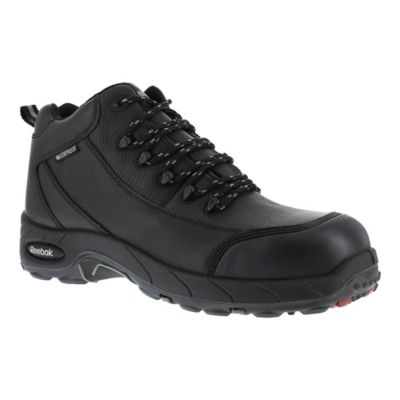
The best match also depends on where the sandals will go and how much walking the day holds. A simple slide can be handy for stepping onto the porch or slipping on after a long drive, while a sandal with a heel strap may feel steadier for browsing shops, visiting a friend, or walking through a fairground where open footwear is permitted. A lower, broader base often feels more settled underfoot than a narrow heel, and a flexible forefoot can make each step feel less stiff. Lightweight designs are easy to tuck into an overnight bag, but packing convenience shouldn’t take the place of enough support for the walking planned. Women’s sandals for wide feet can fit naturally into a relaxed wardrobe, with shorts, casual skirts, cropped pants, or jeans that sit clear of the heel. Simple straps and neutral shades can work across several outfits, while brighter colors or patterned uppers add a bit of personality without changing the need for a proper fit. For gifting, knowing the recipient’s usual width, preferred closures, and comfort preferences matters more than guessing from appearance alone. Someone who likes a covered heel may not enjoy a backless slide, and a woman who prefers a firm footbed may find thick, pillowy cushioning less comfortable. Open footwear also has clear limits around the farm, shop, and jobsite. Sandals leave feet exposed to dropped tools, sharp debris, moving equipment, and animal hooves, so they belong in settings where that exposure isn’t a concern. For chores or jobs that call for enclosed footwear,
work shoes for wide feet offer another category to consider, with any required toe protection and jobsite features checked separately. Keeping the intended activity in mind makes it easier to choose sandals for the parts of the day they suit: comfortable, easygoing wear with room where the foot needs it and enough hold to keep each step natural.