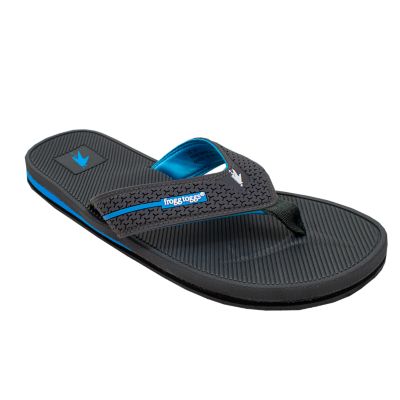
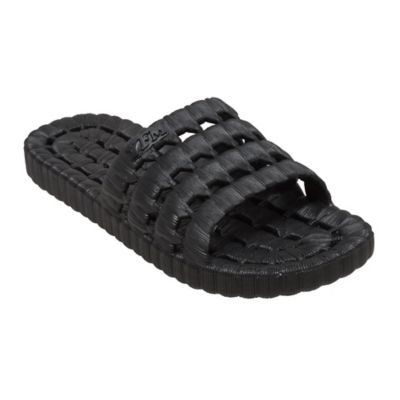
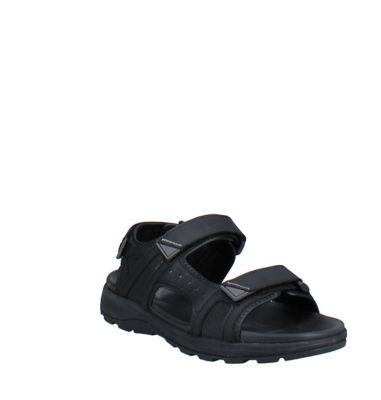
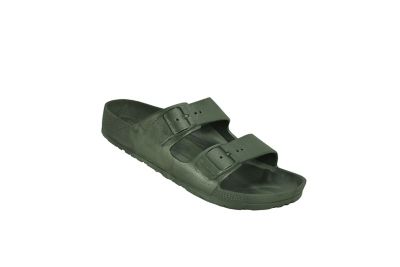
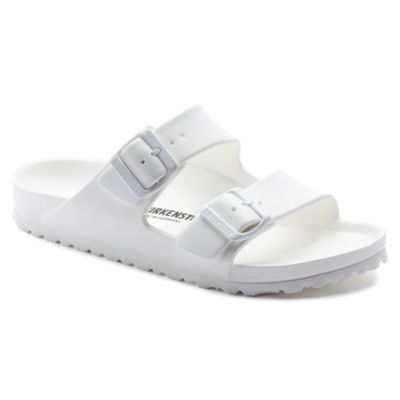
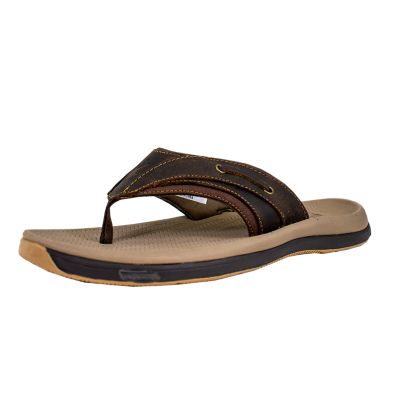
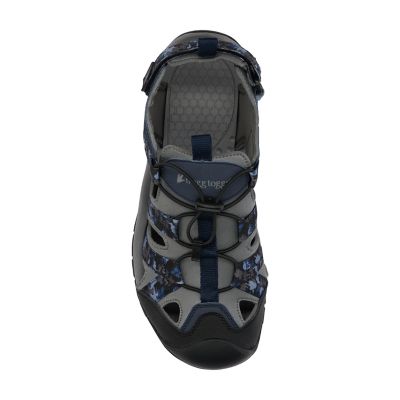
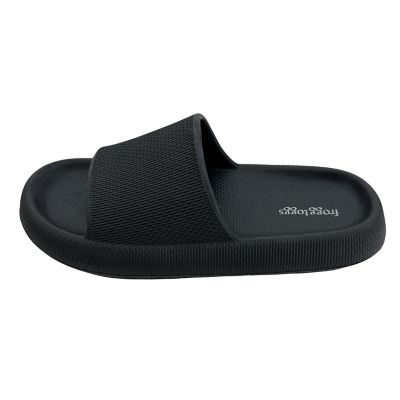
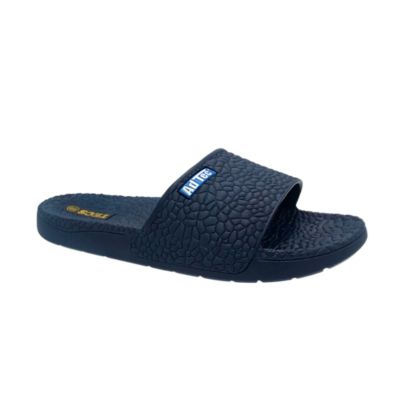
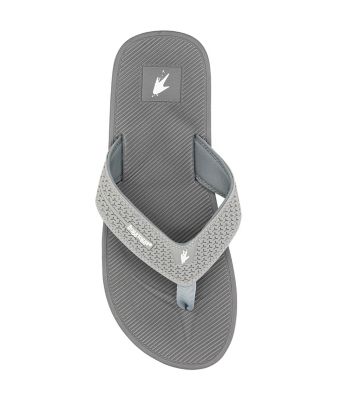
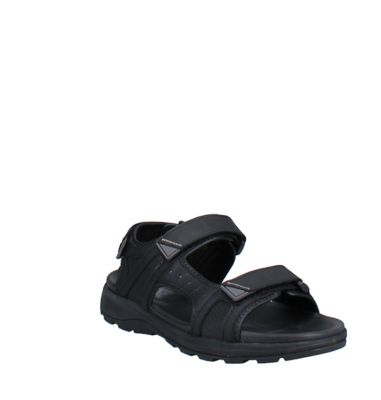
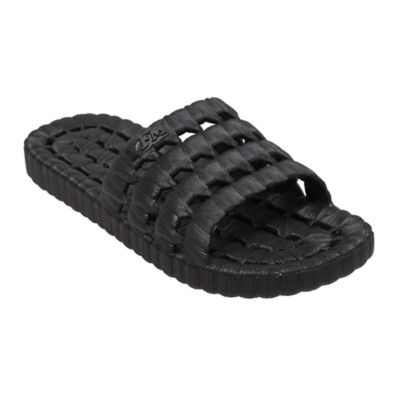
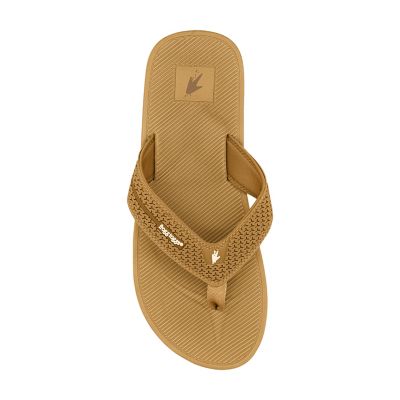
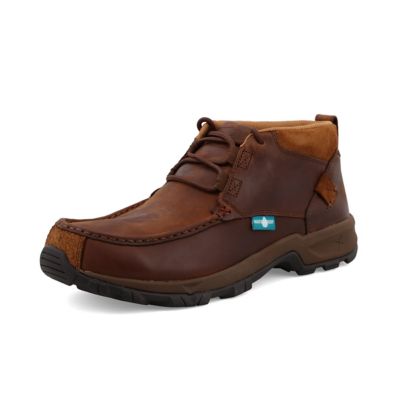
Men’s lightweight sandals keep everyday footwear simple, with open designs and easy-moving soles for casual outings, trips to the lake, and time around the house. The main styles include slides, flip-flops, and adjustable-strap sandals, each with a different feel underfoot. Slides have a band across the top of the foot and slip on easily for a walk to the mailbox or a trip from the house to the patio. Flip-flops pair a toe post with a more open upper, making them easy to tuck into a travel bag or leave beside the door. Strapped styles hold the foot at several points, and designs with a heel strap provide more hold than an open-backed sandal. That extra connection can make a difference when an outing involves more walking than sitting. Lightweight construction comes from the combination of the upper, footbed, and outsole, not simply from a thin sole. EVA foam is common in sandal footbeds and midsoles because it adds cushioning without much weight. Rubber outsoles can add grip and help protect high-contact areas from wear, while flexible synthetic uppers and textile straps keep the overall feel easygoing. Leather offers a different look and feel, pairing naturally with jeans or casual shorts, though its care needs differ from those of washable synthetics. Some sandals have a molded, one-piece construction, while others combine a cushioned footbed, separate straps, and a rubber bottom. Those differences affect how the sandal bends, how it handles moisture, and how much structure it provides. Water-friendly materials can be handy around a campground shower or boat ramp, but not every lightweight sandal is intended for repeated soaking. A comfortable pair balances low weight with enough support, coverage, and traction for the setting, whether that means a short walk across the yard or an afternoon spent strolling through town.
Fit makes a bigger difference than weight alone, especially when sandals will stay on for several hours. A well-fitting footbed gives the heel and toes room to rest inside its edges without leaving so much extra length that the front catches during a step. The foot should sit squarely on the platform rather than hanging over either side. Adjustable straps help fine-tune the fit across the forefoot, over the instep, or behind the heel, depending on the design. That flexibility can be useful for men whose feet do not fit comfortably beneath a fixed strap. Strap placement matters, too: a seam or buckle that presses against the same spot with every step can turn a simple walk into a distraction. Soft linings and smooth strap edges can help limit rubbing, while a toe post should sit comfortably without forcing the toes to grip constantly. Footbed shape also changes the feel. A flatter platform offers a less sculpted fit, while a contoured footbed may include a defined heel cup and arch shaping. Neither a thick cushion nor a deeply shaped footbed guarantees comfort for every foot; the shape needs to match the wearer. Flexibility near the ball of the foot allows a natural bend, while some structure through the middle can help the sandal feel steadier. Underneath, tread pattern and outsole material deserve attention. Shallow tread suits many casual settings, while more pronounced lugs may offer better purchase on loose ground. No outsole grips every surface equally, and wet boards, smooth tile, algae-covered rocks, and loose gravel call for care. Lightweight sandals belong in casual and recreational settings that suit their construction. Open toes and exposed sides do not provide the protection needed for mowing, running power equipment, handling livestock, or working around sharp scrap and heavy loads. Those jobs call for footwear matched to the hazards, leaving sandals for the downtime before and after.
Everyday wear also depends on how well the materials and construction hold up to the wearer’s routine. A fellow who slips on sandals mainly for the porch may prefer a simple, soft design, while someone who walks the campground loop each evening may appreciate secure straps and a more substantial outsole. For outings that call for a sport-oriented design,
Men's Athletic Sandals offer a related category to consider, with attention to the same fit, coverage, and intended-use details. Sandals can also make a practical gift for a dad, brother, spouse, or friend who enjoys camping, lake trips, or easygoing weekends, especially when the giver knows the recipient’s size and preferred strap style. For travel, a lightweight pair takes little effort to carry and gives feet a break from enclosed footwear once the day’s work or walking is done. Keeping sandals in good shape starts with care that matches their materials. Loose grit caught beneath straps can rub against both the foot and the sandal, so shaking out debris and wiping away dirt helps keep contact surfaces clean. Many synthetic styles tolerate gentle cleaning with mild soap and water, but the manufacturer’s care directions should settle whether rinsing, soaking, or machine washing is appropriate. Leather generally needs a different approach, with a suitable cleaner and drying method rather than a long soak. Letting sandals dry with airflow, away from direct heat, helps protect adhesives, foam, and straps. A hot dryer or a spot beside a heater can alter materials or weaken bonded sections. Between wears, a quick check of the tread, strap anchors, buckles, and footbed can reveal uneven wear or loosening connections. Deeply worn tread and stretched straps can change how a sandal feels and holds the foot. With the right match of fit, materials, and purpose, men’s lightweight sandals earn their place by the door as straightforward footwear for the easygoing parts of the day.