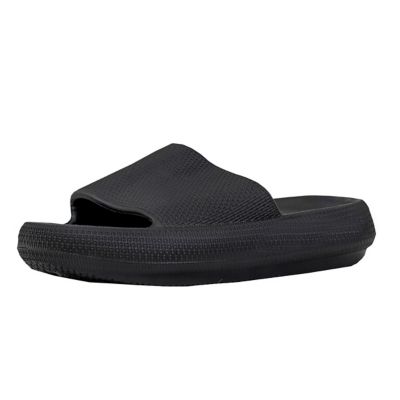
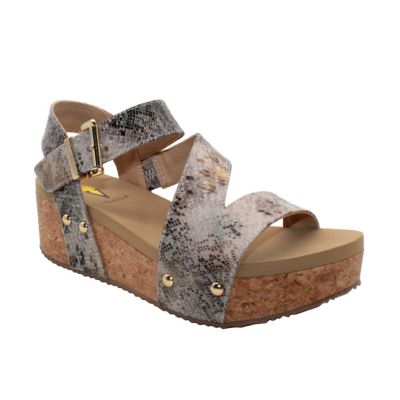
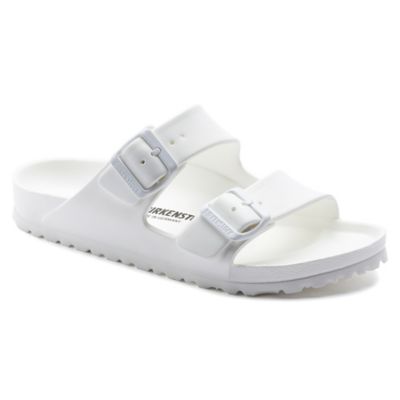
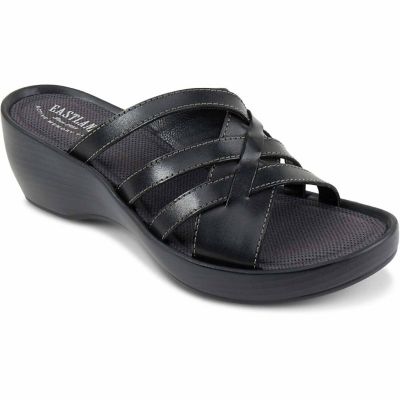
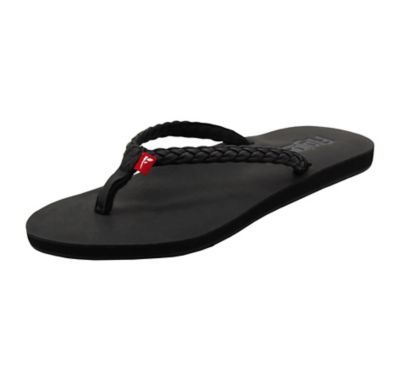
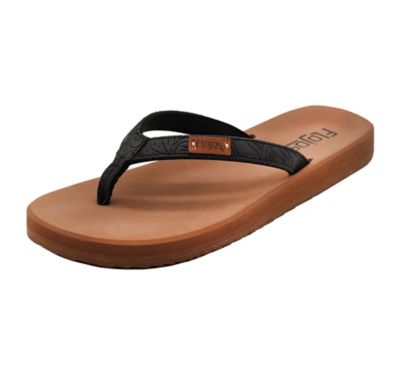
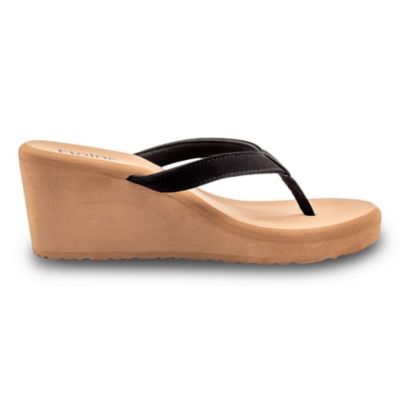
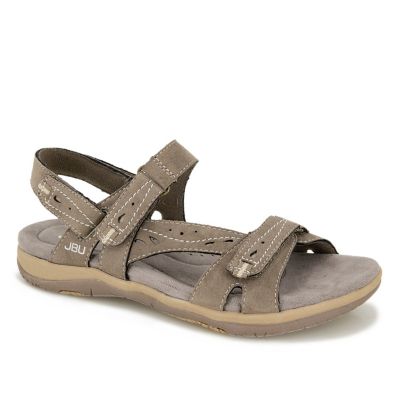
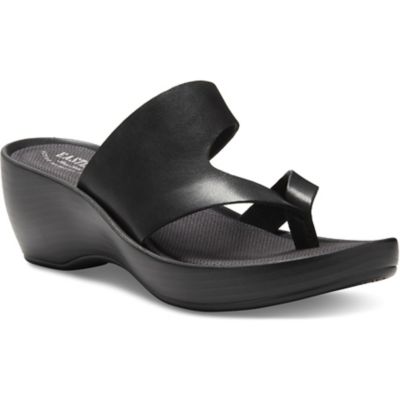
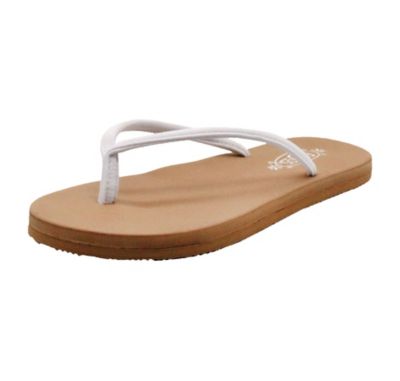
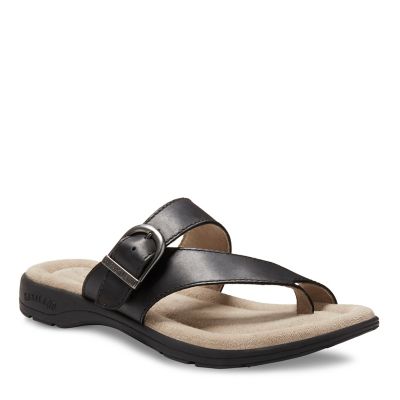
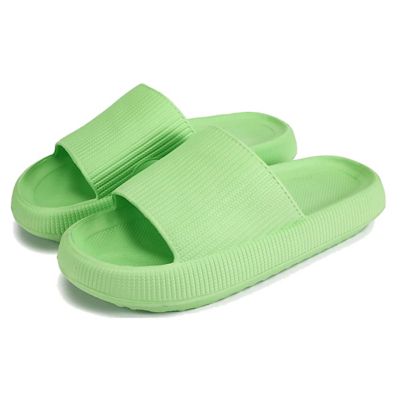
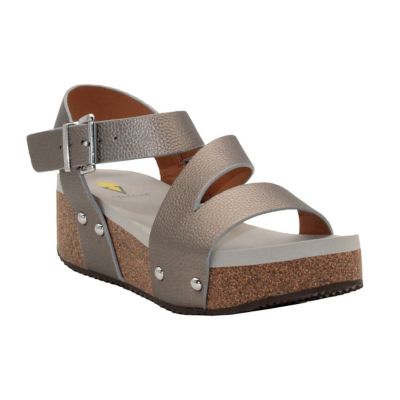
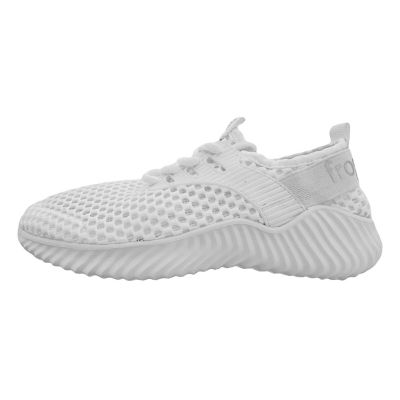
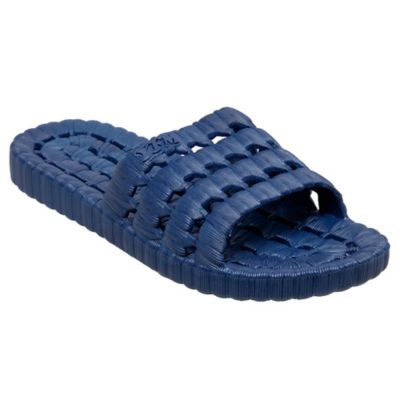
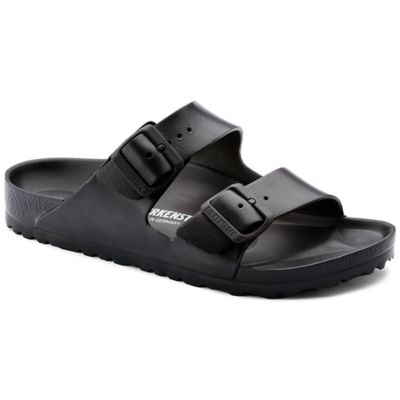
Comfortable women's sandals bring together cushioning, a secure fit and support that follows the shape of the foot. That combination matters whether the day includes a grocery run, a family cookout or a few hours browsing the county fair. A soft footbed can feel pleasant at first, but softness alone does not tell the whole story. A contoured base gives the heel, arch and forefoot their own resting places, while a stable sole helps keep each step from feeling wobbly. Some women prefer gentle shaping under the arch; others feel better with a more noticeable contour and a deeper heel cup. The right match feels supportive without creating a hard spot beneath the foot. Materials also affect how a sandal feels from the first step through repeated wear. Leather straps can soften and develop character over time, while woven textiles offer a lighter feel and flexibility across the top of the foot. Synthetic straps often wipe clean easily, though their feel against bare skin varies with the lining, edges and stitching. Underfoot, EVA foam keeps weight down and provides cushioning, while cork blends can offer a firmer, shaped foundation. Rubber outsoles add a separate contact layer between the footbed and the ground, with tread patterns that vary by intended use. Memory foam may add a soft surface, but the structure beneath it still matters for steady footing. A flexible forefoot can make walking feel more natural, especially when paired with a heel area that holds its shape rather than collapsing sideways. Construction details such as smooth strap undersides, covered seams and rounded footbed edges can make a noticeable difference against bare feet. For shoppers comparing arch contours, heel cups and other support features,
Best Sandals For Foot Support offers another place to focus the search. Comfort is personal, and the most useful features are the ones that suit the wearer's foot shape and everyday routine.
Fit deserves as much attention as cushioning, particularly with open footwear that leaves the edges of the foot visible. The heel and toes should sit fully on the footbed without hanging over, and the widest part of the sandal should line up with the ball of the foot. A little space around the edges is helpful, but extra length cannot make up for a sandal that is too narrow. Width options and adjustable closures can make a real difference for women with narrow heels, broad forefeet or a higher instep. Buckles and hook-and-loop straps allow small fit changes across different parts of the foot, rather than asking one fixed strap to do all the work. Straps should lie smoothly without digging in, and the foot should feel settled rather than sliding forward with every step. A backstrap can help hold the heel in place for walking around town, while an open-back slide is convenient for stepping onto the porch or heading out for a quick errand. Toe-post styles keep the upper simple, though the material between the toes needs to feel comfortable without persistent rubbing. Cross-strap sandals distribute contact across more of the foot, and broad straps can feel more secure than narrow ones when their placement suits the wearer. Flat soles, low wedges and raised platforms each change how weight sits underfoot; a higher sole is not automatically more supportive. For longer stretches on foot, a broad base and a steady heel often matter more than added height. Trying sandals on both feet and taking several normal steps can reveal slipping, pinching or an awkward bend that is easy to miss while standing still. The straps should not need to be pulled painfully tight to keep the sandal attached. With jeans, casual pants, shorts or a simple dress, an easygoing shape can cover plenty of everyday plans. As a gift, sandals are a more thoughtful match when the recipient's size, width and preferred closure are known.
Intended use helps separate an everyday sandal from one better suited to a particular outing. A pair for short trips and relaxed gatherings may emphasize easy entry and a soft feel, while sandals for sightseeing or walking between shops benefit from secure straps, a stable platform and cushioning that does not flatten immediately underfoot. Lightweight construction can make footwear feel less cumbersome, but a thin sole may leave small stones and rough pavement more noticeable. On packed paths or a gravel driveway, outsole coverage and tread deserve attention alongside the footbed. No tread pattern guarantees grip on every surface, and water-friendly materials do not necessarily mean a sandal is slip-resistant. For poolside settings or shared shower areas, materials labeled for water exposure are a better match than leather or absorbent footbeds that need more careful drying. Sandals leave feet exposed, so closed-toe footwear remains the sensible choice around livestock, powered equipment, sharp debris or jobs that call for protective footwear. Everyday care also plays a part in how sandals feel and hold their shape over time. Dust and grit can collect beneath straps and along footbed edges, where a soft brush or damp cloth may help keep surfaces clean. Cleaning directions vary by material, and machine washing is appropriate only when the care label allows it. Leather may need a suitable cleaner or conditioner, while cork components and glued layers can be harmed by soaking or prolonged exposure to direct heat. Letting footwear dry fully before putting it away helps keep moisture from lingering against linings and straps. Between wears, checking closures, stitching and outsole wear can catch a loose strap or a smooth patch before it becomes a bigger nuisance. Uneven wear, flattened cushioning or a footbed that no longer feels steady can signal that the sandal is no longer giving the same support. A comfortable pair earns its place through those ordinary details: room for toes to rest naturally, straps that stay put and a sole suited to the places the day takes you.