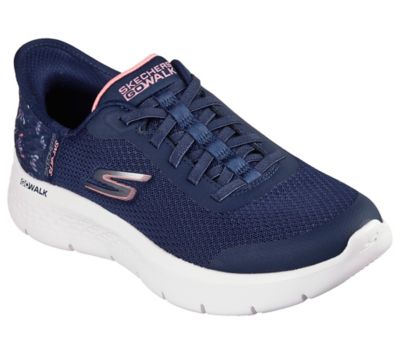
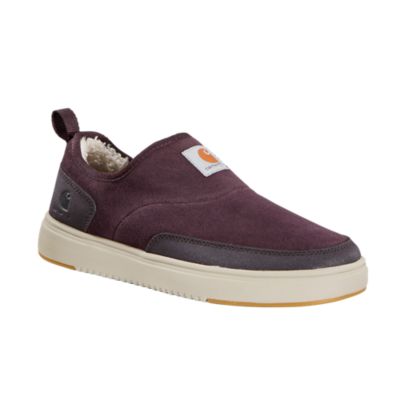
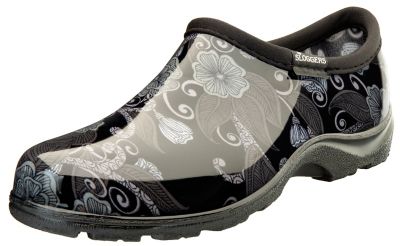
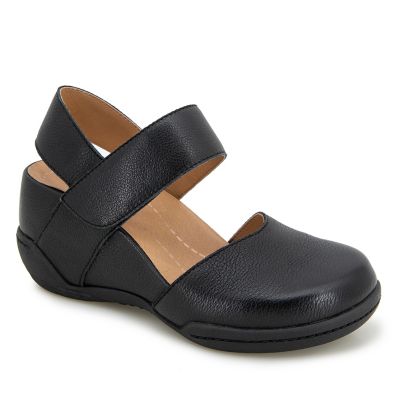
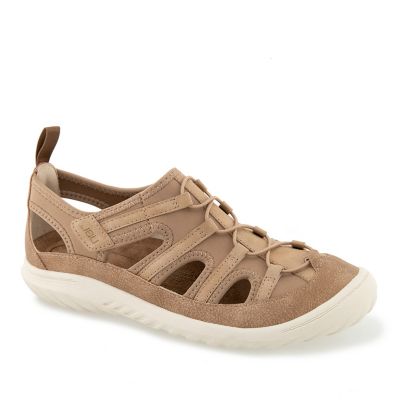
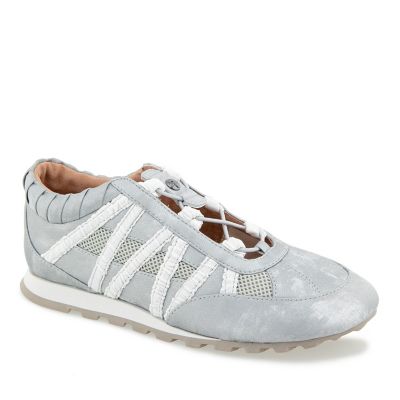
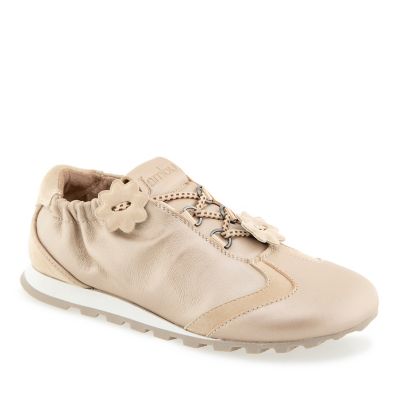
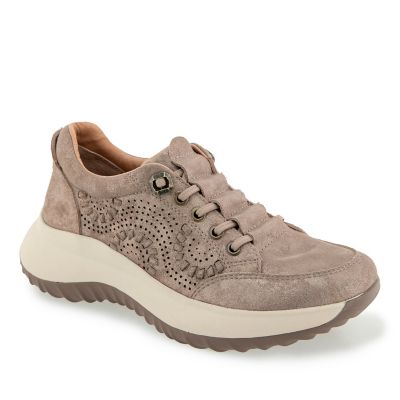
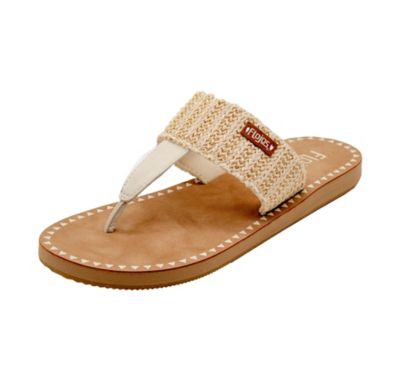
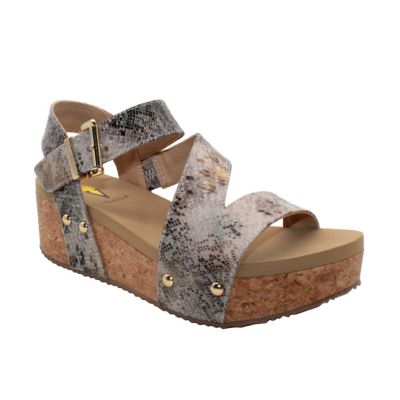
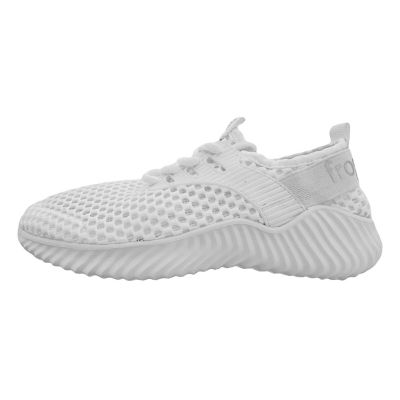
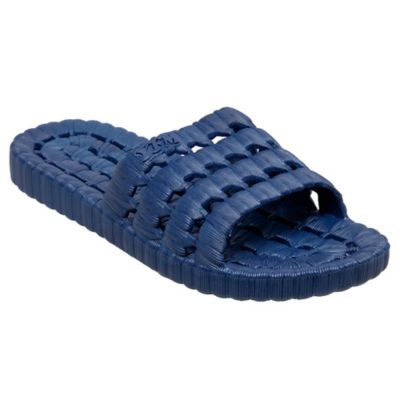
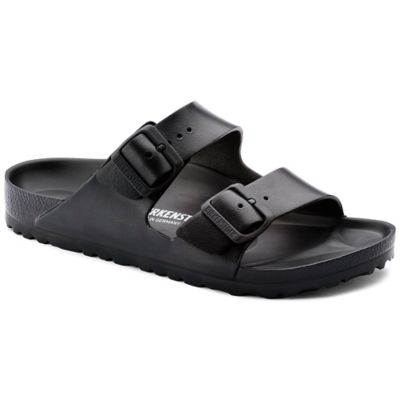
Women’s shoes with arch support bring a little more structure to everyday footwear, whether the day involves walking a gravel lane, standing behind a counter, or making a long round of errands in town. Arch support is the shaped portion of a footbed that sits beneath the curve between the heel and the ball of the foot. It serves a different purpose from cushioning: cushioning softens the feel underfoot, while an arch contour helps support the foot through standing and walking. A soft shoe is not necessarily a supportive one, and a firmer footbed is not automatically the better fit. The right combination depends on foot shape, personal comfort, and how the shoes will spend most of their time. Supportive walking shoes and sneakers often combine contoured footbeds with cushioned midsoles, while casual slip-ons can bring a similar underfoot feel to a simpler, easy-on shape. Laces offer more control over how snugly the upper holds the foot, and adjustable straps can make small fit changes easier. A shaped heel cup can help cradle the rear of the foot, while a broad sole provides a steady platform for everyday movement. For women who spend hours on hard floors, the balance between support and cushioning matters more than a thick sole alone. For someone walking between the house, mailbox, and feed room, secure footing and a comfortable stride may take priority over an especially plush feel. Low arches, high arches, and arches that fall somewhere in between do not all call for the same footbed shape. More pronounced support is not always more comfortable; the contour should meet the foot without feeling like a hard lump pressing into it. Women’s arch support shoes are everyday footwear options, not a promise to resolve every cause of sore feet, and ongoing heel or arch pain deserves attention from a podiatrist. Their appeal is practical: a supportive foundation that fits the way a person moves through an ordinary, full day.
Fit makes a real difference in how that support feels once the walking starts. The arch contour needs to sit beneath the arch rather than too far forward toward the ball of the foot or too far back toward the heel. Enough toe room allows the toes to spread naturally without rubbing the front or sides, while a secure heel helps limit sliding with each step. A roomy toe box and a wide shoe are not quite the same thing: one describes space around the toes, while the other changes the overall width of the fit. Women with a narrow heel and a fuller forefoot may appreciate adjustable laces that hold the shoe in place without squeezing across the front. Sock thickness also changes the feel, so the socks worn for a shift, a daily walk, or chores belong in the fit decision. Trying shoes later in the day can help account for the normal increase in foot volume that happens after hours of standing and moving. Both feet need a comfortable fit, since small differences in size are common. For women who wear prescribed orthotics, a removable footbed can leave room for the insert without crowding the toes or lifting the heel too high inside the shoe. Stacking an insert on top of an existing footbed can change the fit, so compatibility matters as much as the shoe’s labeled size. Underfoot flexibility matters, too. Many walking shoes bend near the ball of the foot while retaining more structure through the middle, supporting a natural step without feeling loose from heel to toe. The upper should hold comfortably across the instep, not leave pressure marks or require painfully tight lacing to stay put. Some unfamiliar footbed shapes take a little getting acquainted with, but pinching, numbness, and sharp pressure are not signs of a good match. For long shifts and steady walking alike, comfort comes from the whole shoe working together: the last, width, heel shape, arch contour, and room inside.
Materials and construction help determine where women’s shoes with arch support fit into the day and how much attention they need between wears. Mesh uppers allow airflow and often keep the shoe light, making them a practical option for active days and indoor work. Leather uppers offer a more substantial feel and can generally be wiped down, while knit fabrics offer some give across the top of the foot. Stretch can feel comfortable, but the shoe still needs enough structure to keep the foot from shifting around. Rubber outsoles, tread patterns, and the shape of the sole all influence traction, though performance depends on the surface and the footwear’s stated purpose. For work areas where spills or slick floors are part of the job,
Slip Resistant Shoes With Arch Support bring those two considerations together. Slip resistance does not mean a shoe cannot slip, and everyday walking footwear does not replace safety footwear required for a particular job. Care is usually straightforward when it follows the material and the maker’s directions. Brushing grit from outsole grooves helps keep the tread clear, and wiping away dirt before it builds up makes routine cleaning easier. Leather may need a suitable conditioner, while fabric shoes may call for gentle spot cleaning; machine washing is appropriate only when the care instructions allow it. Letting shoes dry fully away from direct heat helps protect their shape and materials. Over time, flattened cushioning, worn-smooth tread, a leaning heel, or a footbed that no longer feels supportive can signal that a pair is nearing replacement. Rotating between pairs gives each one time to air out between busy days. Simple colors and familiar shapes pair easily with jeans, work pants, and casual everyday clothes, keeping the focus on comfort rather than fuss. For a gift, knowing the recipient’s size, width, and preferred fit matters far more than guessing which arch shape will feel best. The most useful pair is one that suits the wearer’s feet, routine, and ground covered.