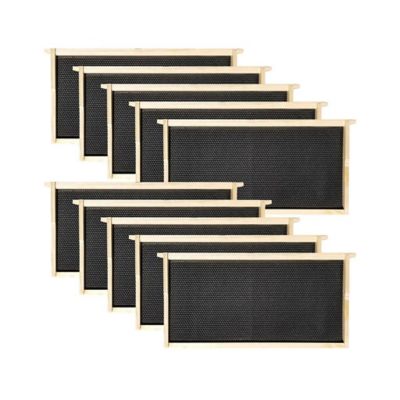
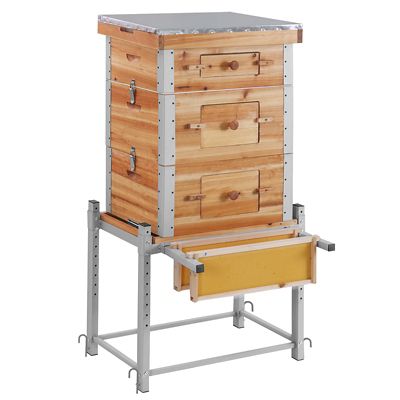
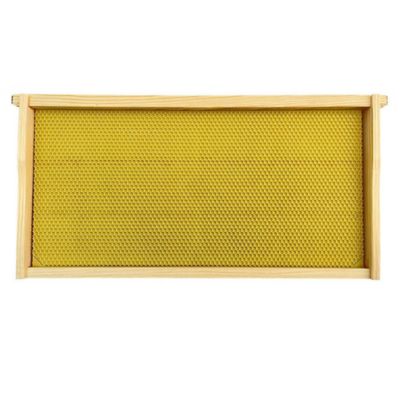
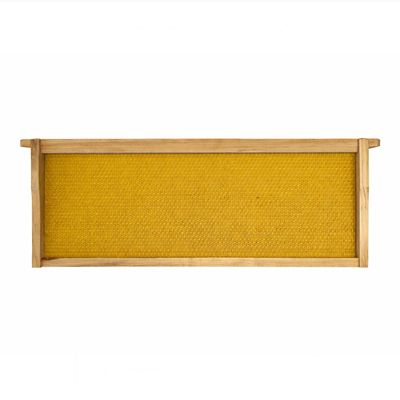
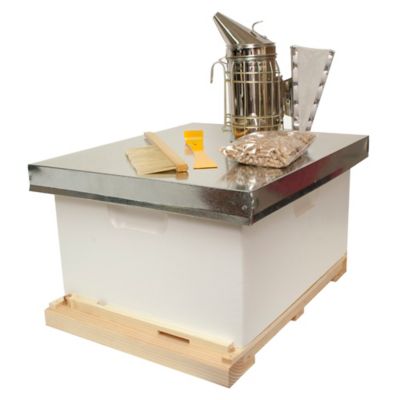
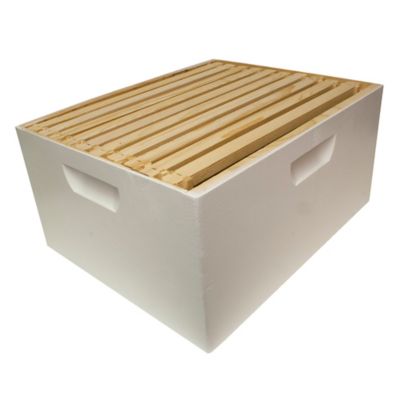
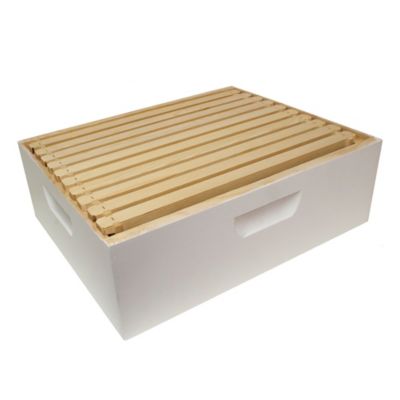
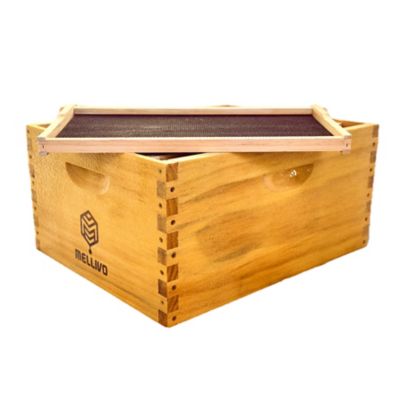
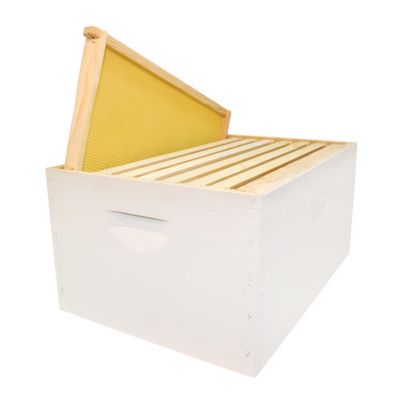
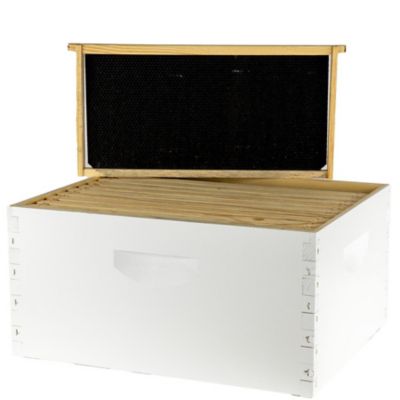
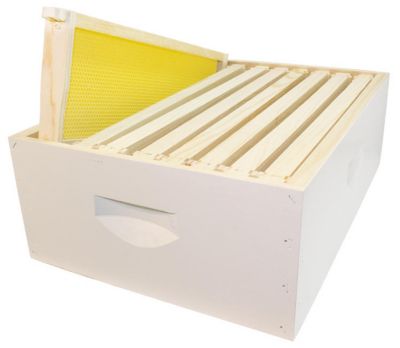
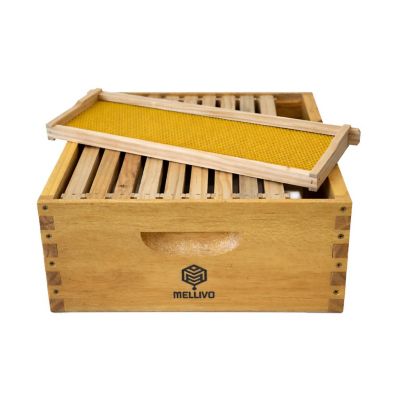
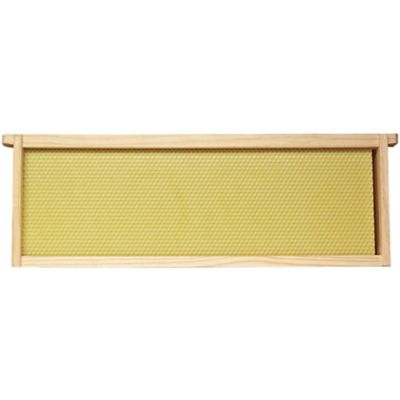
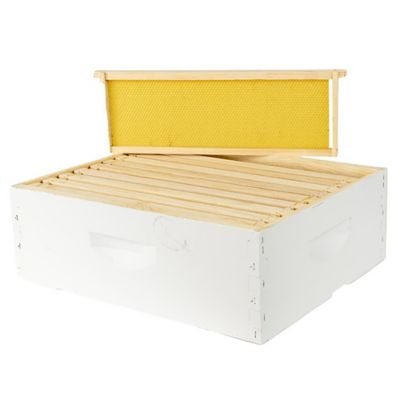
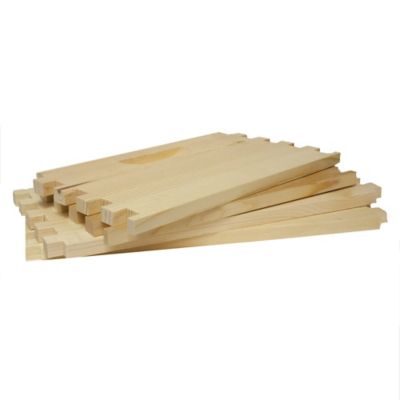
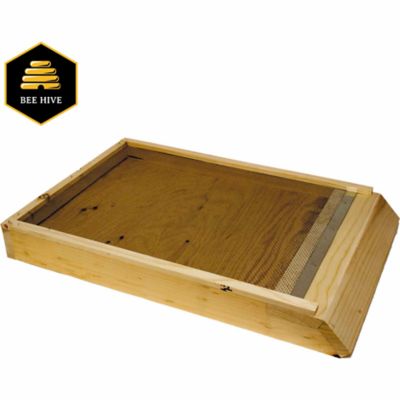
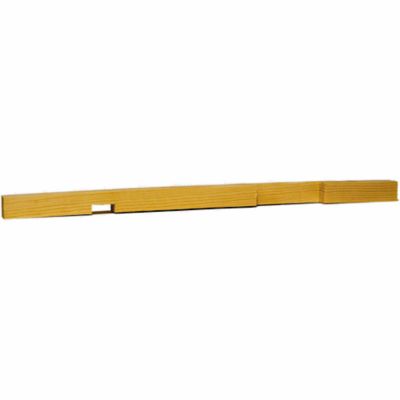
Beekeeping frames are the removable parts that fit inside hive boxes and give bees a sturdy place to build comb, raise brood, and store honey and pollen. Because frames can be lifted out for inspections and maintenance, they are one of the most important pieces of a manageable hive setup. Before choosing a set, match the frame size to the hive boxes already in use. Deep frames are about 9-1/8 inches tall and are commonly used in deep brood boxes, where the queen lays eggs and the colony raises young bees. Medium frames are about 6-1/4 inches tall and are often used in honey supers, although some beekeepers use medium boxes throughout the hive to keep equipment lighter. Shallow frames are about 5-3/8 inches tall and are also used for honey supers when a smaller, easier-to-lift box is preferred. Frame dimensions need to match the inside height and spacing of the hive body, since even a small mismatch can leave too little room for bees or make inspections awkward. Checking the box size, frame count, and spacing style before buying helps keep the hive organized and prevents frustrating fit issues when the season is busy.
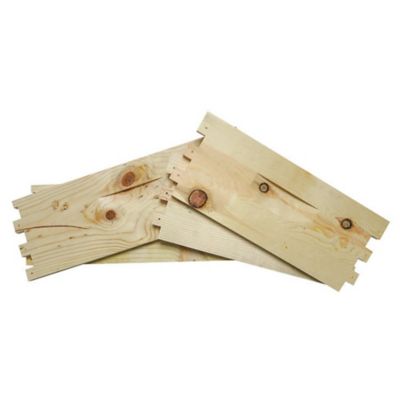
Frames generally come in wood or molded plastic, and each style has practical advantages. Wooden frames have a familiar, traditional feel and are often assembled with nails, glue, or both before being placed in the hive. They can be paired with wax or plastic foundation, depending on the beekeeper’s preference and the setup of the colony. Wood is easy to repair or replace in individual parts, and many keepers like the way it looks and feels during routine inspections. Plastic frames are made as a single molded piece or with an integrated foundation, which can make them quick to install and simple to clean between uses. They are designed to resist warping and can hold up well through repeated handling and changing temperatures. Dark-colored frames may make it easier to spot light-colored eggs during an inspection, while lighter colors can help make fresh comb and stored honey easy to see. Whichever material is selected, look for straight side bars, a secure top bar, consistent spacing, and a surface that gives bees a clear starting point for drawing comb. Frames with foundation may help guide comb placement, while foundationless setups allow bees to build more naturally but require careful positioning and steady hive management. New wooden frames may need assembly, and a fresh coat of suitable hive-safe finish should be kept to the outside surfaces only, never where bees will contact the comb.
The right beekeeping frames can support both new and experienced keepers, from someone setting up a first backyard hive to a small farm maintaining several colonies. They are useful replacements when old frames become dark, brittle, or damaged, and they are handy to have on hand when a growing colony needs additional space as the weather warms. During the cooler months, spare frames can be stored in a dry, protected place and checked for loose joints, cracked wood, wax moth damage, or signs of moisture before they go into a hive. Keeping equipment clean and dry helps extend its working life, while labeling frames by box or colony can make seasonal inspections easier to track. A frame tool and proper protective clothing, including
Beekeeping Veils, can make lifting and examining frames more comfortable around active colonies. Beekeeping frames also make a thoughtful gift for a new beekeeper, a young person learning about pollinators, or a hands-on gardener who enjoys seeing how a hive turns nectar into honey. For a gift or replacement purchase, the safest choice is usually based on the recipient’s existing hive dimensions and preferred frame material rather than appearance alone. A well-fitting frame does quiet, dependable work inside the box: it supports the comb, gives the colony room to develop, and lets the beekeeper check the hive without tearing apart the bees’ carefully built home.