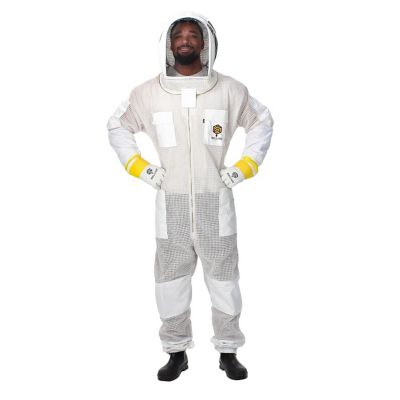
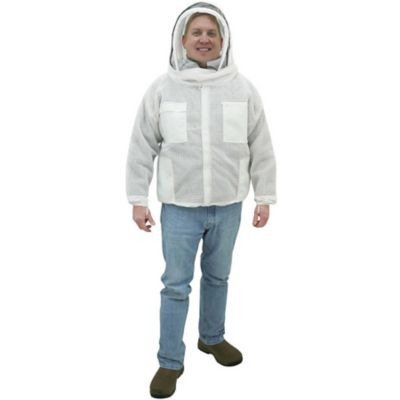
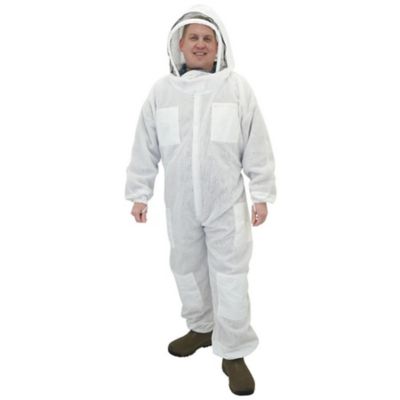
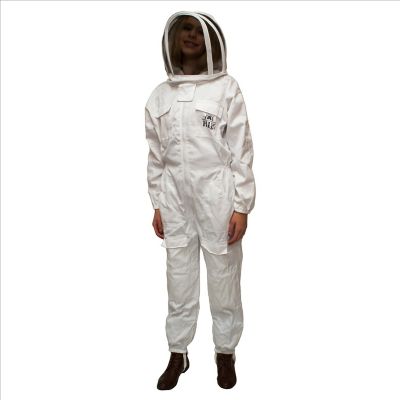
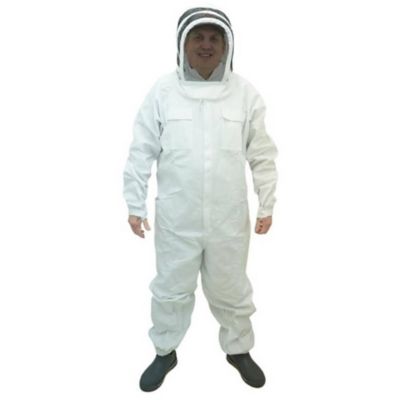
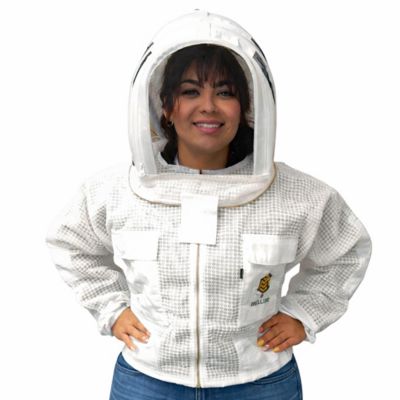
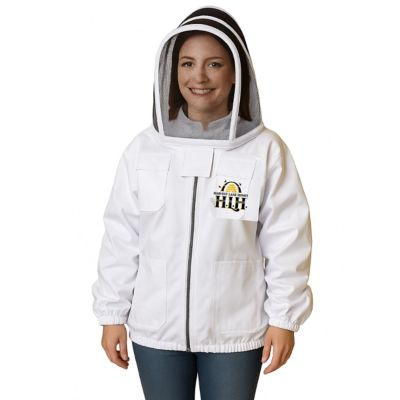
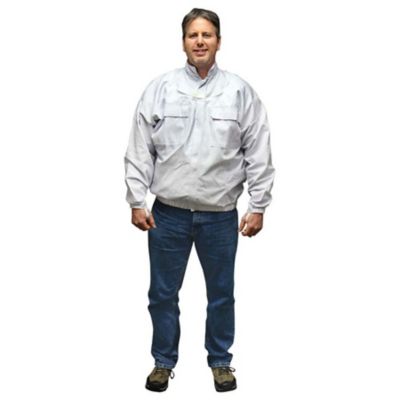
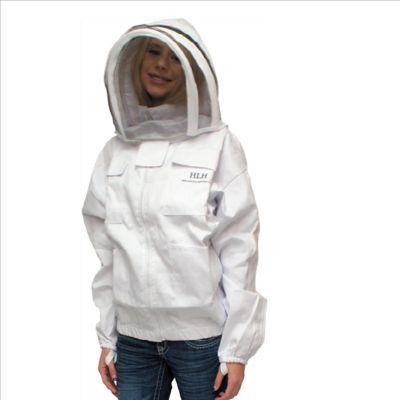
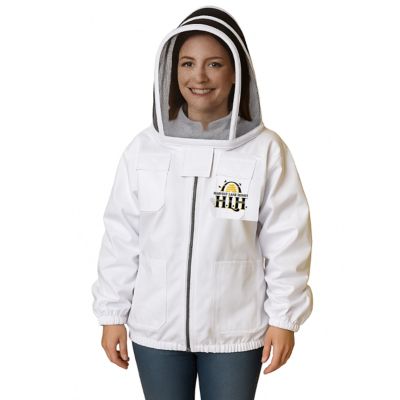
When it comes to beekeeping, nothing’s more important than keeping yourself safe and comfortable while you’re tending the hives. Whether you’re a seasoned beekeeper with a row of hives out back or just getting your first colony started, a good beekeeping suit is your main line of defense against stings and scrapes. These suits come in all sorts of shapes and materials, from sturdy cotton-polyester blends to high-tech ventilated mesh that lets the breeze through when the summer sun is beating down. Folks who work their bees during the warmer months often prefer those ventilated suits—three layers of mesh that keep the air moving but stop stingers in their tracks. If you’re working with gentler bees or just doing a quick inspection, a lighter jacket might be all you need, especially paired with a set of thick jeans and sturdy boots. Full suits are the go-to for anyone dealing with more aggressive hives or planning to spend a good bit of time inside the apiary, offering head-to-toe protection that lets you focus on the bees instead of worrying about what might be crawling up your sleeve.
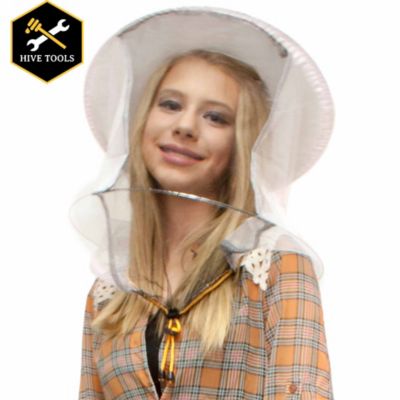
Picking out the right suit isn’t just about comfort—it’s about finding something that fits your working style, your climate, and your peace of mind. Look for features that make your life easier: elastic straps at the wrists and ankles to keep the suit in place, zippers at the ankles so you can slip your boots on and off without a struggle, and plenty of pockets for hive tools or a handy smoker. Some suits come with built-in veils, while others let you choose your own style, whether that’s a fencing-style hood that stays up and out of your face or a round veil for a wider field of view. If you’re after even more flexibility, check out our selection of
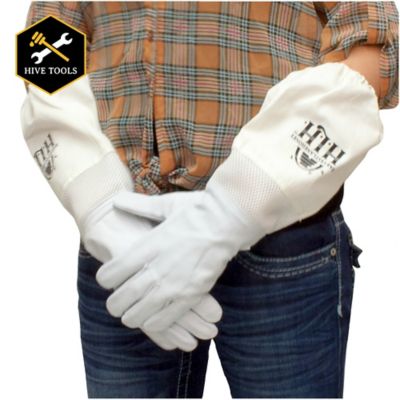
Bee Veils for extra protection or quick trips to the hive. And don’t forget about gloves—goatskin is a favorite among beekeepers for its balance of dexterity and sting resistance, letting you handle frames and tools without fumbling.
Beekeeping suits also make a thoughtful gift for anyone getting started in the hobby or looking to upgrade their gear—think birthdays, Father’s Day, or just because you want to help someone stay safe while they’re out working with their bees. From backyard hobbyists to folks running a small honey operation, having the right suit can make the difference between a relaxing afternoon in the bee yard and a day spent dodging stings. As the seasons roll from the heat of summer into the cooler days of fall, you’ll appreciate a suit that keeps you protected and comfortable no matter what the weather brings. Whether you’re harvesting honey, checking brood frames, or just enjoying the hum of a healthy hive, a well-chosen beekeeping suit is a must-have for anyone who loves working with bees.