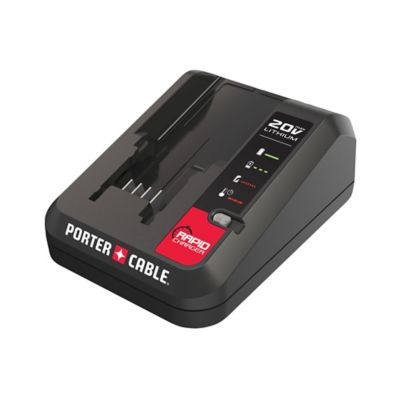
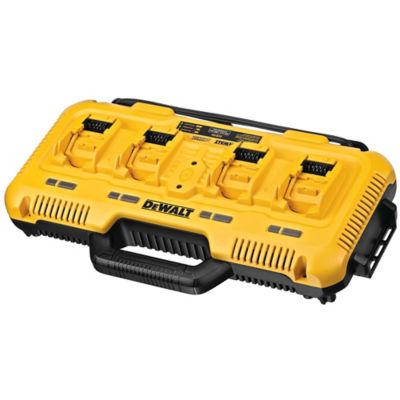
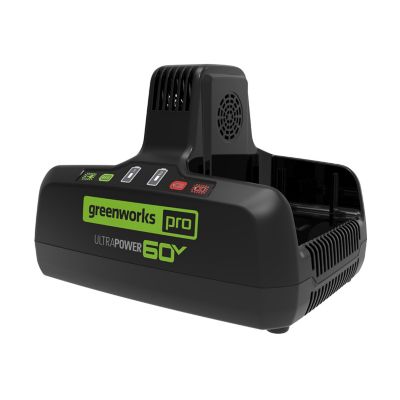
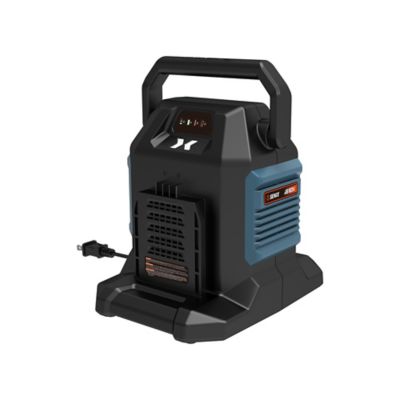
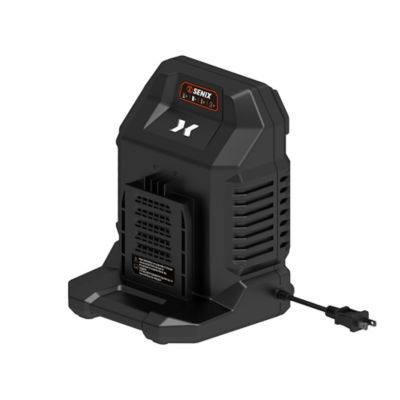
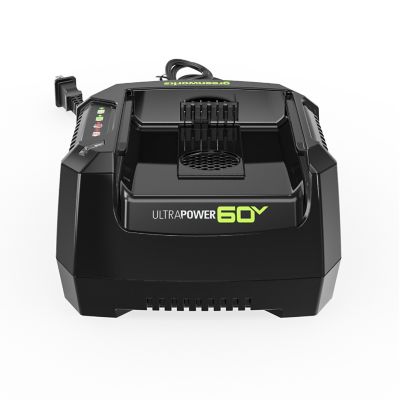
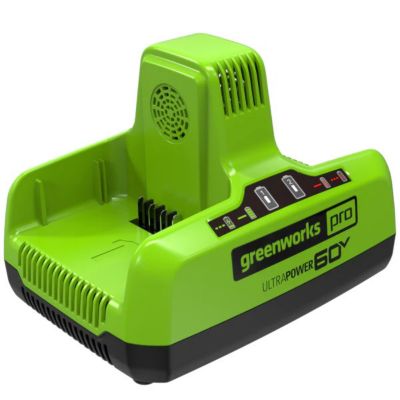
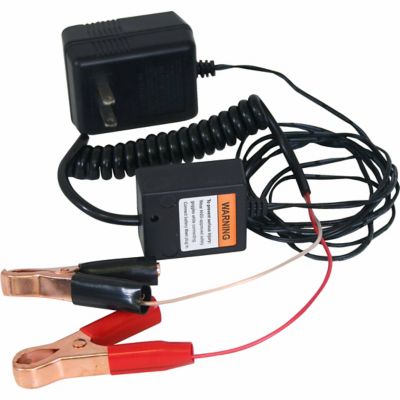
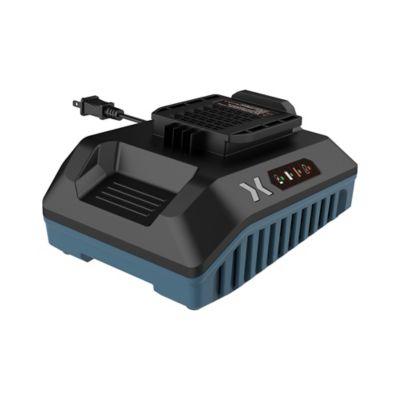
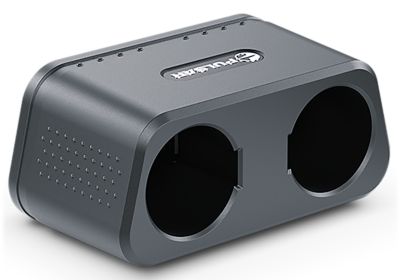
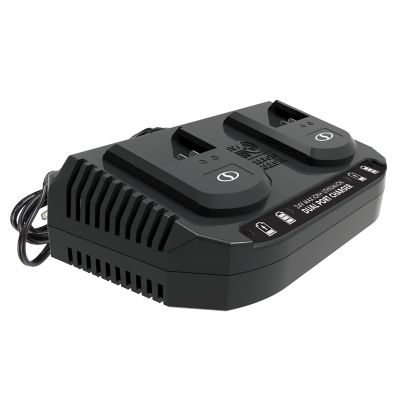
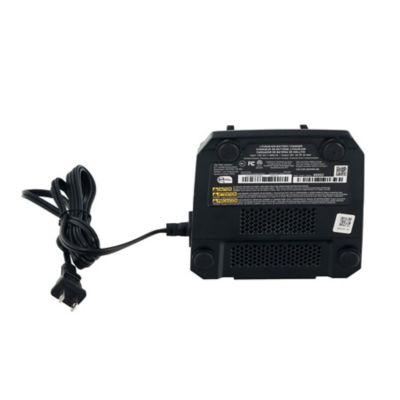
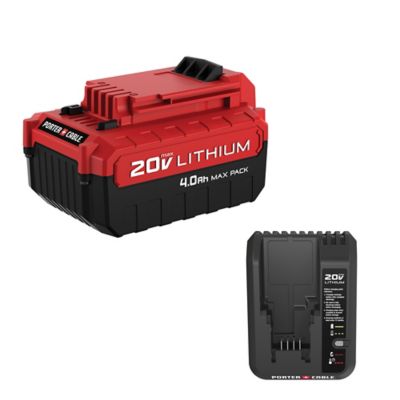
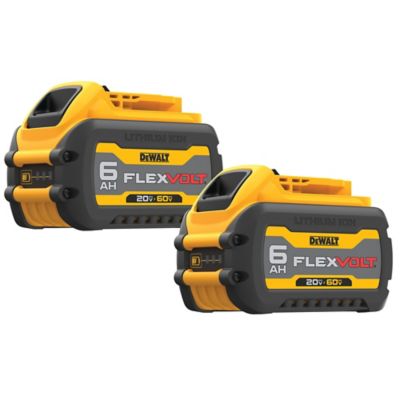
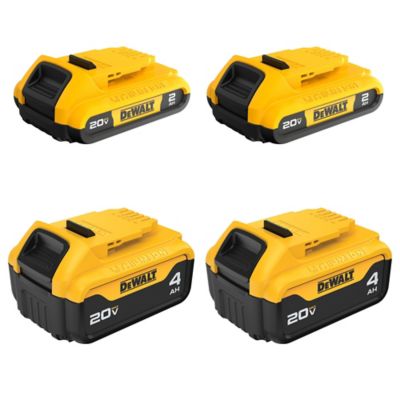
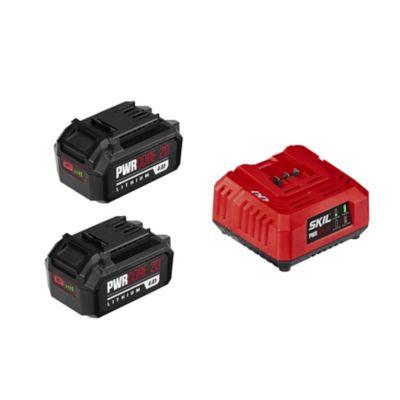
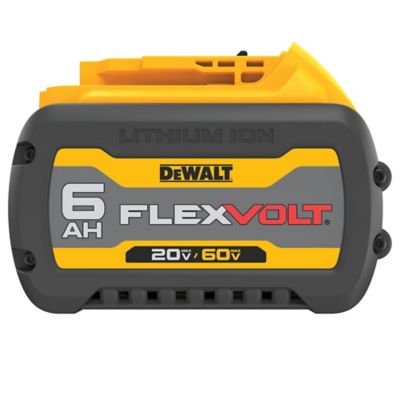
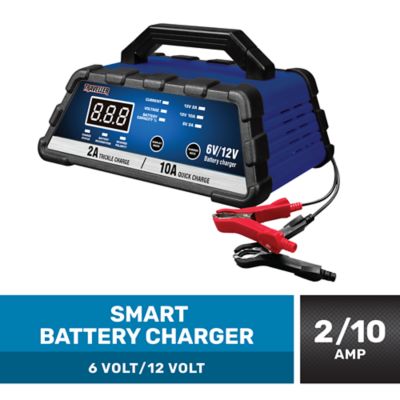
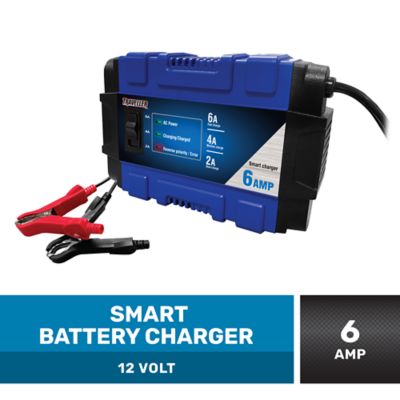
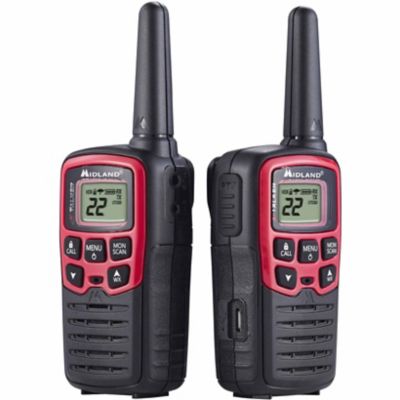
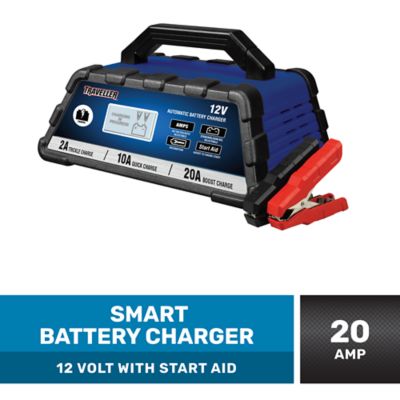
Battery chargers for rechargeable batteries help keep everyday gear ready without sending a steady stream of single-use cells to the trash. They fit naturally into a kitchen drawer, workshop shelf, hunting cabin, camper, or emergency kit, especially when flashlights, radios, headlamps, game controllers, cameras, and other small electronics seem to need fresh power at the same time. During the cooler months, a charged set of batteries can be handy when the sun goes down early, the power flickers, or a quick trip outside calls for a light. Look for a charger that matches the battery chemistry and sizes you plan to use. Many household chargers are made for rechargeable nickel-metal hydride, or NiMH, AA and AAA batteries, while some models support C, D, or 9-volt cells as well. Lithium-ion batteries require a charger designed for that chemistry, and a charger made for one type should not be paired with another unless the manufacturer clearly lists compatibility. Standard alkaline batteries are not rechargeable and should never be placed in a charger. Checking the battery label and the charger specifications before plugging in helps prevent damage and keeps your setup simple.
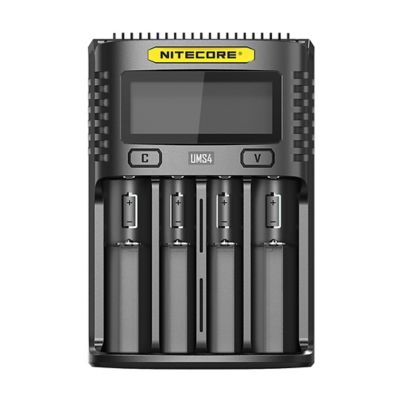
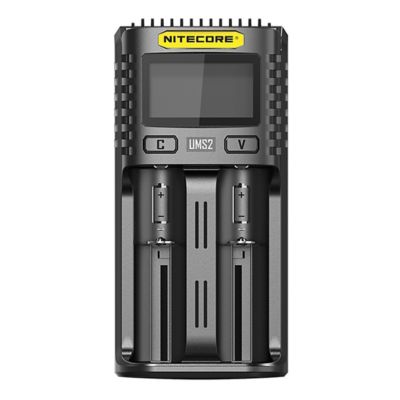
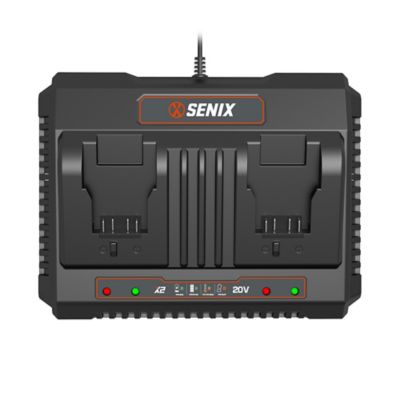
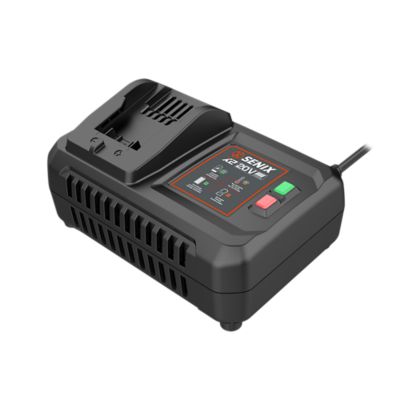
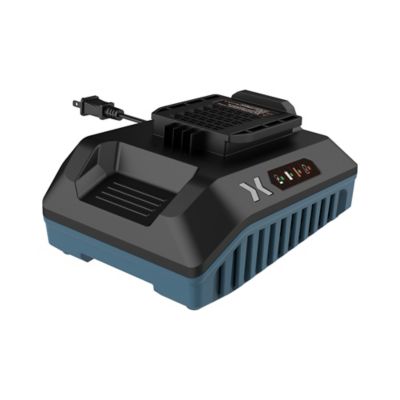
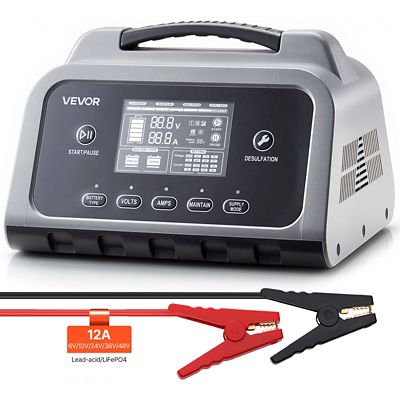
A few charger features can make a noticeable difference in daily use. Independent charging bays let you charge an odd number of batteries or mix partially drained cells with fuller ones, rather than waiting for a complete matching set. Indicator lights can show when each bay is charging, full, or flagged for a problem, which is useful when the charger sits on a workbench or counter. Automatic shutoff helps stop the charging cycle when cells reach capacity, while a maintenance or trickle mode may keep fully charged batteries ready when they remain connected. Charging speed also matters. A faster cycle can help when a camera, lantern, or handheld tool is needed for the afternoon, while a slower cycle may suit a set of batteries that stays in a home office or bedside drawer. Some chargers handle four or eight cells at a time, and others have a compact wall-plug design that packs neatly into a travel bag. Corded desktop models can be convenient when the outlet is behind a bench or when you want the charger to stay in one spot. Before choosing, count the batteries in your regular rotation, note the sizes your household reaches for most, and consider whether you need one charging channel per cell. Keeping charged and spent batteries in separate labeled containers also makes it easier to grab a ready set without guessing.
These chargers can be a practical gift for a camper, photographer, teacher, parent, homeowner, or anyone who keeps a flashlight and radio close by. They suit busy households where remote controls, toys, clocks, and small electronics seem to drain batteries one after another, and they fit well in a roadside or storm-preparation kit. A spare set of rechargeable batteries paired with the right charger can be useful for outdoor work, tailgating, evening chores, or checking fences after dark. If your equipment runs on rechargeable cells away from an outlet, a charger is only one part of the setup; a portable inflator can help with vehicle, trailer, bike, and small-equipment tires, too. Explore
Rechargeable Tire Inflators when your gear list calls for another cordless tool. Store batteries in a cool, dry place, keep metal objects away from loose cells, and follow the charging instructions for the exact battery type. With the right match between charger, battery, and device, it becomes easier to keep household electronics, outdoor equipment, and emergency supplies ready for the next job.