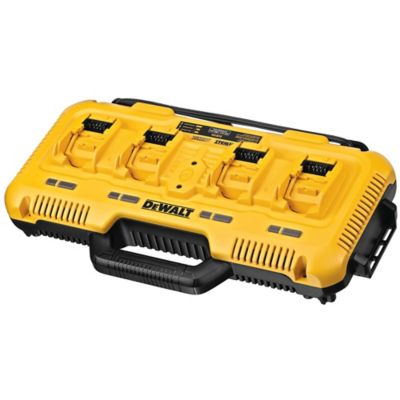
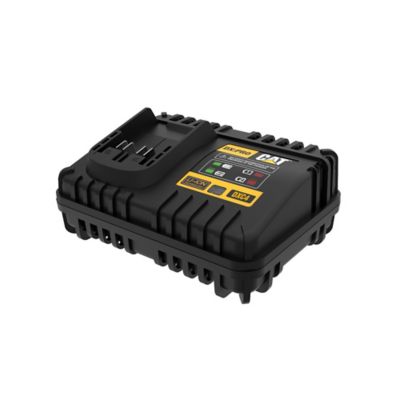
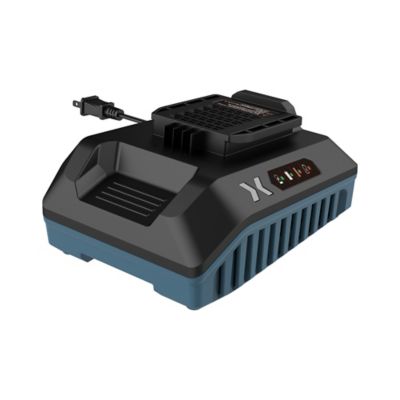
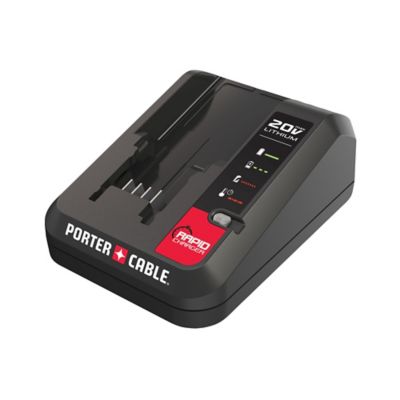
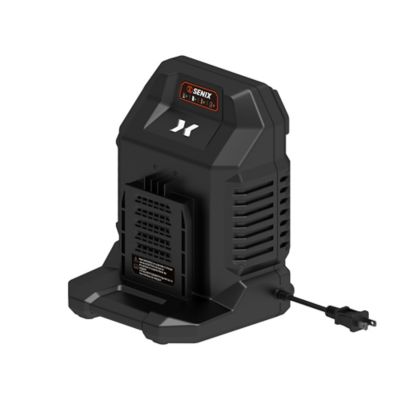
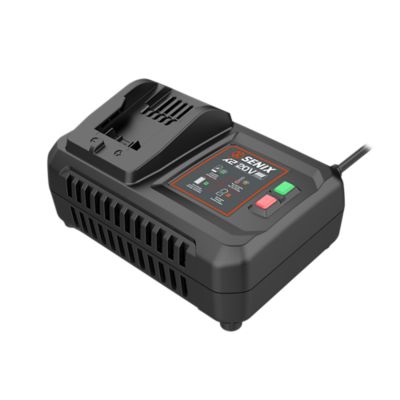
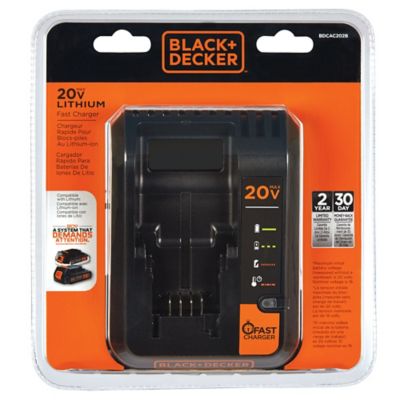
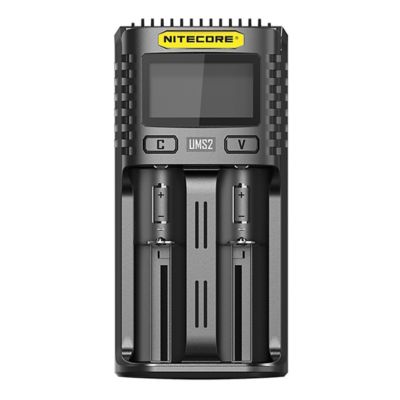
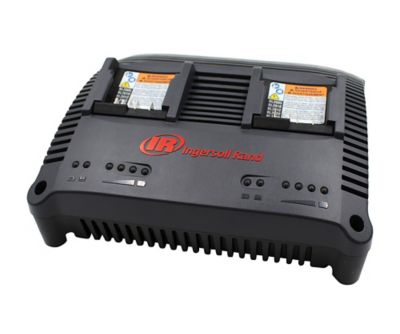
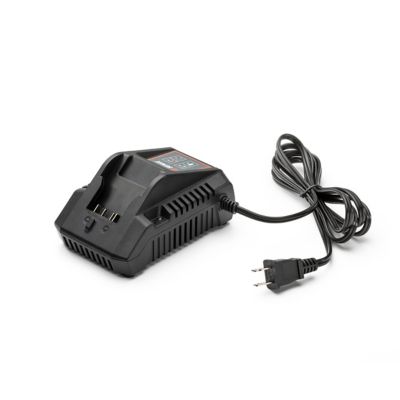
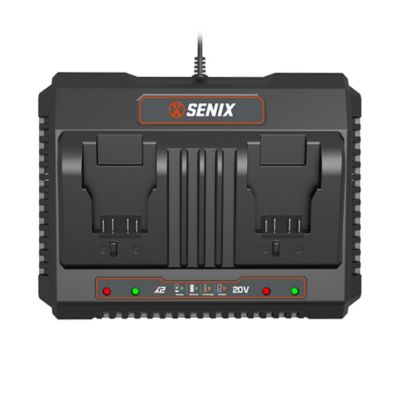
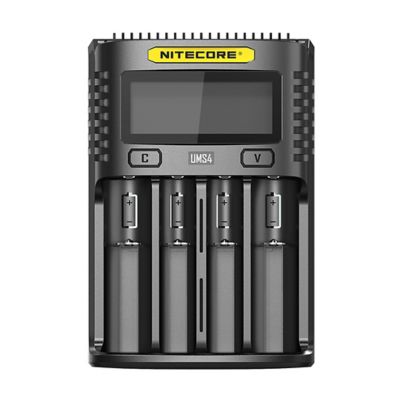
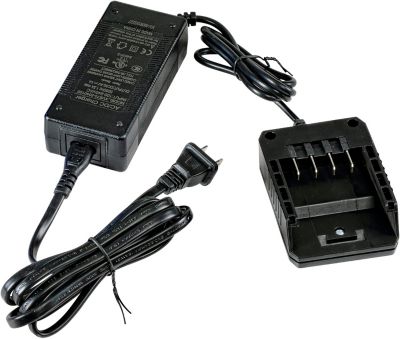
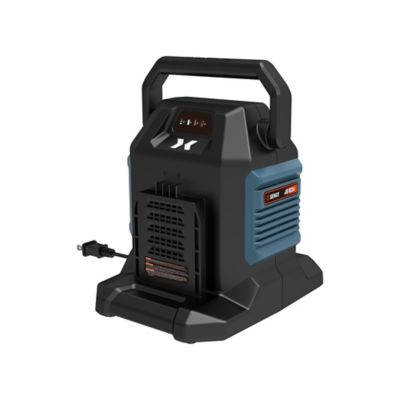
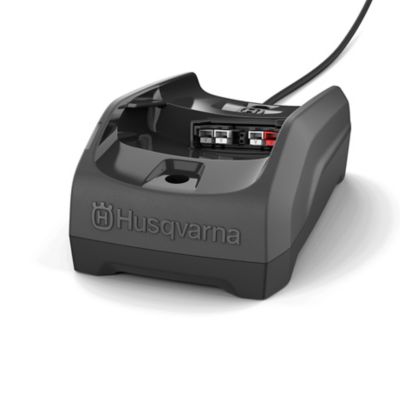
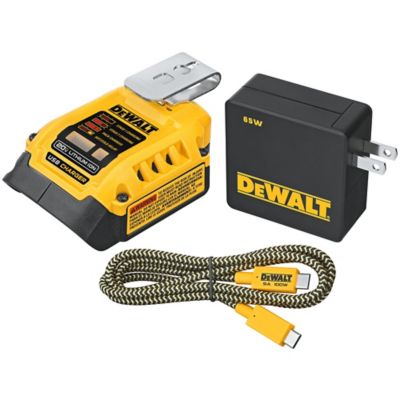
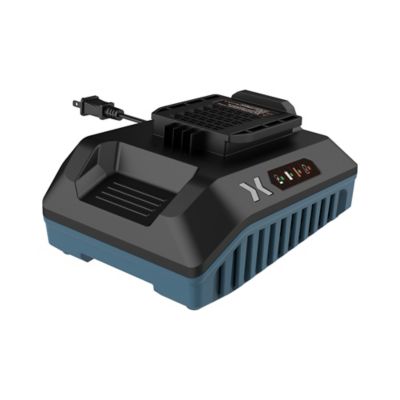
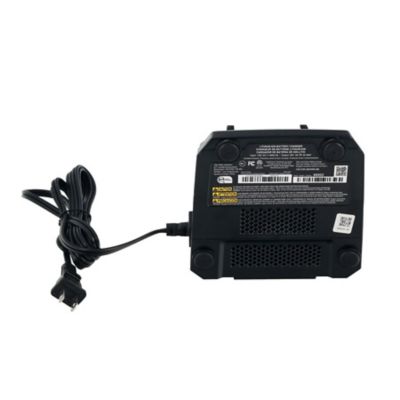
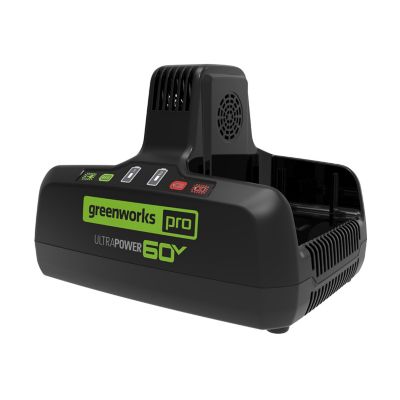
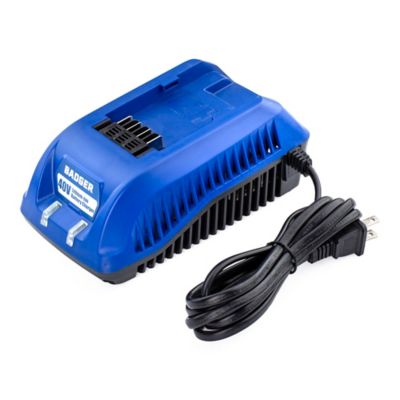
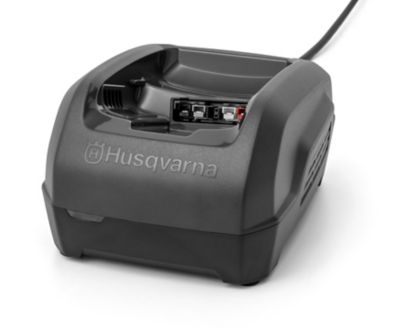
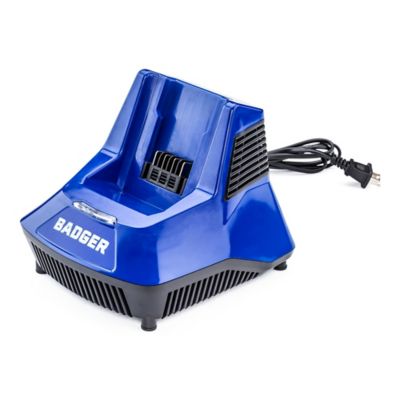
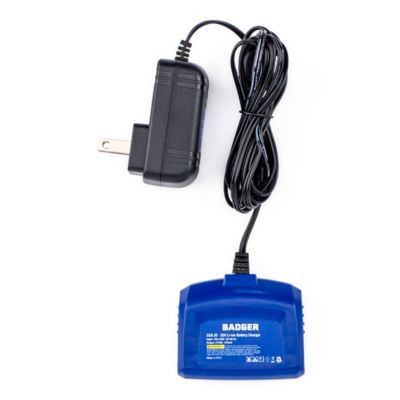
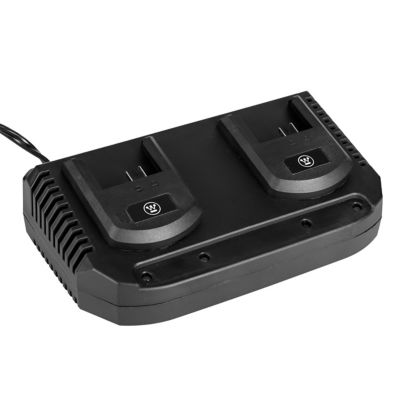
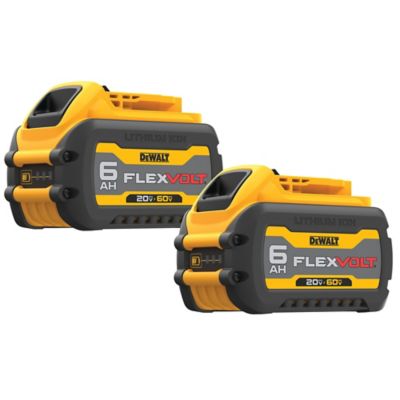
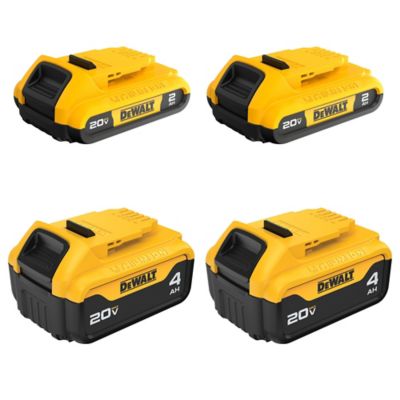
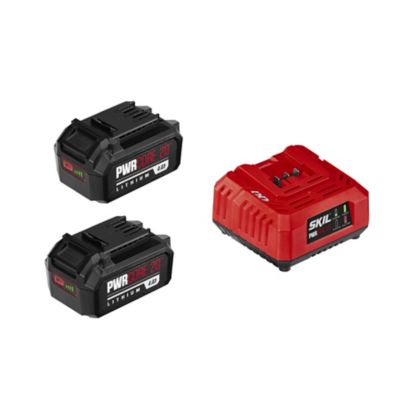
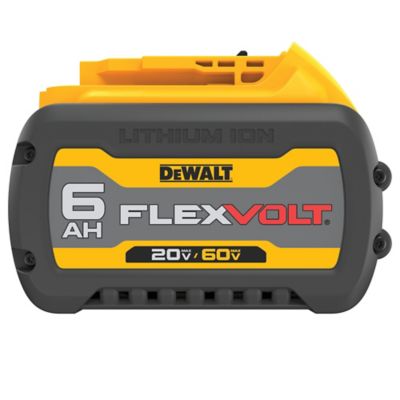
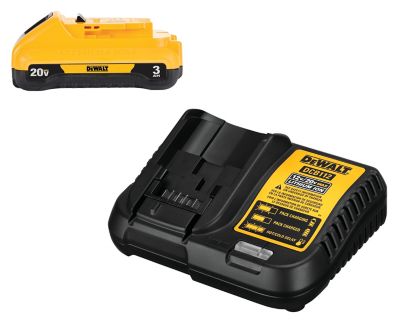
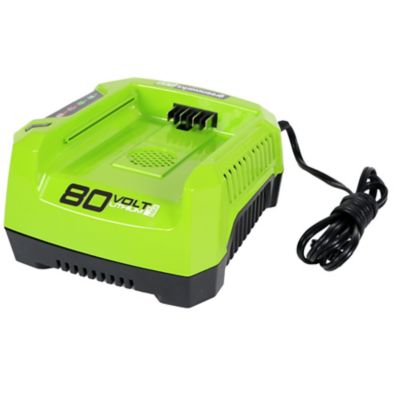
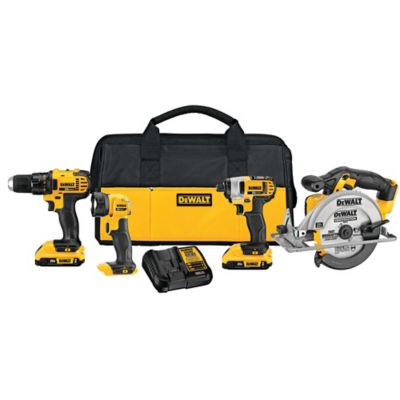
Battery chargers for power tools replenish rechargeable tool batteries and come in single-bay, multi-bay, and fast-charging designs built for particular battery platforms. The right fit depends on the battery system, supported voltage, battery chemistry, and the manufacturer’s approved compatibility, not just whether a pack appears to fit the slot. A charger intended for lithium-ion packs is not automatically suitable for nickel-cadmium batteries, and matching voltage alone does not establish compatibility. Even batteries from the same manufacturer can belong to different tool systems. For anyone running cordless drills, impact drivers, saws, or grinders around a farm, shop, or jobsite, that connection between the charger and the battery matters as much as the tool itself. The pack needs to seat correctly, its terminals need to meet the charging contacts, and the charger needs to support its charging requirements. Slide-on packs and other battery designs have different connections, so the battery model and the charger’s compatibility information are useful reference points. Some chargers support more than one voltage within an approved platform, while others work with a narrower range of packs. Single-bay chargers suit a small tool setup or a dedicated charging spot beside the workbench. Multi-bay chargers make more sense when several packs move between tools throughout the day, such as when a drill handles pilot holes while an impact driver sets screws on a gate repair. A compatible fast charger can shorten the wait between jobs, though charging speed depends on both the charger and the battery. None of these formats makes a battery universal or changes which tools it fits. For a household with several cordless tools, keeping track of battery platforms helps prevent a charger purchase that looks right on the bench but cannot charge the packs already in the toolbox. A shared charging system can simplify the setup, but only where the manufacturer specifically approves those batteries and chargers together.
Charging capacity is about more than the number of slots across the front. A multi-bay charger may charge packs one after another, charge several at once, or divide its output among connected batteries. That distinction matters when a crew needs several packs ready before heading out to repair a fence or when one person rotates batteries between a saw and a drill. Sequential charging can keep a group of batteries moving through a single station, while simultaneous charging can replenish several compatible packs during the same stretch of time. Fast-charging performance also varies with battery capacity, starting charge level, pack condition, and the charging rates the battery supports. A larger amp-hour rating generally means more stored energy at the same nominal voltage, but it does not promise a particular charging time. Charging claims are most helpful when they identify the battery capacity and conditions behind the stated time. Clear indicator lights or displays can make a station easier to manage by distinguishing active charging, a full pack, and a fault or delay. Depending on the design, a charger may communicate with the battery to manage charging or pause when the pack needs attention. Those features do not make a damaged battery safe to charge. Around a busy shop, a readable status light saves the trouble of guessing which battery is ready before carrying tools to the other side of the property. A second compatible battery can also keep a job moving while another pack charges, provided the charging setup matches the work pace. Someone hanging shelves in a tack room may have different needs from a contractor driving fasteners for hours. The useful balance is enough charging capacity for the tools in regular rotation without turning a small bench into a tangle of cords and packs. A charger replenishes the battery; it does not increase the battery’s rated capacity or give a tool more power than its system supports.
The charger’s physical design matters in a working space, too. Molded housings, recessed contacts, battery rails, and cord connections all have a part in how the charger fits into everyday routines. A stable base helps keep a charging station settled when a pack slides into place, while clearly marked bays make it easier to see how each battery connects. Wall-mount provisions, where included and approved by the manufacturer, can free bench space for measuring, sharpening, or laying out hardware. Cord length affects placement, but a convenient location still needs to meet the charger’s electrical and ventilation requirements. A charging station belongs away from water, loose metal hardware, and work that throws sparks or heavy dust. Screws and metal shavings have no business near exposed battery contacts. For care, unplugging the charger before cleaning and following the manufacturer’s directions helps protect the housing and connections; a dry cloth is often all the exterior needs. Cracked housings, damaged cords, bent contacts, or signs of battery damage call for attention rather than another charging attempt. Keeping vents clear and leaving the recommended space around the charger supports normal operation, especially when several batteries cycle through the same station. Charger size and weight can matter for anyone carrying equipment between a home shop, barn, and jobsite, while a stationary setup may benefit more from organized mounting and easy-to-read indicators. As a gift for a woodworker, rancher, mechanic, or someone building out a cordless tool setup, a battery charger makes the most sense when the recipient’s exact battery platform is known. An extra charger can create a second charging location without changing the tools already in service. Power tool chargers serve a different purpose from
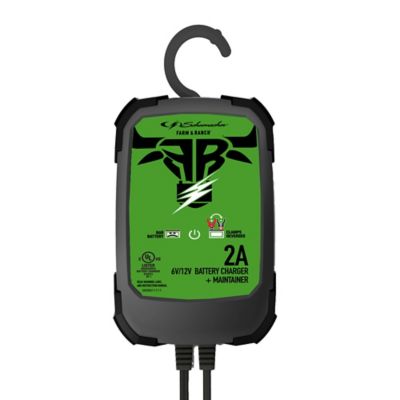
Vehicle Battery Chargers, which are intended for compatible vehicle batteries rather than cordless tool packs. Matching the charger to the equipment, workspace, and daily workload keeps the focus where it belongs: batteries ready for the next repair, build, or chore.