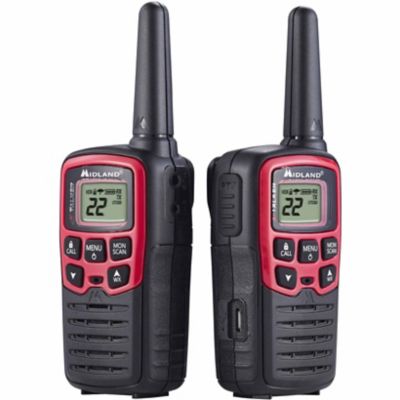
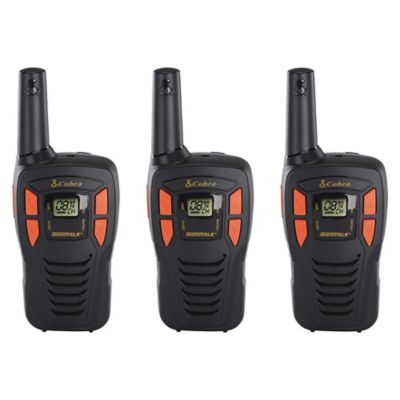
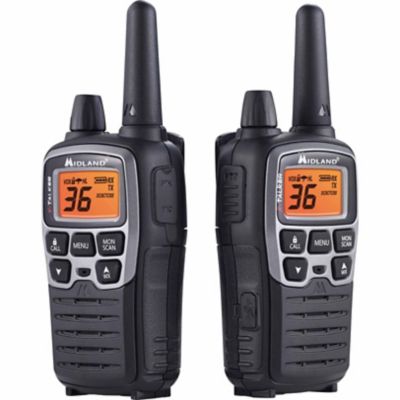
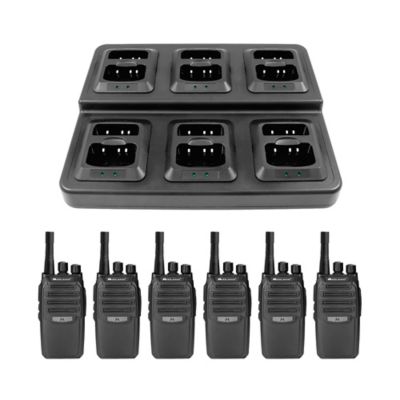
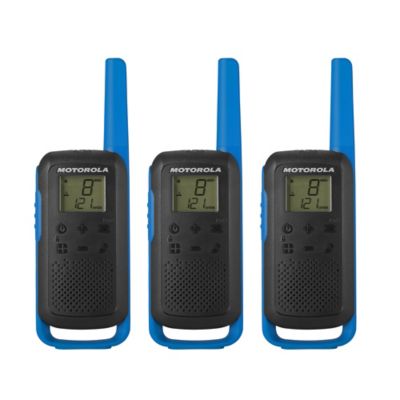
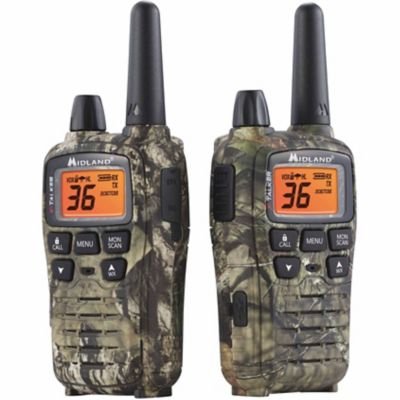
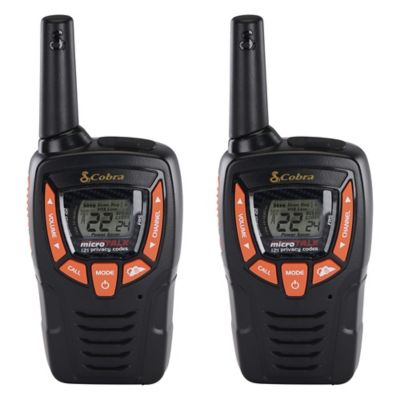
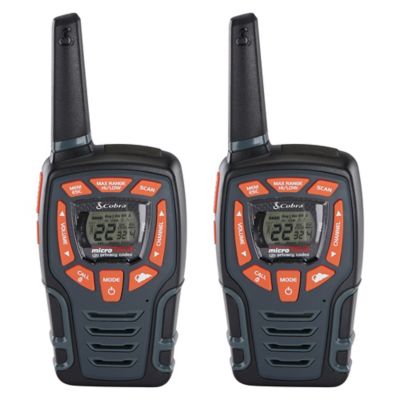
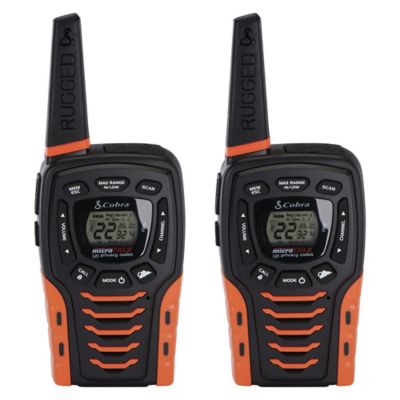
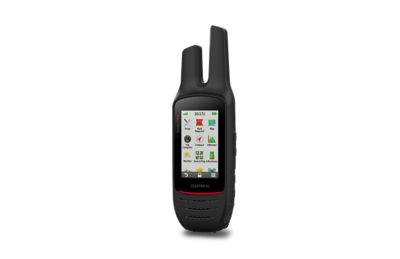
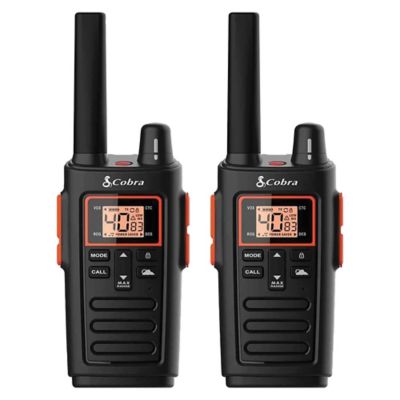
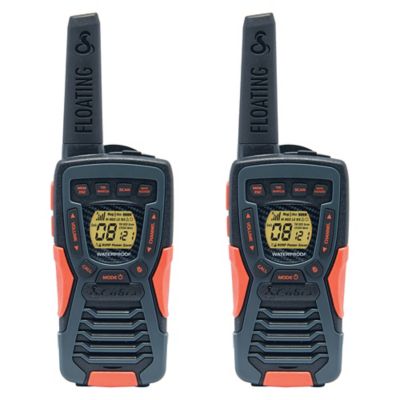
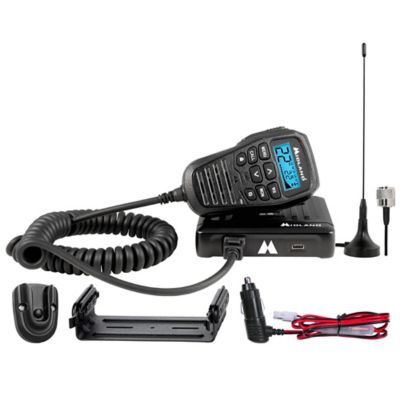
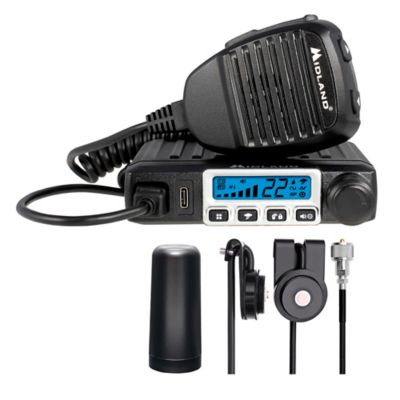
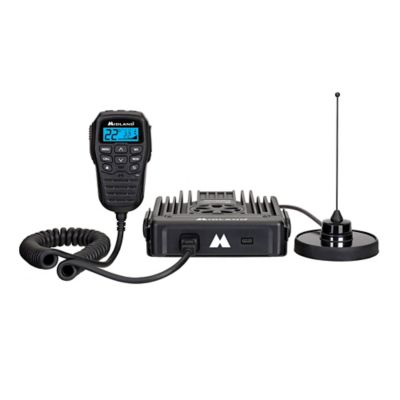
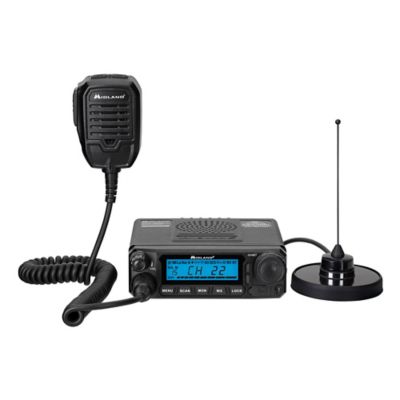
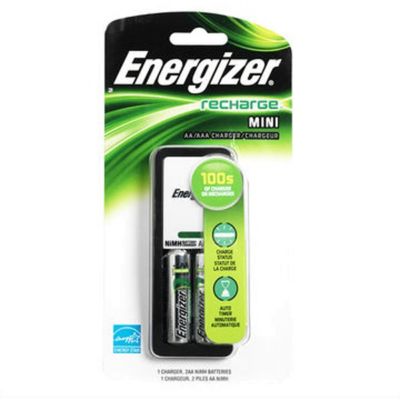
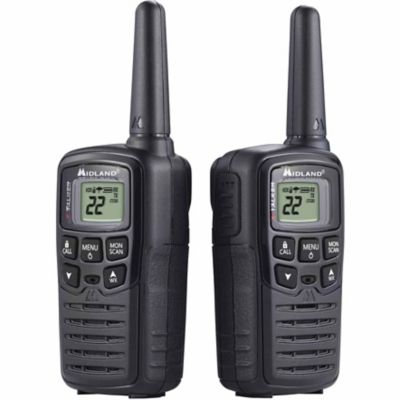
Rechargeable walkie talkies are a handy way to keep people connected around the farm, campsite, jobsite, hunting property or neighborhood without relying on cell service or burning through disposable batteries. A charged pair can help you stay in touch while checking fence lines, moving livestock, splitting up during a trail ride or keeping tabs on the kids as they play outside. They’re also useful for tailgating, outdoor events, road trips and seasonal chores when family members are spread out over a large property. Instead of calling back and forth across the yard or trying to hear over a tractor, mower or generator, you can press a button and speak clearly to the other radio. Rechargeable models are especially convenient for households that use radios often because the batteries can be topped off and used again, which helps reduce the waste and added cost that come with single-use alkaline batteries. Many sets use rechargeable lithium-ion or nickel-metal hydride battery packs. Lithium-ion batteries are often slim, light and capable of holding a charge for extended periods, while nickel-metal hydride batteries are common in dependable everyday radios and may offer the flexibility of using standard replacement batteries in an emergency. Pay attention to the expected run time, charging time and whether the battery can be replaced when it eventually wears out. A radio that sits in a truck, barn cabinet or emergency kit should be checked and charged periodically so it is ready when the power goes out, a storm rolls through or a group heads beyond reliable cell coverage.
Range is one of the most important details to consider, but the advertised maximum distance is measured under ideal conditions. Open fields, flat pasture and unobstructed roads generally allow a signal to travel farther than thick timber, rolling hills, metal buildings or crowded neighborhoods. Trees, rock, weather and structures can all affect performance, so choose a range rating with your actual surroundings in mind rather than treating the highest number on the package as a guarantee. Family Radio Service, commonly called FRS, is intended for short-range personal communication and does not require an individual license in the United States. General Mobile Radio Service, or GMRS, can offer more power and longer practical range with compatible equipment, but its use may require an FCC license and the rules can differ from license-free FRS operation. Check the radio’s labeling and the current FCC requirements before using higher-powered channels. Features such as multiple channels, channel scanning, hands-free voice activation, keypad locks and call tones can make communication easier when several people are working together. Privacy codes may help reduce the amount of unrelated chatter you hear, but they do not make a conversation private or encrypted. Weather alerts can be useful for outdoor plans, especially when conditions can change quickly, and a built-in flashlight may help when walking back to the truck at dusk or looking for equipment in a dim shed. For water, mud and rain, look for a clearly stated water-resistance or waterproof rating. A splash-resistant radio is not automatically safe to drop in a creek, and a floating design is only helpful when the unit is specifically made and rated for that use.
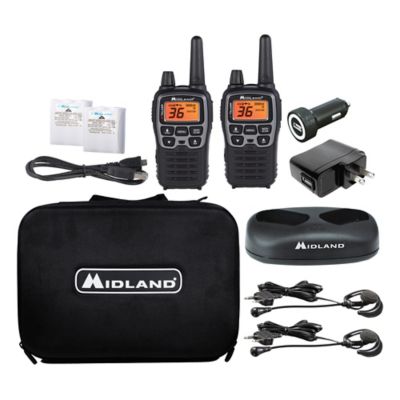
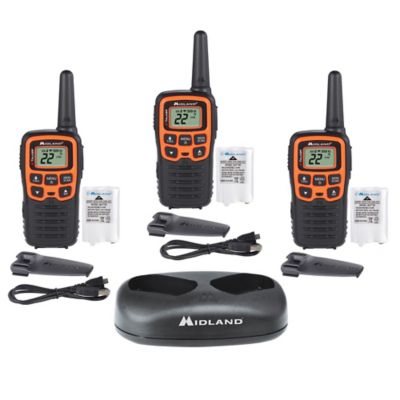
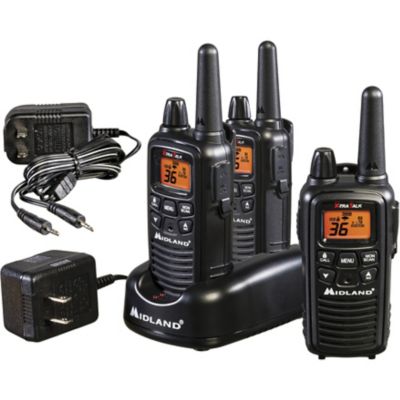
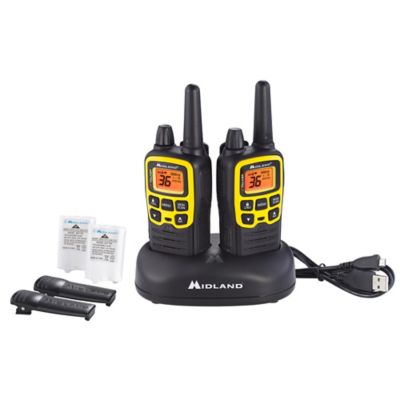
Charging style matters just as much as radio features. A desktop charging dock gives each radio a designated home on a kitchen counter, office shelf or workbench, making it easy to place the units back in the same spot after chores. USB charging is convenient for vehicles, campers, power banks and wall adapters, and USB-C connections may be especially useful if your household already keeps those cables on hand. Some rechargeable walkie talkies include individual charging cables, while others use a shared cradle, so review what is included and consider whether you need an extra charger for a second location. A belt clip, sturdy case, lanyard loop and large push-to-talk button can make a noticeable difference when wearing gloves or carrying tools. Look for controls that are easy to identify by feel, along with a readable display and a volume level that can be heard over wind, machinery and outdoor activity. Rechargeable walkie talkies make practical gifts for campers, hunters, gardeners, farm families, grandparents, young explorers and anyone who enjoys working or traveling in a group. They can be a thoughtful addition to a new camping setup, a hunting blind, a family emergency kit or a child’s outdoor gear, provided the features and controls fit the recipient’s age and experience. Pairing radios with other dependable outdoor equipment, such as
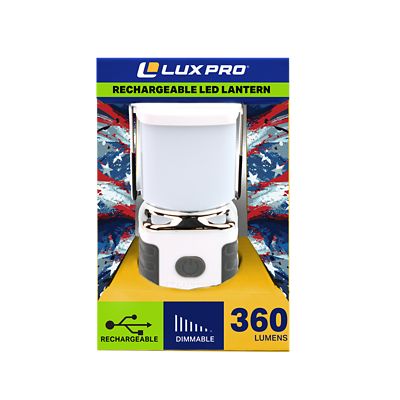
Rechargeable LED Camping Lanterns, can help build a useful kit for power outages, campsites and evening work. During the cooler months, a charged radio can help coordinate firewood, livestock checks and trips between the house and outbuildings, while an extra battery, charging cable and protective case keep the setup ready for everyday use. Before heading out, charge both units, test them from the places where you plan to use them, confirm that everyone is on the same channel and keep the radios accessible rather than buried at the bottom of a bag.