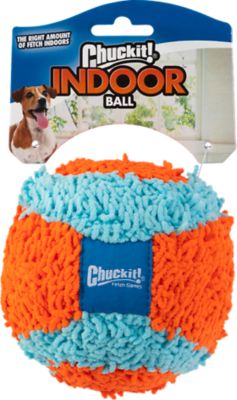
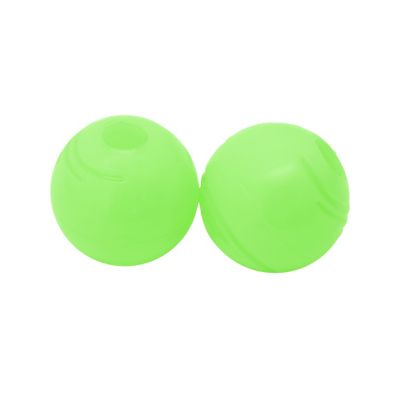
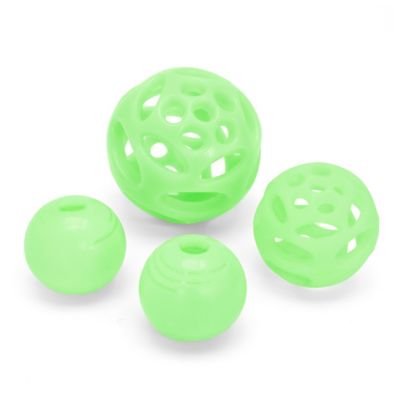
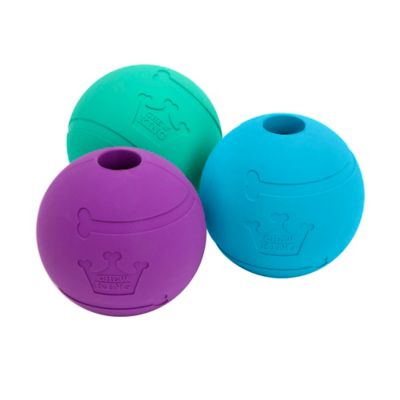
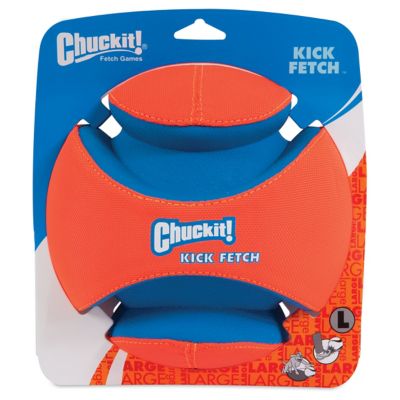
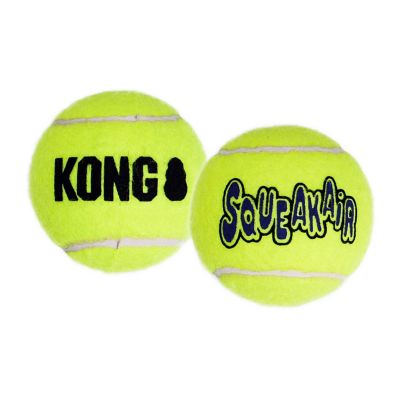
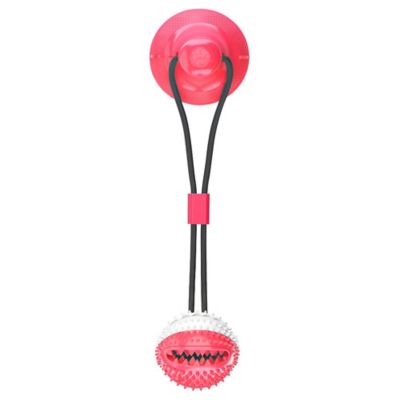
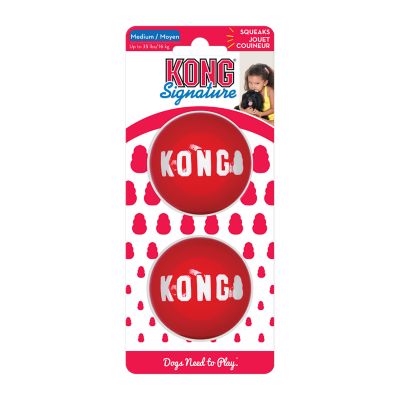
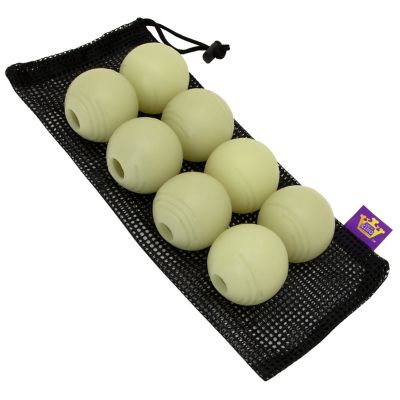
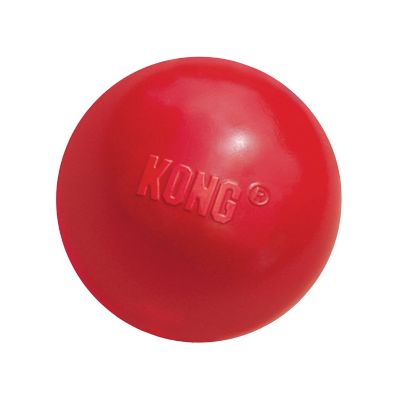
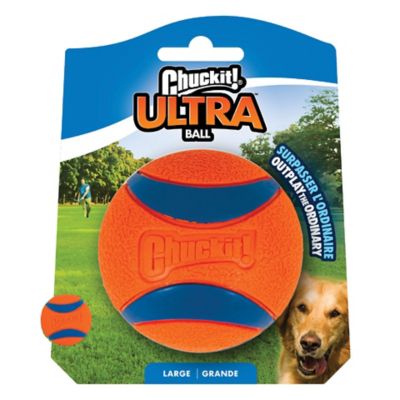
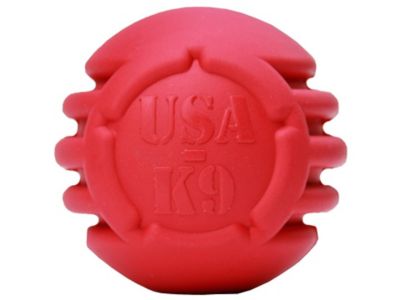
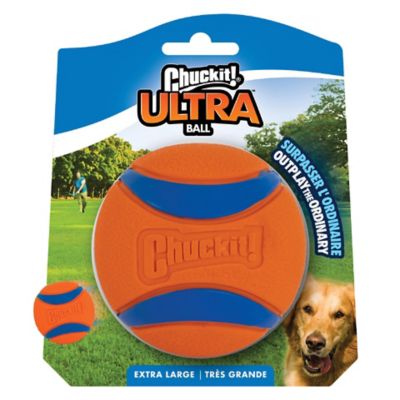
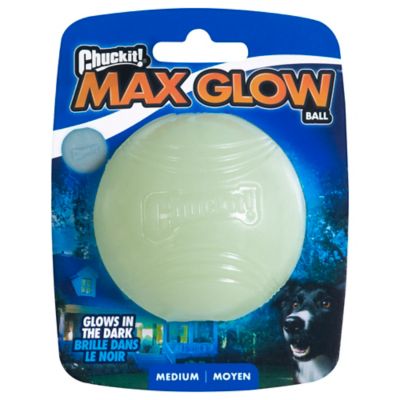
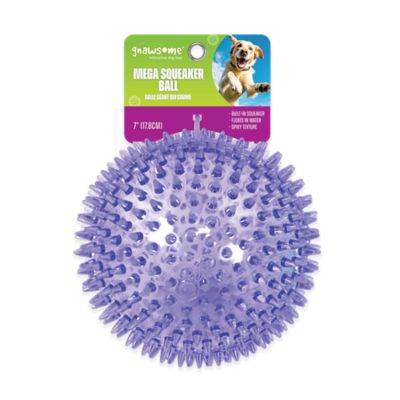
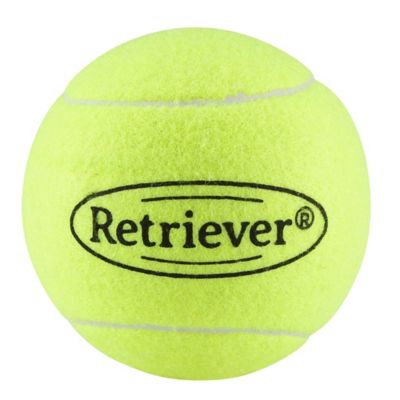
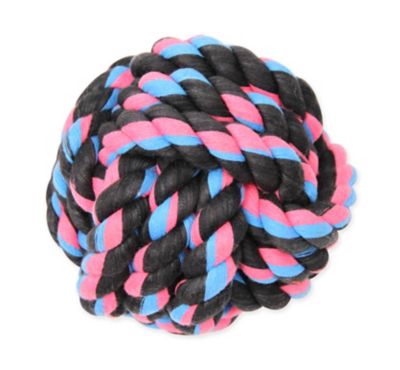
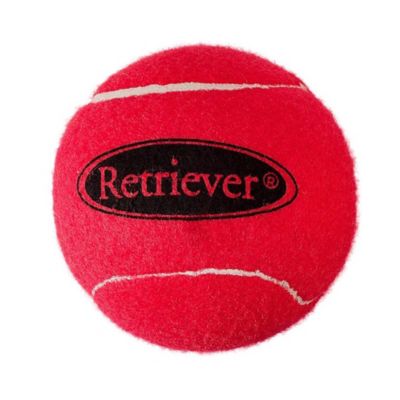
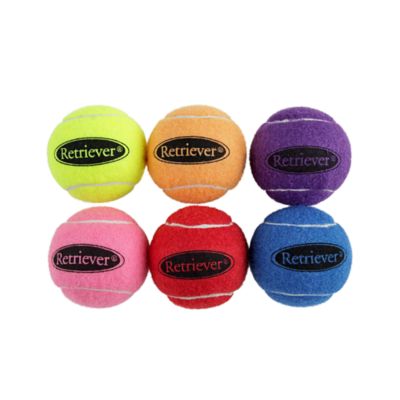
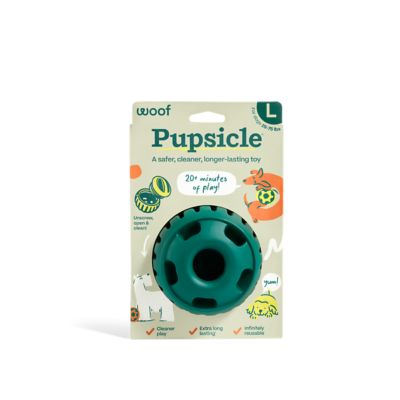
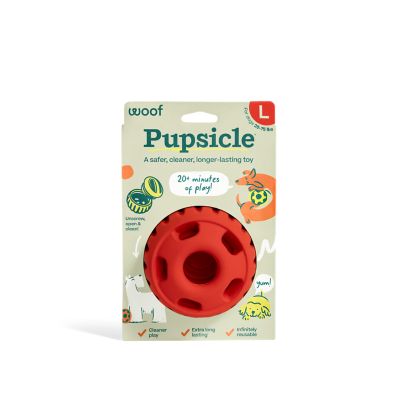
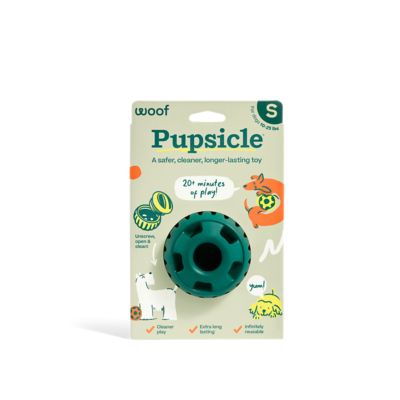
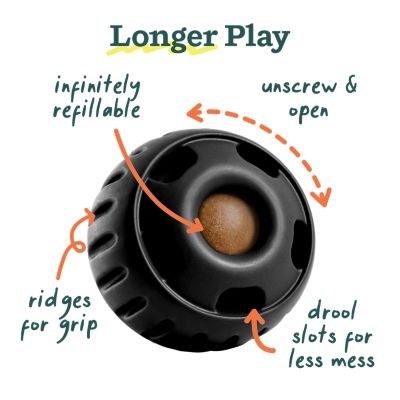
A ball dog toy turns a little open space into a chance to chase, carry, and spend time together. For a dog that waits by the door with a toy in its mouth, a ball can be part of the everyday routine, whether that means a few short tosses in the yard or a rolling game down a clear hallway. Common options include rubber fetch balls, tennis-style balls, soft fabric balls, treat-dispensing designs, and electronic balls that move on their own. Each brings something different to playtime. Rubber often has a springy feel and a lively bounce, while a textured surface can make a ball easier to pick up when it gets slick with slobber. Tennis-style coverings give dogs a fuzzy surface to grip, though the covering needs regular checks for wear. Soft fabric balls suit gentle carrying and quieter indoor games, especially when a hard bounce would send things rattling off the furniture. Hollow balls may feel lighter in the mouth, while solid designs can have more heft; neither construction alone tells the whole story about how a toy will hold up. Treat-dispensing balls turn rolling and nudging into a food puzzle, giving a busy nose something to work on between fetch sessions. Electronic options add unpredictable movement, but their motors, battery compartments, and cleaning requirements call for closer attention to the product directions. Some dogs enjoy the extra motion, while others prefer a plain ball that waits for a familiar hand to throw it. Squeakers and crinkly layers can encourage interest, though quieter options make sense for dogs that startle easily or homes where play happens near a sleeping family member. The best match depends less on extra features than on what the dog actually enjoys doing: sprinting after a bounce, carrying a prize around the yard, working for a snack, or rolling a toy back toward someone’s boots.
Size and chewing habits matter just as much as the kind of game. A dog ball should be large enough that the dog cannot swallow it or get it lodged deep in the mouth, yet manageable enough to pick up and carry comfortably. A size that suits a little terrier may be a choking hazard for a big retriever, and a ball that looks substantial in a person’s hand can look quite different beside a broad set of jaws. Manufacturer sizing guidance, intended use, and supervision recommendations help narrow the choices. Puppies may need softer materials and gentler play while their mouths develop, along with another size check as they grow. Older dogs may appreciate a lighter ball, a surface that is easier to grip, or a slow roll instead of a high throw. Dogs with dental problems or a history of swallowing toy pieces need advice from their veterinarian before getting a new toy. For strong chewers, construction and resistance to tearing deserve a close look, but no ball is indestructible. A fetch toy is not automatically suitable for long chewing sessions, even if it feels firm or heavy. Raised nubs, seams, rope sections, and fuzzy coverings all give the mouth something different to grab, and all need watching for loose pieces. Intended play space matters, too. High-bounce balls fit open areas with secure footing, while lower-bounce designs can keep indoor games more contained. A ball for water play needs to be specifically described as floating; not every hollow or lightweight ball will stay on the surface. Launcher compatibility also depends on the stated ball diameter rather than a rough visual match. Around a rural property, a fenced play area away from roads, livestock, equipment, and stored supplies keeps the game better contained. Low throws and ground-level rolls offer plenty of chasing fun without encouraging repeated leaps and hard landings.
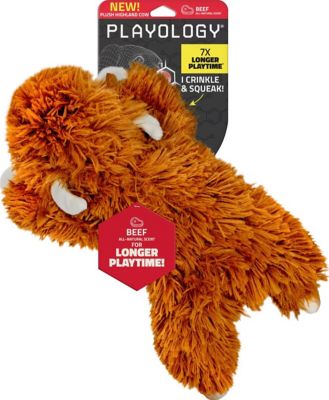
Everyday care helps keep ball dog toys ready for the next round and makes damage easier to spot. Slobber, grit, and bits of grass can collect in grooves or around openings, so cleaning should follow the maker’s directions for the material and any internal parts. A washable rubber ball may need a different approach from a fabric ball, and an electronic toy should never go into water unless its care instructions specifically allow it. Rinsing away cleaner and letting a toy dry thoroughly are sensible habits, especially for hollow designs that can trap moisture. Treat openings need extra attention so food does not sit inside between play sessions. Dishwasher or washing-machine cleaning is appropriate only when the label says so. Before a game, a quick look and squeeze can reveal splits, missing chunks, exposed stuffing, loose squeakers, or a damaged battery cover. Toys with those problems belong out of reach, not back in the basket for one more toss. Keeping a couple of suitable play styles in rotation can help hold a dog’s interest without turning every break into a full-speed workout. A food puzzle offers a different pace from fetch, and any treats inside should count toward the dog’s daily food intake. Short, supervised sessions also leave room to practice bringing the ball back, dropping it on cue, and settling down when the game ends. A ball suits a fetch fan, while a
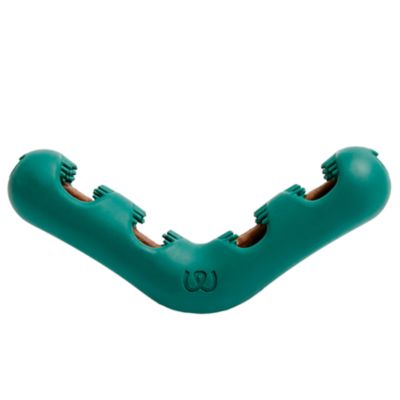
Cow Dog Toy adds an animal-shaped option to the mix. For a gift, the dog’s size, chewing style, and favorite way to play matter more than a bright color or a funny sound. Knowing whether that dog gently carries toys or gets straight to pulling them apart makes the choice more thoughtful. The goal is a toy that fits the dog, the setting, and the kind of time spent together, from a few easy rolls beside the porch to a lively game inside a fenced yard.