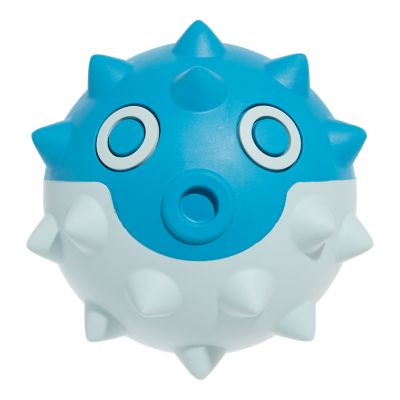
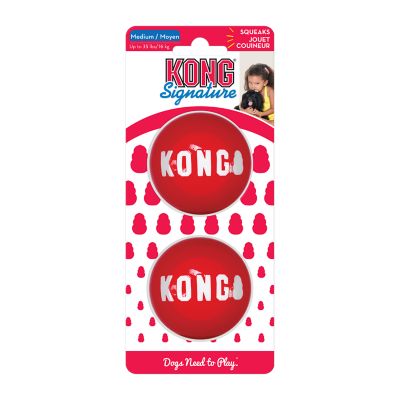
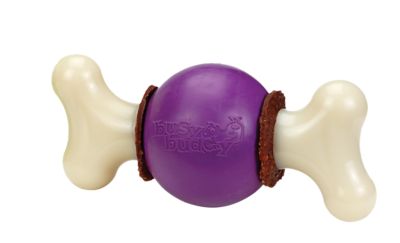
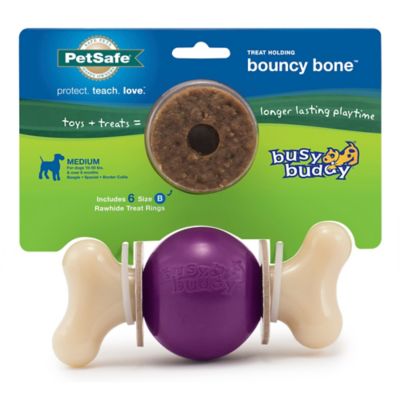
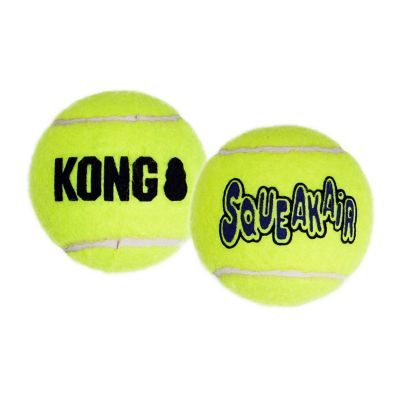
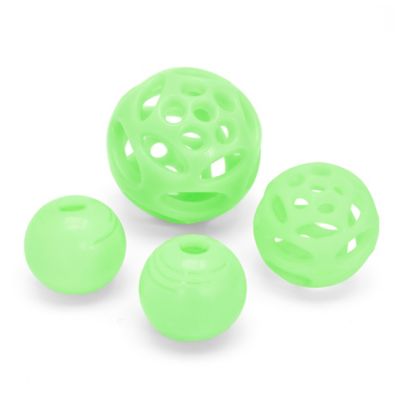
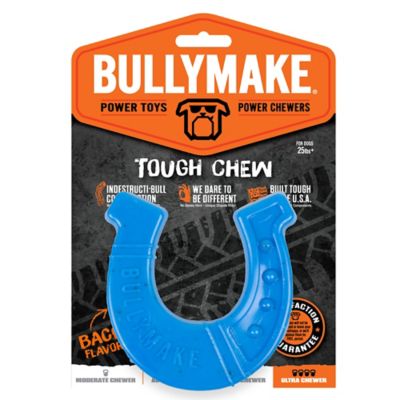
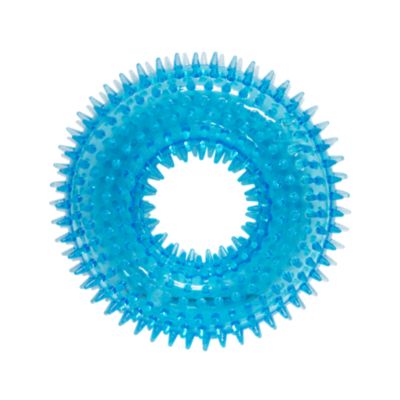
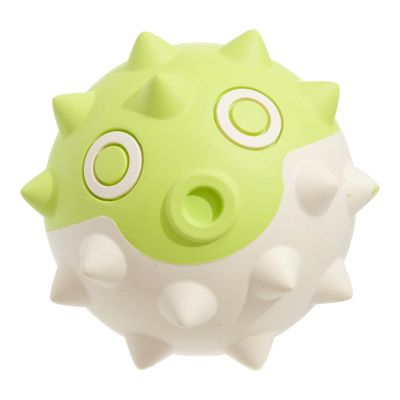
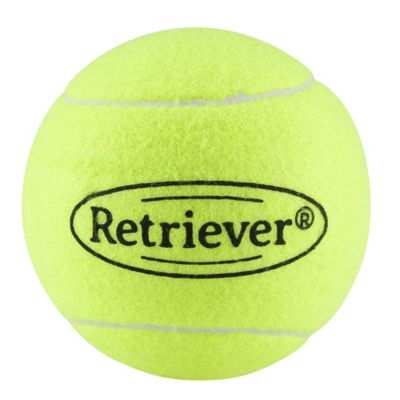
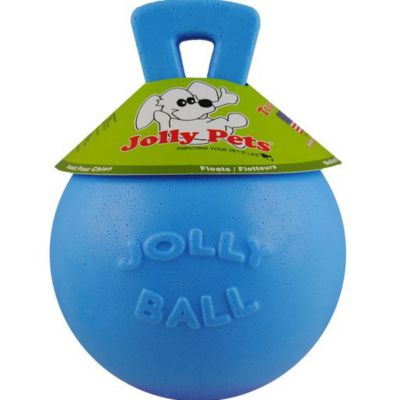
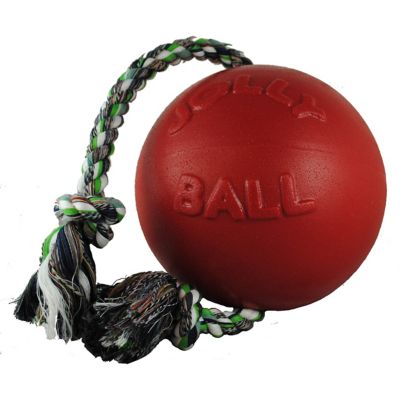
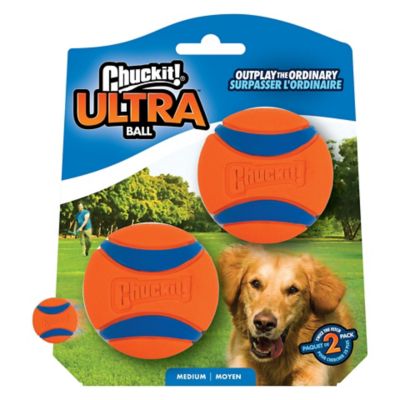
Bouncy dog toys are playthings designed to rebound when they hit the ground, giving dogs a moving target to chase, catch, and retrieve. Some bounce in a fairly straight path, while others skip off at an angle that sends a curious dog scrambling for another look. That changing movement is a big part of the appeal: it taps into a dog’s interest in chasing without requiring a long throw every time. A short toss across a clear stretch of yard can turn into several lively hops, with ears flying and paws working to keep up. For dogs that enjoy fetch, a bouncing toy adds variety to a familiar game; for dogs still learning to bring something back, those extra hops may help hold their attention. Rubber and other flexible materials are common choices, though the feel, weight, and rebound vary from one design to another. Round shapes tend to roll along after landing, while uneven shapes can change direction more sharply. Hollow construction may give a toy more squeeze, and thicker walls may create a firmer feel, but neither feature alone tells you how well a toy will suit your dog. The best match depends on mouth size, play habits, and where the game usually happens. A dog trotting beside you after barn chores may enjoy a few easy retrieves on level ground, while a house dog may prefer a gentle bounce down an uncluttered hallway. These toys can make shared play feel fresh without much setup, whether you have a fenced backyard, a small indoor play space, or a grassy patch away from livestock and equipment. If your dog favors a familiar round shape, the
Ball Dog Toy selection is another place to browse for fetch-time options. Whatever the shape, a bouncing toy works best as an invitation to play together, with the pace and distance suited to the dog at your feet.
Size and chewing style deserve a close look when choosing bouncy dog toys. A toy should be large enough that your dog cannot swallow it, yet shaped so they can pick it up and carry it comfortably. Check the manufacturer’s sizing and age recommendations rather than judging by a photo alone, especially for broad-jawed dogs or growing puppies. In a home with dogs of different sizes, the smallest toy in the yard may be a poor match for the biggest mouth, so separate play sessions can make sense. Material matters just as much. A soft, flexible surface may appeal to a gentle mouther, while an enthusiastic chewer needs a toy specifically rated for that kind of chewing. A fetch toy is not automatically a chew toy, and no dog toy is indestructible. Look over seams, openings, and raised details, and consider whether your dog tends to carry toys around or settle down and pull at them. Texture can help with grip, particularly when a toy is wet with slobber, but deep grooves may need more attention at cleanup time. Weight affects the game, too: a heavier toy can land with more force, while a lighter one may be easier to carry but behave differently in wind or on thick grass. Bright colors can make a toy easier for you to spot beside fallen leaves or along a fence line. Some designs include treat cavities, squeakers, or powered movement, each adding a different reason for a dog to stay interested. Treat openings call for a look at filling and cleaning instructions, squeakers call for supervision if your dog likes to pull things apart, and powered toys call for attention to battery security and permitted play surfaces. Those features are worth choosing around your dog’s habits, not simply because they add more action. For a gift, knowing the recipient dog’s size, chewing habits, and favorite way to play is more helpful than choosing the liveliest-looking option.
Where a toy lands has a lot to do with how it bounces, and that is worth keeping in mind before the first throw. Short grass can soften the rebound, longer grass may stop it quickly, and firm surfaces often send it higher or farther. Indoors, a lower, gentler bounce is usually easier to manage around furniture, especially with a dog that puts every ounce of enthusiasm into the chase. Clear away loose rugs and other slipping hazards, leave room to slow down, and keep play away from stairs. Outdoors, choose an enclosed area clear of roads, machinery, sharp debris, and livestock. During the cooler months, check for slick leaves, frozen ruts, or icy spots before starting a game; even a familiar yard can feel different underfoot as conditions change. Low throws and ground-level retrieves can keep the fun going without encouraging repeated high leaps or hard twisting landings. Puppies, older dogs, and dogs with joint concerns may need gentler sessions, with a veterinarian’s advice when appropriate. A few relaxed rounds can also be a good chance to practice “drop it,” reward a return, and help a dog learn that giving up the toy starts the next bit of fun. There is a familiar little moment in a good fetch game when the dog comes back, plants muddy feet in front of you, and waits for another toss. The toy matters, but so does that back-and-forth. End the session when your dog starts slowing down, offer water and rest, and inspect the toy before putting it away. Cracks, loose pieces, exposed inner parts, or missing chunks are reasons to take it out of play. Follow its cleaning directions and let it dry before storage. For farm dogs, family companions, and playful pups alike, bouncy toys can bring welcome variety to everyday exercise and time together. They also make thoughtful gifts for dog-owning friends when the choice fits the dog, giving them another reason to step outside or clear a little room for play.