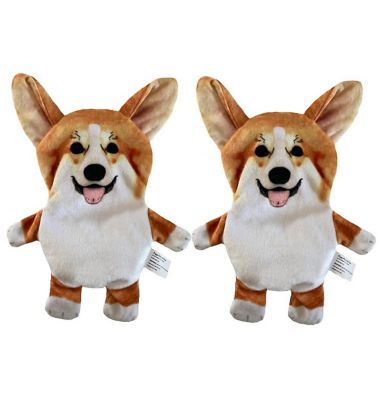
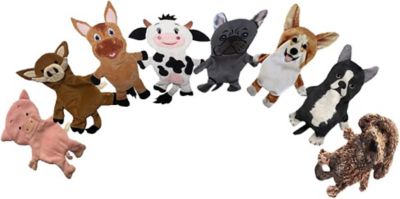
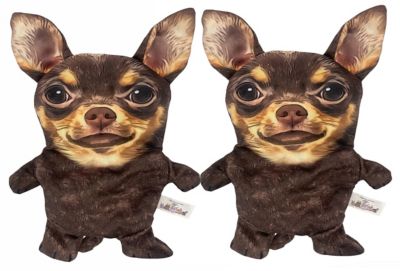
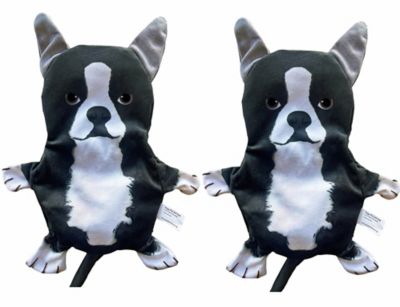
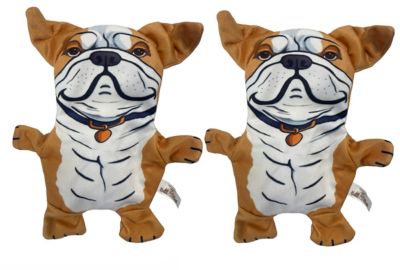
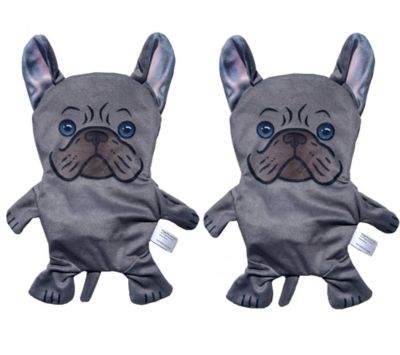
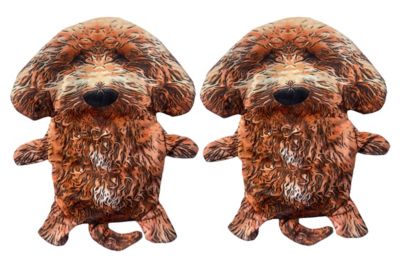
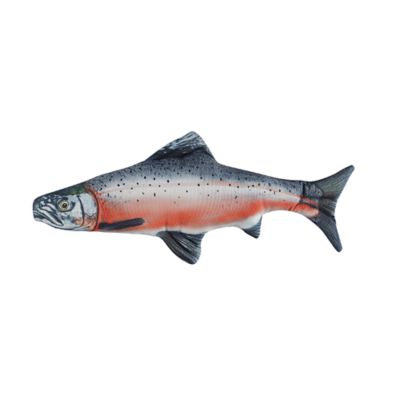
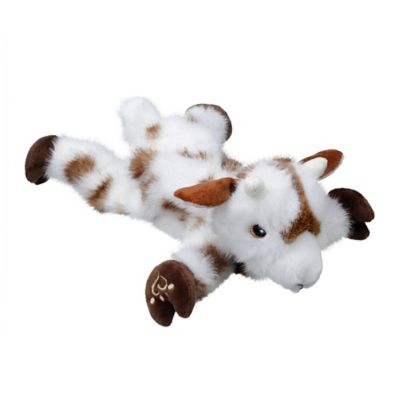
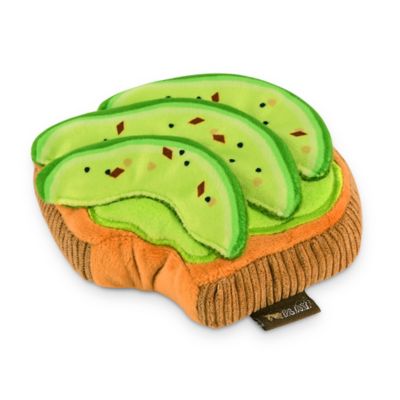
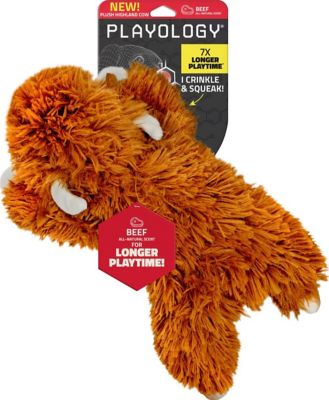
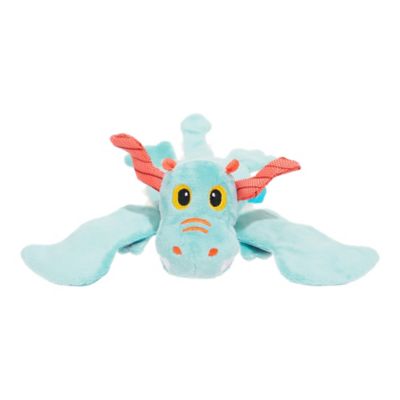
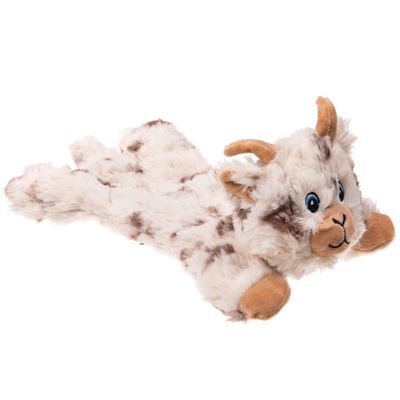
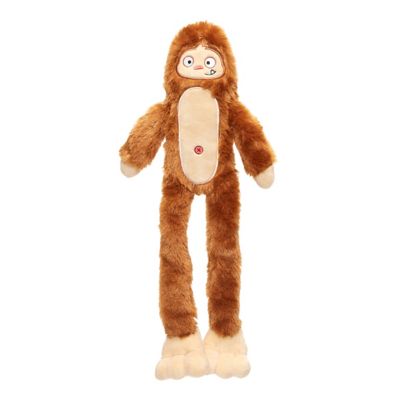
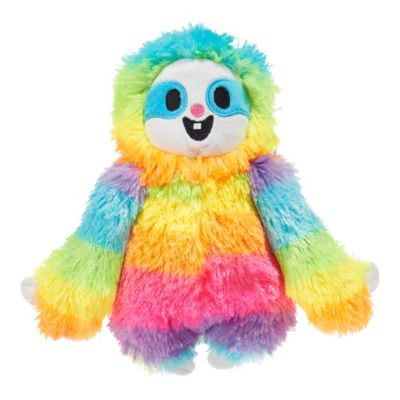
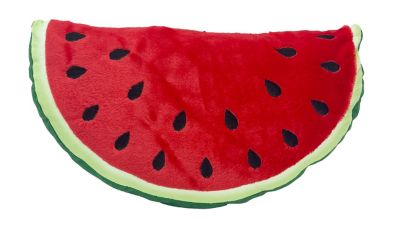
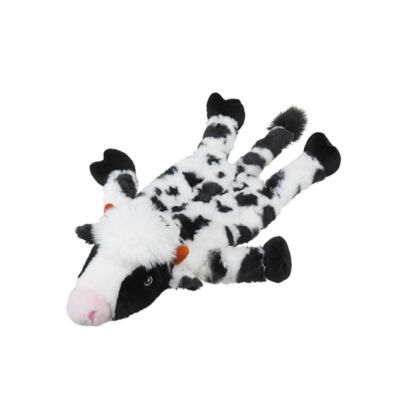
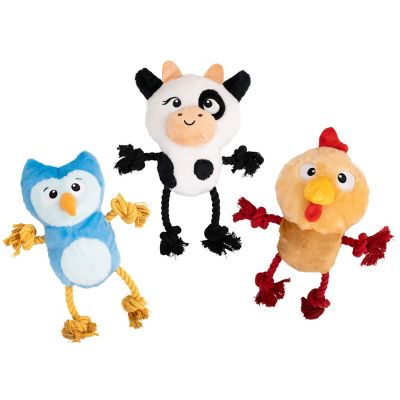
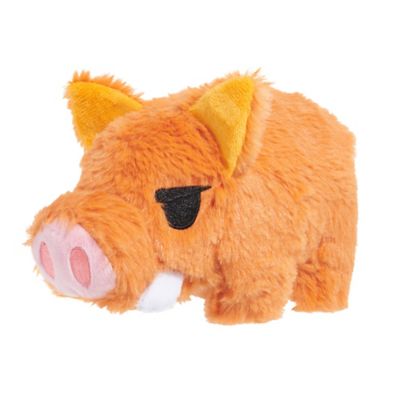
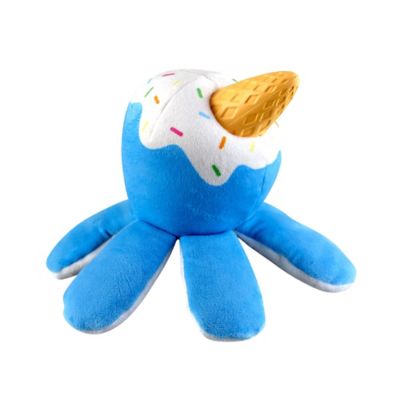
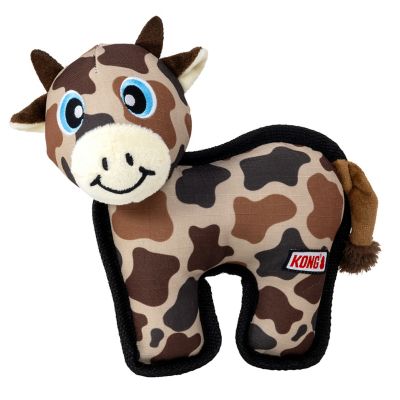
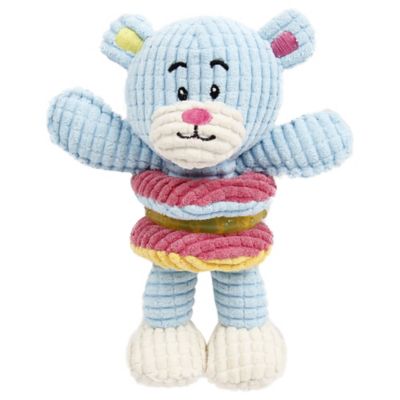
A crinkle dog toy makes a crackling, rustling sound when a dog bites, paws, or shakes it. That sound usually comes from a thin layer of crinkle material enclosed inside a fabric shell, giving the toy a different feel from a plain plush animal or a rubber ball. For a dog that perks up at the rustle of a snack bag, a toy made for this kind of play offers a more suitable outlet than household packaging. The appeal is part sound, part texture, and part movement: a floppy tail drags across the floor, a soft wing folds under a paw, and a quick shake brings another round of crackles. Some crinkle dog toys also include squeakers, knotted sections, or contrasting fabrics, while others keep things simple with a soft body and a rustling interior. Stuffing-free styles have little or no loose filling in the body, which can mean less fluff scattered across the living room if a seam opens. However, stuffing-free does not mean free of swallowable parts; the outer fabric, internal film, and any squeakers still require supervision. Other styles contain padding that gives dogs something fuller to carry or curl up beside. The right choice depends less on which shape looks cutest and more on how a dog spends playtime. A gentle dog that carries a soft toy from the kitchen to its bed may enjoy a padded shape, while a dog that likes to pounce and shake may take to a flat, floppy design. Puppies, adult dogs, and older companions can all show interest in crinkly textures, though preferences vary. These toys can also make a thoughtful gift for a dog-owning friend or family member when the dog's size and play habits are familiar. Matching the toy to the dog matters more than choosing it by age alone.
Materials and construction help determine how a crinkle toy feels in a dog's mouth and how it holds up to everyday play. Plush fabric offers a soft surface for carrying, while woven fabric can provide a firmer feel. Ribbed panels, fleece sections, and smooth patches add variety without relying entirely on sound. Reinforced seams or multiple fabric layers may help a toy stand up to repeated handling, but no soft toy is indestructible, and a determined chewer can open even a substantial seam. Dogs that methodically pull at stitching or chew off ears need a different level of oversight from dogs that simply tote a toy around. Size is just as important as fabric. A toy should be large enough that the dog cannot swallow it whole, yet manageable enough to pick up without struggling. Long, narrow shapes can be easy to grab, but thin ends and small attachments deserve a close look, especially with dogs that like to tear. A broad, flat toy may suit a game of gentle floor-level chase, while a fuller body can give a soft-mouthed retriever something comfortable to carry. For puppies, choose a size suited to their present mouth and reassess as they grow. For older dogs or those with dental trouble, ask a veterinarian about suitable textures rather than assuming every soft toy will be comfortable. Intended use also matters: a crinkle plush toy is generally for supervised play and carrying, not prolonged power chewing. For dogs that prefer a springier texture,
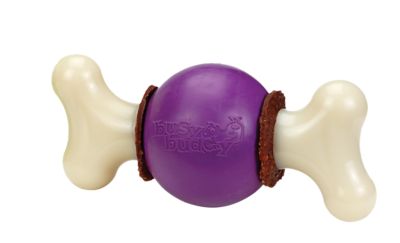
Rubber Dog Toys offer another category to consider, with suitability depending on the individual toy's size, firmness, and design. Some toys are specifically built to hold a replaceable plastic bottle for crunching, but an ordinary bottle wrapped in fabric is not an equivalent. Follow the manufacturer's directions for any insert, and never allow access to loose caps, rings, or broken plastic.
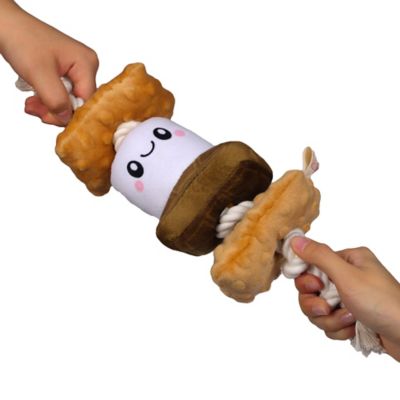
A crinkle toy fits best into a dog's day when the sound becomes part of shared play rather than something left to entertain a hard chewer alone. A short toss down a clear hallway can encourage a willing dog to retrieve, while sliding a floppy toy along the floor can invite a playful pounce. Keep movements low and controlled, with enough room to avoid furniture legs and slippery turns. Gentle tug may be appropriate only when the toy is designed for it; thin plush seams and small sewn-on sections are not good pulling points. Some dogs enjoy the rustle without needing much action and will happily carry a toy to a nearby rug while their person sorts laundry or takes off work boots. Others become more excited by crackles and squeaks, so watch the dog's response and bring the game to a close before play gets rough. Sound alone does not guarantee that a dog will settle down, and a toy does not replace exercise, training, or company. Rotating a few suitable toys can keep familiar textures interesting without leaving every option on the floor at once. Between play sessions, check seams, corners, appendages, and any spot the dog repeatedly mouths. Remove the toy as soon as stuffing, crinkle film, or a squeaker becomes exposed, or if pieces begin coming loose. If a dog swallows part of a toy, contact a veterinarian for advice. Care instructions vary because fabric shells and internal sound components do not all tolerate the same washing method. Follow the label, avoid assuming that every plush toy can go in the washing machine, and let a cleaned toy dry thoroughly before returning it. Frequent washing cannot make torn fabric safe again, so replacement is the better choice when the shell no longer contains its inner parts. With the right size, sensible supervision, and regular checks, a crinkle dog toy can bring a satisfying rustle to fetch, gentle chase, and everyday companionship.