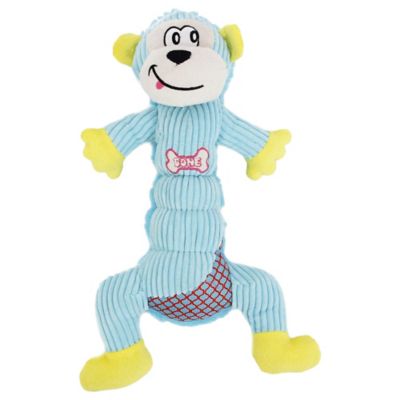
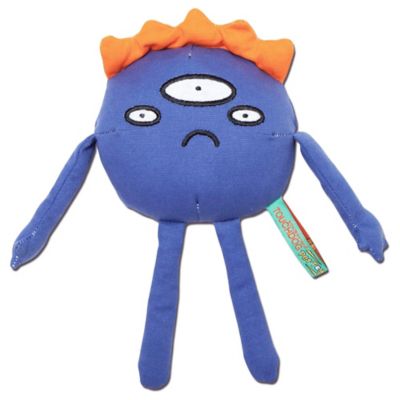
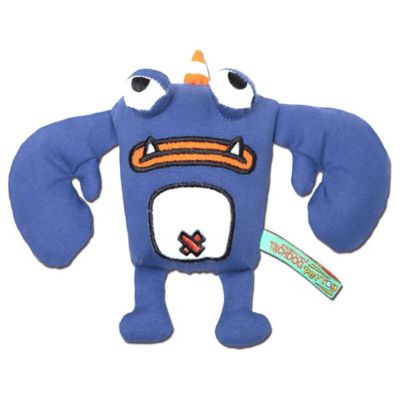
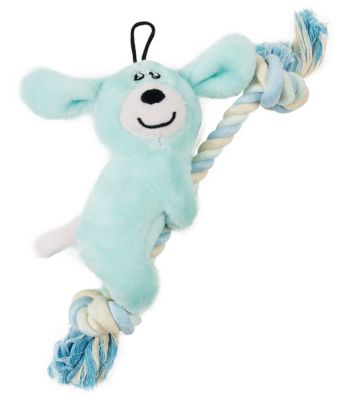
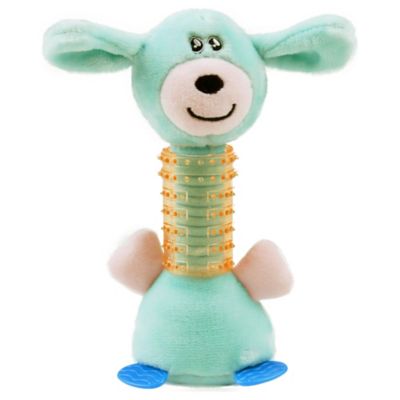
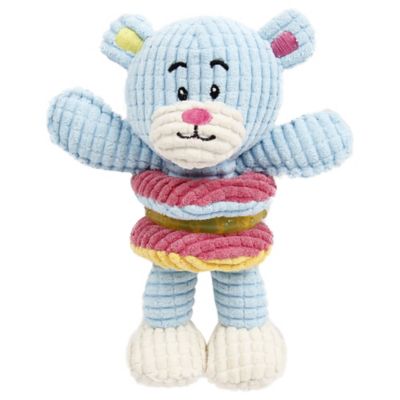
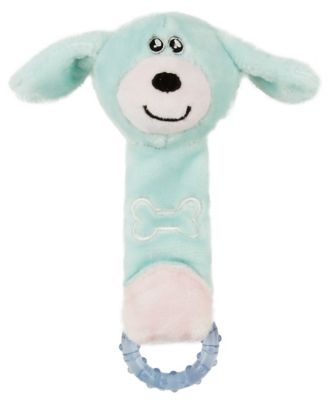
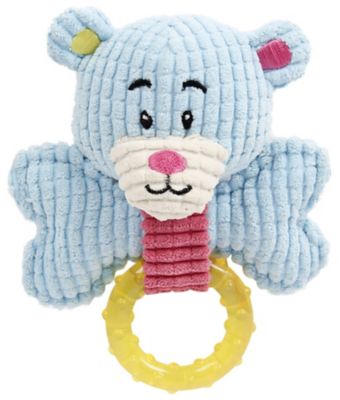
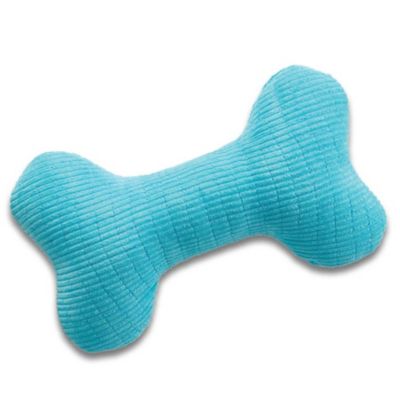
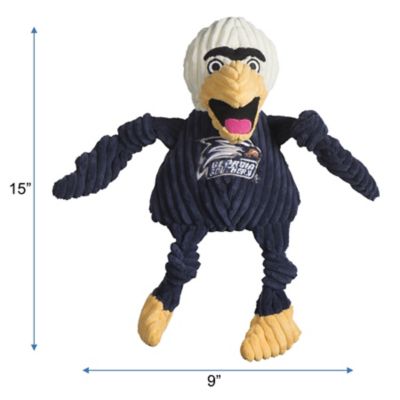
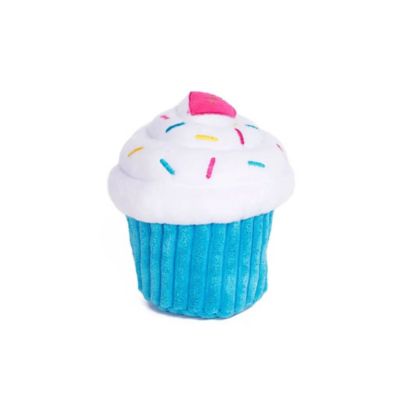
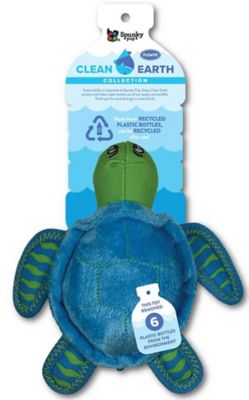
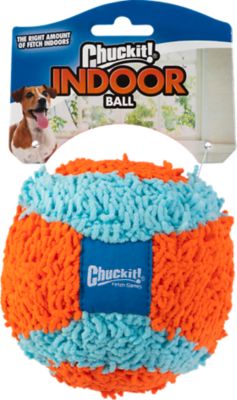
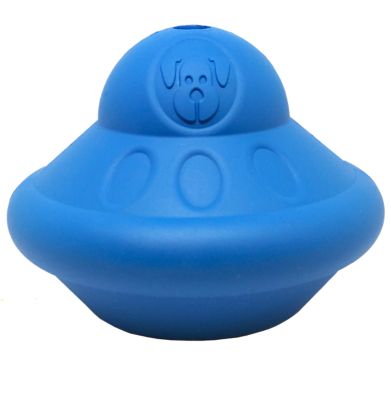
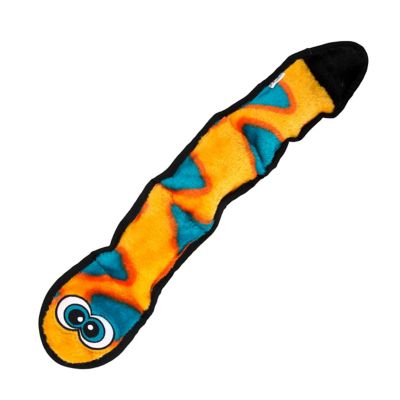
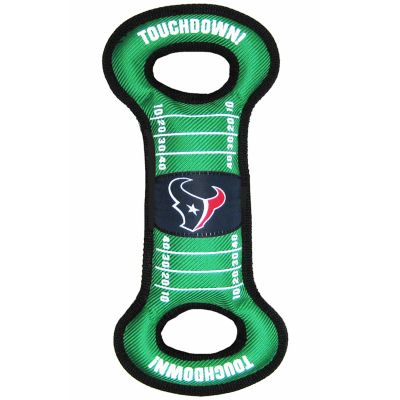
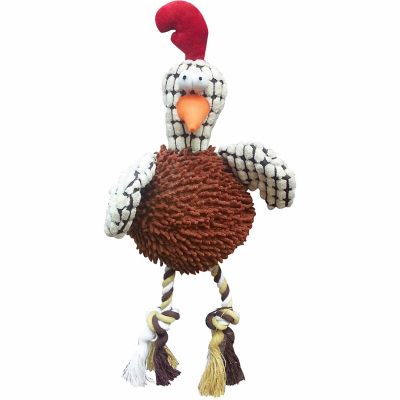
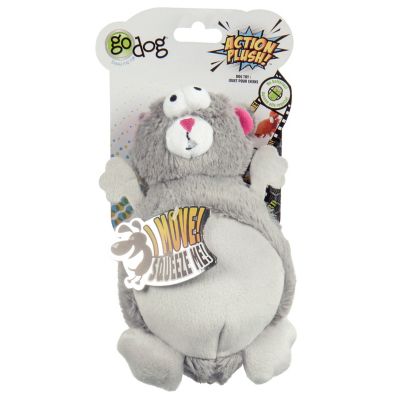
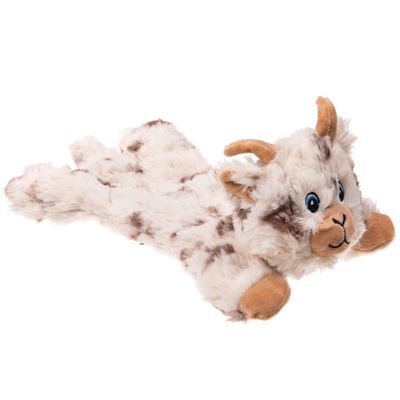
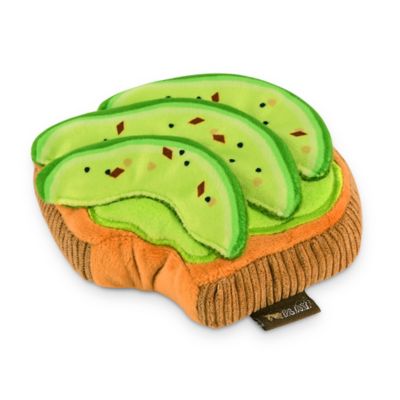
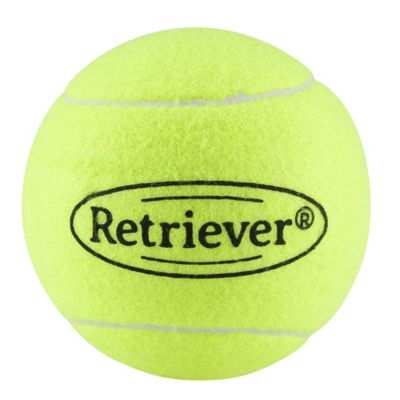
A blue plush dog toy brings a soft, easygoing touch to a dog’s play basket, whether it becomes a favorite for carrying around the house or a companion for settling down beside the couch. For some dogs, the fun is in a quick chase across the rug; for others, it is the familiar feel of something soft held gently between their paws. Blue is also one of the colors dogs can distinguish, although a toy’s movement, scent, texture, and sound often matter more than its color alone. Plush toys can have fuzzy, fleece-like, or short-pile fabric covers, with shapes that range from compact cushions to longer animals with floppy limbs. Those differences give dogs different ways to grab, shake, and carry them. A rounded body can suit a dog that likes to cradle a toy, while an elongated shape offers more places to get a comfortable hold. Some designs include squeakers or crinkle material for dogs that perk up at a little noise; others keep play quieter with a simple stuffed construction. A soft toy can fit naturally into everyday life on a farm or in town, from a short indoor fetch session after chores to a familiar object carried from room to room. The best match depends less on looks alone and more on what a dog actually does with a toy once it hits the floor. A gentle retriever may carry the same plush companion without much wear, while a determined shredder may pull apart a seam in minutes. That makes blue plush dog toys especially worth considering for supervised play with dogs that enjoy soft textures without immediately tearing through them. Their appeal is in that mix of comfort, movement, and interaction, rather than in serving as an all-purpose chewing outlet.
Size, shape, and construction help narrow the choice for a particular dog. A toy should be large enough that the dog cannot swallow it or fit the whole thing deep inside its mouth, yet manageable enough to pick up without struggling. A little dog may find a broad, heavily stuffed shape awkward to carry, while a large dog needs more than a tiny plush figure that could become a choking hazard. Weight matters, too: a lightweight body can be easier for puppies or older dogs to lift, though age alone does not tell the whole story about chewing habits. Soft fabric is not a substitute for a teething toy or a chew selected for a dog’s needs. Across the broader
Plush Toy category, differences in filling, surface texture, and internal features can change how a toy feels during play. Polyester fabric and fiber filling are common, while some constructions contain little or no stuffing. Less filling may mean less scattered material if a seam opens, but the outer fabric and any internal parts still need close attention. Reinforced seams and additional fabric layers may help a toy stand up to repeated carrying and shaking, though no plush toy is indestructible. Embroidered facial details also differ from attached pieces that a dog might work loose. Squeakers can add excitement to a toss-and-retrieve game, but they can also encourage certain dogs to focus on opening the toy to reach the sound source. Long ears, tails, and legs offer plenty of movement, yet those narrow sections may be the first places an enthusiastic chewer targets. A compact shape with fewer extensions can make more sense for that play style. For a dog that likes a tugging game, the toy needs to be intended for tug play; an ordinary stuffed body may not tolerate two dogs pulling in opposite directions. Matching the construction to the activity helps keep a soft plaything in the role it was meant to fill.
Everyday care helps keep a blue plush dog toy pleasant to handle and makes wear easier to spot. Fabric can collect slobber, hair, and bits of dirt carried in on paws, particularly when a favorite toy travels between the living room and the back door. Cleaning directions vary with the fabric, filling, and sound features, so the care label matters more than a one-size-fits-all washing routine. Some plush toys allow machine washing, while others call for spot cleaning or hand washing. Any washing method should follow the manufacturer’s directions, including guidance about detergent and drying. A toy needs to dry fully through its filling before it goes back into the play basket, since a dry surface can hide damp stuffing underneath. A quick look along seams, ears, and other well-chewed areas before play can catch loose threads or small openings before they turn into bigger problems. Once filling, a squeaker, or another internal component becomes exposed, the toy should come out of reach. Supervision means watching how the dog handles it, not simply being somewhere in the same house. A dog that begins pulling off pieces needs a different play option, and suspected swallowing of fabric or internal parts calls for prompt veterinary advice. Having a few suitable toys in rotation gives a favorite time for cleaning and lets play change with the dog’s interest. One soft toy might be the pick for a gentle retrieve down the hallway, while another stays close to a bed for quiet, supervised companionship. A blue plush dog toy can also make a thoughtful gift for a dog-owning friend or family member when the dog’s size and play habits are known. Checking whether that dog enjoys squeakers, prefers quiet toys, or tends to shred fabric makes the gift more likely to fit daily life. The most useful choice is one that feels right in the dog’s mouth, suits the household’s play routine, and gives dog and owner another simple way to spend time together.