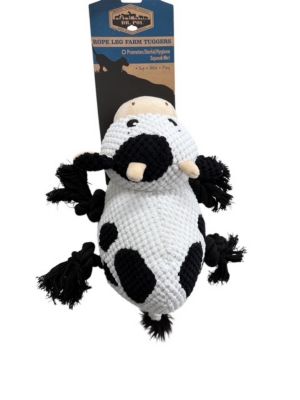
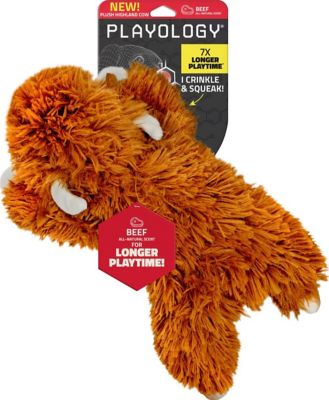
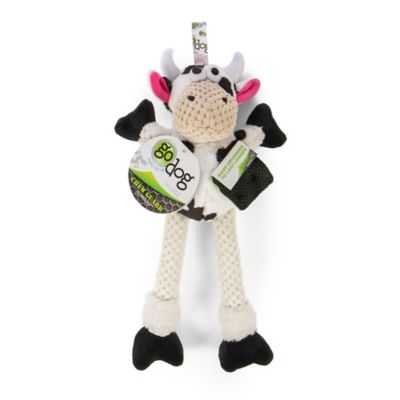
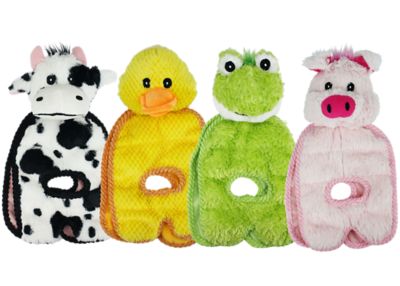
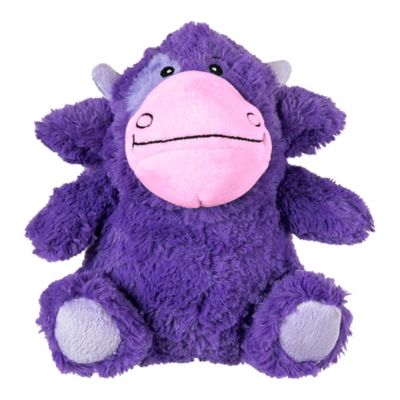
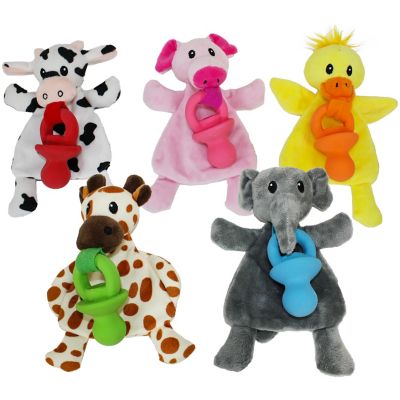
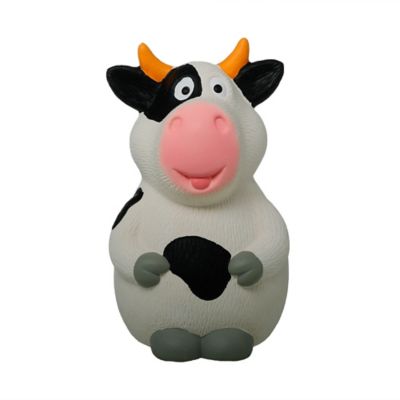
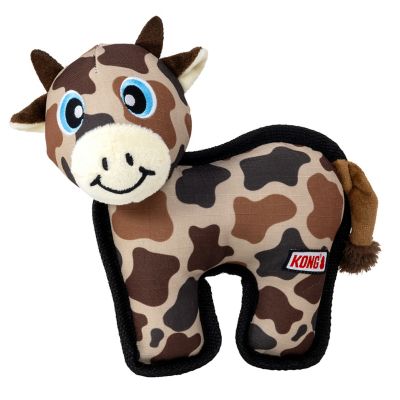
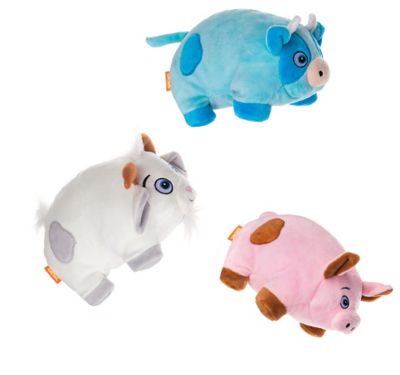
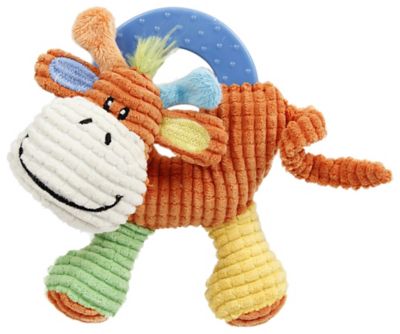
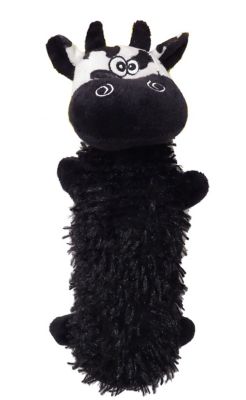
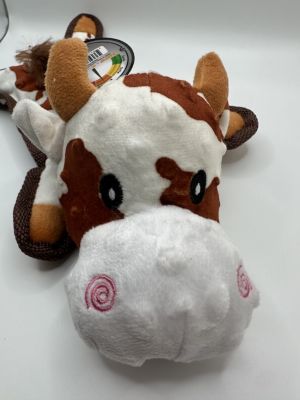
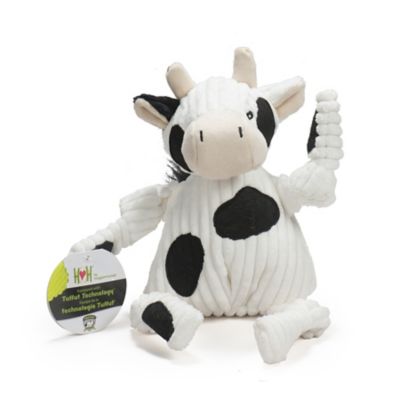
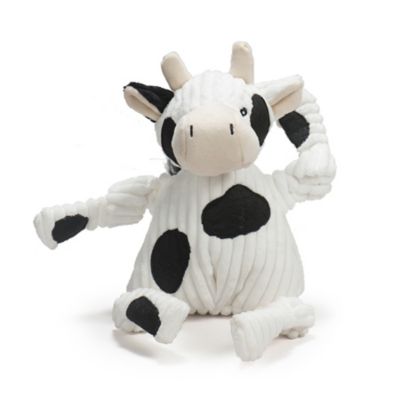
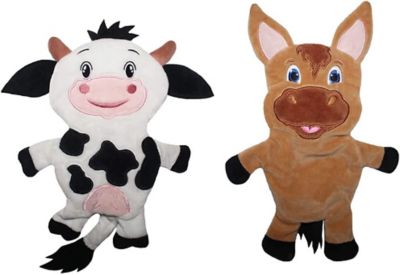
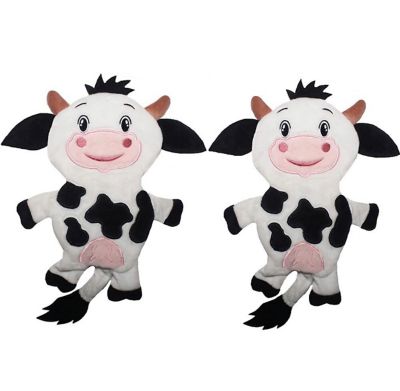
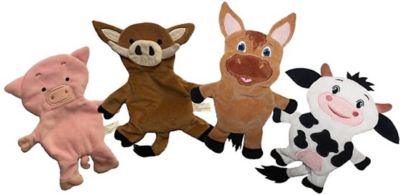
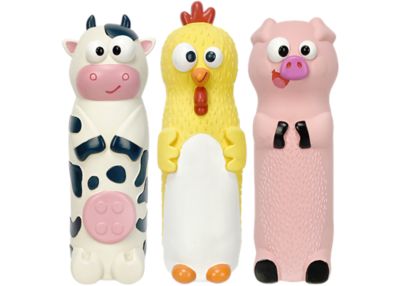
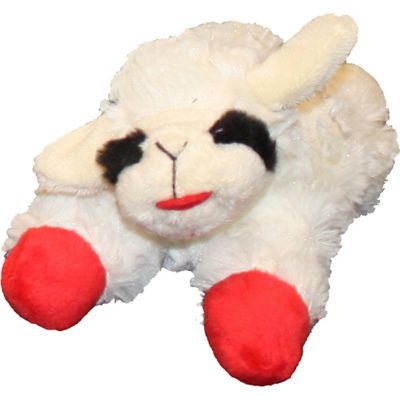
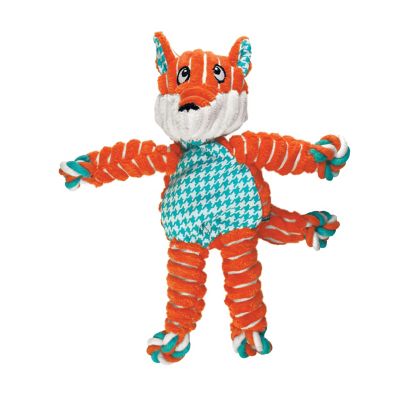
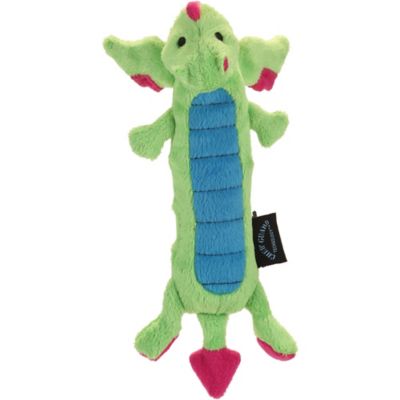
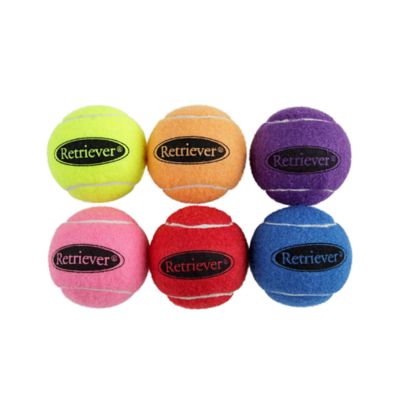
A cow dog toy brings a little barnyard character to everyday play, whether a pup likes carrying a soft buddy from room to room, chasing a short toss down the hallway, or settling beside the couch with something to cuddle. These cow-shaped toys take their cues from familiar cattle features, including spotted coats, broad muzzles, little ears, and, in some styles, shaggy hair and curved horns. The shape gives them their farmyard charm, but the construction matters most for the dog doing the playing. Cow plush dog toys generally pair a fabric outer shell with stuffing, while some designs have flatter bodies, rope sections, or textured panels. Depending on the design, a squeaker or crinkle layer adds sound when a dog noses, mouths, or paws at the toy. Those features can appeal to dogs that enjoy a little back-and-forth interaction, though a quiet toy may be a better match for a sound-sensitive pup or a household that prefers less squeaking. A floppy cow can suit a gentle carrier that likes to parade a favorite toy past everyone in the house. A more compact shape may be easier to scoop up during a game of fetch, provided its size suits the dog's mouth. Not every cow-shaped toy is meant for chewing or tugging, and a plush appearance alone does not tell the whole story about how it should be played with. The intended activity on the label helps separate a cuddle companion from a toy built for interactive pulling. For folks who enjoy a farm theme, that familiar cow face fits naturally into the dog's toy basket without needing a special occasion. It also makes a thoughtful gift for a dog-loving neighbor or family member when the dog's size and play habits are known. The best match is less about the breed pictured in someone's mind and more about what that particular dog does once a toy hits the floor.
Materials and construction make a real difference in how a cow dog toy feels, moves, and holds up through play. A soft plush surface can be inviting for snuggling and gentle mouthing, while a closely woven fabric may offer a different feel for dogs that like carrying toys around. Shaggy fabric gives a Highland cow dog toy its recognizable look, but long fibers deserve a closer look if a dog tends to pluck fuzz rather than simply mouth it. Stuffing adds body and makes a toy comfortable to rest against; less-stuffed designs have a flatter feel and leave less filling to scatter if the shell opens. Neither construction is chew-proof, and a determined shredder can work through fabric toys quickly. Reinforced seams and multiple fabric layers may help a toy withstand repeated handling, but small ears, tails, horns, and other projecting parts can still become targets for a dog that picks at one spot. Embroidered facial details avoid some separate attachments, though the surrounding fabric still needs regular checks. Size matters just as much as the shell. A toy should be large enough that the dog cannot swallow it, yet manageable enough to pick up without struggling. A big, pillowy cow might suit a larger dog that carries gently but overwhelm a small dog's grip. Meanwhile, a strong chewer may need a chew-focused option rather than a plush cow, regardless of body size. Puppies also need toys appropriate for their age and chewing stage, not simply smaller versions of adult toys. For tug play, designated grip areas and a construction intended for pulling matter more than long legs that happen to look easy to grab. Squeakers, rope fibers, and filling all need to stay inside or attached as designed. Supervised play gives the person on the other end a chance to spot an opening seam, redirect rough chewing, and put the toy away before loose pieces become a swallowing hazard.
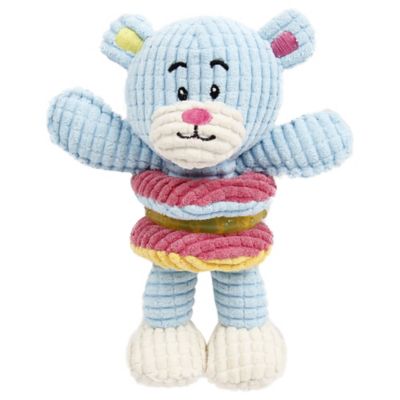
A cow squeaky dog toy can bring variety to familiar routines without making play complicated. A gentle toss across an open floor gives a dog a chance to chase, pick up, and return with a soft prize, while a brief game of find-the-toy encourages sniffing and searching with the cow tucked partly behind a cushion or beside a chair. Keep the hiding spot within easy reach and away from anything the dog should not disturb. For a pup learning to release an object, short exchanges with a reward can make handing over the cow part of the fun instead of turning it into a keep-away contest. Dogs that become overly excited by squeaking may do better with shorter sessions or a quieter design; dogs that prefer companionship may be content to carry the toy to their bed. In homes with more than one dog, separate play spaces can help when a favorite plush becomes something to guard. Care is straightforward when it follows the toy's label rather than a one-method-fits-all approach. Some fabric toys allow machine washing, while others call for spot cleaning, especially when sound-making parts or mixed materials are involved. After cleaning, let the toy dry fully before returning it to the basket, and check seams, rope ends, fabric panels, and any squeaker housing. Loose threads, exposed filling, missing sections, or a sound insert working its way out are reasons to stop play and replace the toy. A small rotation of toys can keep a familiar cow interesting and gives each piece time for cleaning and inspection. For a different look alongside the barnyard theme, a
Blue Plush Dog Toy adds another soft-play option to consider according to the same size and play-style needs. Whether the recipient is a puppy settling into a new home or an older dog with a well-established carrying habit, a cow toy earns its place through a sensible fit: a comfortable grip, suitable materials, and a style of play the dog genuinely enjoys.