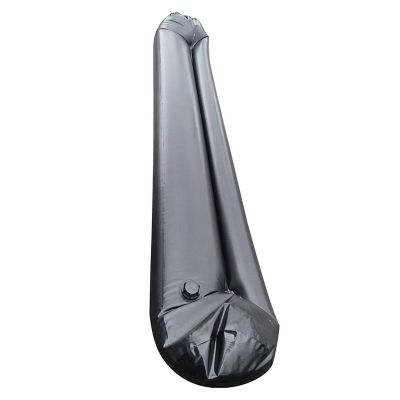
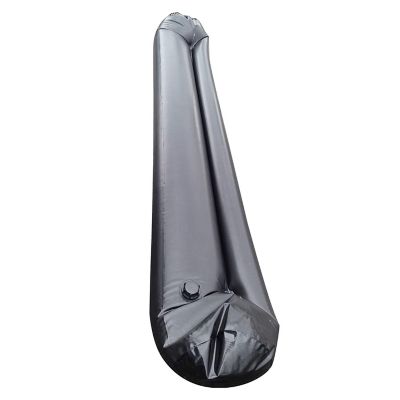
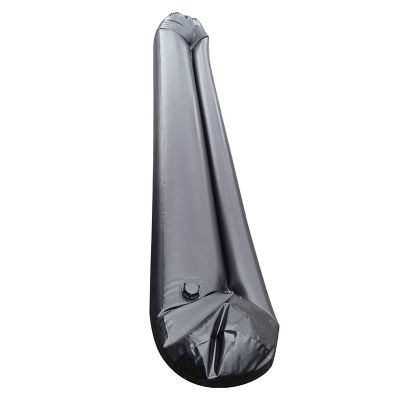
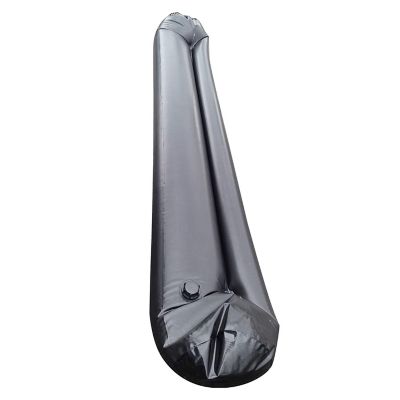
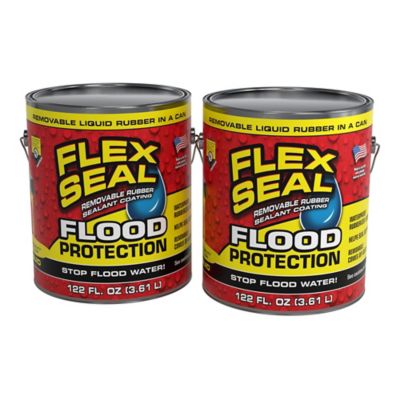
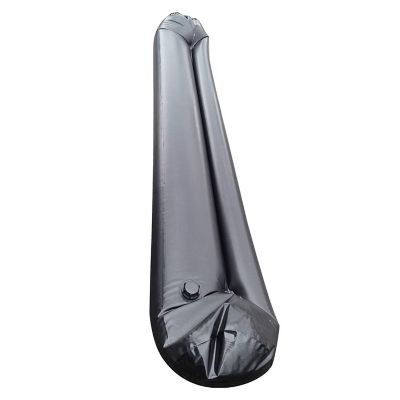
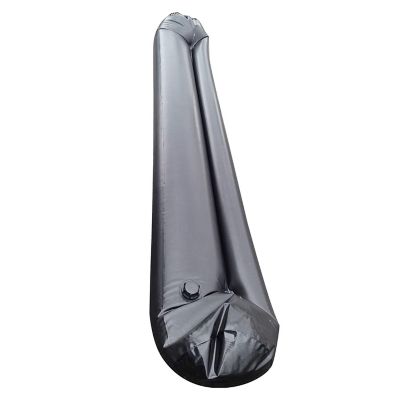
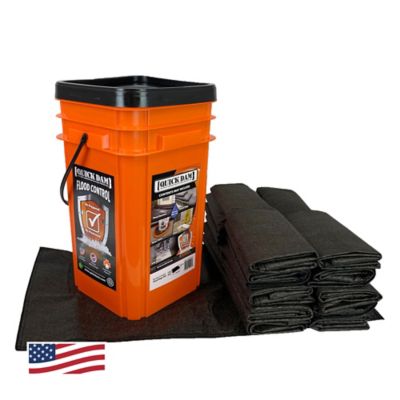
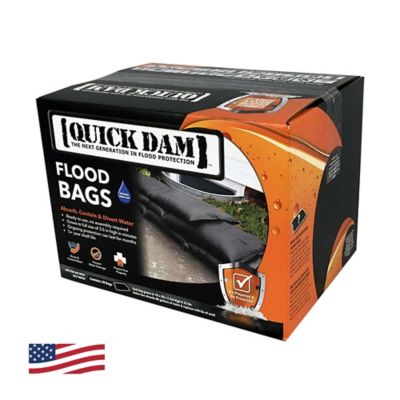
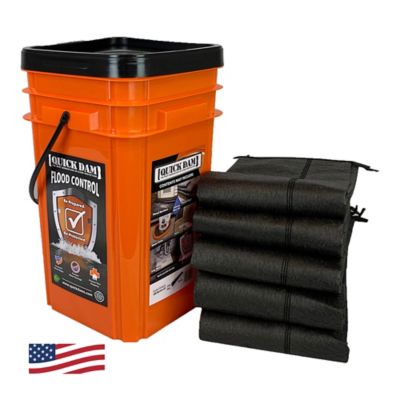
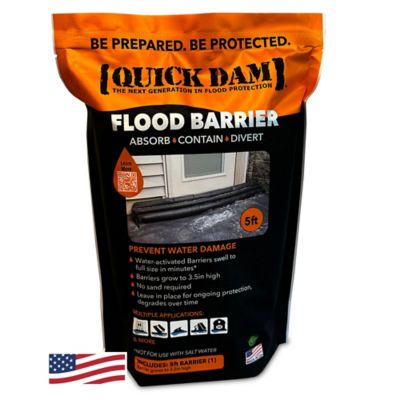
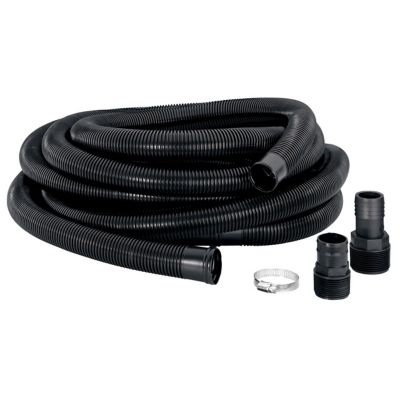
A soggy backyard can make chores harder, wear down grass, and leave muddy tracks near the house, shed, barn, or garage. Backyard flooding solutions help collect, guide, and absorb extra water so your outdoor spaces can dry more evenly after a hard rain or a stretch of wet weather. Start by looking at where water gathers and where it comes from. Leaves, twigs, and roof grit can clog gutters, sending runoff over the edge instead of through the downspouts. Clearing that buildup helps water follow its intended path. Downspout extensions can carry roof runoff away from the foundation and lawn, often 6 to 10 feet or farther when the layout allows. Aim the discharge toward a suitable part of the property, such as a gently sloped area that can handle the flow, and keep water away from foundations, septic areas, wells, driveways, and neighboring lots. A small dip in the yard may only need added topsoil blended with compost and a fresh layer of grass seed, while a broad, soggy stretch may call for a more involved drainage plan. Look for muddy areas that stay wet after the rest of the yard has dried, water flowing toward a doorway, or standing water that returns in the same place after every storm. These signs can help point you toward the right supplies for your property and the amount of runoff it receives.
Soil conditions play a big part in how quickly water leaves the surface. Compacted ground, heavy clay, and areas with little organic matter may shed rain instead of letting it soak in. Lawn aeration opens small channels through the soil, giving water and air a better path below the surface. Soil amendments such as compost, sand, or gypsum may help in some settings, though the best choice depends on the soil and the plants growing there. A simple soil test can provide helpful direction before you spread anything across a large area. For low spots, add soil in modest layers and shape the surface so water moves gradually rather than racing toward one corner. Reseeding after the ground is prepared can help restore bare patches, while straw or another light covering may help keep seed in place during follow-up rain. Keep in mind that grass needs time to establish, and new seed can wash away if water is still moving across the area. Fencing, edging, landscape timbers, and similar supplies can also help keep paths, animal areas, and planted spaces separate from muddy runoff. These solutions may suit homeowners, renters working with a property owner, small-acreage families, gardeners, and anyone caring for a rural lot where rainwater has limited room to spread. If children and pets spend time outdoors, plan drainage around play areas and walkways, and consider keeping water collection points covered or protected so they do not become tripping hazards or attract standing water. For another outdoor water-related option, visit
Backyard Splash Pads.
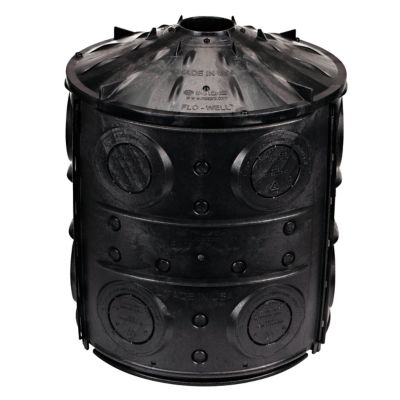
When surface grading and downspout changes are not enough, underground drainage can move water away from the wettest part of the yard. A French drain generally combines a gravel-filled trench with a perforated pipe that gathers water below the surface and carries it toward an approved outlet. This approach can help along the uphill side of a yard, beside a foundation, or across a low section where water travels after storms. Catch basins place a grate and collection box at a low point, allowing surface water to enter a buried pipe instead of spreading across the lawn. They can be helpful near downspouts, patios, driveways, and other places where runoff gathers quickly. Dry wells offer another approach by holding water in an underground stone-filled area and allowing it to soak slowly into surrounding soil, where local conditions permit. Before digging, contact the appropriate utility locating service and check local rules for discharge, excavation, storm drains, and setback requirements. Never direct water toward a neighbor’s property, a failing slope, a septic system, or a place where it can reach a creek or pond carrying mud and lawn chemicals. Choose pipe sizes, grates, fittings, gravel, soil, and hand tools based on the drainage area, expected rainfall, and access to the work site. Wear gloves and eye protection when clearing debris or handling gravel, and take extra care around slick ground, open trenches, and rising water. During the cooler months, fallen leaves and freeze-and-thaw cycles can create fresh trouble, so keeping gutters clear and checking outlets after heavy weather can make a noticeable difference. With the right mix of surface grading, soil care, runoff control, and below-ground drainage, a backyard can recover from wet weather more smoothly and remain easier to walk, mow, and enjoy.