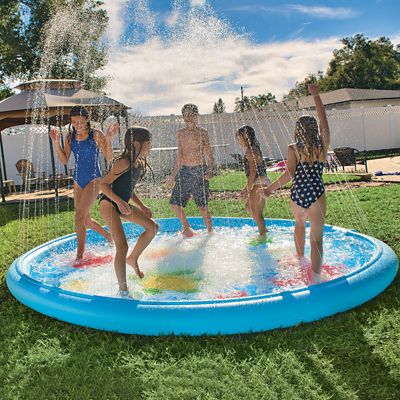
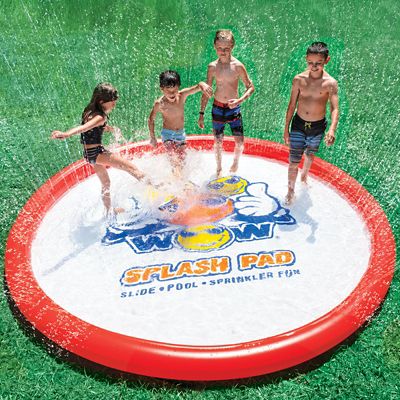
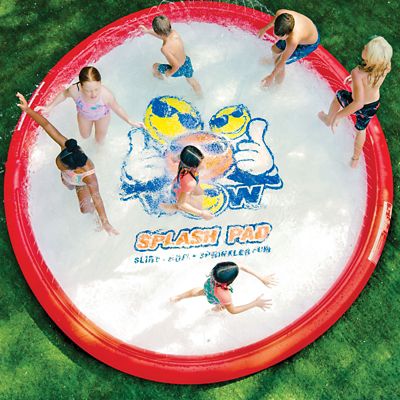
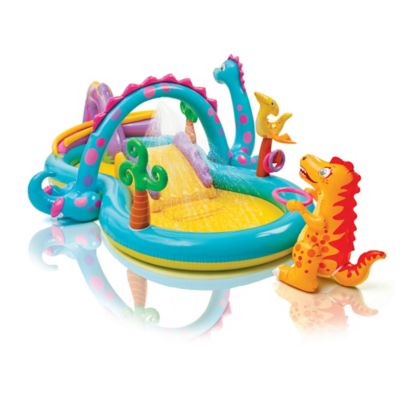
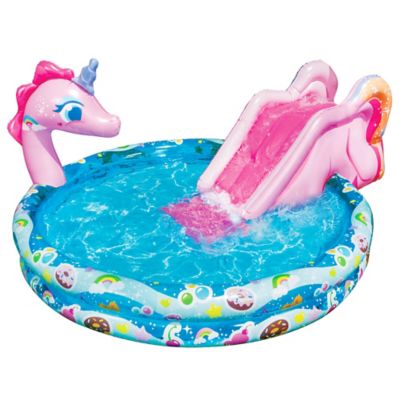
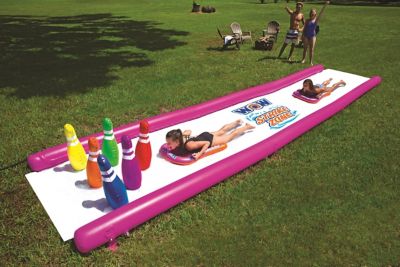
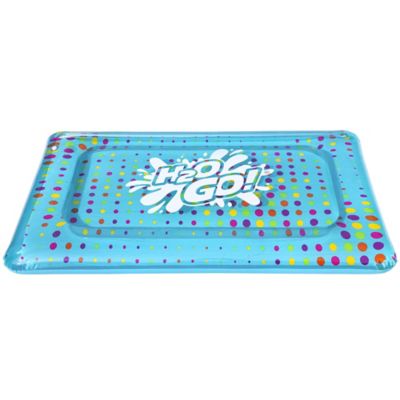
Backyard splash pads bring water play right into the yard without the depth, upkeep, or footprint of a traditional swimming pool. Most are shallow, zero-depth play areas made for running through sprays, splashing on a mat, or cooling off under a gentle fountain of water. A simple hose-attached splash pad can be set up on a level patch of grass or patio, making it a handy choice for families who want easy outdoor fun without taking on a large construction project. These mats are often made from thick, flexible PVC with textured surfaces for better footing, and many include adjustable water pressure so the spray can be softened for toddlers or turned up for bigger kids. More permanent options may include an in-ground DIY system with underground plumbing, valves, nozzles, drainage, and a layout plan, while custom installations can be built into a landscape with a concrete or rubberized surface, ground jets, dumping buckets, umbrella sprayers, and other interactive features. The right setup depends on the size of your yard, the ages of the children using it, how often you plan to assemble and store it, and whether you prefer a quick seasonal activity or a lasting backyard feature. Families with young children often appreciate splash pads because there is no deep standing water, but they still require close, active supervision. Slips, falls, hose connections, and water pressure all deserve attention, and children should never be left unattended around water, even when the play surface is shallow. For homes with dogs, a splash pad may also offer a cool place to romp during hot weather, though pets should use a design made with durable materials and be kept away from sharp claws, loose fittings, and overly forceful sprays.
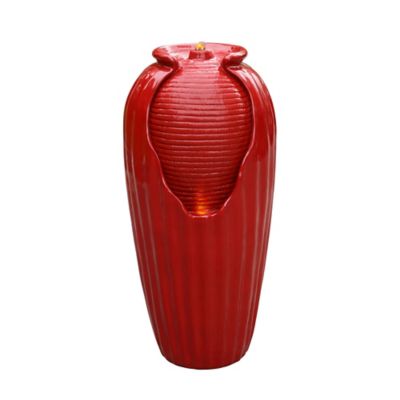
Before choosing a backyard splash pad, take a close look at the surface where it will be used. A flat, clean area with room around the edges gives children space to move and helps keep the mat from folding, bunching, or sliding. Grass can provide a softer setting, while a patio or concrete area may make cleanup easier, but hard surfaces call for extra care and a well-designed, slip-resistant base. Look for textured PVC, non-slip rubber, or textured concrete, and check that seams and edges are finished smoothly. Water drainage matters just as much as the spray pattern. A hose-connected mat usually lets water run off into the surrounding lawn or a nearby drain, while a permanent splash pad may use sloped grading, channel drains, or a holding tank and recirculation system. Make sure the discharge will not wash out soil, pool near the foundation, or flood a garden bed. Adjustable or interchangeable nozzles can make a splash pad more useful as children grow, allowing you to switch between a soft mist, bubbling jet, arching spray, or livelier stream. A pressure regulator can help protect connections and make the spray more comfortable for smaller children. Measure the available space before buying, and leave enough room for a hose to reach without creating a tripping hazard. It is also smart to check the hose fitting, included connectors, drain placement, weight limits, and storage instructions. At the end of a play day, rinse away grass and dirt, let the surface dry fully, and fold or roll it loosely in a cool, dry place. During cooler months, clean and dry seasonal mats before storing them, and protect permanent plumbing from freezing weather according to the installation instructions. A little care goes a long way toward preventing mildew, cracked fittings, and premature wear. For another way to add the sound and movement of water to an outdoor space, browse
Small Backyard Water Fountains.
Backyard splash pads can fit a wide range of households, from grandparents setting up a simple play area for visiting grandchildren to families creating a lively spot for neighborhood playdates. They can also make thoughtful gifts for a child’s birthday, a new-home celebration, or a family that enjoys spending summer days outside, especially when a full-size pool is not practical. A portable mat is easy to bring out for a weekend gathering and easy to put away when the yard needs to serve another purpose. A larger DIY or permanent system takes more planning, but it can become a central part of the landscape, much like a sandbox, playset, or fire ring. Keep age and activity level in mind when comparing options: gentle sprays and broad, cushioned surfaces suit toddlers with an adult close by, while older children may enjoy varied jets, overhead sprays, and features that encourage running, stepping, and cooperative play. Even with a no-depth design, use the splash pad only as intended, keep children from diving or pushing, and check the water temperature and surface condition before play. Fresh, clean water is best, and any recirculating system should be maintained according to its instructions. In rural yards, watch for mud, gravel, sticks, insects, and uneven ground around the play area, since those small details can quickly turn a carefree afternoon into a scraped knee. When the weather cools, portable splash pads can be washed, dried, and stored until warm days return, while permanent features can be enjoyed as part of the yard when conditions allow or shut down for seasonal maintenance. With the right size, safe footing, dependable drainage, and a setup that matches your family’s routine, a backyard splash pad can turn an ordinary stretch of lawn into a cheerful place for cooling off, burning energy, and making the kind of wet, muddy memories kids tend to remember.