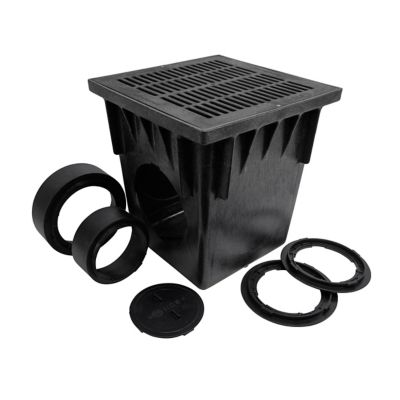
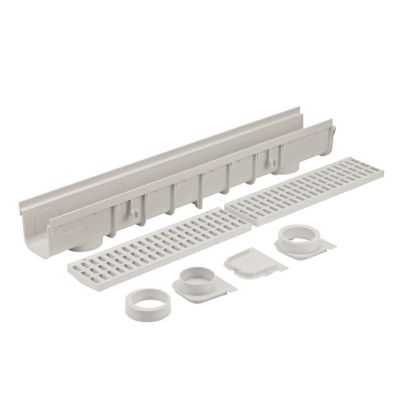
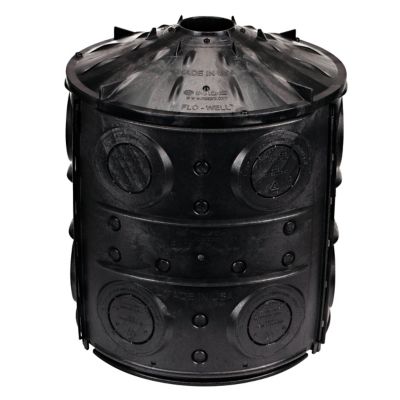
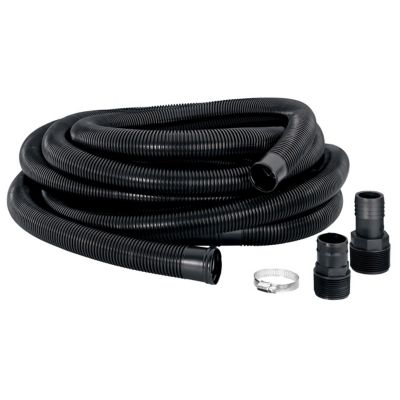
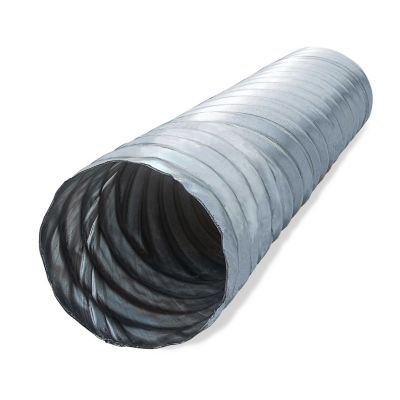
Water that lingers beside a porch, pools along a garden bed, or cuts a muddy track across the yard can make everyday chores harder than they need to be. Yard drainage kits bring together components that collect and move excess water, helping address troublesome spots around lawns, walkways, patios, and outbuildings. A kit might center on a catch basin that receives surface runoff, a channel that intercepts water along a paved edge, or piping that carries water toward a suitable outlet. The right arrangement depends on where the water starts, how it travels, and where it can safely go. Runoff coming off a driveway behaves differently from water collecting in a low patch of grass, and a downspout feeding one corner of the yard creates a different need than a long, soggy stretch beside a fence. For homeowners, acreage owners, and folks looking after a garden shed or workshop, those differences matter more than choosing the largest grate or longest pipe. Surface drainage catches water flowing over the ground, while subsurface drainage addresses water moving through the soil. Some projects involve both, but a single kit does not necessarily cover both jobs. Catch basins and channel drains can help keep water from spreading across walking areas when the system has sufficient capacity and a workable discharge route. Perforated pipe belongs in systems intended to gather water from surrounding soil; solid pipe carries collected water without intentionally releasing it along the way. A yard with heavy clay, compacted ground, or very little slope may need a different approach than loose soil on a gentle grade. Drainage kits make the most sense as parts of a complete water-management plan, rather than a promise that every puddle will disappear. Matching the collection point to the actual trouble spot helps keep the purchase focused on the work the system needs to do.
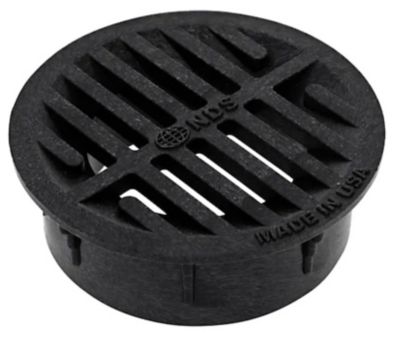
Materials, dimensions, and load ratings help determine whether a yard drainage kit fits the setting. Plastic basins, grates, and fittings keep components manageable to handle, while material specifications help clarify resistance to sunlight, impacts, and exposure to soil. Polyethylene, polypropylene, and PVC have different characteristics, so the material name is worth considering alongside the manufacturer's stated application. Metal grates may suit certain locations, but the rating for the complete drain assembly matters more than appearance or weight alone. A drain beside a flower bed faces different demands from one crossing a driveway where a pickup, mower, or utility vehicle may pass. Foot-traffic ratings should not be mistaken for permission to drive over a grate, and a strong grate cannot make up for an unsuitable basin or poor support underneath. Fit is just as important below ground. Pipe diameter, connection style, outlet position, and the dimensions of adapters all affect whether components join as intended. Two parts labeled with the same nominal size do not always connect directly, especially when corrugated and smooth-wall piping meet. Kit contents also vary: collection components, end caps, connectors, pipe, and outlet fittings may be packaged in different combinations. Comparing the included components with the planned layout helps reveal gaps before a trench is open. Basin depth affects the space needed below the grate, while channel length and outlet placement influence how a system fits along a patio or walkway. Removable grates and accessible sediment baskets can make routine upkeep less of a chore. Where water crosses a walking route, grate openings and the finished surface deserve attention, particularly around narrow cart wheels or regular foot traffic. For a drain near a gravel drive, sediment handling matters because loose grit can travel with runoff. Around a lawn, a low-profile grate may blend into the surface, but it still needs to remain visible and accessible for cleaning. Long service life comes from matching the assembly to its load, exposure, and installation requirements—not from material choice alone.
A drainage kit also needs room in the plan for the water's final destination. Moving runoff away from a muddy walkway is only part of the job; discharging it where it erodes a slope, floods a neighboring property, or flows back toward a building creates another problem. Outlet location, ground elevation, soil conditions, and local requirements all shape what is suitable. A dry well or infiltration area depends on the ground's ability to absorb water and is not a fix for every site. Persistent water near a foundation, recurring indoor leaks, or standing water without an obvious source may call for a qualified drainage professional rather than a larger yard drain. Any digging also calls for attention to buried utilities, septic components, irrigation lines, and other underground features, with utility locating arranged before ground is disturbed. For projects that involve measuring elevations, opening trenches, or keeping collection points clear,
Drainage Tools can help round out the equipment needed for the work. Once a system is in place, access matters as much as it did during planning. Grass clippings, leaves, mulch, and tracked gravel can gather over a grate or settle inside a basin, reducing the space water has to pass through. Components with removable covers or cleanout access make it easier to check for buildup without pulling apart the whole installation. Keeping outlets clear and checking for settling around collection points helps the system continue working as intended. A grate that sinks below its surrounding surface may collect more debris, while one that sits too high can leave water pooling beside it. Connections also deserve a look if soil movement or traffic changes the area around a drain. Whether the goal is a cleaner path to the shed, less pooling beside the patio, or better control of runoff at the edge of the drive, a well-matched yard drainage kit supports a yard that is easier to walk across, mow, and look after.