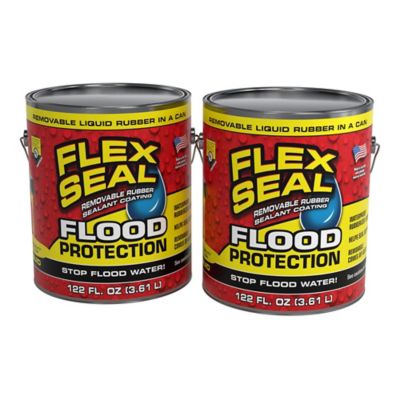
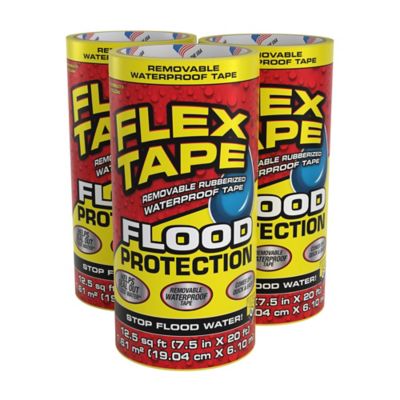
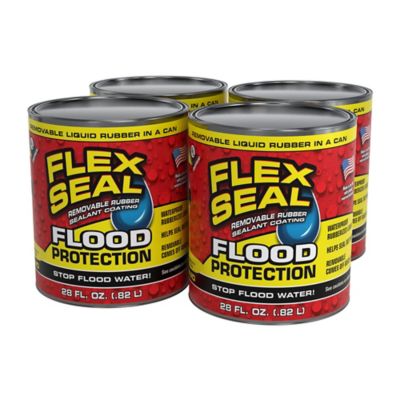
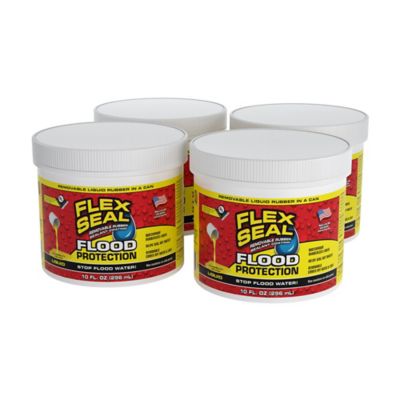
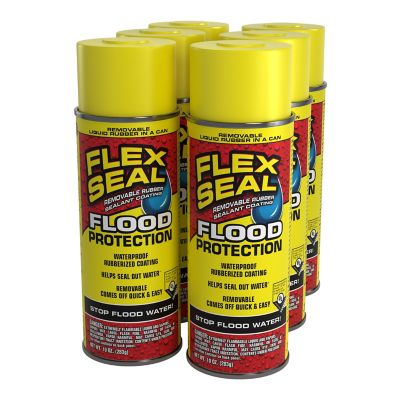
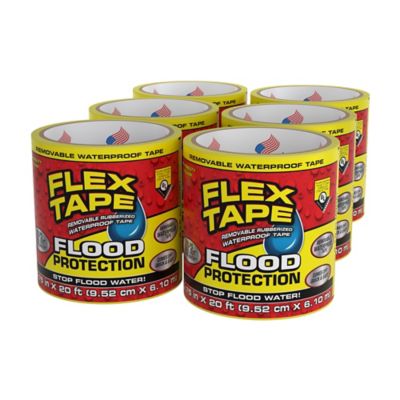
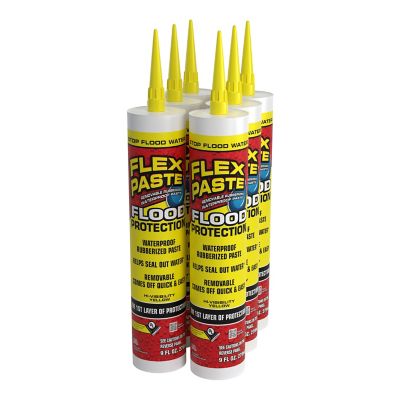
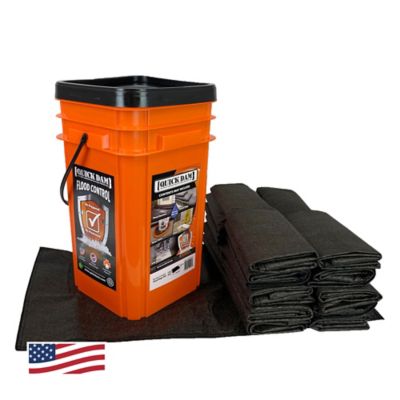
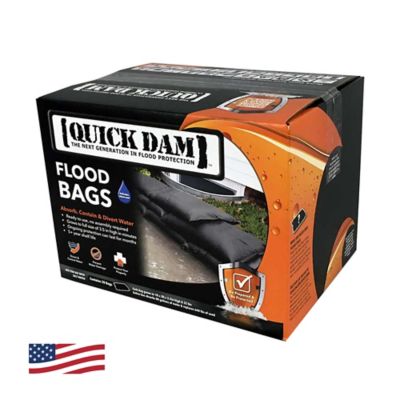
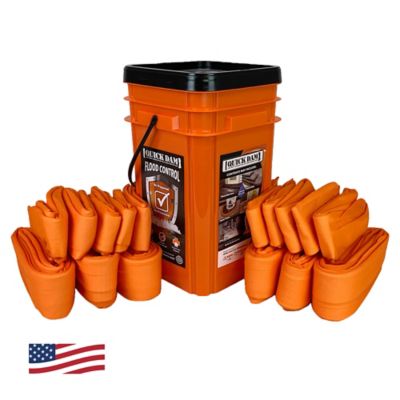
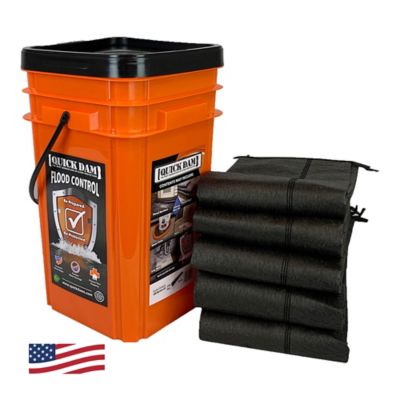
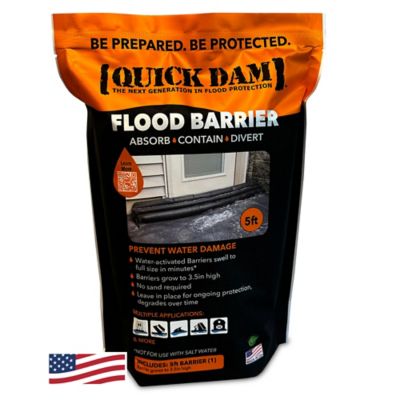
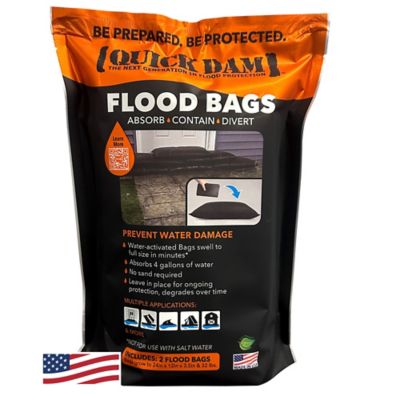
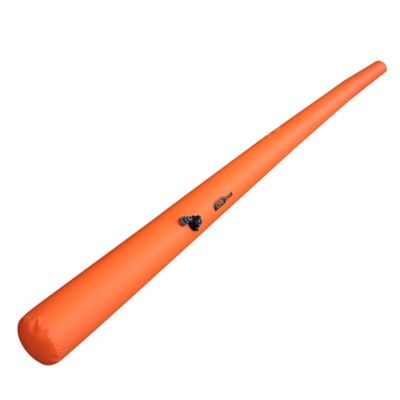
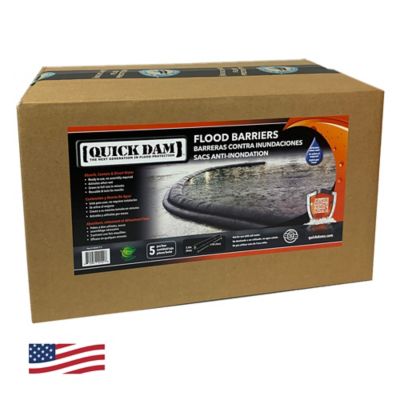
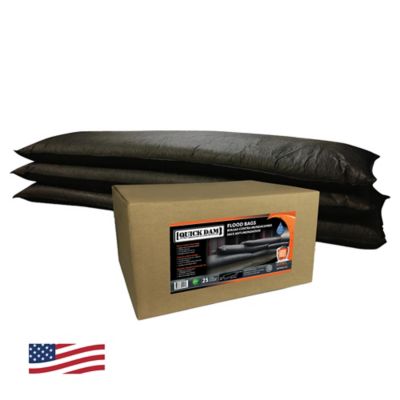
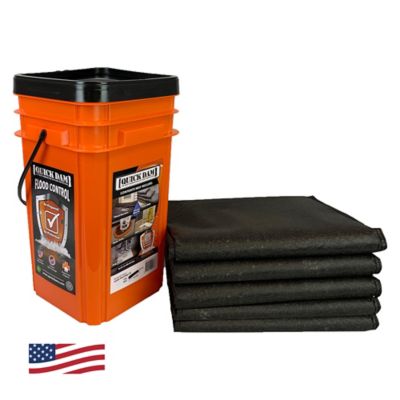
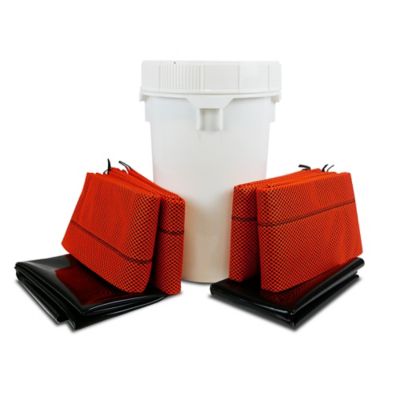
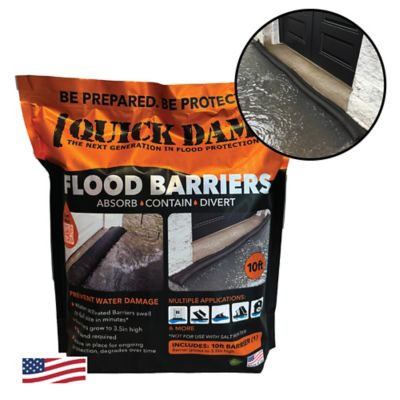
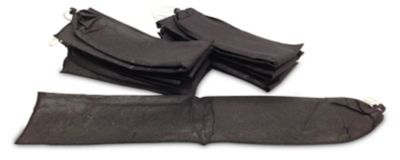
Flood protection solutions bring together barriers, water-control equipment, and drainage supplies for places where unwanted water can put a day’s work on hold. Around a farmhouse, barn, workshop, or detached garage, trouble often starts at a low doorway, a driveway that slopes toward the building, or a patch of ground where runoff collects. Heavy rain, overflowing drainage channels, and melting snow can create different challenges, so the right equipment depends on where the water comes from and where it has room to go. Temporary barriers and sandbags can help redirect shallow surface water away from vulnerable openings, while pumps handle certain kinds of collected water. Neither takes the place of sound drainage or repairs to a building’s foundation, but each can play a part in a broader property protection plan. Barrier materials matter when equipment sits against rough concrete, gravel, or uneven ground. Woven fabrics need resistance to tearing and abrasion, and flexible barriers need enough give to follow the surface without leaving large gaps underneath. Filled bags bring weight to the job, which also means more lifting, hauling, and storage space. Water-activated designs work differently, with expansion, placement, and disposal requirements that vary by construction. Across these categories, dimensions deserve as much attention as materials. A barrier’s length and height need to suit the opening and the expected conditions, while its footprint needs room on both sides of a threshold or walkway. A broad equipment bay presents a different challenge from a narrow side door, especially where tires, gravel, and daily foot traffic affect placement. Some barriers are intended for repeated deployment, while others have a more limited service life. Clear limits on water depth, surface conditions, and reuse help match the equipment to the property rather than leaving those details to guesswork. For homeowners, livestock owners, and folks responsible for outbuildings, that fit between the setting and the equipment is what makes flood preparation practical. A manageable setup is easier to place where it belongs without blocking essential access.
Pumps and drainage equipment address the water that barriers cannot keep out or that collects below ground level. A basement corner, crawl space, low utility area, and outdoor collection point can call for different pump designs, even when the puddles look much the same. Intended use is a key distinction: equipment meant for relatively clear water may not handle mud, grit, leaves, or other debris. Intake design and stated solids-handling limits help explain that difference. Pump performance also depends on more than the largest flow number on the label. The height water must travel, the length of the discharge route, and restrictions through fittings can reduce the flow that reaches the outlet. Hose diameter, connection size, and compatibility with the pump all affect how the pieces work together. A hose that is too narrow or prone to kinking can hold back an otherwise suitable setup, while a discharge route that sends water toward the foundation simply moves the problem around. For below-ground spaces,
Basement Flood Solutions offers a closer look at this part of property protection. Automatic operation may matter where water collects without anyone nearby, and the activation method needs to suit the available space and water depth. Backup power arrangements can also be worth considering where a primary pump depends on household electricity. Housing materials, seals, and strain relief around electrical cords all deserve attention, particularly in damp utility spaces where equipment may sit for long stretches between demands. Access for inspection and cleaning matters just as much as a compact footprint. Electrical equipment requires properly grounded protection and connections kept away from standing water; a flooded area with possible electrical hazards is no place to enter. Basement pumping also calls for caution when outside floodwater remains high, since removing water too soon can put dangerous pressure on walls and floors. Local emergency guidance and a qualified professional can help establish when removal is safe.
The best match for a property also has to make sense between water events, when equipment is waiting on a shelf, tucked into a utility area, or stored near a shop door. Storage conditions can affect fabrics, seals, hoses, and electrical components long before the next deployment. Sunlight can weaken some exposed materials, trapped moisture can encourage mildew, and tight bends can leave hoses difficult to straighten. Manufacturer care directions establish whether a barrier can be rinsed and dried for another round or requires disposal after contact with floodwater. Contaminated water adds another concern, especially around living spaces, feed storage, and areas where animals spend time. Resistance to ordinary rain does not mean a material is suitable for every contaminant, and protective equipment has its own limits. For reusable gear, accessible seams, sound closures, and parts that can be inspected without a struggle make routine care more manageable. Storage size matters, too: a folded barrier may fit on a shelf, while filled bags and rigid sections need considerably more room and lifting effort. Handles, carrying weight, and setup requirements can make a big difference for someone working alone at a rural home or checking several buildings across a property. Gear intended for a smooth doorway may not suit a rough barn entrance, and equipment for an occasional shallow puddle may fall short where water arrives quickly or carries sediment. Matching those conditions helps avoid asking one piece of equipment to do every job. A sensible assortment supports the way the property actually runs, whether that means keeping a workshop entrance clearer, managing water around a utility space, or protecting access to a feed room. Flood protection is ultimately about limiting disruption without creating new hazards: water needs a safe destination, equipment needs appropriate care, and people and animals need a clear way out. With those practical needs in mind, material strength, manageable handling, and a good fit for the setting matter far more than a one-size-fits-all promise.