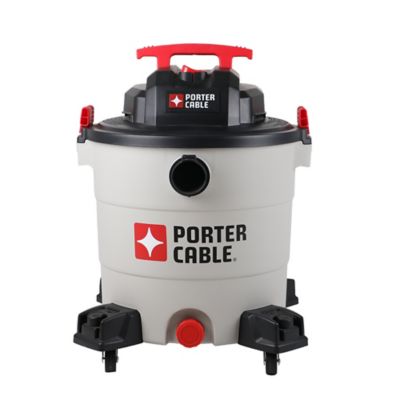
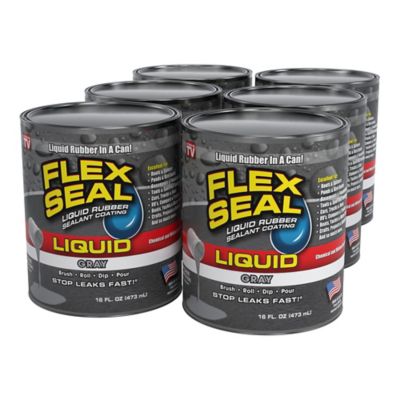
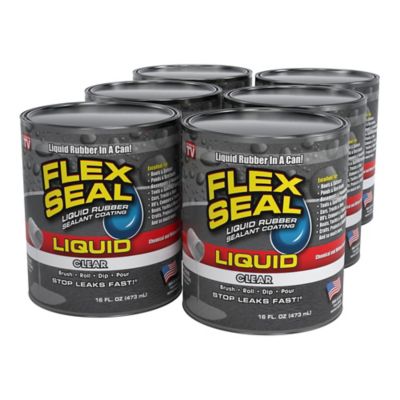
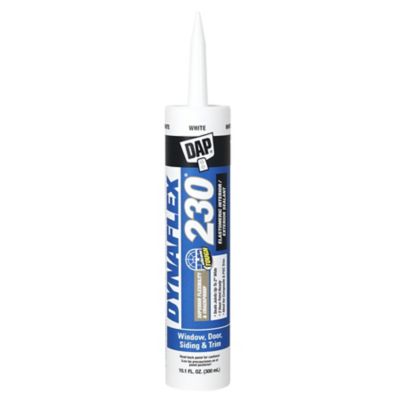
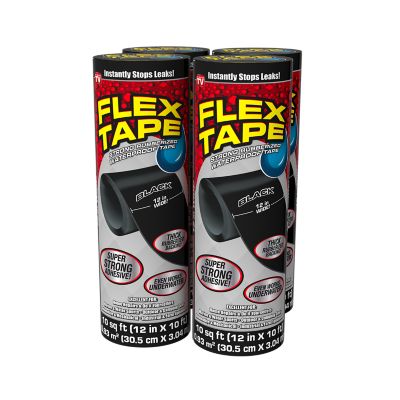
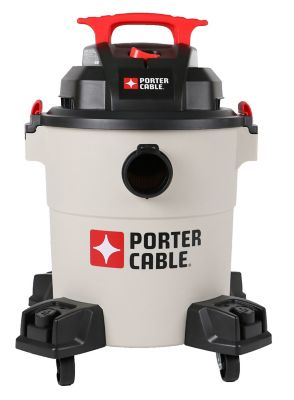
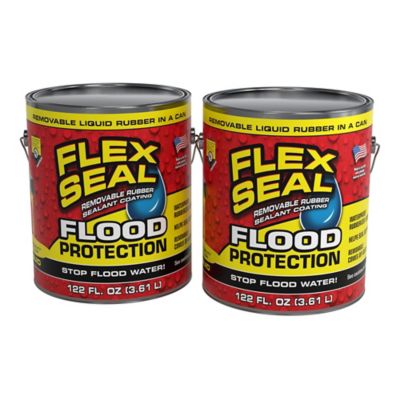
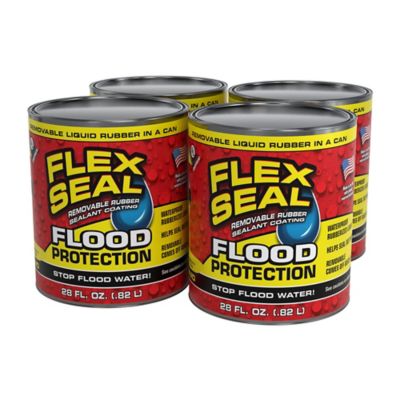
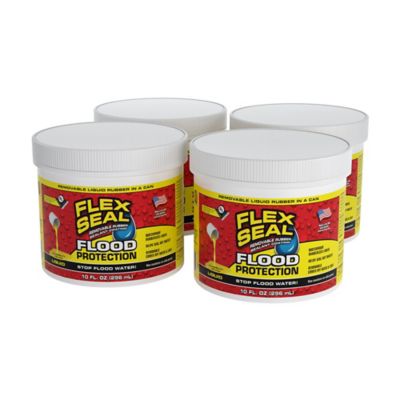
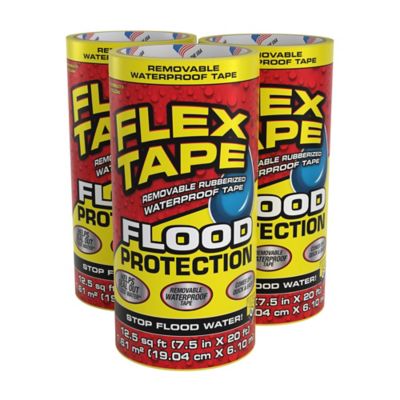
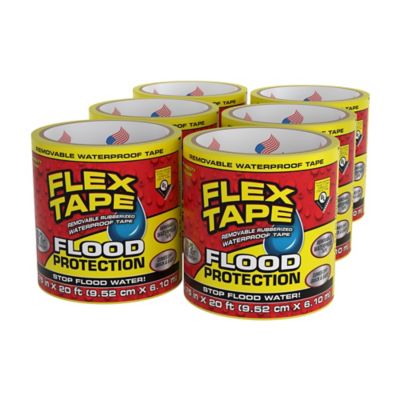
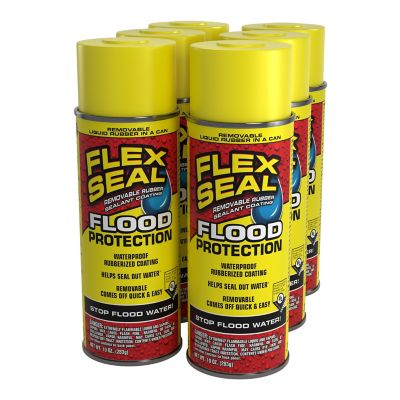
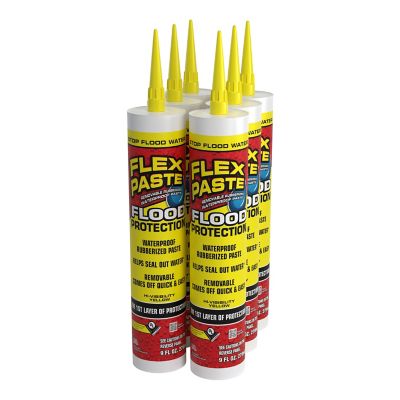
Basement flooding can turn a dry storage space, workshop or family room into a muddy, stressful mess in a hurry. Heavy rain, melting snow, clogged gutters, high groundwater, a failed appliance or a backed-up drain can all send water where it does not belong. A well-chosen set of basement flood solutions can help you respond faster, protect belongings and reduce the amount of moisture left behind. Start with safety before moving through standing water or touching wet equipment. If water may have reached outlets, appliances, extension cords or wiring, shut off power to the affected area from a dry location, or call a qualified electrician if the breaker panel cannot be reached safely. Keep children and pets out of the space, and wear waterproof gloves, sturdy footwear and suitable eye protection during cleanup. Water from a drain or sewer backup may contain harmful contaminants and should be handled with extra care. Once the area is safe, water-removal equipment can help clear shallow or deeper accumulation, while air-moving and moisture-control equipment helps dry floors, walls and framing. A basement can feel nearly dry on the surface while dampness remains tucked beneath carpet, behind wall coverings or along the bottom edge of drywall, so steady drying matters. Fans that circulate air, dehumidifying equipment that pulls moisture from the room and moisture meters that help check hidden areas can all have a place in a practical cleanup setup. Good ventilation may help in some conditions, but opening windows in warm, humid weather can add moisture instead of removing it.
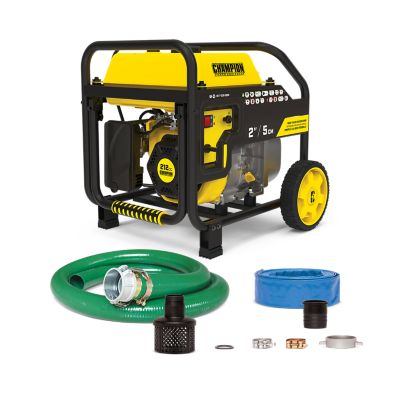
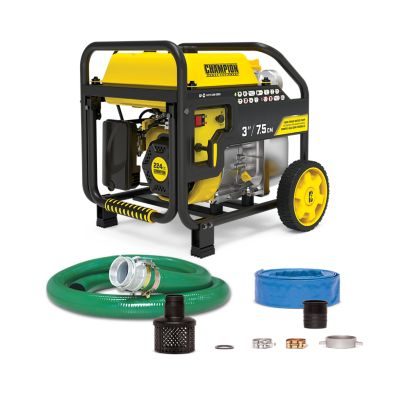
When shopping for basement flood solutions, match the equipment to the size and layout of the space, the likely source of the water and the type of cleanup you expect to handle. For occasional seepage or a small utility-room spill, compact water-removal equipment may be easier to store and grab when needed. A larger basement, low-lying home or property with a history of stormwater problems may call for higher-capacity equipment and a dependable way to move water away from the foundation. For homes that rely on a sump pit, review
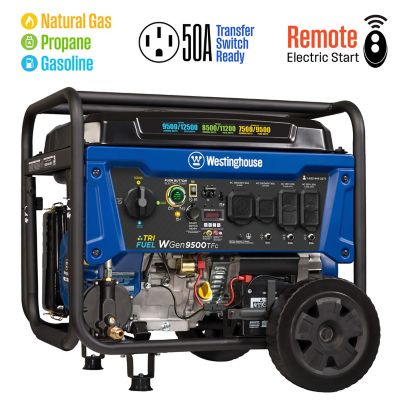
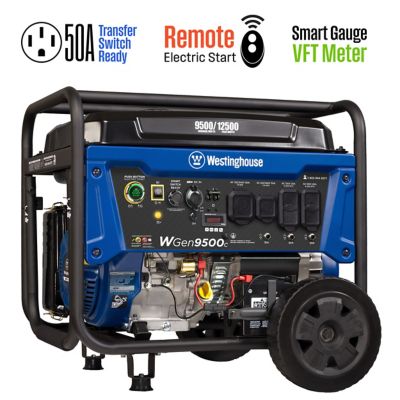
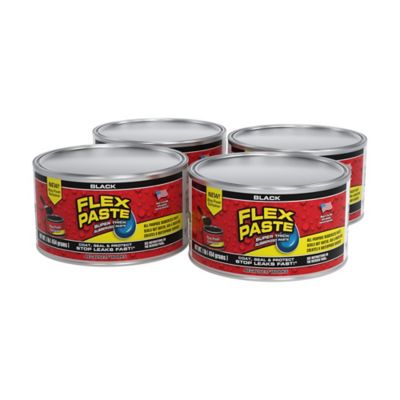
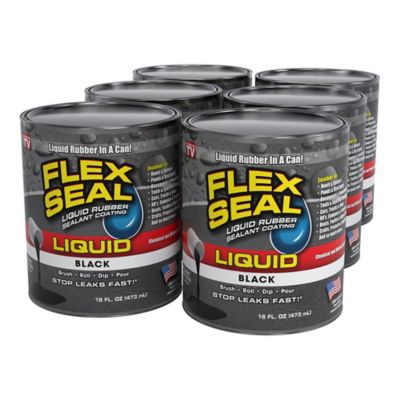
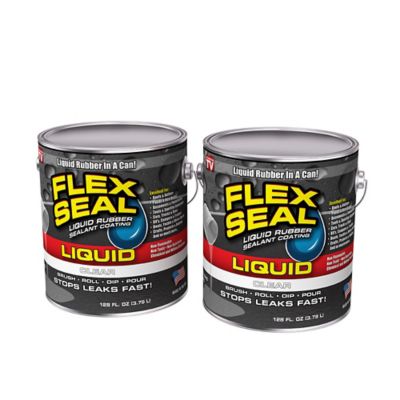
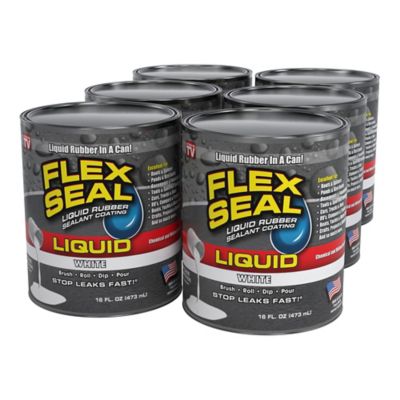
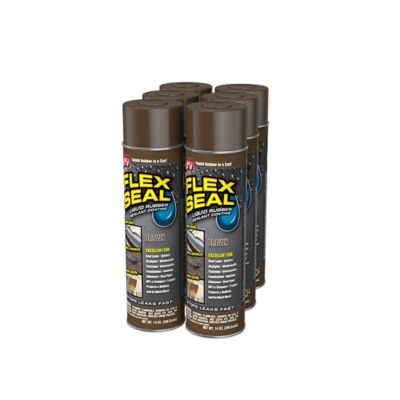
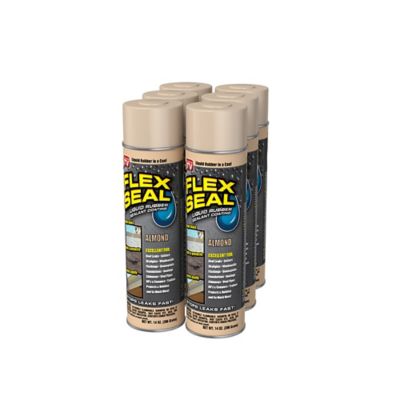
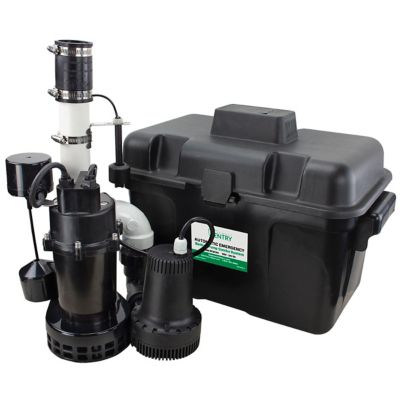
Sump Pumps For Basements to compare options for managing groundwater before it spreads across the floor. Look at pumping capacity, discharge size, power requirements, hose reach and whether the unit is meant for clean water, dirty water or both. A backup power plan is also worth considering because severe weather can interrupt electricity at the same time that rain is filling the sump pit. Battery-supported or water-powered backup options may provide another layer of protection, depending on your home’s plumbing and local conditions. Place discharge lines so water flows well away from the foundation rather than soaking back into the soil beside the basement wall. Downspout extensions, splash control, drain grates and other water-management supplies can help direct runoff away from vulnerable areas. Check that your yard slopes away from the house, and watch for low spots where rain gathers after a storm. If water enters through cracks, window wells or wall joints, sealants and covers may help address minor openings, though ongoing seepage, structural cracks or repeated flooding deserve inspection by a qualified professional. Products for cleanup and prevention can be useful for homeowners, landlords, maintenance crews, farm offices and anyone caring for an older house with a below-grade foundation.
The most useful basement flood setup is one that is easy to reach, simple to operate and sized for the work at hand. Keep water-removal equipment, hoses, protective gear, absorbent materials and basic cleaning supplies together instead of scattered between a shed, garage and upstairs closet. Check cords, connections, filters, hoses and batteries before stormy weather arrives, and follow the manufacturer’s instructions for operating and storing each item. Do not use electrical equipment in standing water unless it is specifically designed for that purpose and the area has been confirmed safe. After water is removed, clear out soaked cardboard, loose insulation, wet carpet padding and other porous materials that cannot be thoroughly cleaned and dried. Hard, nonporous surfaces can generally be washed and disinfected according to appropriate product directions, while visibly contaminated materials may require professional remediation. Keep dehumidifying and circulating air until the room and concealed spaces are fully dry; a musty smell, peeling paint, swollen trim or recurring condensation can signal that moisture is still present. During the warmer and wetter part of the year, inspect gutters, downspouts, window wells and grading before heavy rain has a chance to test them. As cooler weather sets in, check sump equipment, backup power and discharge lines again, especially before periods of prolonged rain or freeze-thaw conditions. These supplies can also make a thoughtful, practical housewarming gift for new homeowners, rural property owners or relatives who have recently finished a basement. Even when no flood is in sight, having the right equipment nearby can bring peace of mind when clouds gather, the ground is saturated and water starts running hard through the ditches.