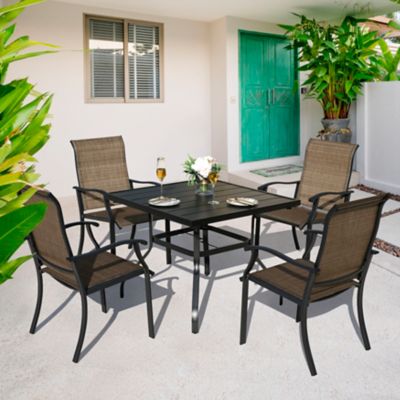
Backyard Fire Pit Fourth Of July Sale
Get ready to light up your summer nights with the Backyard Fire Pit Fourth Of July Sale at Tractor Supply. Whether you're planning a big family cookout or just want to kick back under the stars, now's the perfect time to snag a deal on fire pits that'll keep your gatherings warm and inviting. Celebrate Independence Day with great savings and make your backyard the place everyone wants to be.
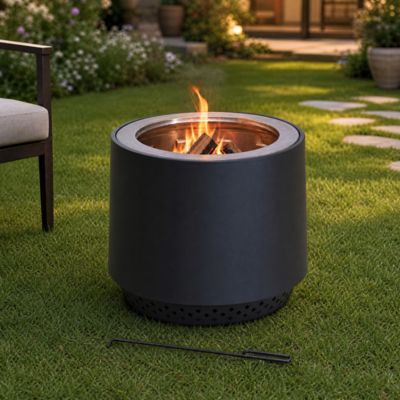
$143
.99
Sale Was $159.99 Save $16.00 (10%)

$263
.99
Sale Was $329.99 Save $66.00 (20%)
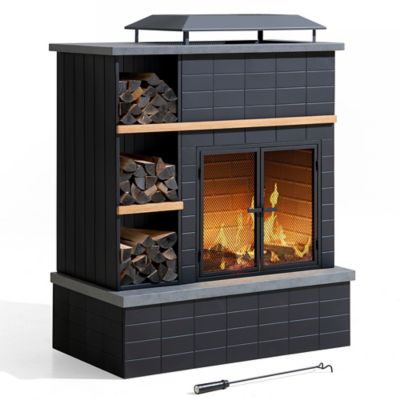
$339
.99
Sale Was $449.99 Save $110.00 (24%)
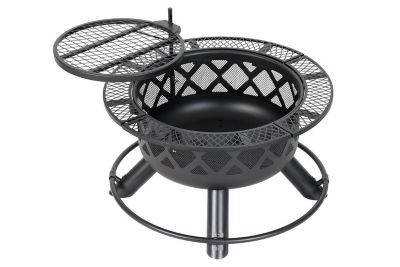
$143
.99
Sale Was $179.99 Save $36.00 (20%)
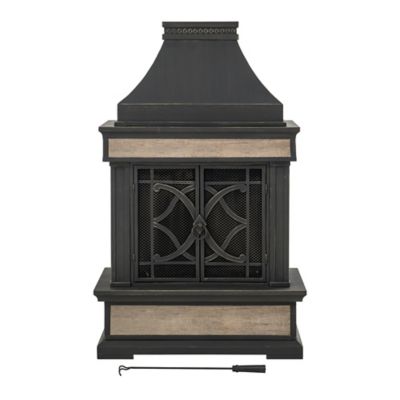
$589
.99
Sale Was $732.99 Save $143.00 (20%)
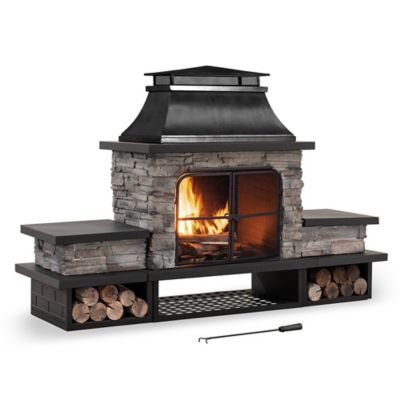
$1,549
.99
Sale Was $2,199.99 Save $650.00 (30%)
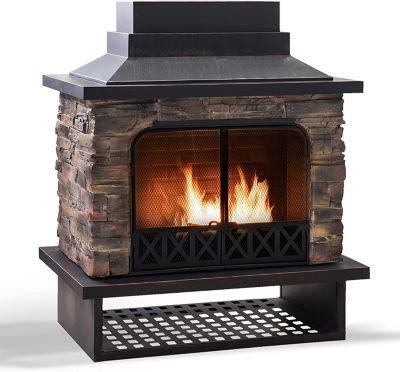
$1,124
.99
Sale Was $1,399.99 Save $275.00 (20%)
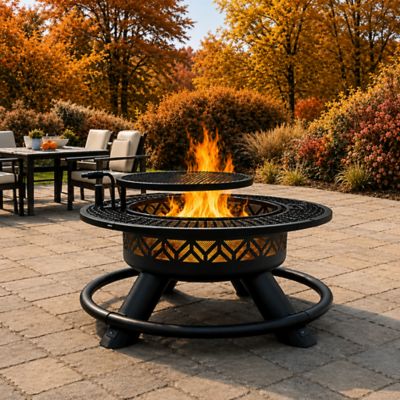
$263
.99
Sale Was $329.99 Save $66.00 (20%)
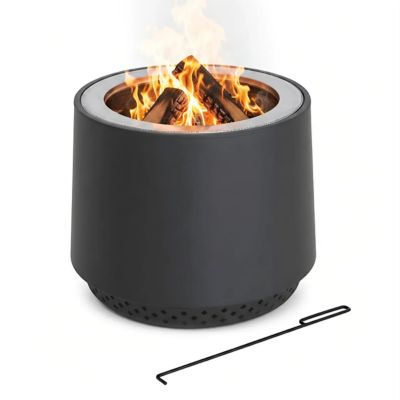
$143
.99
Sale Was $159.99 Save $16.00 (10%)
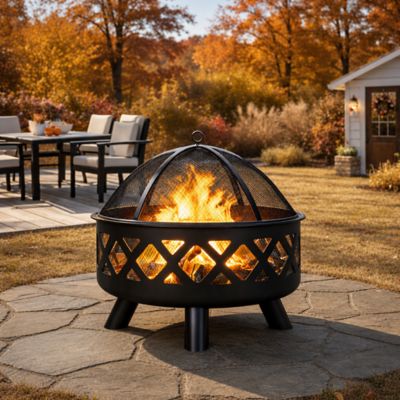
$95
.99
Sale Was $159.99 Save $64.00 (40%)
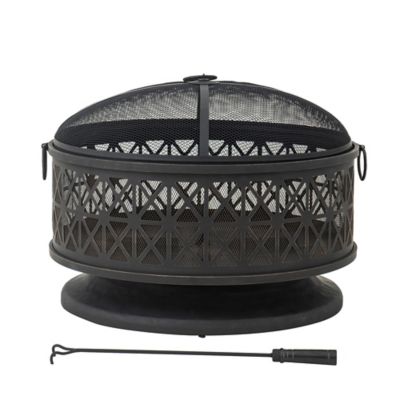
$209
.99
Sale Was $299.99 Save $90.00 (30%)

$143
.99
Sale Was $179.99 Save $36.00 (20%)

$96
.99
Sale Was $139.99 Save $43.00 (31%)
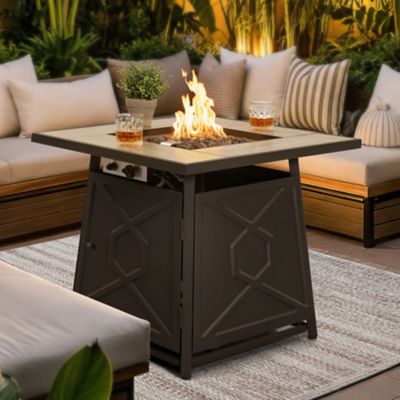
$161
.99
Sale Was $239.99 Save $78.00 (33%)
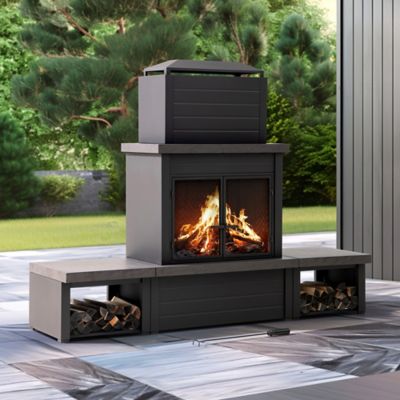
$389
.99
Sale Was $519.99 Save $130.00 (25%)
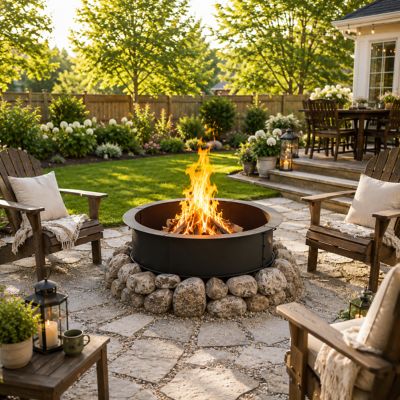
$71
.99
Sale Was $89.99 Save $18.00 (20%)
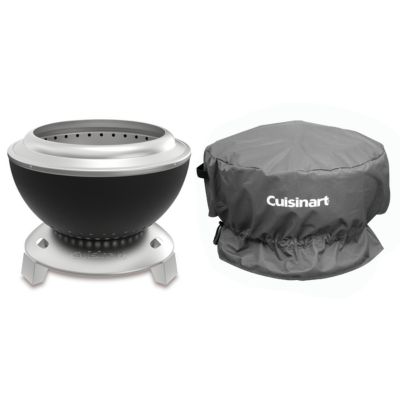
$249
.99
Sale Was $299.99 Save $50.00 (17%)
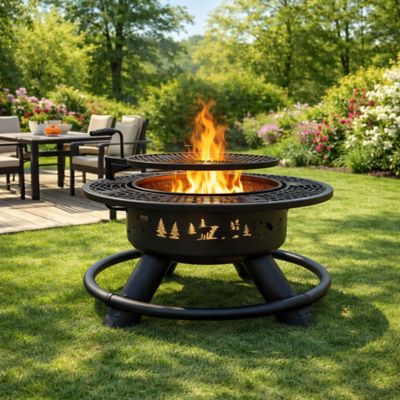
$263
.99
Sale Was $329.99 Save $66.00 (20%)
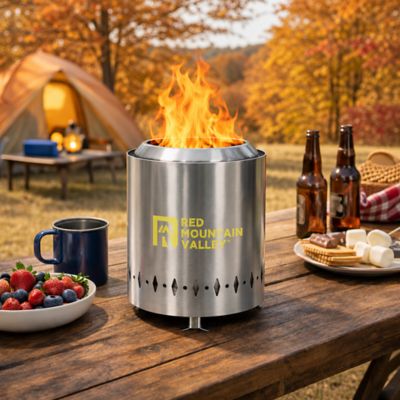
$39
.99
Sale Was $49.99 Save $10.00 (20%)
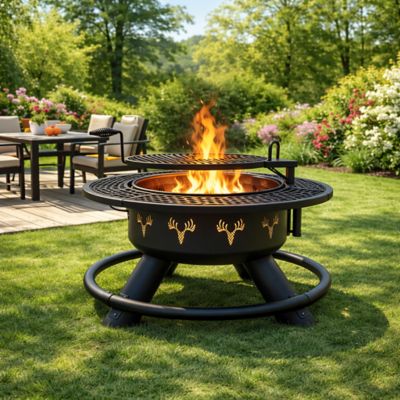
$269
.99
Sale Was $309.99 Save $40.00 (13%)
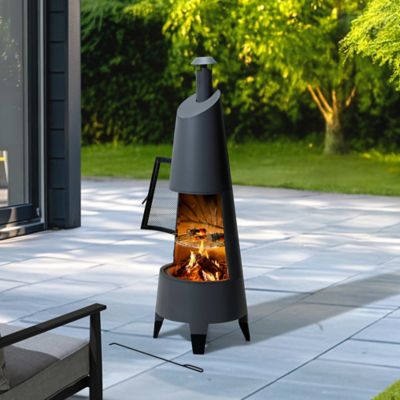
$154
.99
Sale Was $194.99 Save $40.00 (21%)
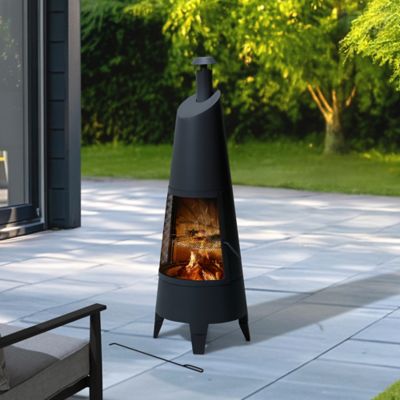
$179
.99
Sale Was $189.99 Save $10.00 (5%)

$101
.99
Sale Was $119.99 Save $18.00 (15%)
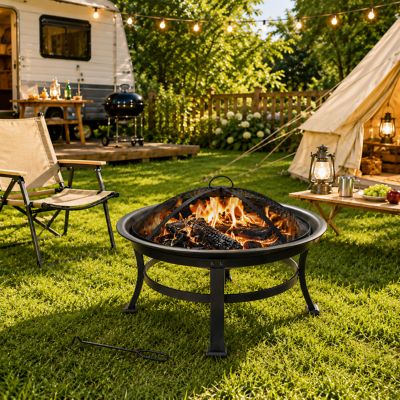
$90
.99
Sale Was $99.99 Save $9.00 (9%)
Best Of FAQ
What are the benefits of adding a backyard fire pit to my outdoor space?
A backyard fire pit creates a cozy gathering spot for friends and family, extends your outdoor entertaining season, and adds ambiance to your yard. It's perfect for roasting marshmallows, sharing stories, or simply relaxing under the stars.
Can I use a fire pit year-round for outdoor entertaining?
Yes, fire pits can be enjoyed in all seasons. They provide warmth during cooler months and serve as a focal point for summer gatherings like Fourth of July celebrations.
What materials are commonly found in backyard fire pits?
Backyard fire pits are often made from steel, cast iron, stone, or copper. Each material offers different looks and levels of strength to fit various outdoor settings.
Are there different styles of backyard fire pits available?
Absolutely! Fire pits come in various styles including classic wood-burning designs, modern gas-powered models, and options with patterns or stone finishes to match your outdoor space.
How can I enhance my Fourth of July celebration with a backyard fire pit?
A backyard fire pit is perfect for hosting festive gatherings. Use it as a centerpiece for grilling hot dogs or making s'mores, and create a welcoming atmosphere for guests to enjoy fireworks and holiday festivities.
Best Sellers
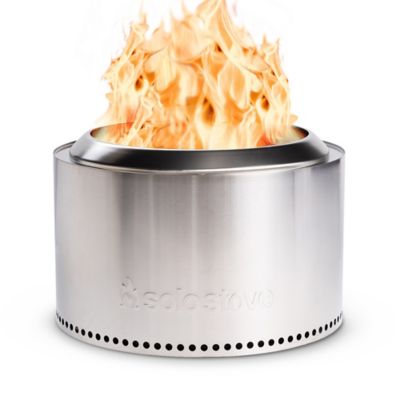
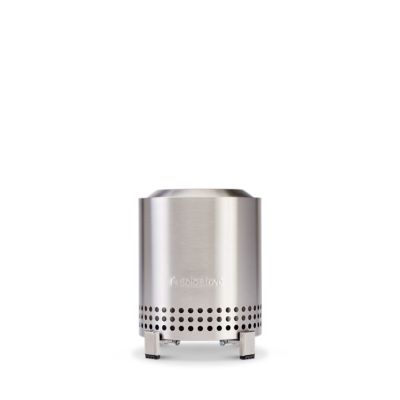
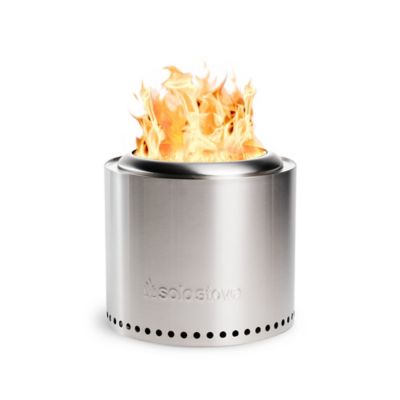
-
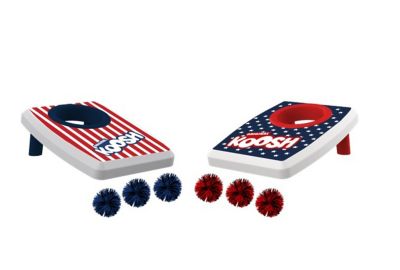
"I love that the koosh balls won't hurt them if they accidently hit one another and setup is a breeze"
-
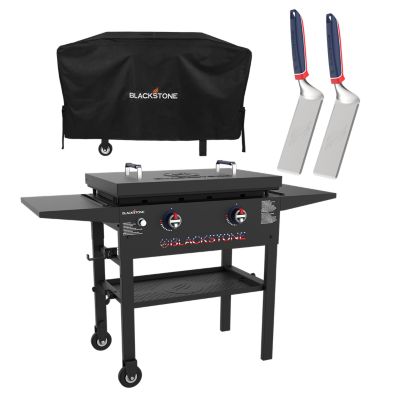
"I never use my grill and this does a great job and works best with my needs"
-
"Product is great. Easy to put together and sturdy"
-
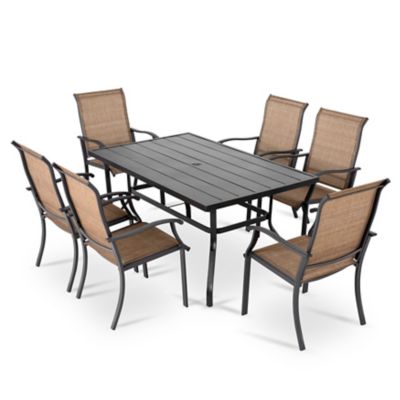
"Had an issue with table not being delivered, but customer service was great and I received next day"
-
"Price and value for the money was great. Highly recommend"