Fourth Of July Sale On Backyard Celebration Furniture
Get your backyard ready for summer fun with the Backyard Celebration Furniture Fourth Of July Sale. Whether you're planning a big family cookout or just relaxing under the stars, now's the perfect time to spruce up your outdoor space. Find deals that'll help you kick back in style and comfort, so you can focus on making memories with friends and family all season long.
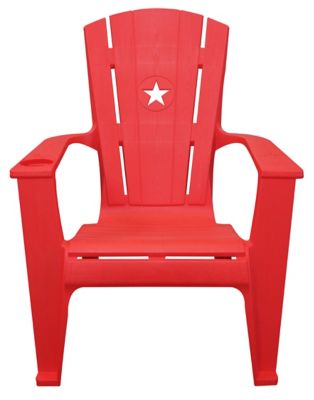
$12
.49
Sale Was $24.99 Save $12.50 (50%)
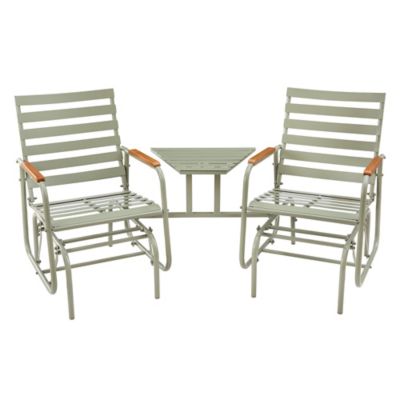
$149
.99
Sale Was $299.99 Save $150.00 (50%)
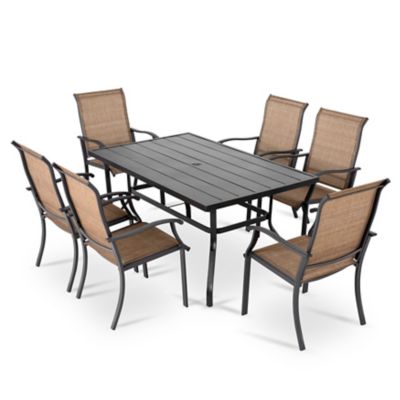
$385
.99
Sale Was $559.99 Save $174.00 (31%)
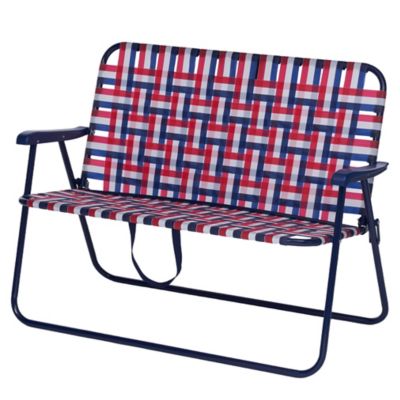
$19
.99
Sale Was $49.99 Save $30.00 (60%)
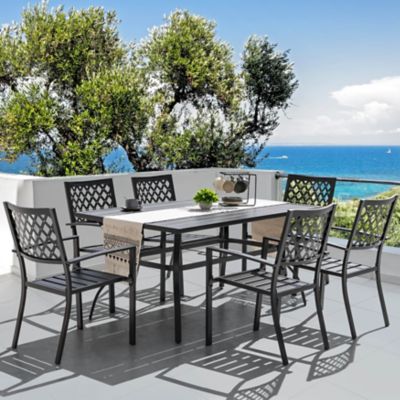
$441
.99
Sale Was $699.99 Save $258.00 (37%)
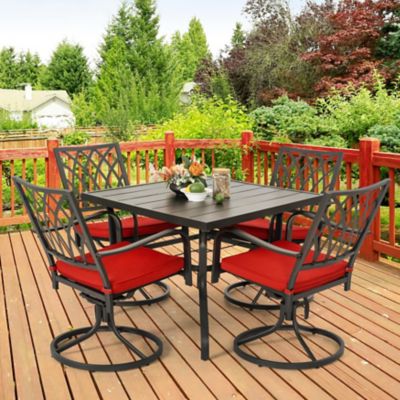
$394
.99
Sale Was $549.99 Save $155.00 (28%)
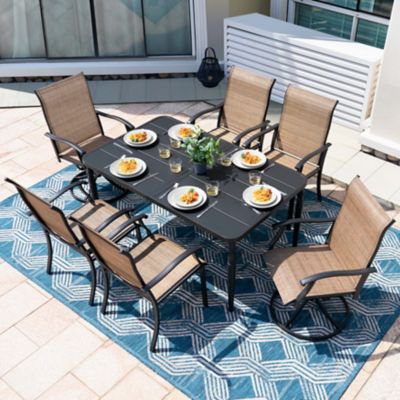
$390
.99
Sale Was $503.99 Save $113.00 (22%)
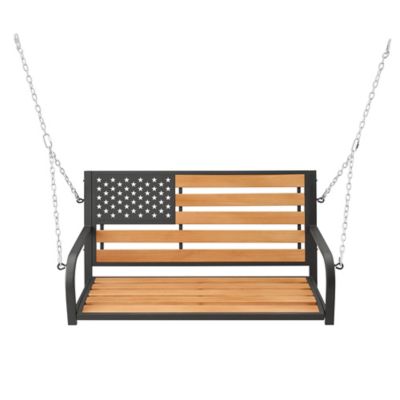
$79
.99
Sale Was $199.99 Save $120.00 (60%)
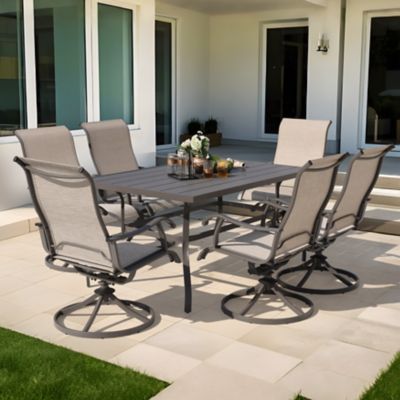
$562
.99
Sale Was $629.99 Save $67.00 (11%)
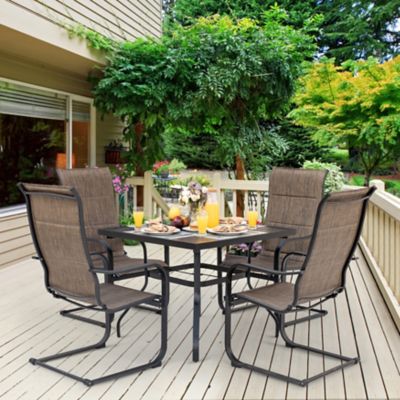
$284
.99
Sale Was $389.99 Save $105.00 (27%)
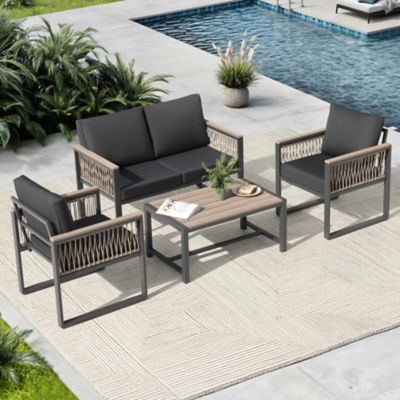
$331
.99
Sale Was $461.99 Save $130.00 (28%)
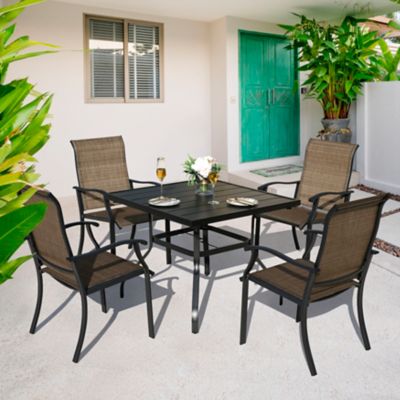
$242
.99
Sale Was $369.99 Save $127.00 (34%)
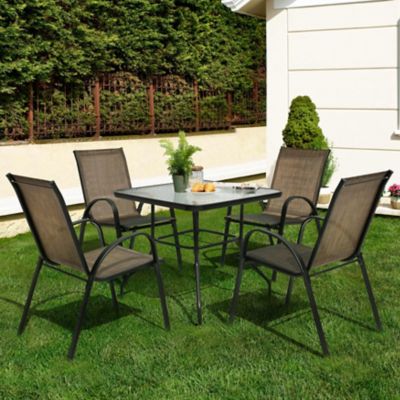
$129
.99
Sale Was $159.99 Save $30.00 (19%)
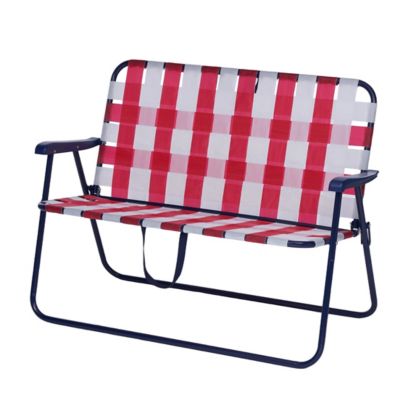
$19
.99
Sale Was $49.99 Save $30.00 (60%)
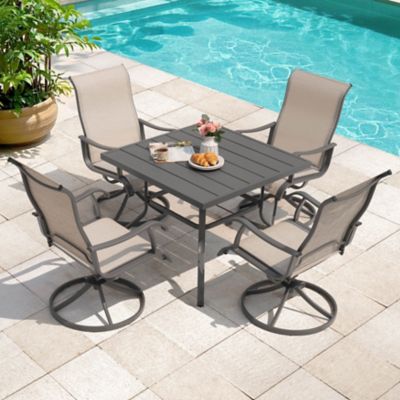
$372
.99
Sale Was $447.99 Save $75.00 (17%)
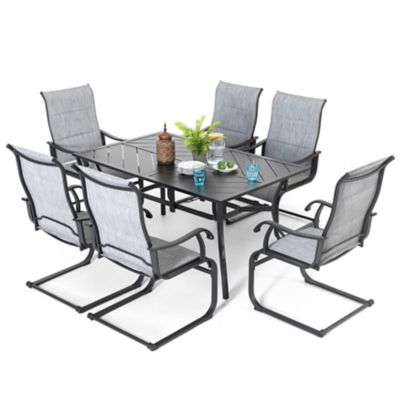
$496
.99
Sale Was $559.99 Save $63.00 (11%)
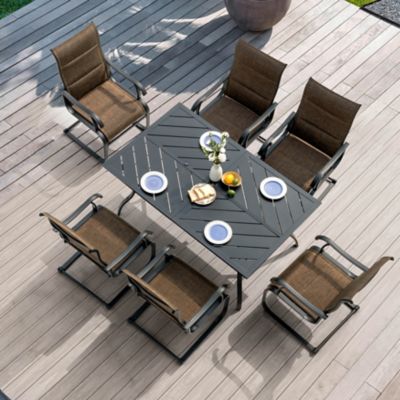
$546
.99
Sale Was $699.99 Save $153.00 (22%)
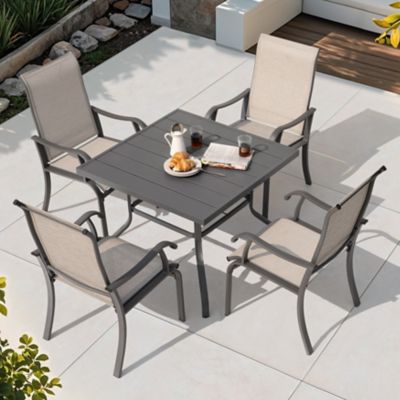
$246
.99
Sale Was $293.99 Save $47.00 (16%)
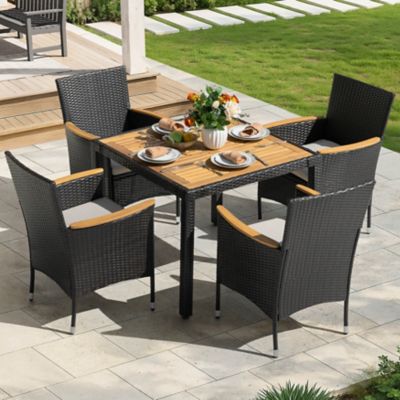
$295
.99
Sale Was $369.99 Save $74.00 (20%)
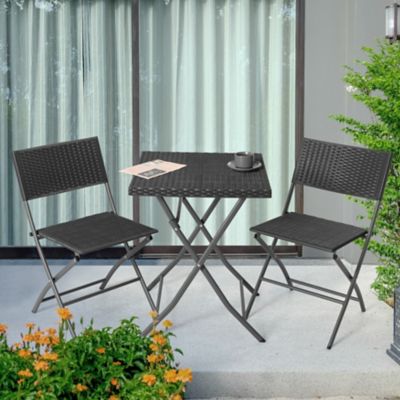
$91
.99
Sale Was $109.99 Save $18.00 (16%)
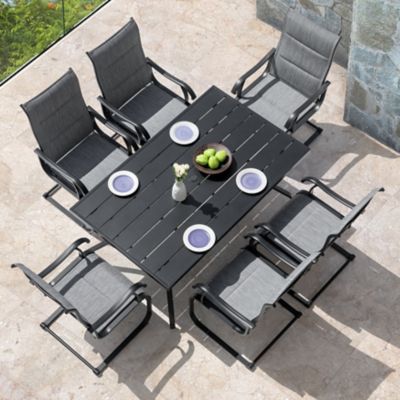
$498
.99
Sale Was $569.99 Save $71.00 (12%)
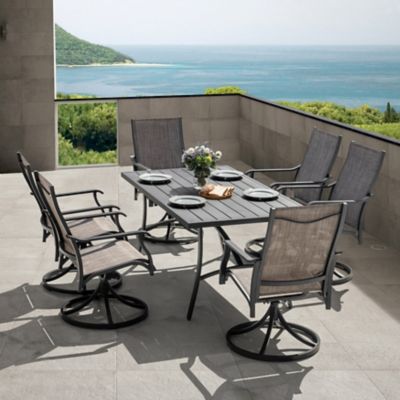
$1,024
.99
Sale Was $1,299.99 Save $275.00 (21%)
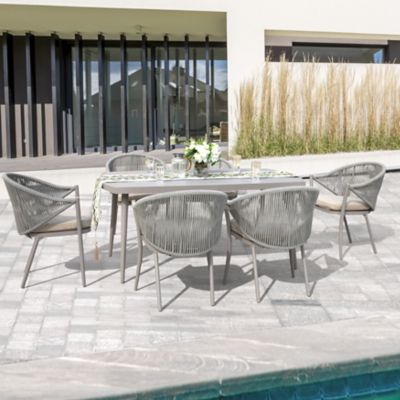
$746
.99
Sale Was $1,099.99 Save $353.00 (32%)
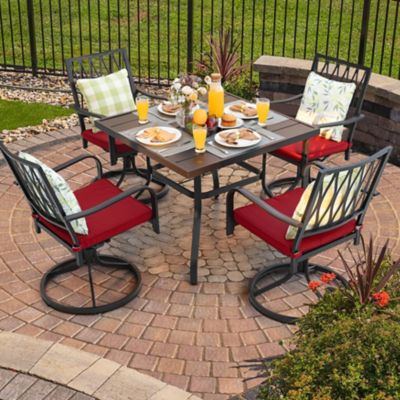
$394
.99
Sale Was $549.99 Save $155.00 (28%)
Best Of FAQ
What types of backyard celebration furniture are popular for Fourth of July gatherings?
Popular backyard celebration furniture for the Fourth of July includes outdoor dining sets, patio chairs, picnic tables, lounge seating, and umbrellas. These pieces help create comfortable and festive spaces for guests to relax and enjoy the holiday.
How can I choose the right outdoor furniture for a Fourth of July party?
When choosing outdoor furniture for a Fourth of July party, consider your available space, the number of guests, and the activities you plan to host. Look for materials that handle outdoor conditions well and opt for pieces that offer both comfort and functionality.
What features should I look for in backyard furniture to enhance my holiday celebration?
Look for features such as weather-resistant materials, easy-to-clean surfaces, foldable or stackable designs for flexibility, and built-in shade options like umbrellas or canopies. These features help ensure your furniture is practical and enjoyable during your celebration.
How can I decorate my backyard furniture to match a Fourth of July theme?
You can decorate your backyard furniture with patriotic-themed cushions, tablecloths, banners, and string lights in red, white, and blue. Adding themed centerpieces or flags can also enhance the festive atmosphere.
Are there specific materials that work best for outdoor celebration furniture?
Materials like powder-coated steel, aluminum, teak, resin wicker, and high-density polyethylene are excellent choices for outdoor celebration furniture. They hold up well against weather elements and require minimal maintenance.
Best Sellers
-
"Love the table it’s a great addition"
-
"Love these tables .Made well and perfect size"
-
"Product is great. Easy to put together and sturdy"
-
"Love the table it’s a great addition"
-
"Great Chairs we love them"