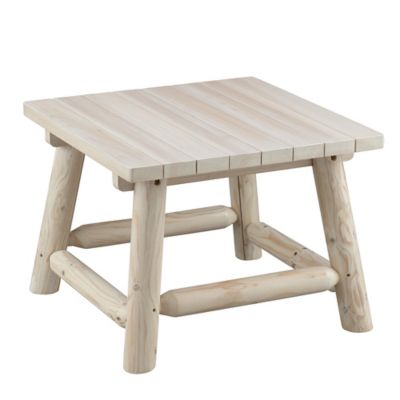
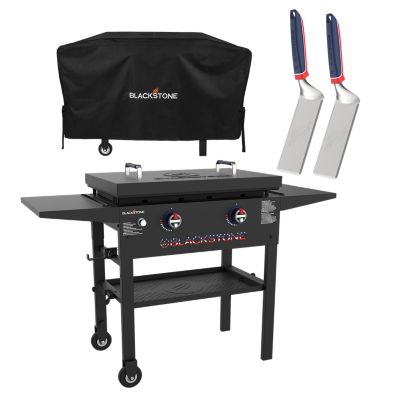
Fourth Of July Sale On Backyard Family Patio Furniture
Fire up the grill and get ready to kick back in style with the Backyard Family Patio Furniture Fourth Of July Sale. Whether you’re planning a big family barbecue or just want a comfy spot to watch the fireworks, now’s the perfect time to give your outdoor space a fresh new look. Gather around, soak up the sunshine, and make memories that’ll last all summer long with deals made for folks who love living outdoors.
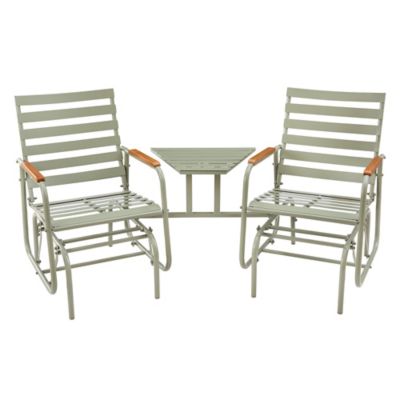
$149
.99
Sale Was $299.99 Save $150.00 (50%)
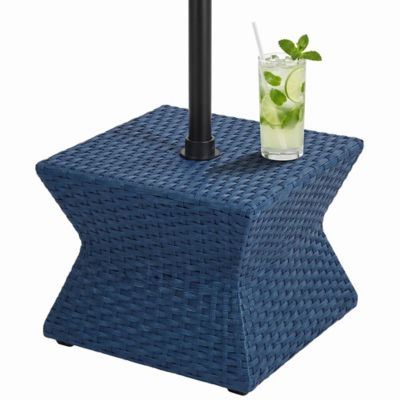
$67
.99
Sale Was $111.99 Save $44.00 (39%)
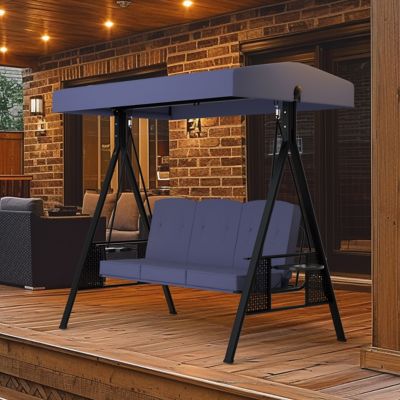
$260
.99
Sale Was $299.99 Save $39.00 (13%)
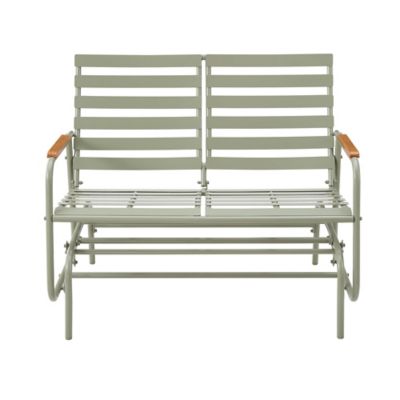
$99
.99
Sale Was $199.99 Save $100.00 (50%)

$161
.99
Sale Was $189.99 Save $28.00 (15%)
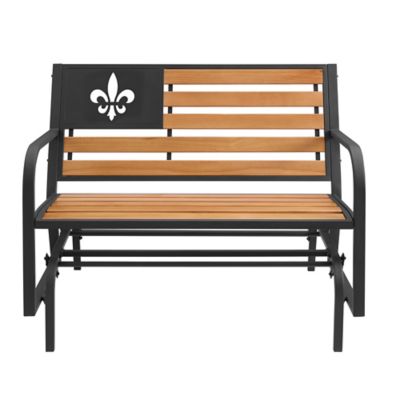
$99
.99
Sale Was $249.99 Save $150.00 (60%)

$194
.99
Sale Was $299.99 Save $105.00 (35%)

$169
.99
Sale Was $199.99 Save $30.00 (15%)

$91
.99
Sale Was $114.99 Save $23.00 (20%)
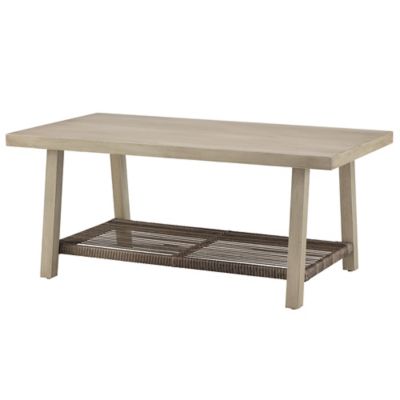
$74
.99
Sale Was $149.99 Save $75.00 (50%)
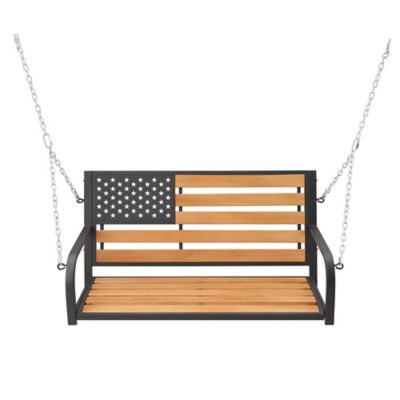
$79
.99
Sale Was $199.99 Save $120.00 (60%)
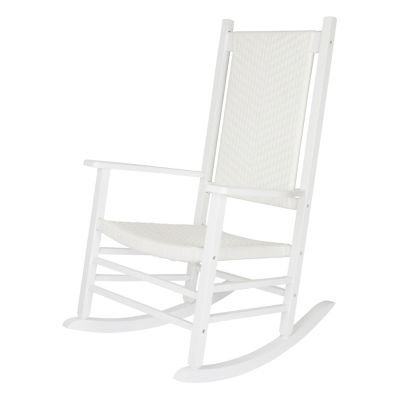
$135
.99
Sale Was $169.99 Save $34.00 (20%)

$195
.99
Sale Was $229.99 Save $34.00 (15%)
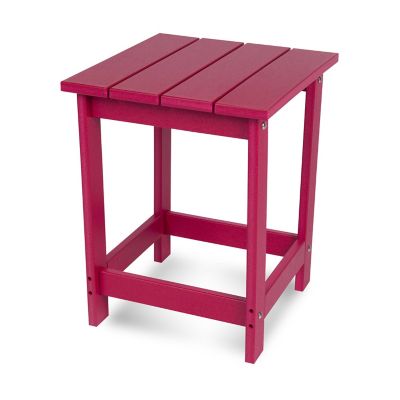
$50
.99
Sale Was $59.99 Save $9.00 (15%)

$47
.99
Sale Was $79.99 Save $32.00 (40%)
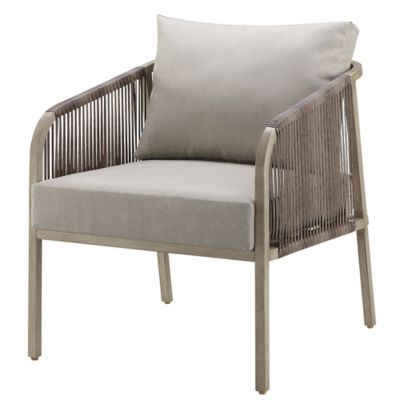
$99
.99
Sale Was $199.99 Save $100.00 (50%)
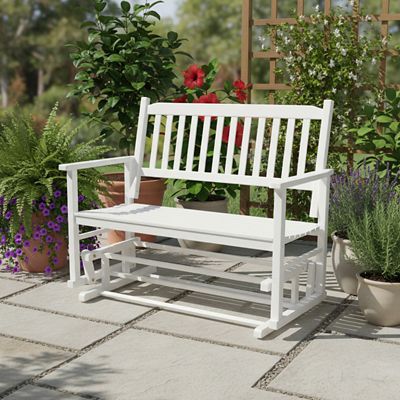
$269
.99
Sale Was $299.99 Save $30.00 (10%)
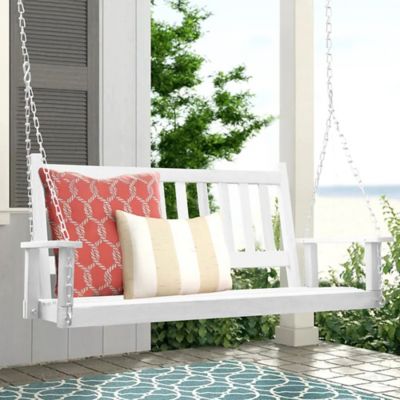
$135
.99
Sale Was $159.99 Save $24.00 (15%)

$62
.99
Sale Was $89.99 Save $27.00 (30%)

$215
.99
Sale Was $238.99 Save $23.00 (10%)
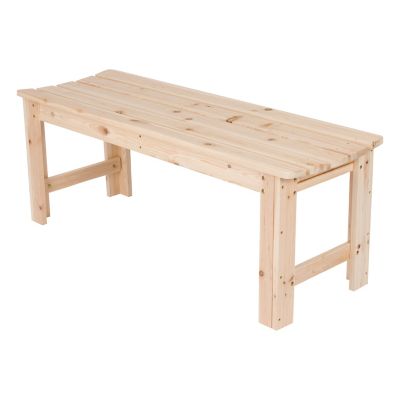
$104
.99
Sale Was $139.99 Save $35.00 (25%)

$45
.99
Sale Was $52.99 Save $7.00 (13%)

$47
.99
Sale Was $79.99 Save $32.00 (40%)
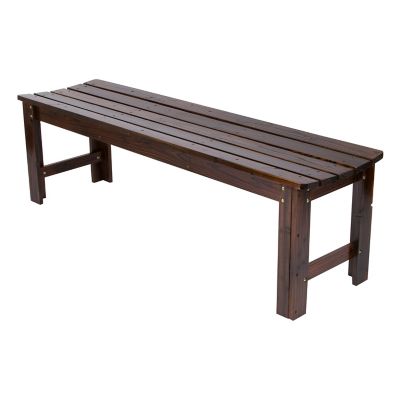
$127
.99
Sale Was $169.99 Save $42.00 (25%)
Best Of FAQ
What types of patio furniture are best for family gatherings during the Fourth of July?
For family gatherings on the Fourth of July, consider patio furniture sets that include spacious dining tables, comfortable chairs, and lounge seating. Look for weather-resistant materials like metal, wicker, or treated wood to ensure durability throughout the summer.
How can I create a festive atmosphere with my backyard patio furniture for Independence Day?
You can create a festive atmosphere by adding patriotic-themed cushions, tablecloths, and outdoor accents such as string lights or lanterns. Arranging your furniture to encourage conversation and relaxation will also help set the mood for a memorable celebration.
What features should I look for in outdoor furniture to withstand summer weather?
Choose outdoor furniture made from materials like powder-coated steel, all-weather wicker, or teak wood. These materials resist fading, moisture, and heat, making them ideal for summer use. Removable cushions with UV-resistant fabric are also a great option.
How do I maintain my patio furniture throughout the summer season?
Regularly clean your patio furniture with mild soap and water to remove dirt and pollen. Store cushions indoors when not in use or use protective covers to extend their lifespan. Periodically check for loose screws or bolts and tighten as needed.
Can I mix and match different styles of patio furniture for my backyard setup?
Absolutely! Mixing and matching different styles can add personality to your outdoor space. Try combining various textures and colors while keeping a cohesive theme with accessories like rugs or throw pillows for a coordinated look.
Best Sellers
-
"Love the table it’s a great addition"
-
"I never use my grill and this does a great job and works best with my needs"
-
"Love the table it’s a great addition"
-
"Nice table, very sturdy, great size"
-
"My husband bought me a gift certificate for my birthday because he knows I love that place"