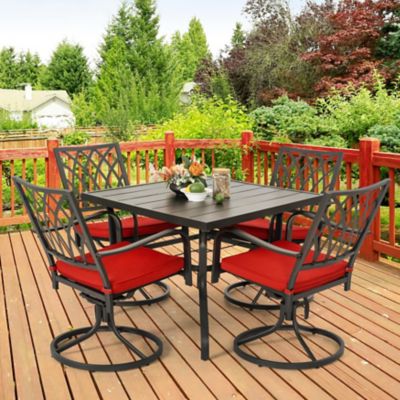
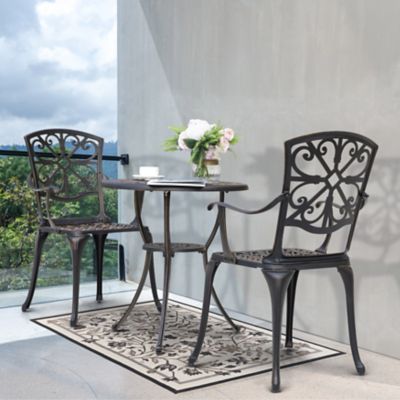
4th Of July Sale On Backyard Entertainment Center
Fire up the grill and get ready to celebrate with big savings during our 4th of July sale on backyard entertainment center essentials. Whether you’re planning a family barbecue, hosting friends for fireworks, or just want to enjoy some time outside, you’ll find everything you need to make your backyard the place to be. Stock up now and turn your outdoor space into a summer retreat, all while keeping more cash in your pocket.
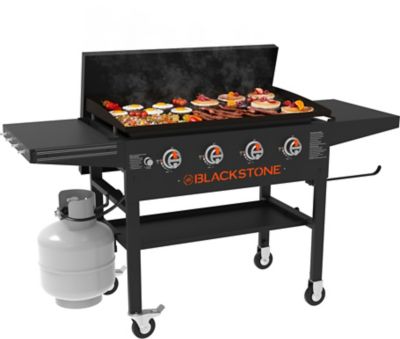
$349
.99
Sale Was $399.99 Save $50.00 (13%)
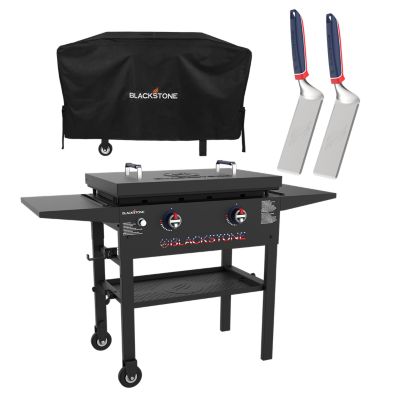
$329
.99
Sale Was $399.99 Save $70.00 (18%)
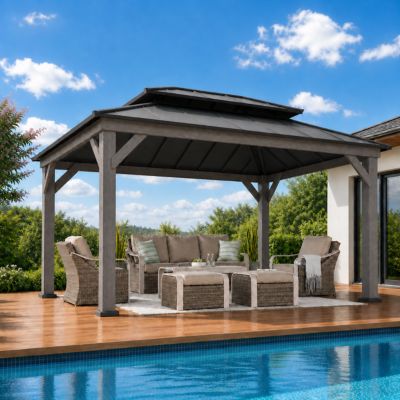
$1,699
.99
Sale Was $2,599.99 Save $900.00 (35%)
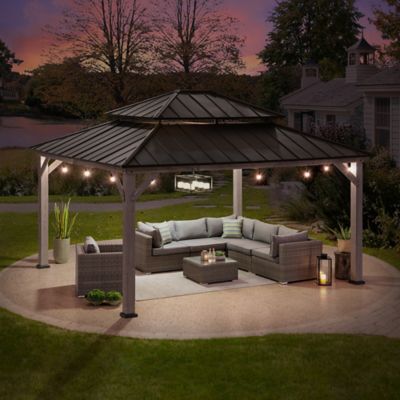
$1,329
.99
Sale Was $2,199.99 Save $870.00 (40%)
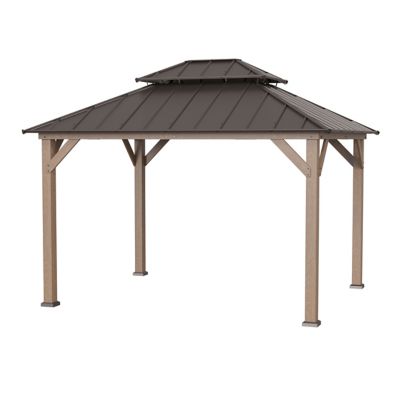
$1,615
.99
Sale Was $1,899.99 Save $284.00 (15%)
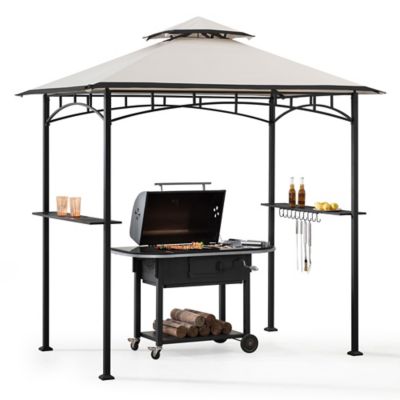
$109
.99
Sale Was $200.99 Save $91.00 (45%)
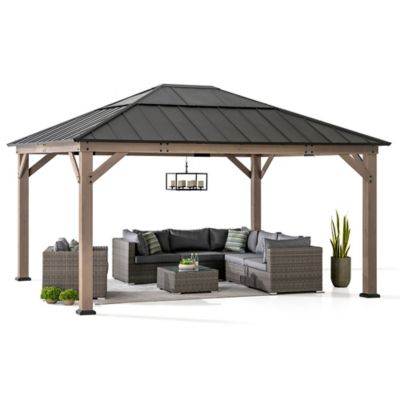
$899
.99
Sale Was $1,499.99 Save $600.00 (40%)
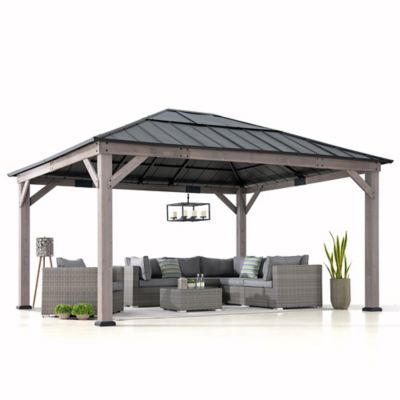
$899
.99
Sale Was $1,499.99 Save $600.00 (40%)
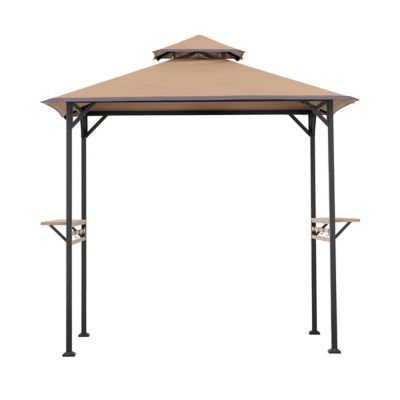
$163
.99
Sale Was $217.99 Save $54.00 (25%)
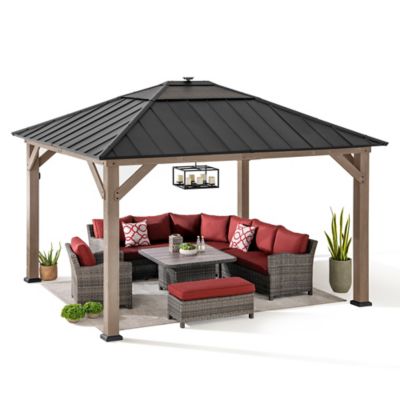
$899
.99
Sale Was $1,499.99 Save $600.00 (40%)

$263
.99
Sale Was $329.99 Save $66.00 (20%)
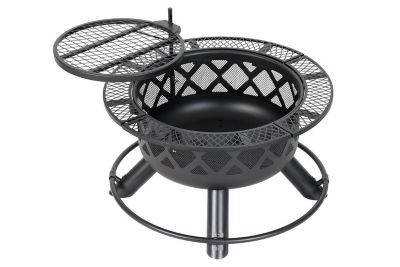
$143
.99
Sale Was $179.99 Save $36.00 (20%)
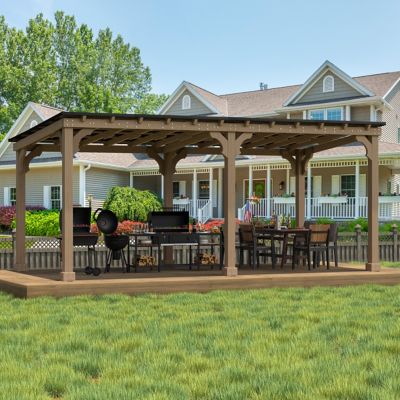
$1,399
.99
Sale Was $1,499.99 Save $100.00 (7%)
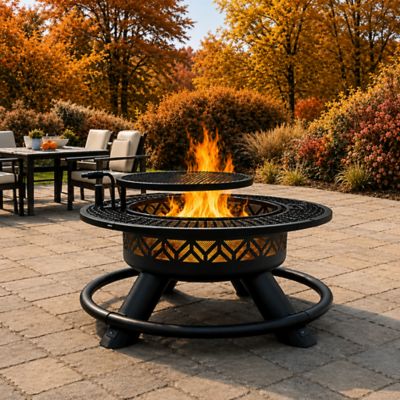
$263
.99
Sale Was $329.99 Save $66.00 (20%)
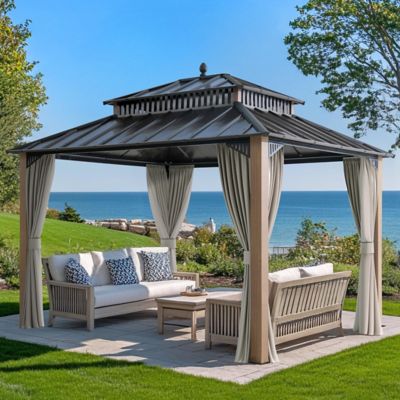
$901
.99
Sale Was $1,124.99 Save $223.00 (20%)
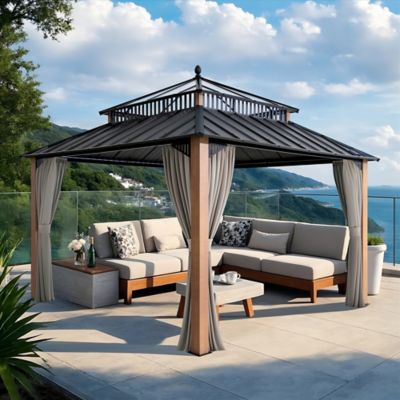
$1,000
.99
Sale Was $1,169.99 Save $169.00 (14%)
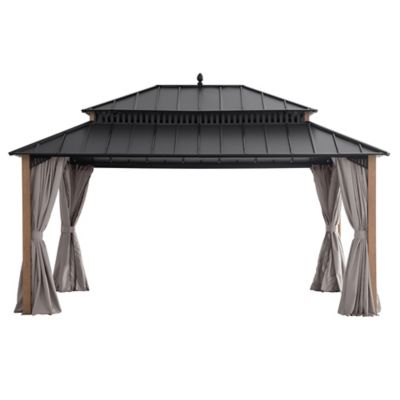
$1,021
.99
Sale Was $1,429.99 Save $408.00 (29%)
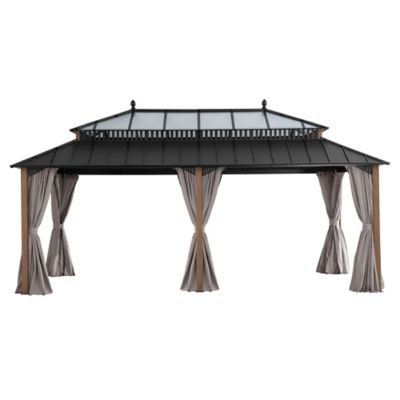
$1,457
.99
Sale Was $1,819.99 Save $362.00 (20%)
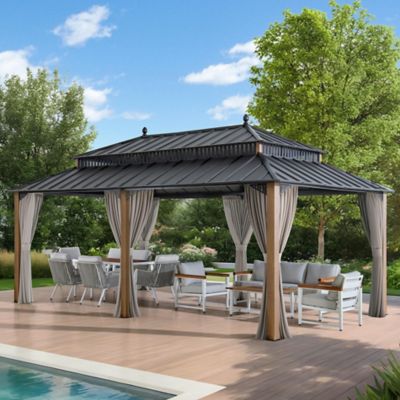
$1,354
.99
Sale Was $1,729.99 Save $375.00 (22%)
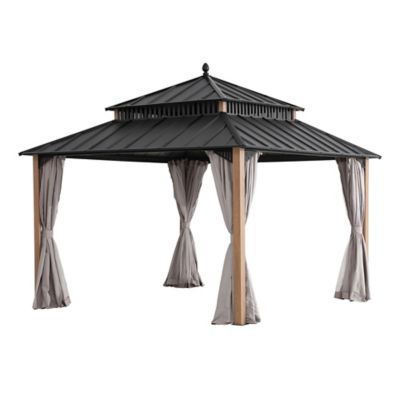
$981
.99
Sale Was $1,154.99 Save $173.00 (15%)
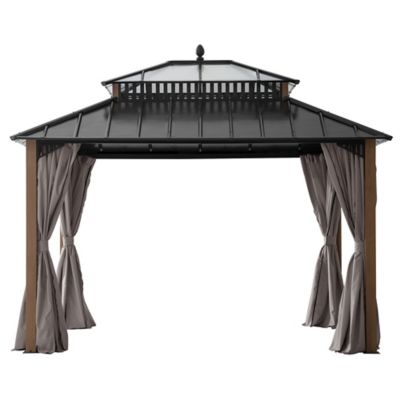
$901
.99
Sale Was $1,119.99 Save $218.00 (19%)
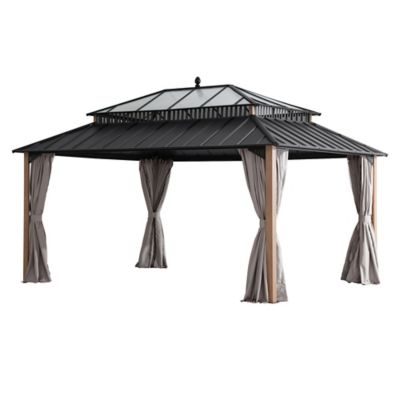
$1,190
.99
Sale Was $1,454.99 Save $264.00 (18%)
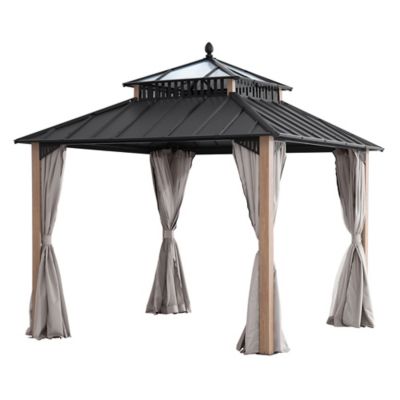
$779
.99
Sale Was $1,029.99 Save $250.00 (24%)
$1,072
.99
Sale Was $1,349.99 Save $277.00 (21%)
Best Of FAQ
What types of backyard entertainment center products are popular for Fourth of July celebrations?
Popular backyard entertainment center products for Fourth of July include outdoor grills, fire pits, patio furniture, string lights, and portable speakers. These items help create a festive atmosphere and provide comfort and convenience for guests.
How can I create a festive atmosphere in my backyard for the Fourth of July?
You can create a festive atmosphere by decorating with patriotic-themed tableware, banners, and string lights. Adding comfortable seating, outdoor games, and a fire pit or grill will also enhance the celebration.
What features should I look for in outdoor furniture for summer gatherings?
Look for weather-resistant materials, easy-to-clean surfaces, and comfortable cushions. Modular or foldable designs can offer flexibility for different group sizes and activities during your summer gatherings.
Are there any accessories that can enhance my backyard entertainment setup for parties?
Yes, accessories like beverage coolers, shade umbrellas, outdoor rugs, and Bluetooth speakers can enhance your backyard entertainment setup by adding comfort and convenience for your guests.
How do I maintain my backyard entertainment center products throughout the summer?
Regularly clean your outdoor furniture and equipment according to manufacturer instructions. Store cushions when not in use, cover grills and fire pits to protect them from the elements, and check lighting or electronics periodically to ensure they remain in good working order.
Best Sellers
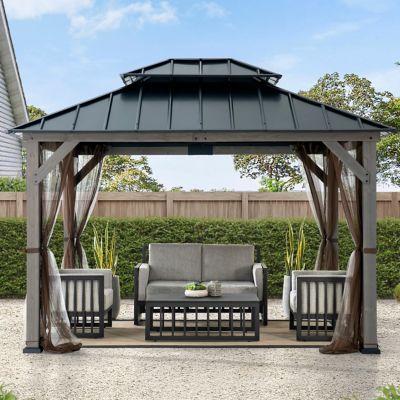
-
"It was one of the best investments we made. Great quality"
-
"It looks great and was easy to assemble. Feels sturdy, made of quality materials"
-
"This is great to use year round. I love the top grill part. It works great for grilling hot dogs"
-
"Product is great. Easy to put together and sturdy"
-
"Love the Gazebo. Only complaint is with the packaging, most of the roof pieces were bent"