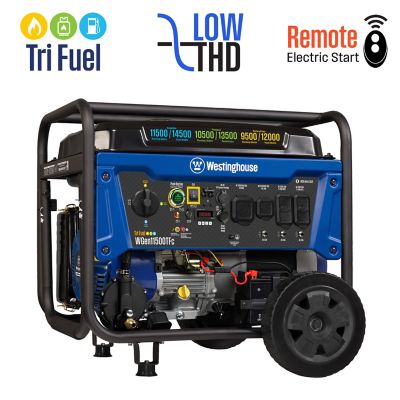
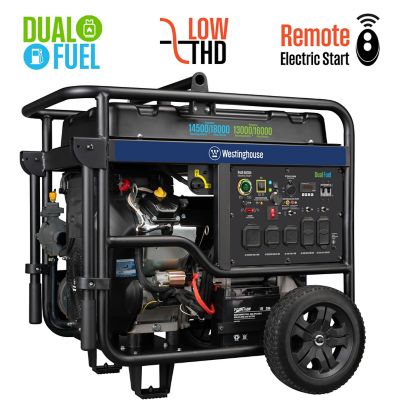
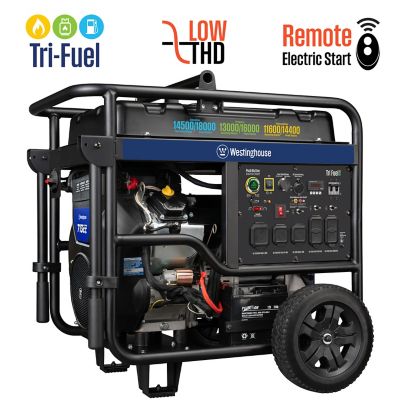
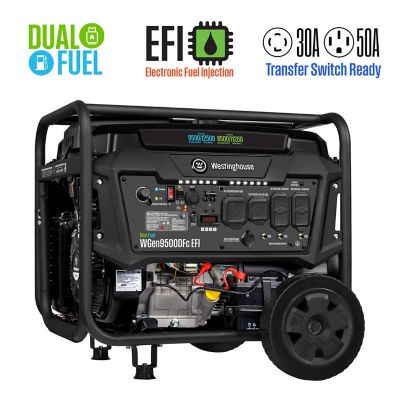
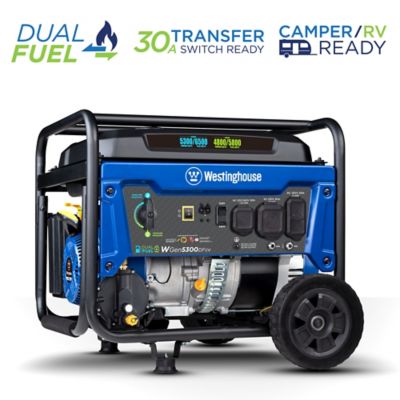
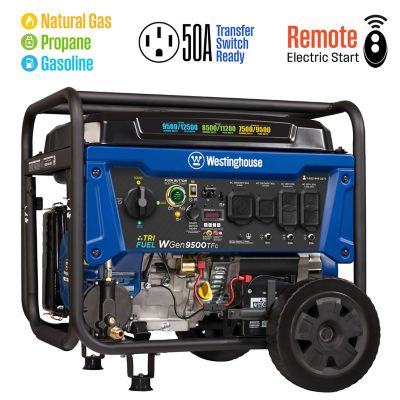
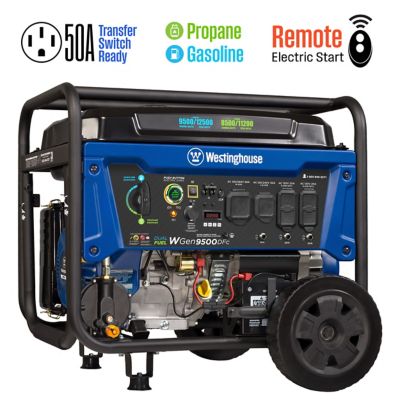
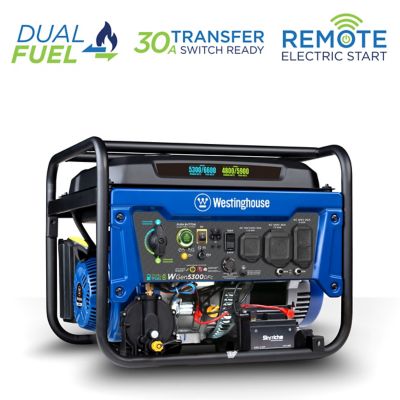
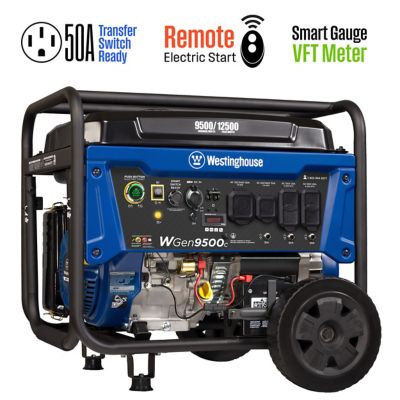
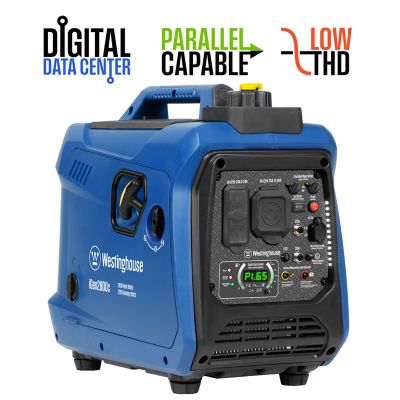
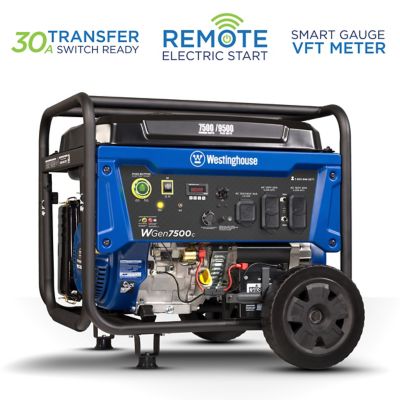
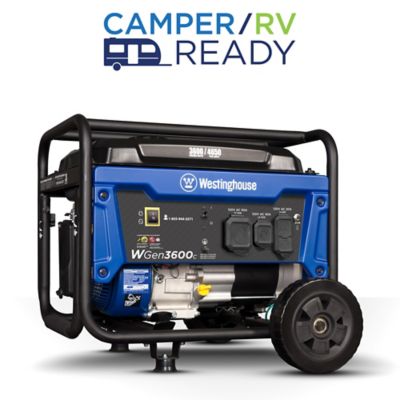
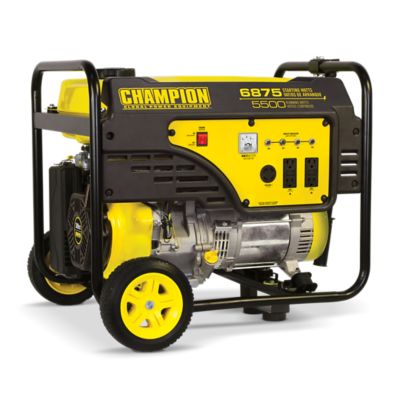
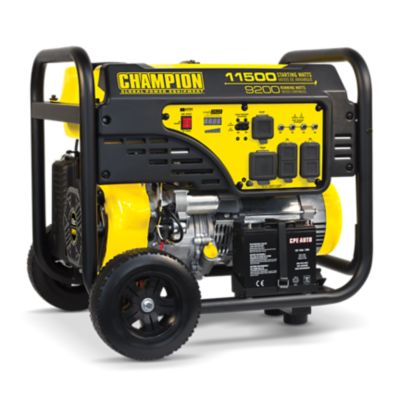
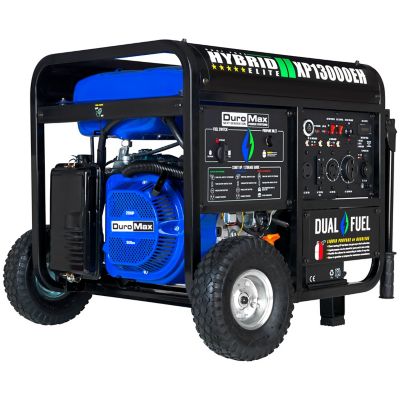
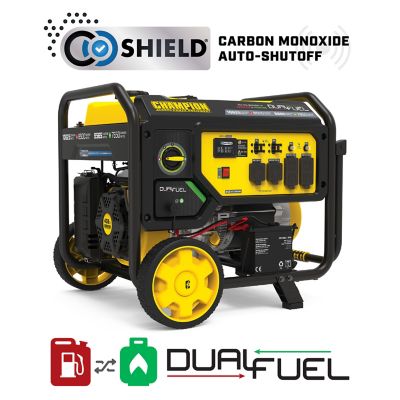
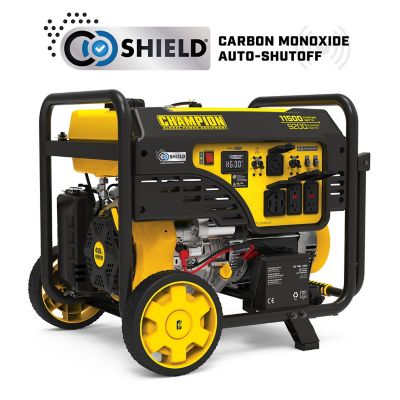
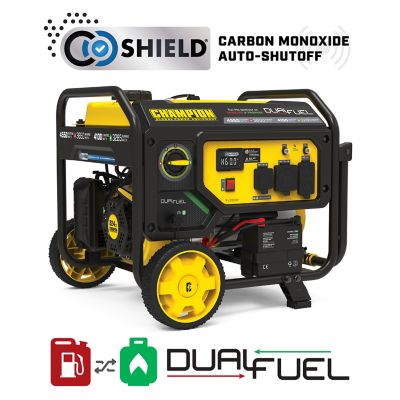
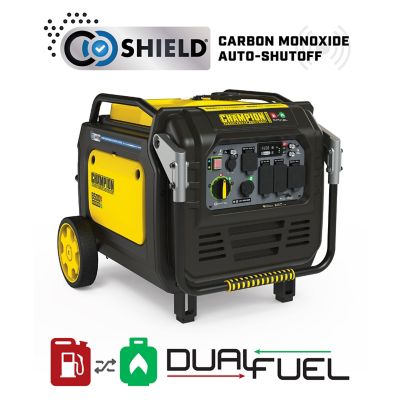
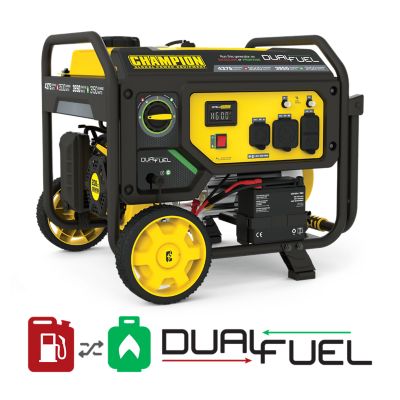
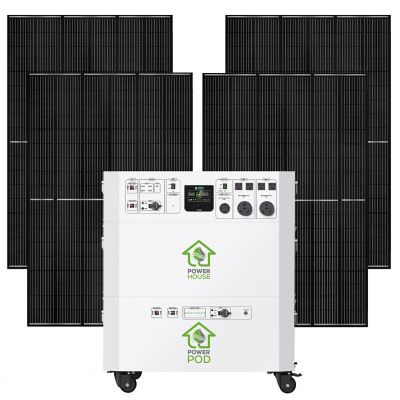
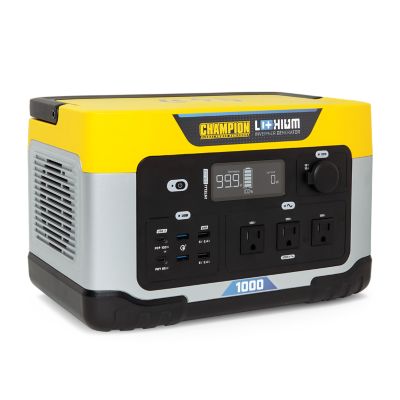
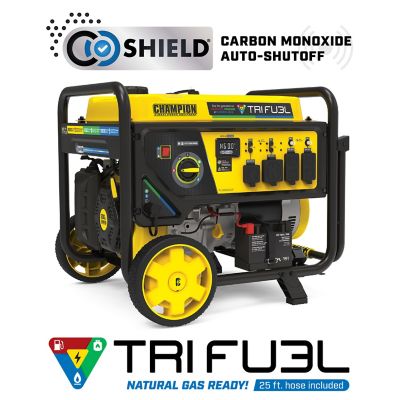
Backup home generators help keep everyday essentials running when utility power stops, from the refrigerator in the kitchen to the well pump that supplies water to the house. On a rural property, keeping a freezer full of meat cold or maintaining power to a sump pump can matter more than lighting every room. The best fit depends on which household systems need electricity, how much power they draw and whether someone will be home to start the equipment. Permanently installed standby generators typically connect to natural gas or a propane supply and work with an automatic transfer switch. That setup can start the generator and transfer selected household circuits after an outage without someone rolling equipment into place. Some systems support essential circuits, while others have enough capacity for broader household coverage. The phrase “whole-house generator” does not mean every appliance can run together without regard to its electrical demand; generator size and load management still matter. Portable engine-powered generators offer a different approach, with flexibility for homeowners who want backup electricity without a permanently installed engine. They require outdoor placement, fuel and hands-on operation, with household connections arranged through appropriate electrical equipment. Battery power stations provide stored electricity rather than generating it from fuel. Models rated for indoor operation can supply compatible devices without engine exhaust, though their operating time depends on stored energy and the load attached. Smaller backup needs might center on lights, a router and phone charging, while a house with well water and several large appliances calls for a different level of planning. Homeowners who travel often may value automatic operation and remote status features, while someone who stays close to the property may be comfortable with a manual setup. For households supporting medical equipment, the equipment manufacturer’s requirements and the care team’s backup recommendations take priority over general appliance estimates.
Electrical capacity makes more sense when it is tied to the jobs a generator needs to handle. Running watts describe the power equipment needs while operating, while starting watts account for the brief extra demand of motors and compressors. A refrigerator, sump pump or well pump may need considerably more power at startup than it draws once running. Generator capacity is commonly expressed in watts or kilowatts, with one kilowatt equal to 1,000 watts. Enough rated running output, along with adequate starting capacity, helps a system handle the intended combination of loads. Voltage matters, too: some household equipment runs on 120 volts, while certain pumps and larger appliances require 240 volts. The generator’s outlets, circuit ratings and connection equipment all need to match the application. Inverter generators regulate their electrical output differently from conventional generators and can be a good fit for electronics when their specifications meet the connected equipment’s requirements. Battery systems add another number to the comparison: watt-hours or kilowatt-hours measure stored energy, not output power. A station may have enough output to start an appliance but still lack the energy to run it for the desired length of time. Actual runtime also reflects conversion losses, operating conditions and changes in the appliance’s demand. Engine-generator runtime depends on fuel capacity and electrical load, so runtime figures are most useful when the stated load is considered alongside them. Gasoline, propane and natural gas each bring different storage and connection needs, and a model’s output can vary by fuel type. A propane tank serving other household equipment needs enough capacity for those demands as well as the generator. Fuel storage, local requirements and access for servicing belong in the same conversation as wattage. Comparing
generators for residential backup around actual household loads gives the equipment a clear purpose, whether that means keeping a few essentials running or supporting multiple circuits through a properly sized installation.
Construction and upkeep make a difference over the life of home backup equipment. Stationary generators commonly have steel or aluminum enclosures that protect internal components while allowing the airflow required for operation. Coated finishes, corrosion-resistant hardware and accessible service panels are useful details for equipment that stays outside. Portable generators often pair a metal frame with wheels and folding handles, but the machine’s weight, wheel design and the route from storage to its operating location all affect how manageable it feels. A smooth garage floor and a gravel path are two very different surfaces when moving a fueled generator. Service access matters just as much as portability: oil fill points, filters, spark plugs and starting batteries need room for inspection and maintenance. Scheduled exercise cycles on standby systems help confirm operation, but they do not replace the manufacturer’s service schedule. Portable engines also need routine checks, fresh fuel or the recommended fuel treatment, and storage practices suited to their design. Battery systems have their own charging, storage and ventilation requirements, even though they do not need engine oil changes. Every setup also needs the right safety arrangements. Portable fuel-burning generators must operate outdoors, at least 20 feet from the home, with exhaust directed away from doors, windows, vents and occupied spaces. An open garage door does not make garage operation safe, and carbon monoxide alarms belong inside the home. Permanently installed units require placement that follows manufacturer instructions and local codes, with qualified professionals handling electrical connections and fuel work. A transfer switch or other approved transfer equipment separates generator power from utility lines and helps prevent dangerous backfeeding; plugging a generator into a household wall outlet is never an acceptable connection. Cords for direct-connected appliances need the correct electrical rating and suitability for the application. Noise ratings are worth comparing at similar distances and loads, especially where the operating area sits near bedrooms or neighboring homes. With the electrical fit, service access and safe placement sorted out, a backup system can serve the household’s real needs without treating every outlet as equally important.